

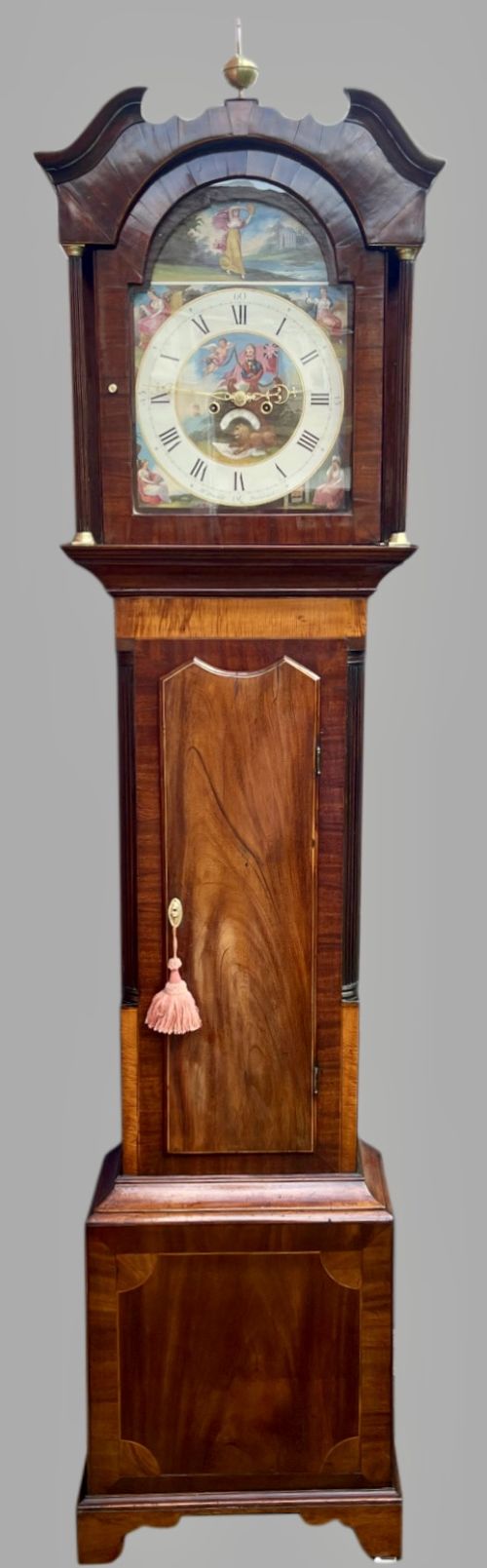

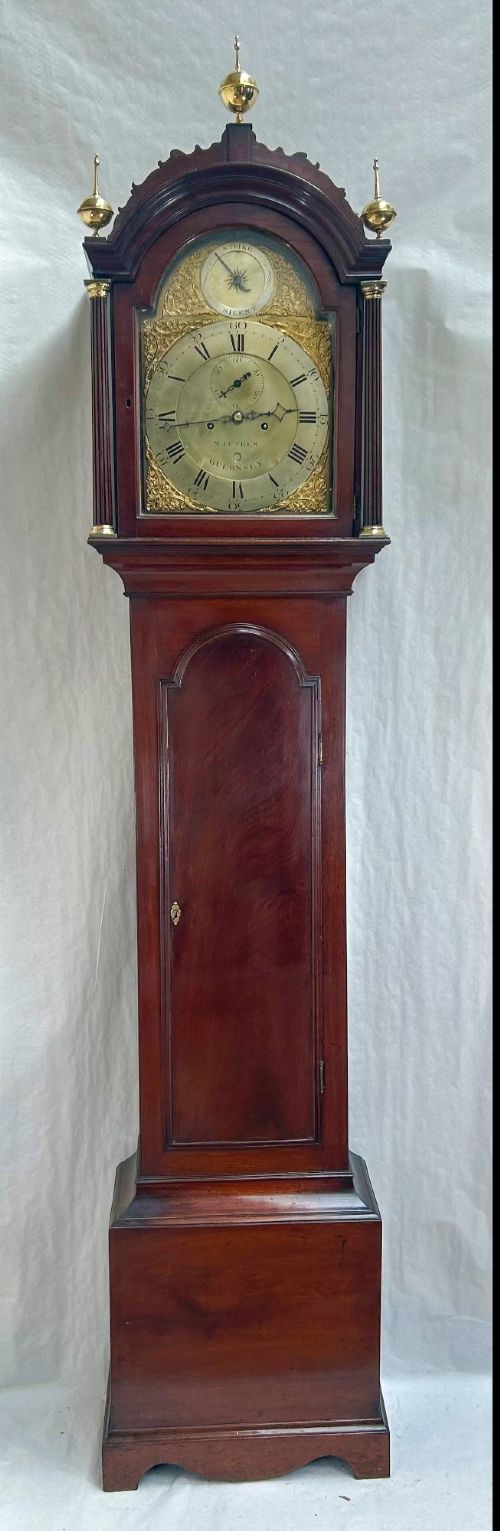
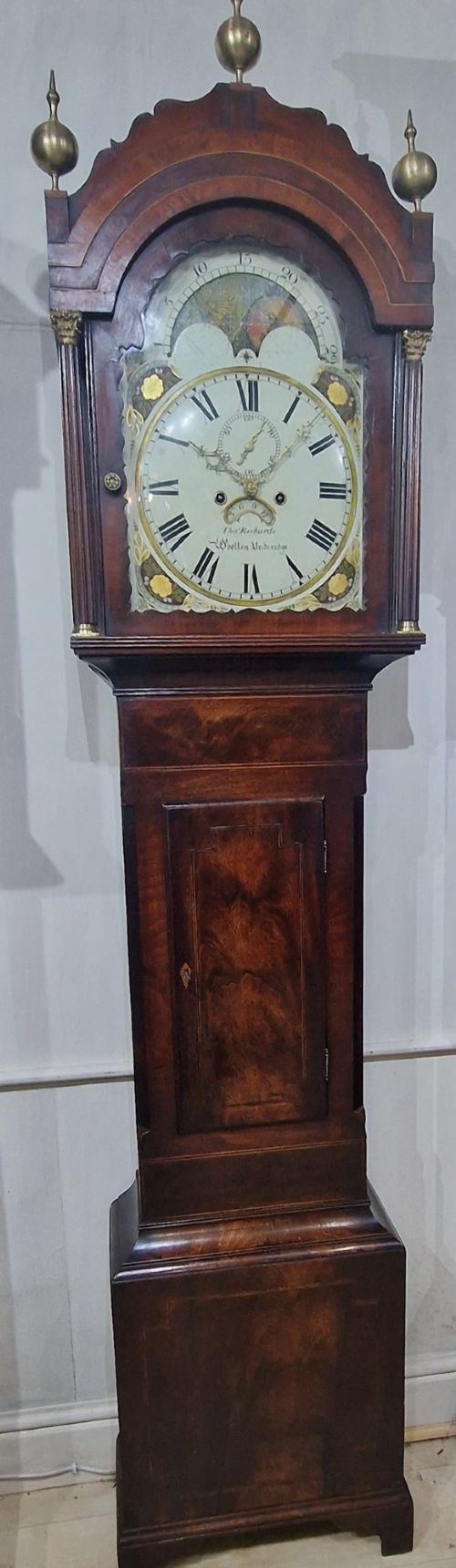


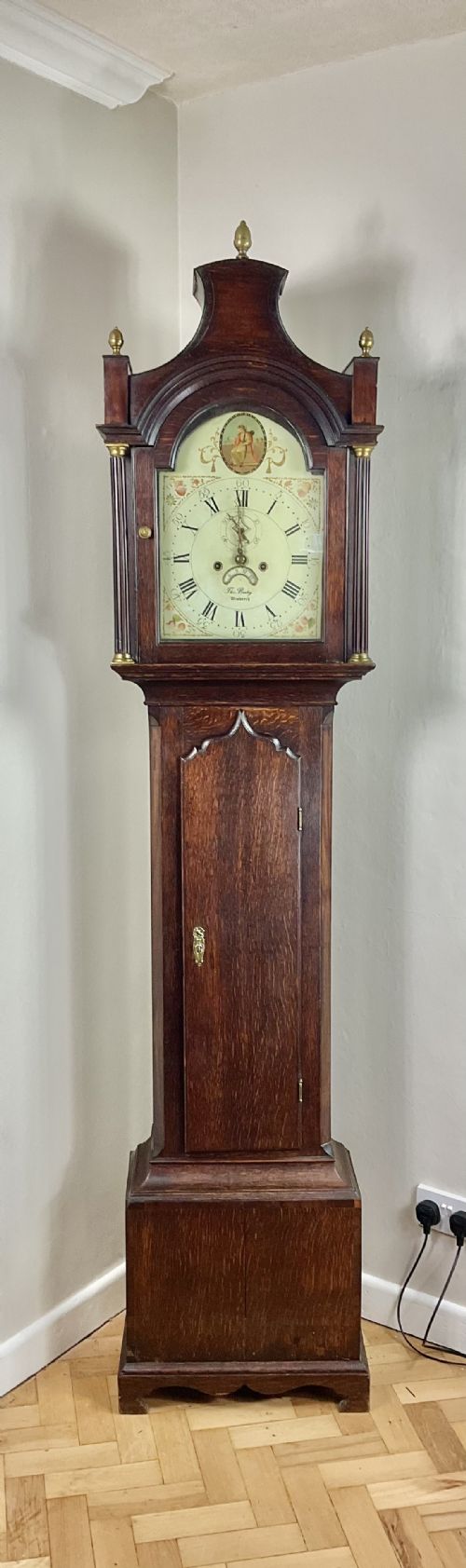


Brass Finial Tallcase Clock
These brass finial tallcase clock pieces bring substantial presence to a room, offering mechanical timekeeping housed in grand wooden cabinetry.
Brass Finial Tallcase Clock
When you search for a brass finial tallcase clock, you are looking at tall floor-standing timepieces that typically combine a tall wooden case with a brass-adorned dial structure. These objects frequently appear under descriptions such as longcase clocks, grandfather clocks, or long case clocks across the records.
The versions you are most likely to meet on this page hail from the Georgian, Victorian, and Regency periods, alongside specific dates ranging through the eighteenth and nineteenth centuries. Examples span styles like Georgian and nineteenth-century Scottish, alongside George III pieces.
Cases emerge predominantly in oak and mahogany, with specific variations including flame mahogany and ebonised finishes. Many incorporate glass panels to protect the dial and reveal the swinging pendulum within.
Materials and construction
Cabinetmakers constructed the tall wooden housings primarily from sturdy timbers like oak and rich mahogany, often selecting flame mahogany veneers for enhanced grain figure. These housing structures protect the delicate interior weights and pendulum systems from dust and environmental shifts.
Clockmakers incorporated brass for the decorative finials atop the hoods, alongside painted iron, enamel, and brass for the dial faces. Movements utilised metal components, including early inside count wheel mechanisms supported by pillars.
Glass panels were fitted into the hood doors to allow clear viewing of the time without opening the case, while iron and brass parts functioned within the weight-driven movements.
Brass Finial Tallcase Clock Retail Price Guide 2026
Typical asking prices for brass finial tallcase clock among the pieces listed under this phrase on Sellingantiques today, from the lower quarter to the upper quarter. They describe what is for sale here now, not the wider market.
Some nineteenth-century examples incorporate lions eyes automata, bringing a curious flash of movement to the ticking dial face.
Distinctions in quality
The sophistication of the cabinetwork separates standard examples from superior pieces, with figured timbers like flame mahogany and refined proportions indicating higher workshop skill. Well-executed mouldings and well-fitted doors demonstrate greater care in construction.
Movement complexity and signature provenance also divide the range, as signed works by known makers command attention alongside mechanisms featuring five pillars or early inside count wheel designs. The integration of automata elements introduces another layer of mechanical ambition.
Materials selection plays a distinct role, where solid oak or carefully selected mahogany outlasts lesser secondary woods, and crisp brass casting on the finials and dial mounts maintains sharp detail.
Tait, Peebles·Rickards, Wotton Under Edge·Thwaites, London·William Tomlinson, London·Packer Of Reading·Richard Northen·John Jackson, London·Vurley of Wisbech
The Brass Finial Tallcase Clock Glossary
- Tallcase clock
- A freestanding, weight-driven clock with a long wooden case enclosing the pendulum and weights. This term is often used interchangeably with grandfather clock or longcase clock.
- Finial
- A decorative ornamental crowning feature, frequently cast in brass, positioned at the top of the hood. These elements draw the eye upward and finish the architectural silhouette of the case.
- Count wheel
- An external or internal locking-plate mechanism used in older clocks to control the striking of the hours. It dictates the correct number of hammer strikes based on a slotted disc.
- Pillar
- One of the vertical brass or metal posts separating the front and back plates of a clock movement. Five-pillar movements offer additional structural stability compared to standard four-pillar variants.
- Flame mahogany
- A veneer cut from the fork of a mahogany tree where the branches join the trunk, producing a distinctive flickering flame pattern. Cabinetmakers used this figure on prominent surfaces for visual impact.
Brass Finial Tallcase Clock: Frequently Asked Questions
What is a brass finial tallcase clock?
A brass finial tallcase clock is a tall, weight-driven timepiece housed in a wooden case featuring decorative brass finials on the hood. These pieces stand directly on the floor and combine cabinetmaking with mechanical clockwork.
They serve as both functional timekeepers and architectural furniture pieces, utilising pendulums and weights enclosed within long wooden trunks.
How do I wind an eight day clock?
An eight day clock requires winding approximately once a week by lifting the hood or opening the dial door to access the winding holes. A key is typically inserted to draw the weights back up via the internal cord or chain system.
Care must be taken not to overwind the mechanism, ensuring smooth and steady tension is applied during the process.
Where should I place a grandfather clock?
A grandfather clock requires a stable, level floor away from direct sunlight, heating vents, and exterior doors to protect the wooden case and movement. Placing it against a secure interior wall prevents vibrations from foot traffic.
Sufficient vertical clearance is necessary, as these tall cases often exceed standard ceiling heights in modern rooms.
How do I identify the period of a tall case clock?
Identifying the period involves examining the timber choice, dial style, and cabinet construction details like bracket feet or hood designs. Earlier eighteenth-century examples often feature square dials, while later nineteenth-century pieces may display painted arched dials.
Signatures inscribed on the dial face often point to specific makers active during particular reigns or centuries.