

Brass Feet Pedestal Table
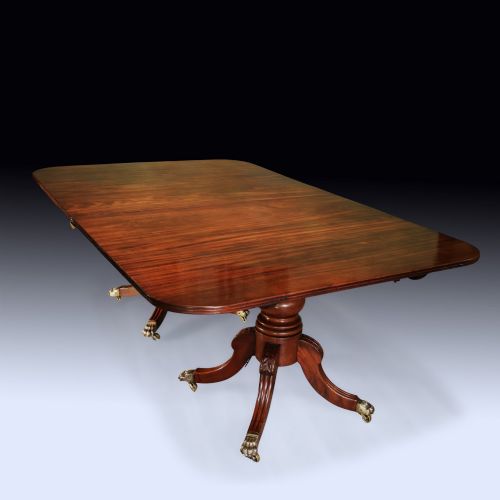
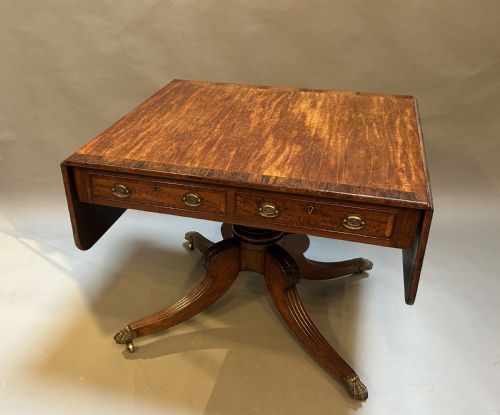
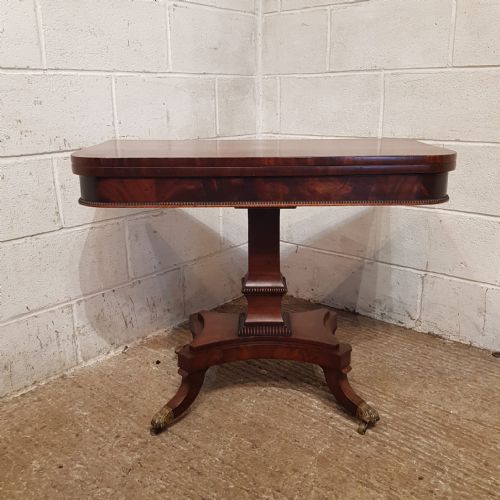
These brass feet pedestal table options offer sturdy central support and gleaming metal mounts, grounding formal rooms with period elegance.
Brass Feet Pedestal Table
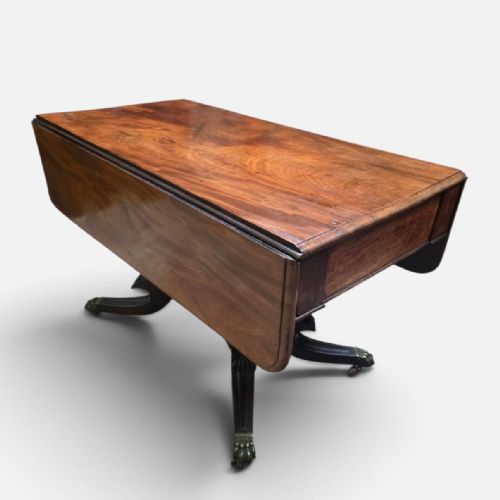
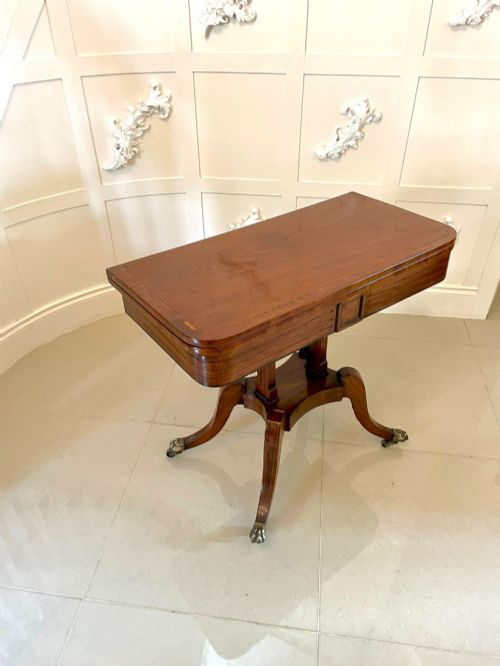
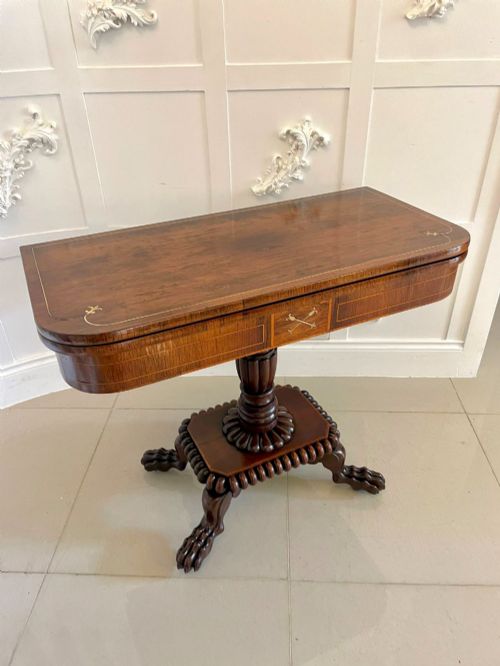
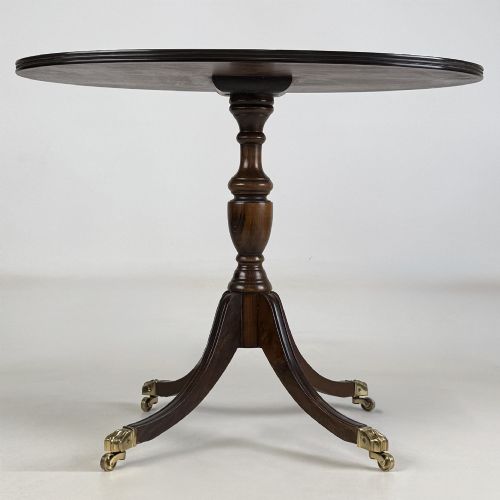
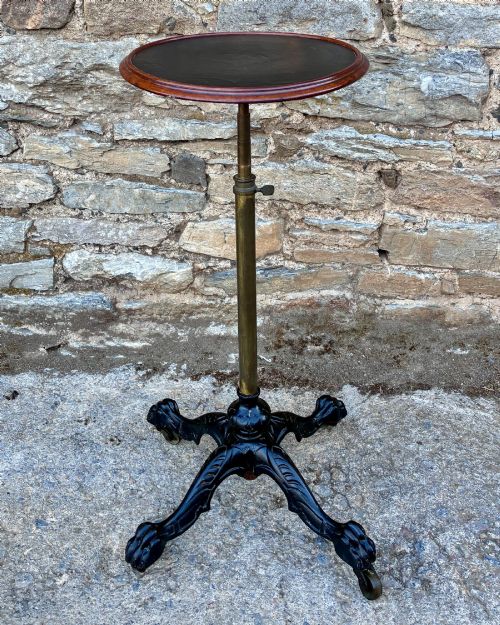
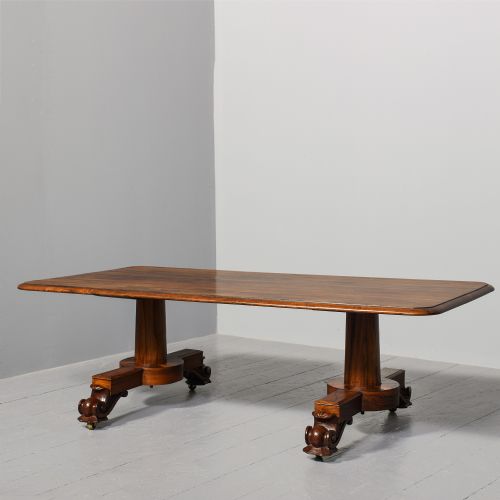
A brass feet pedestal table brings classic proportions to domestic interiors, drawing primarily from Georgian, Regency, and Victorian eras. You will encounter card tables, breakfast tables, and centre tables most frequently on this page, reflecting the social habits of nineteenth-century households.
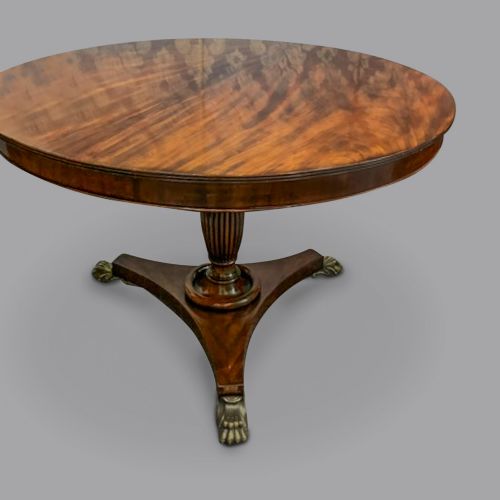
The core structure relies on a central column or pillar rising from a stable base, terminating in decorative metal terminals. Mahogany and rosewood dominate the selections, often enhanced by satinwood or brass inlay work that highlights the grain.
Makers from the Regency and George III periods established the template for these pedestal formats, balancing weight and mobility. Later twentieth-century revivals replicate these forms, utilising similar timber stocks and traditional joinery methods.
Materials and construction methods
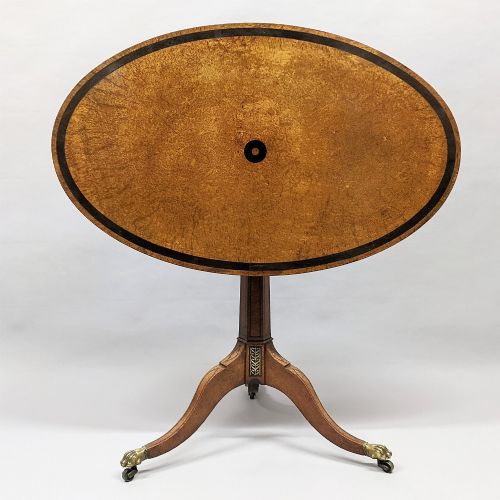
Cabinetmakers selected dense hardwoods such as mahogany and rosewood for their stability and capacity to take a deep polish. Veneers of burr oak or satinwood were laid over secondary timbers to create contrasting geometric borders on tabletop surfaces.
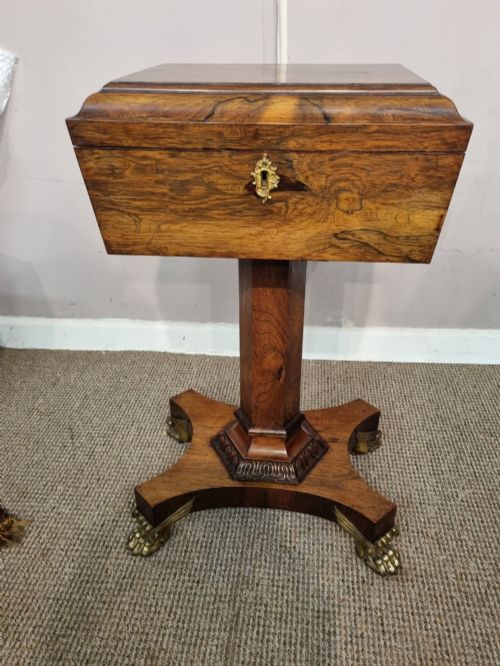
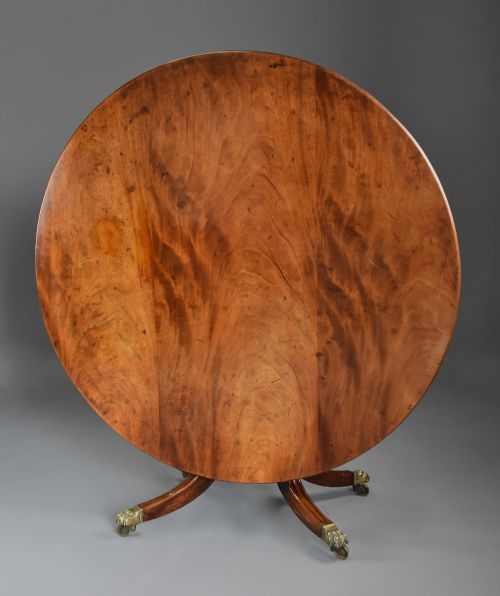
Cast brass feet, sometimes combined with castors or ormolu mounts, were fitted to the base to protect the wood and aid movement. Turning, carving, and brass inlay required specialist hand skills, resulting in crisp detailing on the central pillars and friezes.
Some tables hide compartments for counters, reminding us that Victorian parlour games involved serious stakes.
Assessing craftsmanship and finish
The depth of timber selection and the precision of the brass inlay distinguish standard workshop output from exceptional cabinet work. Subtle figure in the mahogany or rosewood grain elevates the visual weight of the piece without relying on excessive ornament.
Structural integrity rests on the fit of the pillar into the base and the stability of the tabletop support. Superior examples display seamless joints and crisp, hand-chased brass components that show no signs of modern casting flaws.
George Bullock
The Brass Feet Pedestal Table Glossary
- Pedestal table
- A table supported by a central pillar or column rather than four corner legs. This format allows greater legroom and often incorporates a weighted platform base.
- Card table
- A folding table designed for evening games, featuring a top that opens to reveal a baize-lined surface. Many examples include a concealed well for storing playing pieces.
- Ormolu
- Gilded bronze mounted onto furniture as decorative enrichment. This technique creates metallic highlights against dark rosewood or mahogany surfaces.
- Tilt top
- A tabletop mechanism that allows the surface to pivot vertically for compact storage when not in use. It locks securely into place with a brass catch.
- Teapoy
- A small stand or chest designed to hold tea canisters, usually raised on a central pillar. These pieces reflect the high status of tea in Georgian and Regency interiors.
Brass Feet Pedestal Table: Frequently Asked Questions
What is a pedestal table?
A pedestal table relies on a single central column or pillar to support the top, rather than traditional corner legs. This construction allows flexible seating arrangements around the perimeter.
Most examples in this category date from the Georgian and Regency periods, utilising heavy timber bases to maintain balance.
How were card tables used?
Card tables served domestic social life, opening out during evenings to accommodate games of whist or conversation. The folding top often rested on a swing leg or a pivoting frieze drawer.
Closed against a wall during the day, they functioned as console or side tables in principal reception rooms.
How do I identify a Regency table?
Regency tables typically feature dark woods like rosewood or mahogany, accented with brass inlay, stringing, or gilded mounts. The pillars often stand on platform bases with splayed legs ending in brass paw castors.
Proportions remain classical, drawing inspiration from ancient Greek and Roman design motifs.
Where should I place a centre table?
A centre table stands freely in the middle of a room rather than against a wall, functioning as a focal point. They were historically used to display books, globes, or decorative objects.
Ensure adequate clearance around the perimeter for movement and seating access.