

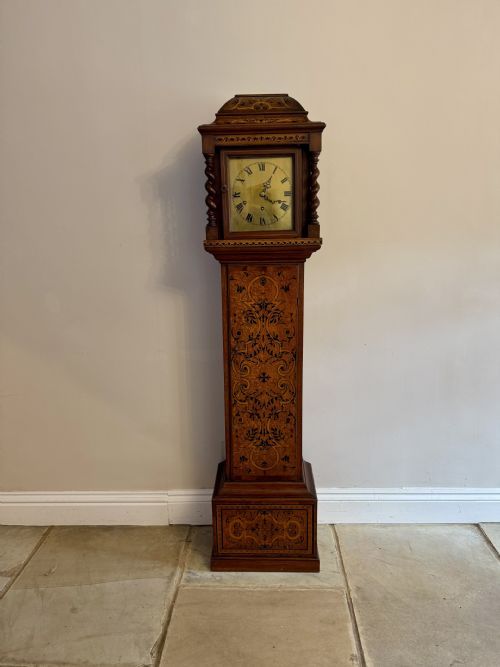


Brass Dial Hall Clock
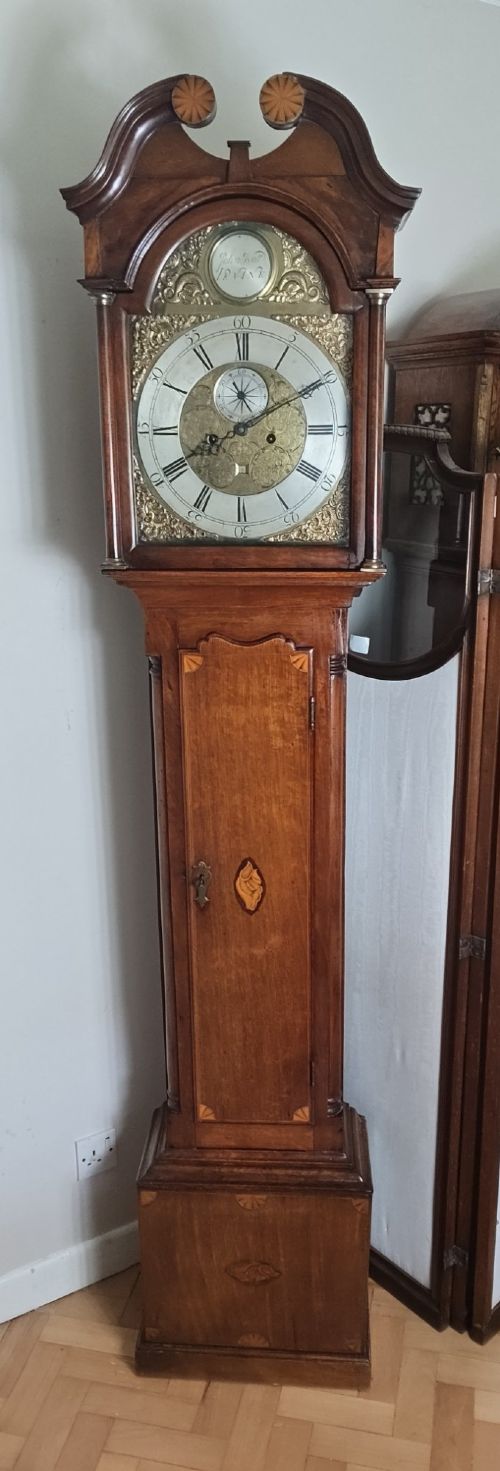
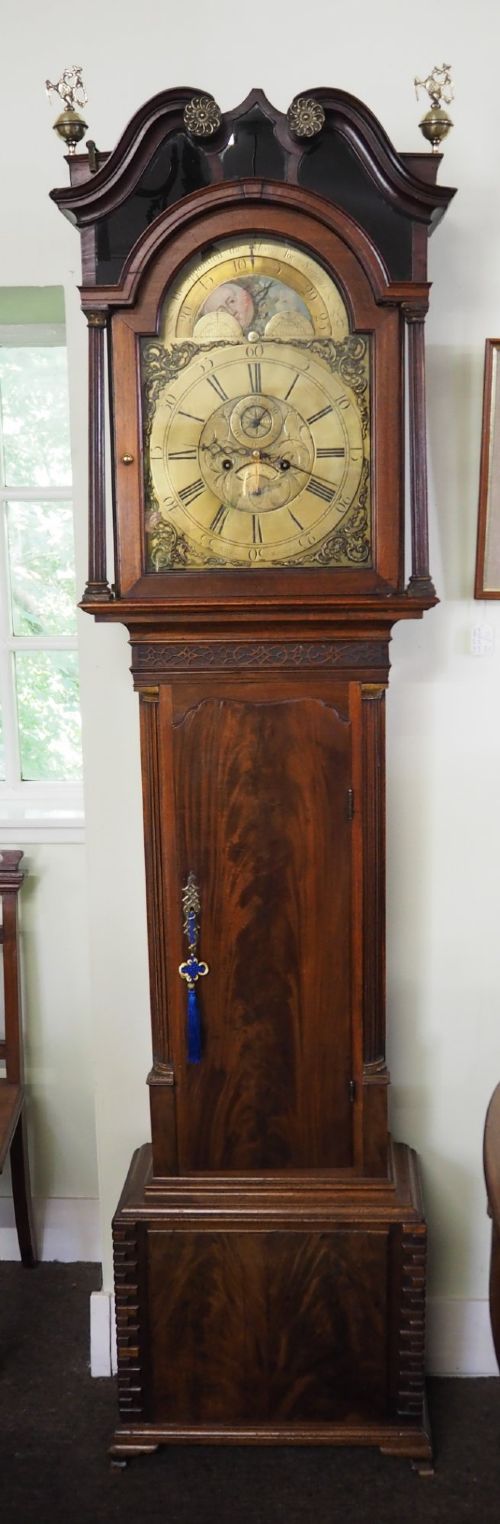
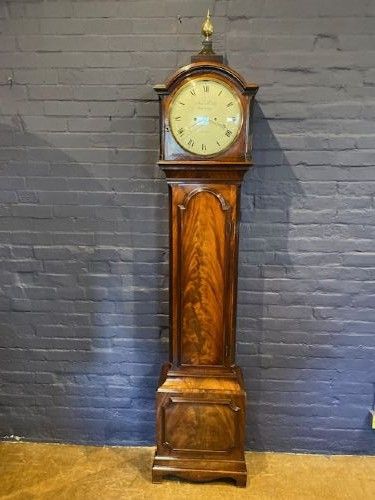
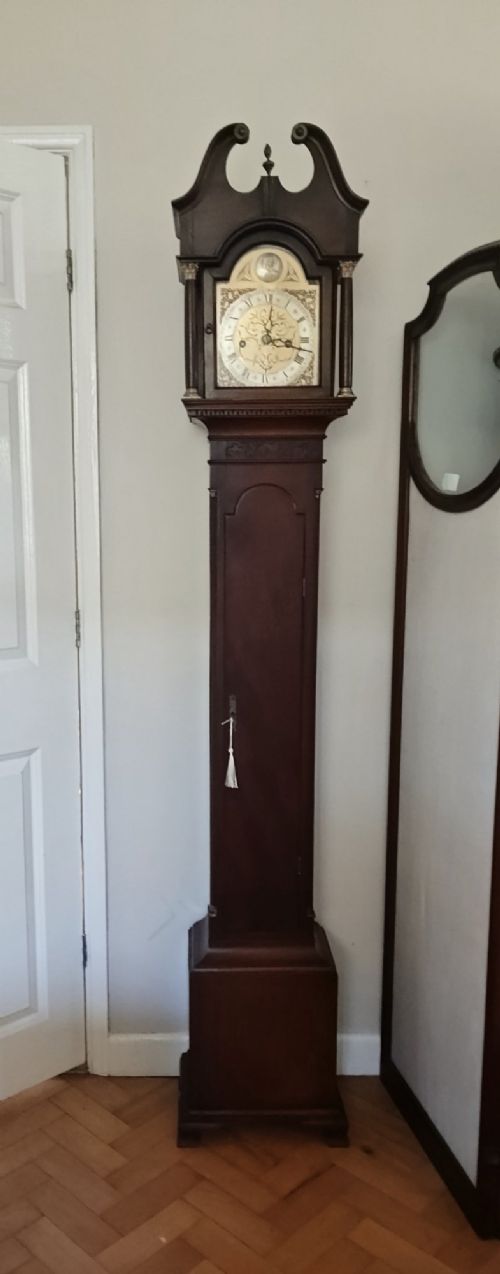
A brass dial hall clock anchors a room with mechanical rhythm, offering tall cabinet timber and a polished metal face that marks the passing hours.
Brass Dial Hall Clock
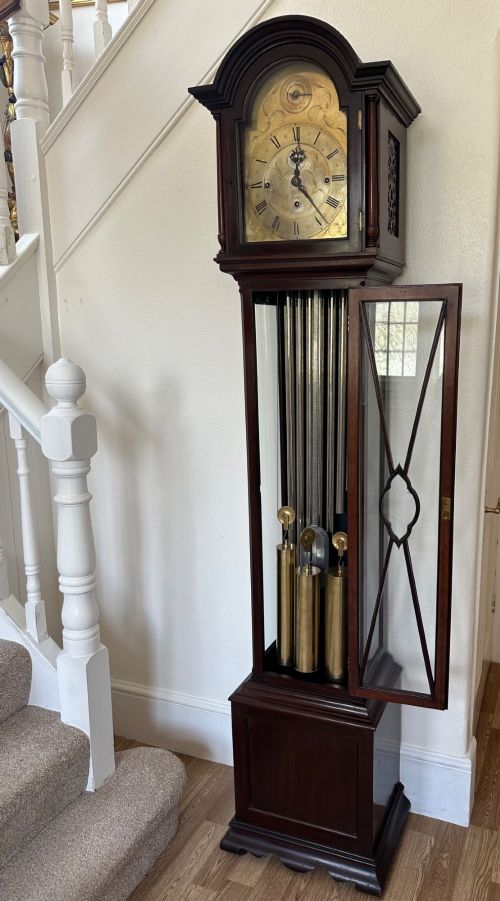
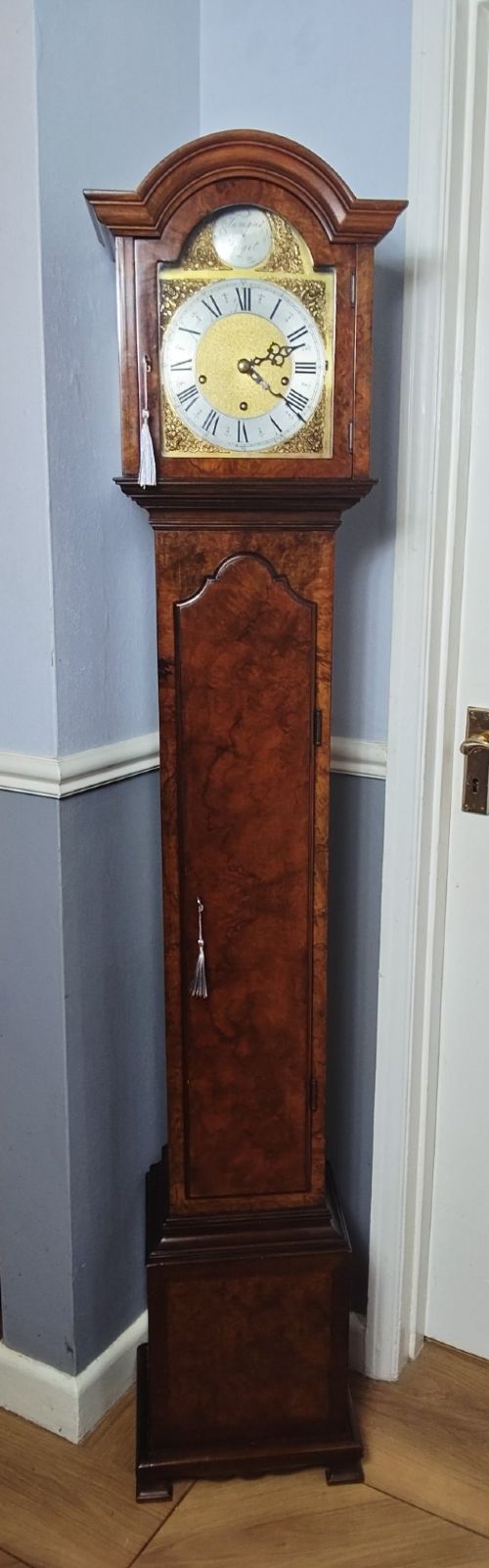
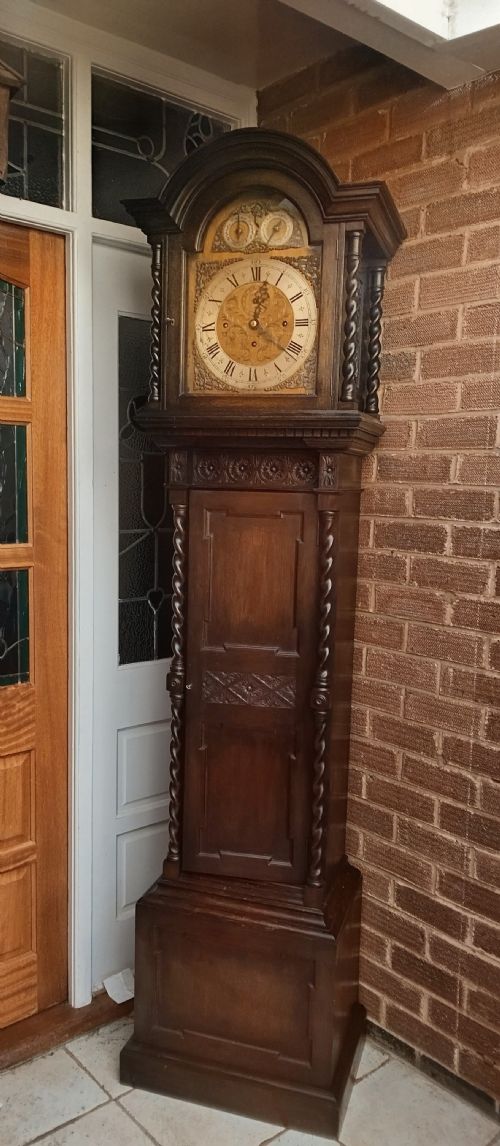
When you search for a brass dial hall clock, you are looking at tall case timepieces designed to stand on the floor, frequently catalogued as longcase or grandfather clocks. The examples seen here span multiple eras, stretching from eighteenth-century origins through the Georgian and Victorian periods into Edwardian and nineteen-twenties revivals.
You will encounter substantial full-height mahogany and oak floor pieces alongside smaller proportioned grandmother clocks. The common thread among them is the prominent metal face set into the upper trunk behind glass.
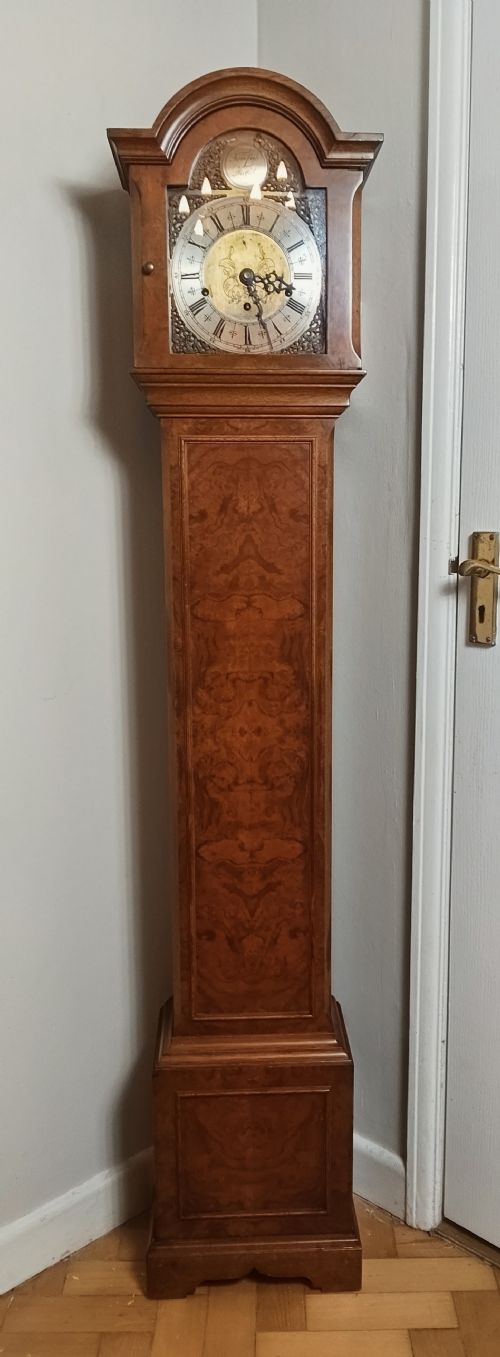
The styles range from plain early oak country cases to inlaid Edwardian mahogany and figured walnut revival pieces. Most listings on this page reflect either the traditional eight-day movement of the eighteenth and nineteenth centuries or later chiming mechanisms from the twentieth century.
Materials and construction
Cabinetmakers built these tall cases primarily using dense hardwoods such as mahogany, oak, and walnut, often applying finer veneers like burr walnut or satinwood over secondary timbers. Selected models incorporate marquetry inlay or carved details that follow Georgian and Victorian stylistic traditions.
The internal movements combine brass gears, steel arbors, and glass viewing panels, driven by hanging weights or springs. Dial faces integrate cast brass bezels, engraved chapters, and subsidiary seconds or moonphase indicators.
Listings feature oak, mahogany, and walnut cases housing both eight-day and musical chime movements across multiple centuries.
Judging the work
Quality rests in the crispness of the brass dial engraving, the proportion of the wooden case, and the sophistication of the movement inside. Finer examples display meticulous cabinet joinery, well-figured timber grain, and complex chiming or musical mechanisms rather than basic time-only gear trains.
The relationship between the dial and the cabinet matters greatly, as does the preservation of original surface finishes. Superior pieces maintain harmonious proportions where the height, hood design, and dial size balance without awkward additions or later alterations.
James McCabe·John Wylde·Dwerrihouse and Carter·Richard Northen·Thomas Baker·Thomas Hall·JJ Elliot
The Brass Dial Hall Clock Glossary
- Longcase clock
- A tall freestanding weight-driven timekeeper housed in a wooden case with a pendulum, commonly called a grandfather clock. These standing clocks protect the delicate pendulum and weights within a vertical trunk.
- Grandmother clock
- A smaller, scaled-down version of the traditional longcase clock produced widely during the early twentieth century. They occupy less floor space while retaining the brass dial and chiming movement.
- Moonphase
- A rotating disc behind an arched aperture on the dial that tracks the lunar cycle. This mechanical display shows the phases of the moon alongside the standard time.
- Fusee
- A conical pulley connected to the mainspring by a cord or chain that equalises the driving force as the spring unwinds. This mechanism maintains steady torque to improve timekeeping accuracy.
- Regulator
- A precision pendulum clock designed for high accuracy, often featuring a simplified dial and heavy containment. These specialised movements served to set other household timepieces.
Brass Dial Hall Clock: Frequently Asked Questions
Where should I place a longcase clock?
Position your tall clock against an interior wall away from direct sunlight, heating vents, and damp areas. Wood cabinets react to sudden temperature and humidity shifts by expanding or contracting.
The floor beneath the clock must be level and stable to ensure the pendulum swings evenly. A solid surface prevents the beat from becoming uneven and allows the escapement to function properly.
How do I tell an 18th-century clock from a 20th-century revival?
Examine the timber construction methods inside the hood and trunk, looking for hand-cut joints, original pine secondary woods, and signs of age on the ironwork. Eighteenth-century cases often show distinct hand-tool marks and patination suited to their period.
Twentieth-century grandmother clocks and revival pieces frequently utilise standardised machine-cut components, modern glues, and lighter spring-driven movements rather than heavy weight-driven systems.
Why does the clock go out of beat?
Movement shifts caused by floor settling or cleaning can disturb the delicate balance of the anchor or deadbeat escapement. When the tick sounds uneven, the pendulum is no longer dropping equally to the left and right.
Adjusting the crutch wire or leveling feet corrects this imbalance, restoring the steady tick-tock rhythm essential for accurate timekeeping.