


Brass Dial Face
A brass dial face sits at the heart of historic timepieces, bringing together metalwork and movement in clocks and pocket watches.
Brass Dial Face
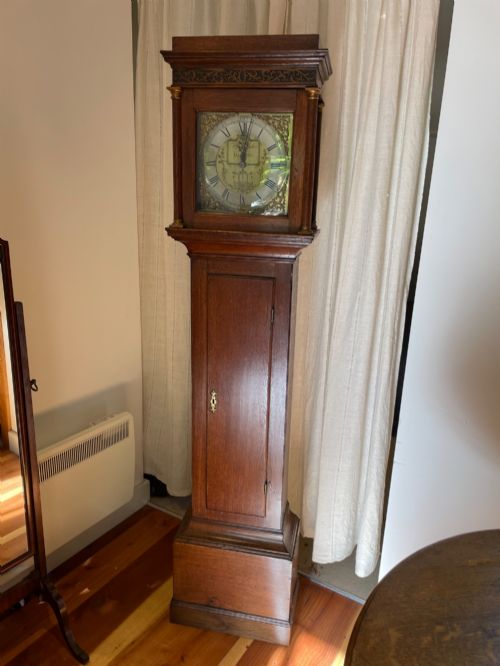
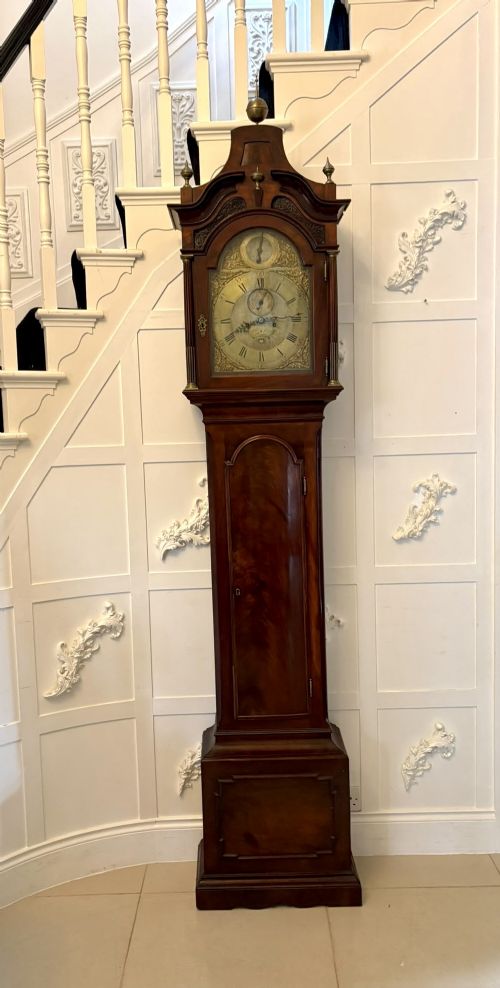
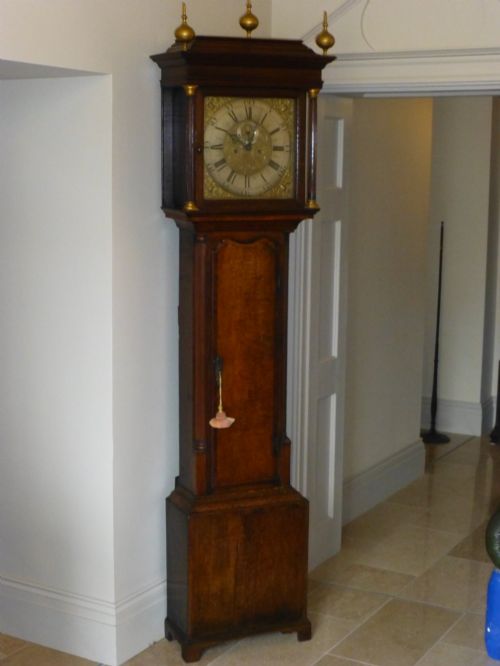
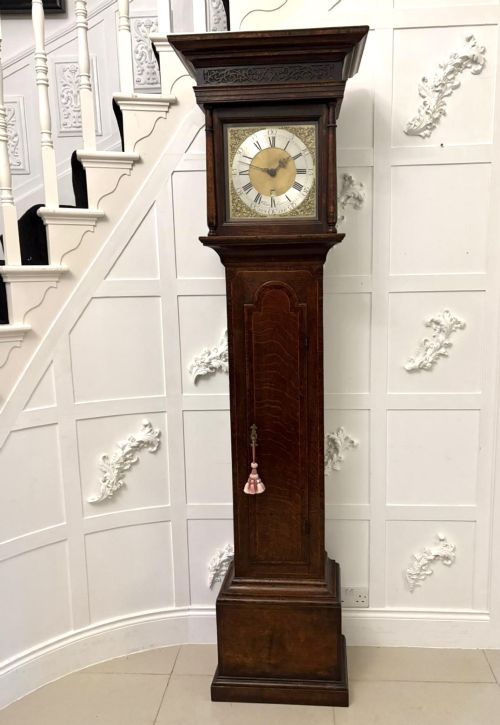
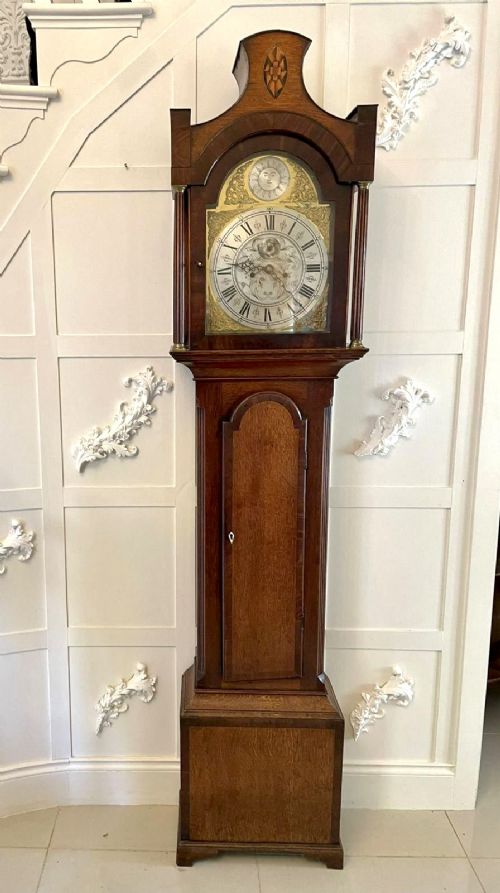
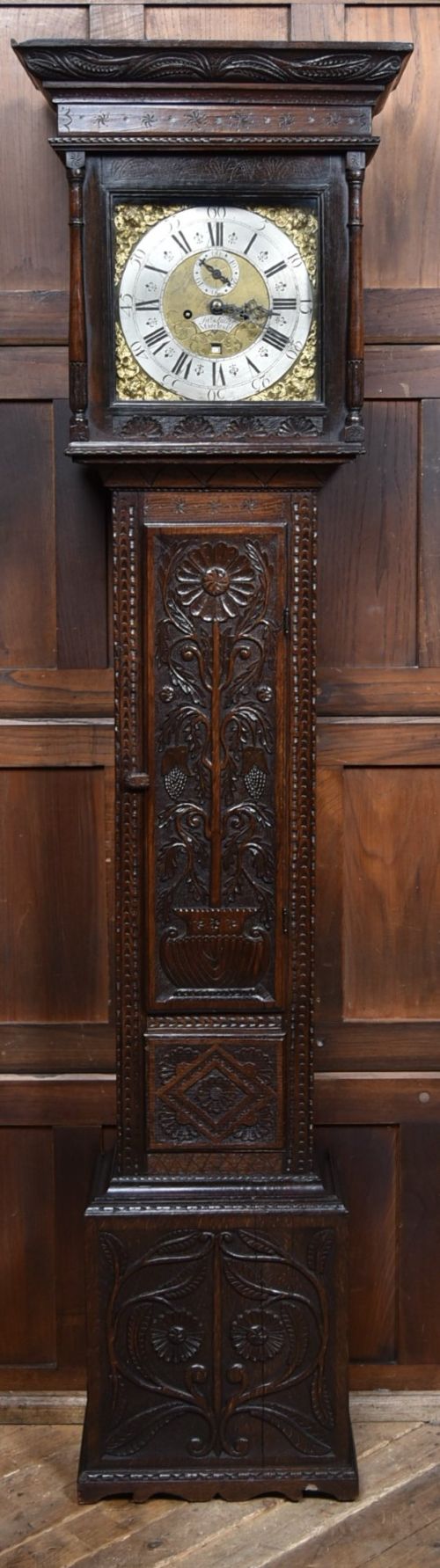
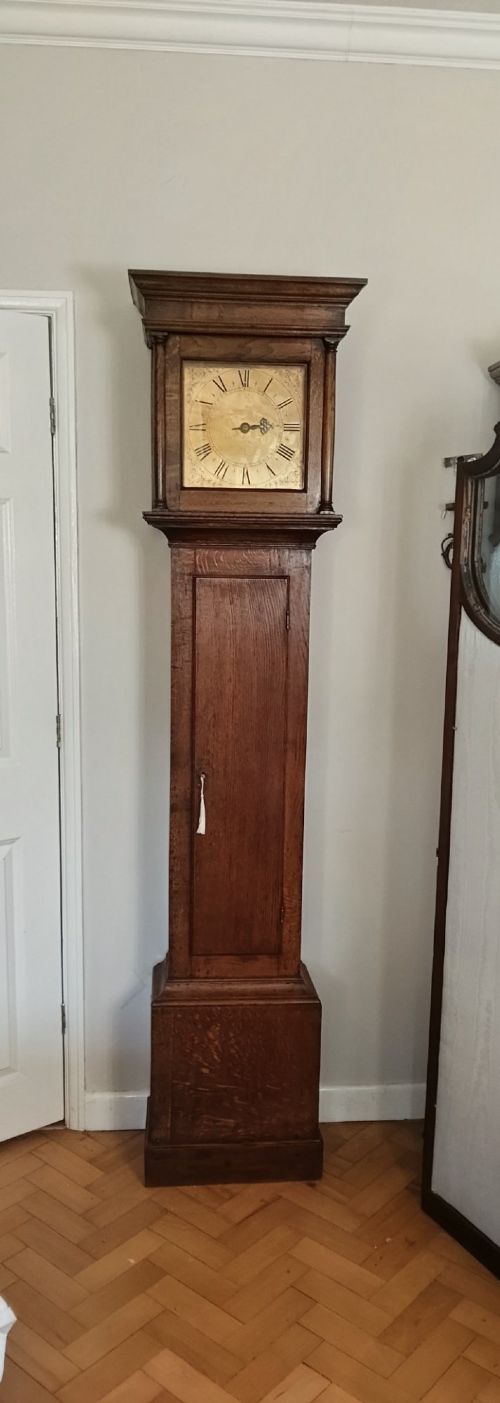
A brass dial face is most commonly encountered on longcase and grandfather clocks originating from the Georgian and eighteenth-century periods. These metal faces form the functional and decorative frontispiece of tallcase clocks housed in oak or mahogany cases.
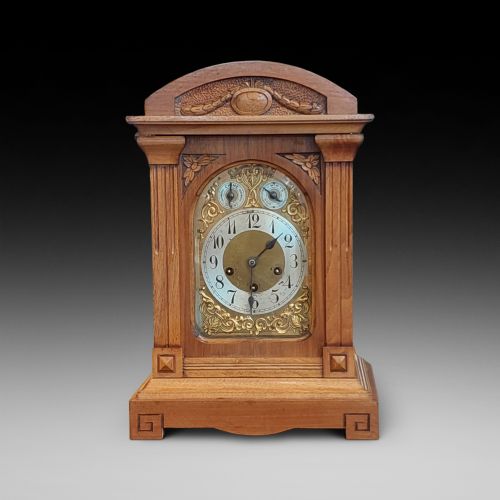
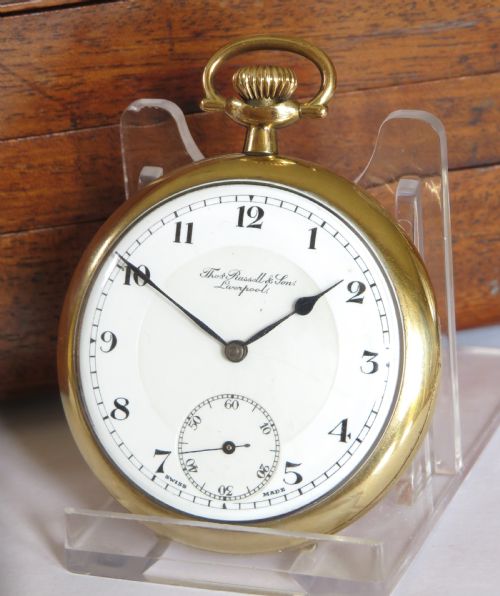
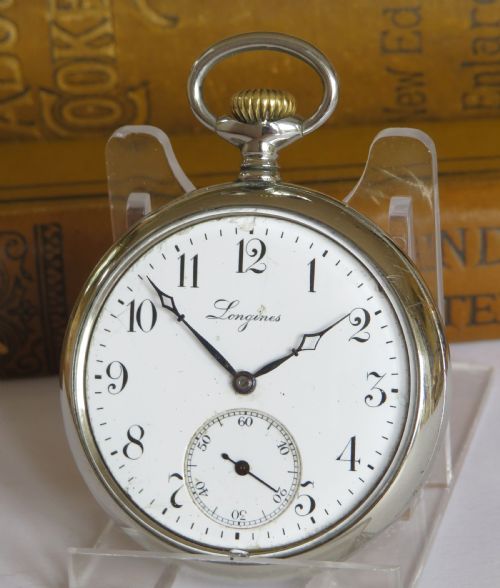
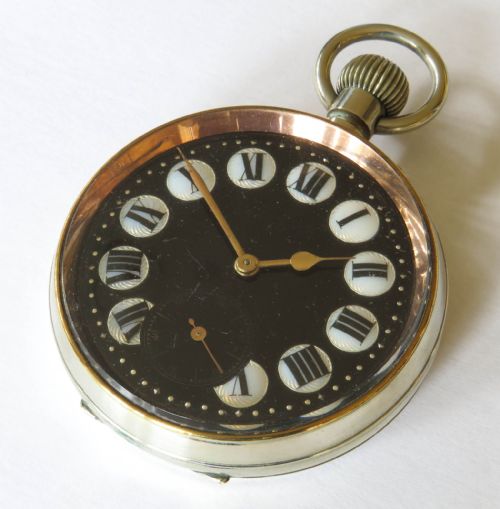
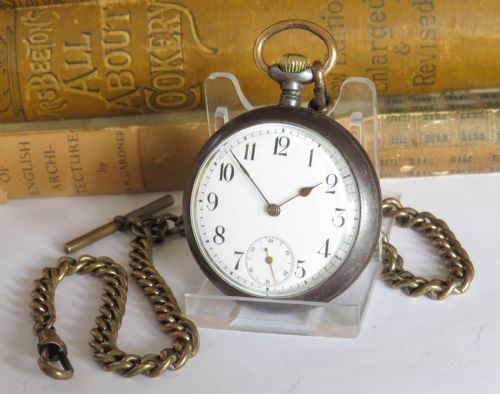
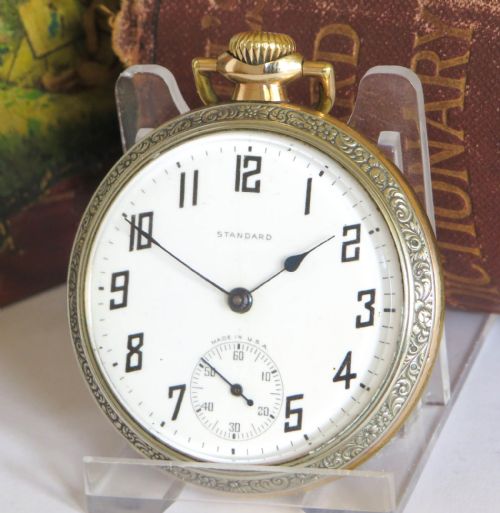
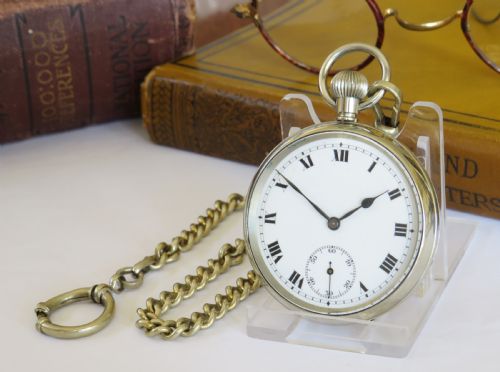
Beyond floor-standing clocks, the selection includes wall clocks, mantel clocks, barometers, and portable timepieces such as pocket watches. The materials paired with these metal faces extend to glass, walnut, enamel, steel, and gold plate, spanning styles from Early Georgian to Art Deco.
How they were made
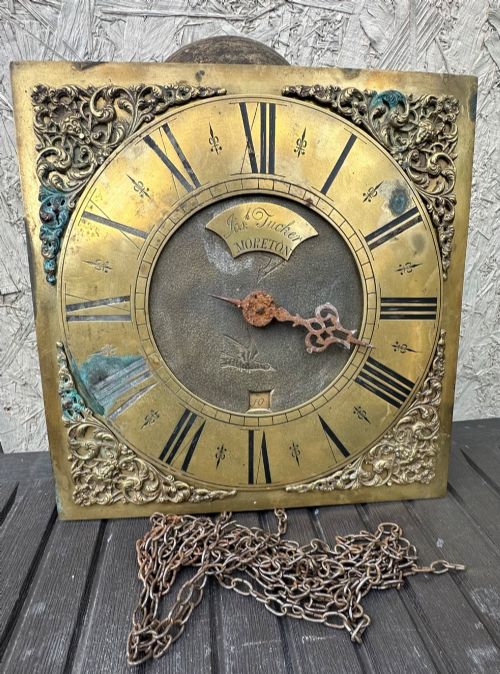
Movements and dials required skilled metalworking and precision engraving, frequently signed by regional or metropolitan clockmakers directly upon the brass plate.
Brass Dial Face Retail Price Guide 2026
Typical asking prices for brass dial face among the pieces listed under this phrase on Sellingantiques today, from the lower quarter to the upper quarter. They describe what is for sale here now, not the wider market.
Object forms range from tall longcase clocks and pocket watches to marine barometers and wall clocks.
What varies in quality
Quality rests in the crispness of the engraving, the depth of the brass casting, and the integrity of the pairing between the dial and the original movement. Superior examples exhibit refined workmanship in the spandrels and lettering.
The choice of cabinet timber also dictates distinction, where figured mahogany or burl oak elevates the presence of the timepiece compared to plain utility woods.
John Taylor London·Thomas Russell And Son·Bramwell And Harbron·William Betagh Dublin·John Pollard Of Crediton
The Brass Dial Face Glossary
- Dial face
- The visible plate of a clock or barometer that displays the hours, minutes, and subsidiary indicators. It serves as the primary visual surface of the instrument.
- Longcase clock
- A tall, weight-driven pendulum clock housed in a wooden case standing directly on the floor. These pieces are frequently referred to as grandfather clocks.
- Spandrel
- The ornamental corner piece fitted around the circular chapter ring of a clock dial. Cast brass spandrels often indicate the stylistic period of the work.
- Movement
- The internal mechanism of a clock or watch that powers the hands and strikes the hours. Eight-day movements require winding weekly.
- Barometer
- An instrument used to measure atmospheric pressure to forecast weather changes. Examples often incorporate metal dials mounted within wooden wall cases.
Brass Dial Face: Frequently Asked Questions
What is a brass dial face?
A brass dial face is the engraved and finished metal plate that displays the time on traditional clocks and watch movements.
These faces anchor the visual design of tallcase and wall timepieces, often featuring makers' names and intricate corner ornaments.
How do I date a brass dial?
Dating relies on stylistic clues within the engraving, the shape of the arch, and the design of the corner spandrels.
Eighteenth-century examples differ significantly in layout and script from later Edwardian or twentieth-century revivals.
Where were these clocks made?
Clocks featuring these faces were produced across London, regional English towns, and Scottish workshops by independent makers.
Signatures inscribed directly onto the brass often record the specific town or city of origin.
How do I care for brass dial faces?
Care requires keeping the metal away from excessive moisture and avoiding harsh commercial cleaning agents that strip patination.
Gentle dusting with a dry microfibre cloth preserves the historical surface of the engraved metal.