




Brass Desk Tidy
A brass desk tidy is a compact workspace organiser designed to corral correspondence and ink, and collectors prize them for their blend of utility and period craftsmanship.
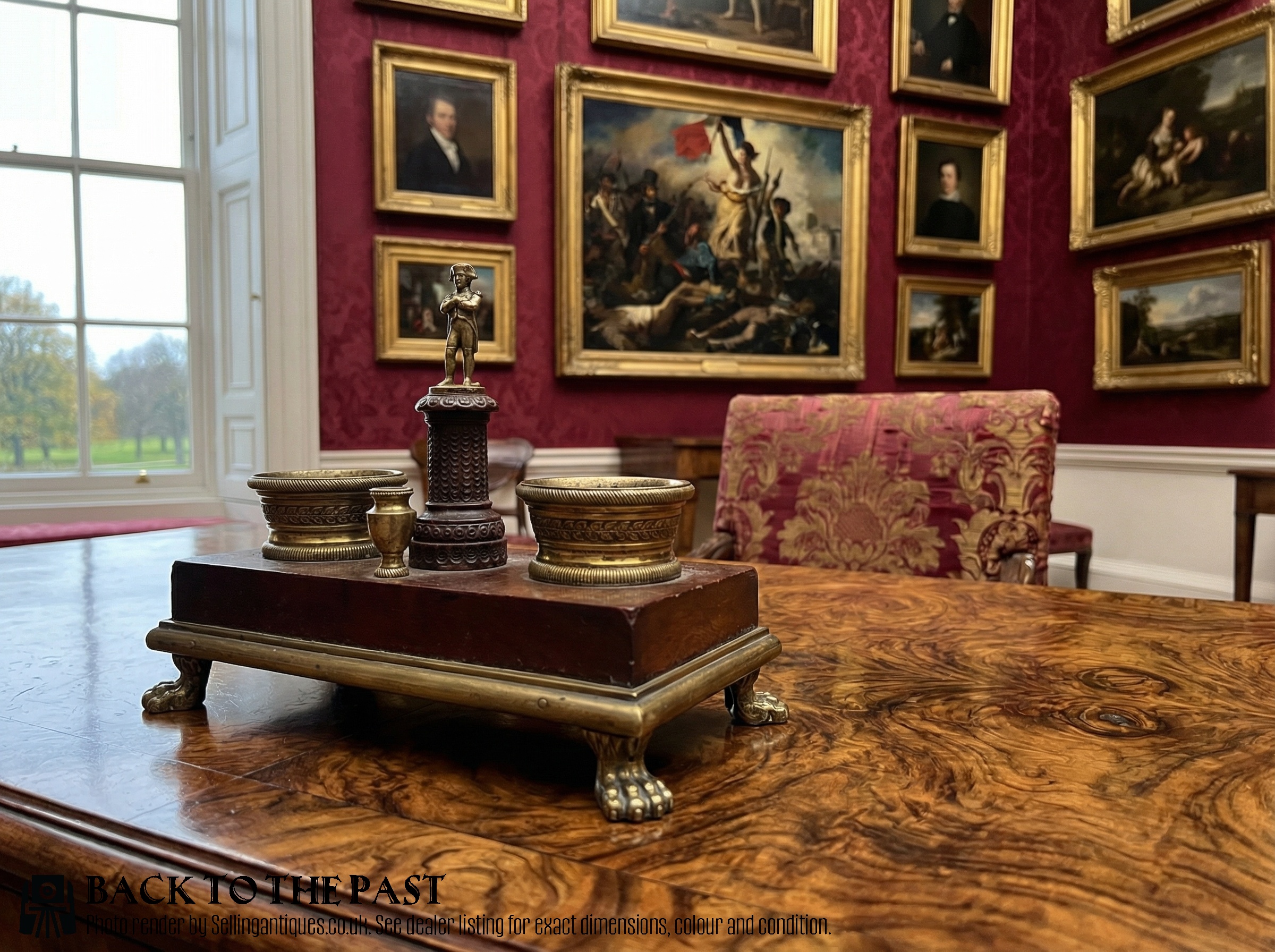
Understanding the brass desk tidy
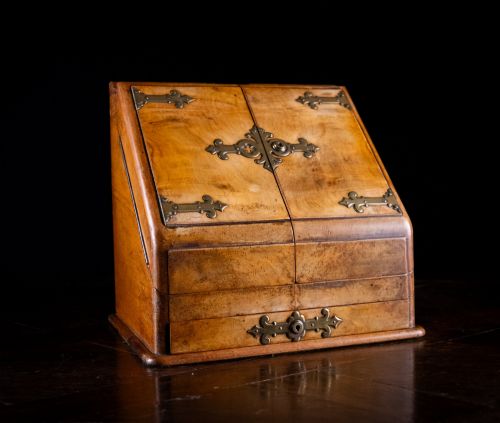
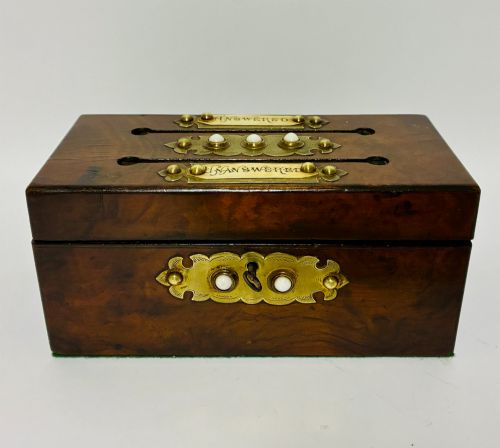
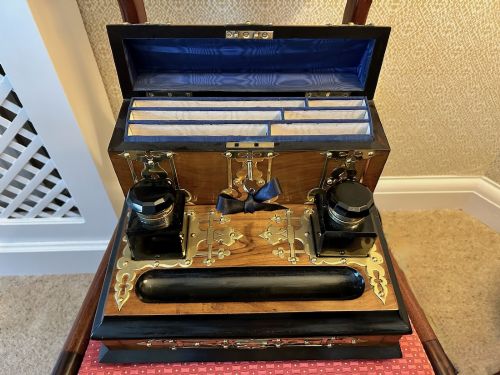
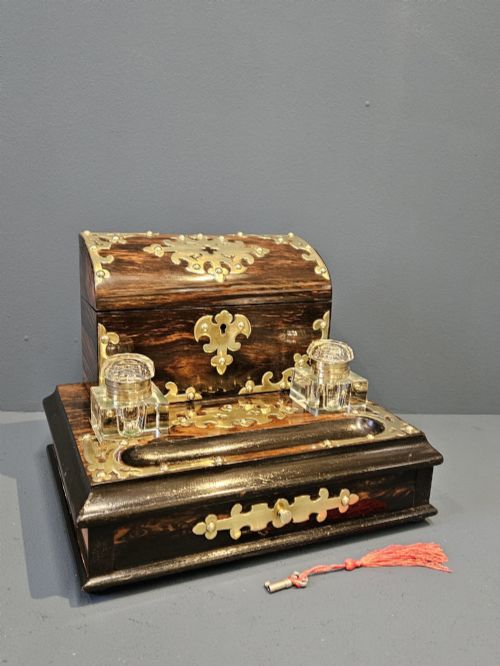
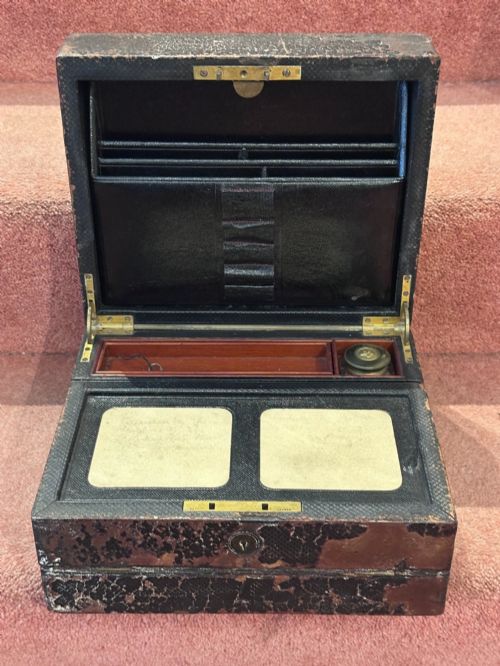
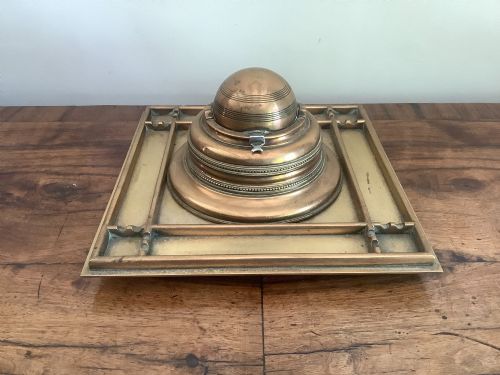
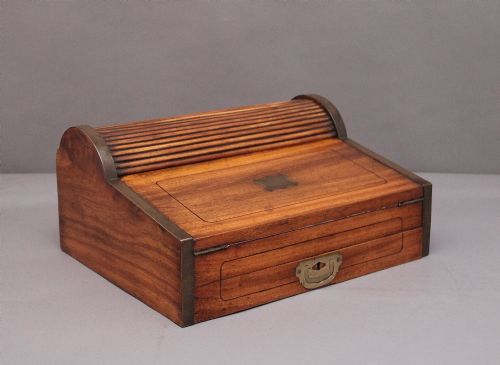
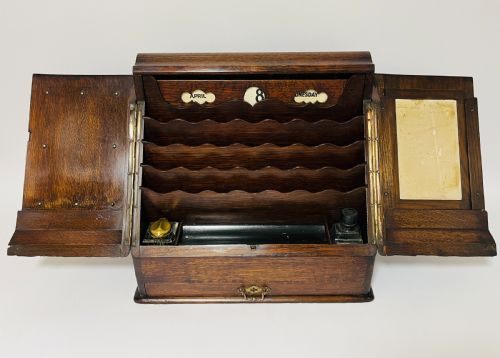
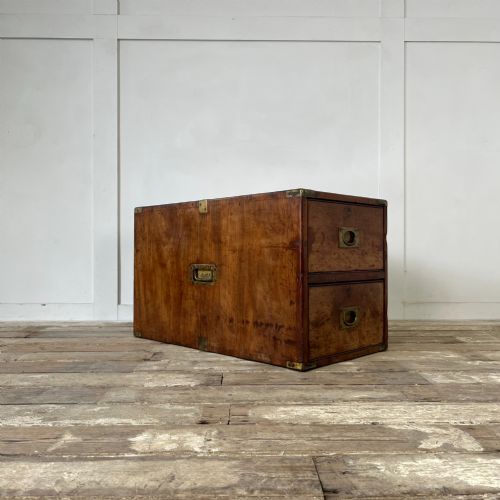
A brass desk tidy brings order to the writing table, grouping inkstands, letter racks, and stationery caddies into a single functional station. The pieces seen here span the Victorian, Edwardian, and turn-of-the-century periods, capturing the varied domestic and study habits of the nineteenth and early twentieth centuries.
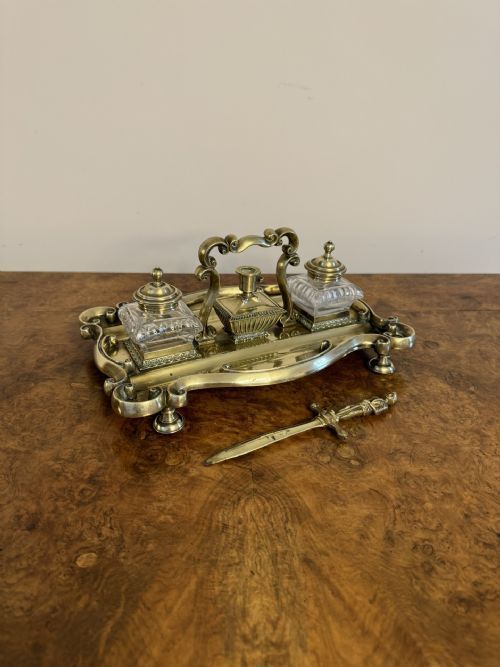
Most examples combine polished or cast brass with timber bases such as mahogany and oak, while others incorporate glass or bronze liners. Forms range from twin ink stands with pen rests to elaborate letter racks and stationary boxes influenced by French Empire and Rococo Revival styles.
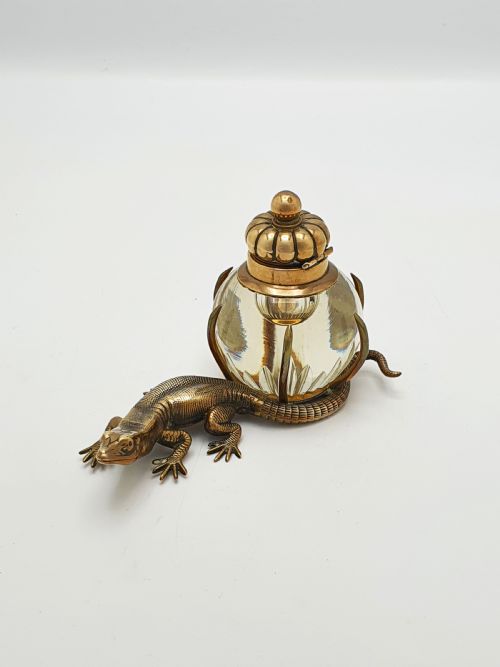
Buyers will encounter both English and French pieces, some featuring figural elements like ducks with glass eyes or cabochon stones. These accessories reflect the formal correspondence rituals of past eras, serving equally as decorative desk centerpieces and practical organisers.
Materials and construction
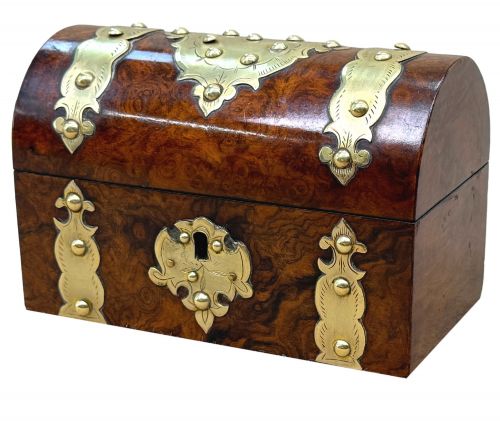
Makers utilised heavy cast brass for structural frameworks, handles, and decorative mounts, frequently pairing the metal with turned mahogany or oak wooden bases. Ormolu accents and polished brass mesh add textural contrast, while inset glass inkwells and bronze liners provide the functional inner components.
Construction techniques combine traditional metal casting, turning, and joinery to secure brass letter dividers and pen rests onto wooden trays. Details such as turned handles and cabochon stone inlays demonstrate the deliberate hand assembly typical of nineteenth and early twentieth-century workshop production.
Retail Price Guide 2026
Typical UK retail prices for brass desk tidy, calculated from the Sellingantiques database of over a million retail prices indexed since 2003. This retail price guide relies exclusively on Sellingantiques data; no external sources or auction records are used, so the figures do not describe the wider market.
Some Edwardian desk tidies feature brass ducks fitted with real glass eyes to watch over your letters.
Assessing quality
Quality reveals itself in the weight of the cast brass and the crispness of chased or ornate details on handles and racks. Superior pieces display substantial metal gauge and tight, precise fitting between the brass components and the mahogany or oak wooden bases.
The sophistication of the design dictates desirability, distinguishing standard utilitarian models from ambitious French Empire or Rococo Revival interpretations. Original matching elements, such as glass inkwells and bronze liners, elevate an example by preserving its complete intended form.
The Brass Desk Tidy Glossary
- Ormolu
- Gilded bronze or brass applied to decorative objects and furniture mounts. It gives a rich, golden surface finish.
- Inkstand
- A tray or stand holding inkwells, pen rests, and sanders for writing. They sit centrally on a desk.
- Stationery caddy
- A box or lidded rack designed to hold writing paper and envelopes upright. These keep correspondence neat.
- Cabochon
- A gemstone or piece of glass shaped and polished instead of faceted. They add coloured accents to metalwork.
Frequently Asked Questions
What is a brass desk tidy?
A brass desk tidy is an antique desk accessory designed to hold writing equipment like inkwells, pens, and letters.
These pieces combine metalwork and wood to organise nineteenth-century correspondence.
How were they used?
They sat on writing desks to keep ink, blotting paper, and letters neatly contained during daily correspondence.
Users dipped pens into associated inkwells and sorted incoming mail into built-in letter racks.
How do I date a desk tidy?
Dating relies on identifying stylistic markers like Rococo Revival curves or Edwardian oak construction.
Materials such as ormolu, mahogany, and specific glass insert types also point to particular decades.
Are inkwells usually included?
Many surviving pieces retain their original glass or bronze inkwells, though some lose them over time.
Complete sets with matching liners and pen rests are particularly sought after by collectors.