

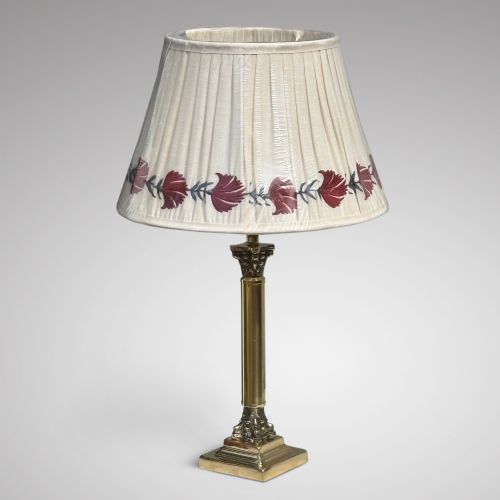
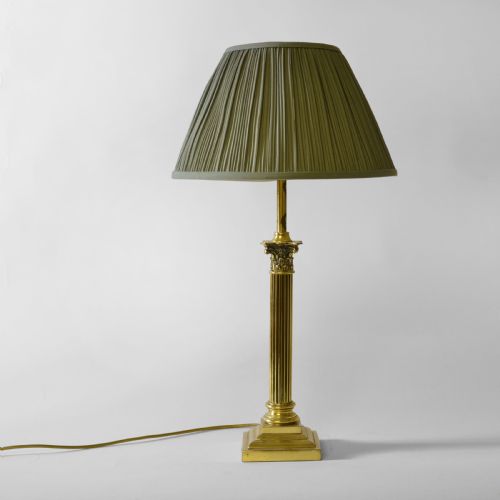
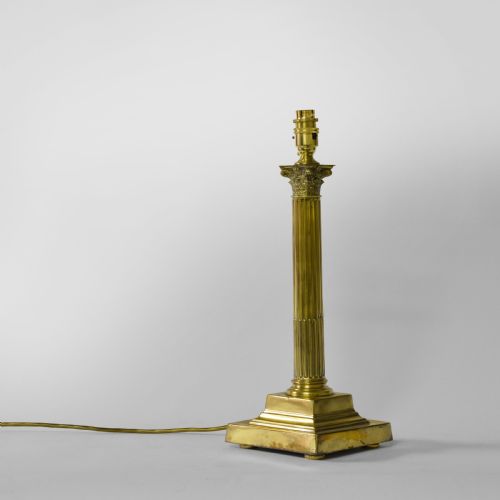

Brass Corinthian Desk Lamp
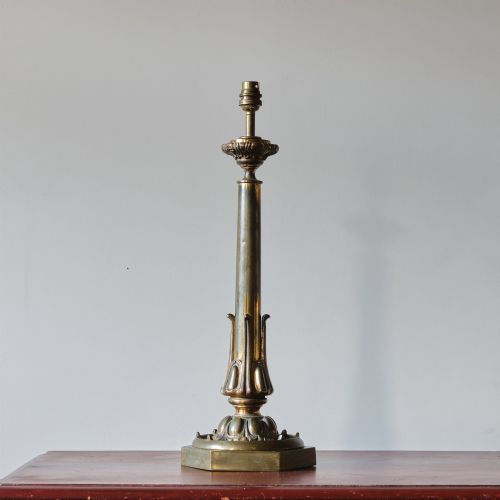
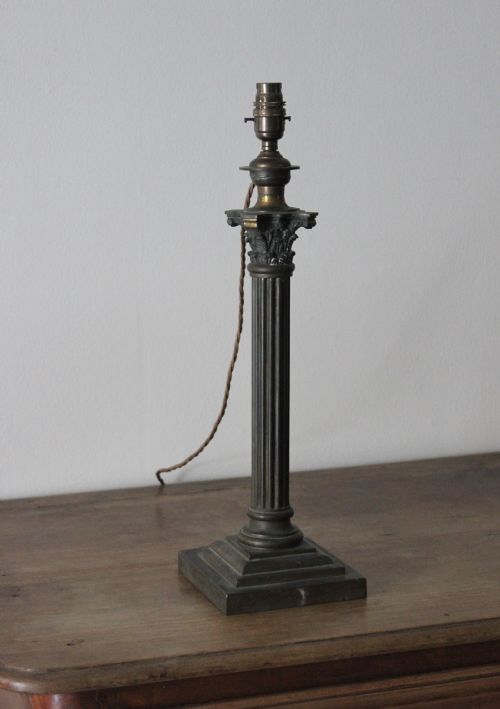
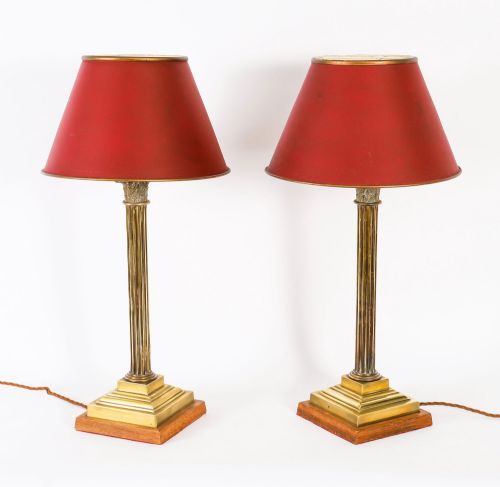
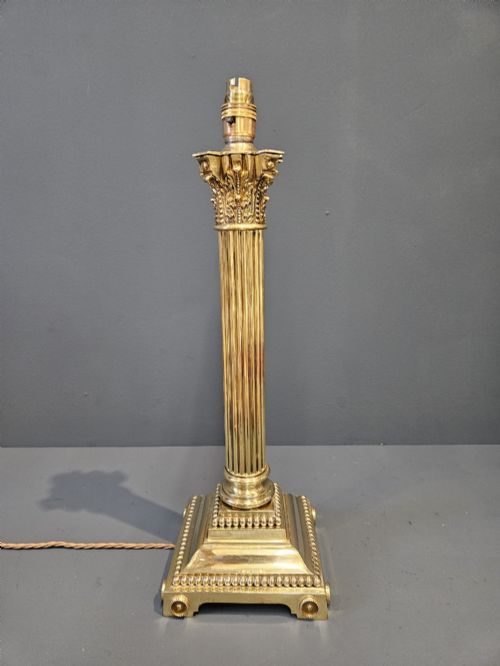
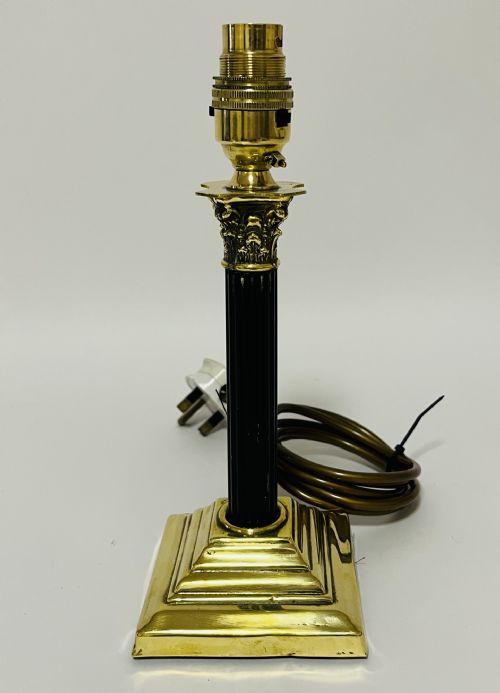
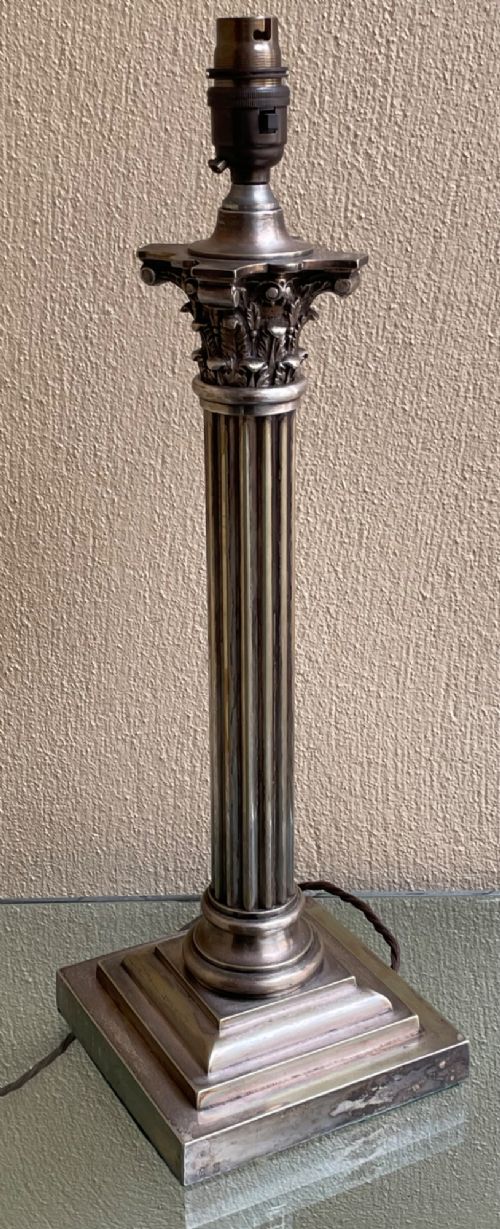
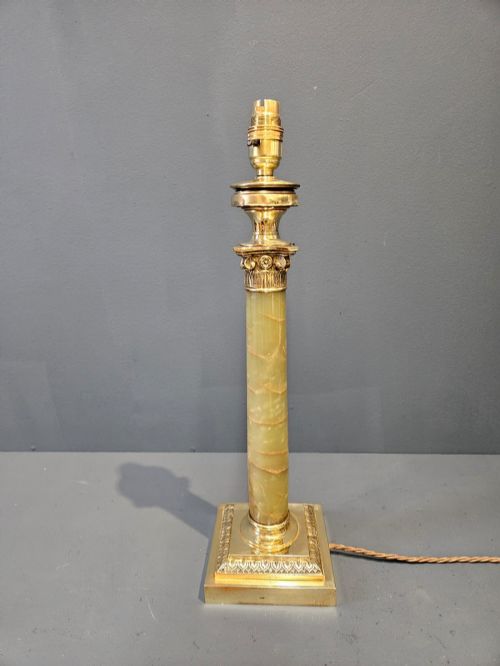
A brass corinthian desk lamp brings classical architecture into a room, offering sturdy metal columns topped with ornate capitals.
Brass Corinthian Desk Lamp
Buyers seeking a brass corinthian desk lamp encounter classic columnar lighting that draws heavily on antique architectural motifs. These pieces span the nineteenth century, the Victorian era, and into the early twentieth century.
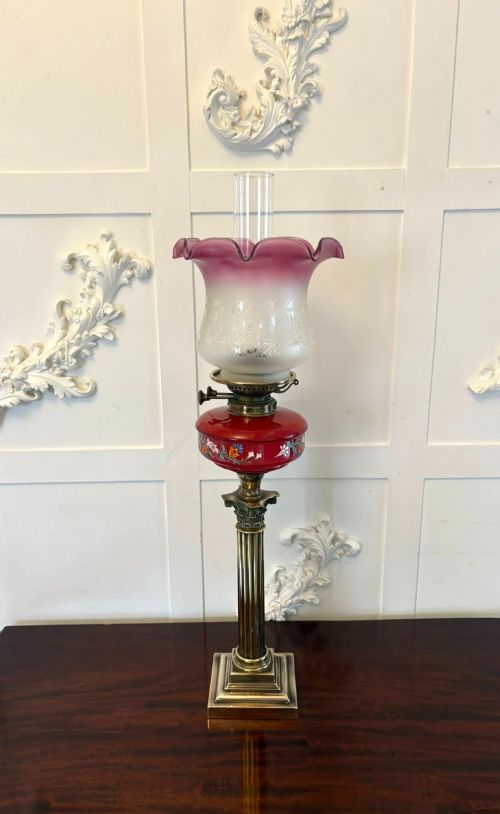
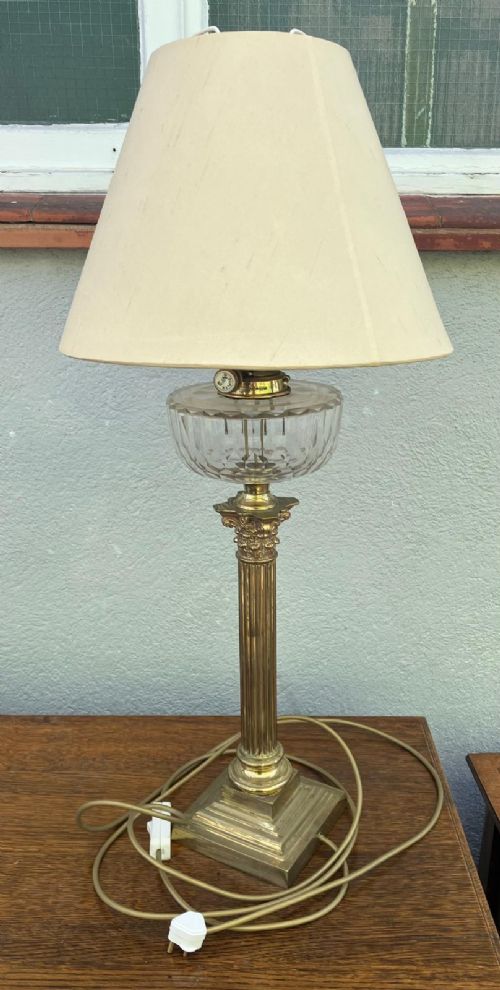
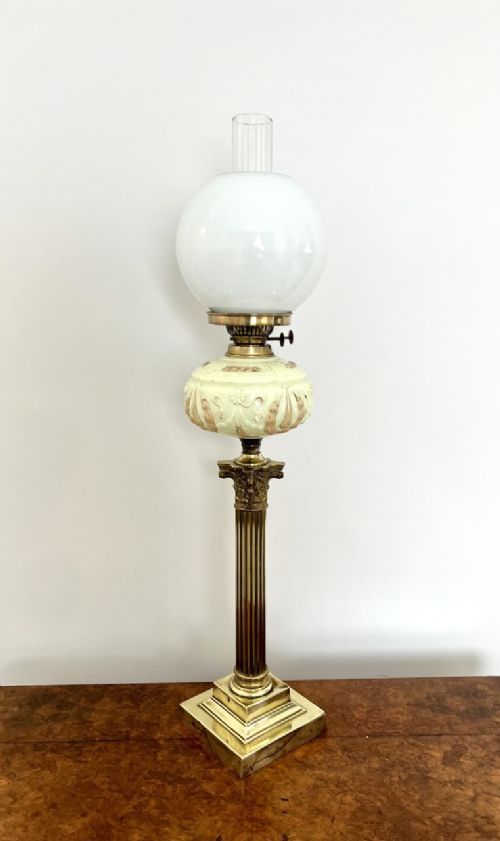
The most common form on this page is the column table lamp, often adapted from earlier oil lamps. These items bring substantial weight and height to a workspace or surface.
Originating during periods of deep classical revival, these lamps reflect the Victorian and Edwardian fascination with ancient Greek and Roman design. They appear frequently in pairs or as single tall statement columns.
Materials and construction methods
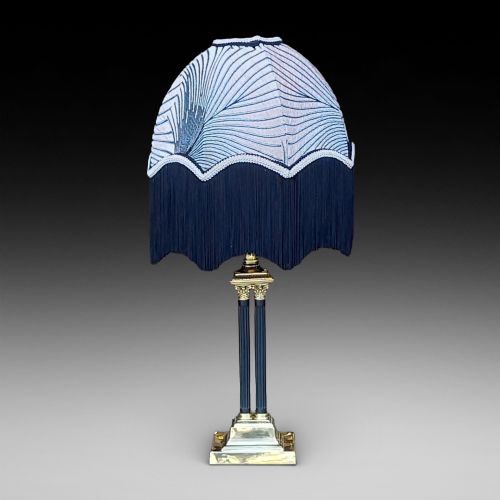
Construction relies heavily on cast brass, often combined with marble bases, glass reservoirs, and silver plating. Metal components are cast in sections before being assembled into rigid multi-pillar shafts.
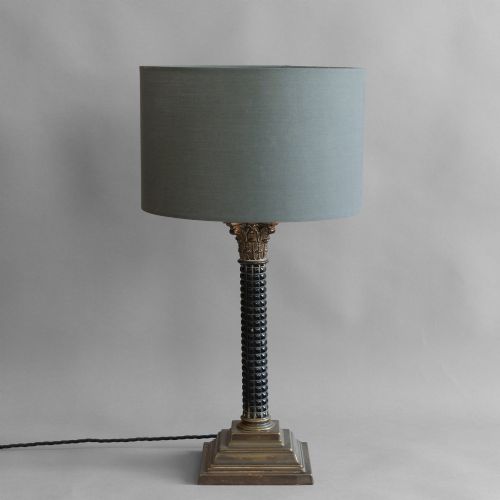
Many examples started life as paraffin or oil lamps before being converted to electricity later in their operational lives. Makers incorporated cut glass and crystal sections directly into the metal framework for added visual texture.
Brass Corinthian Desk Lamp Retail Price Guide 2026
Typical asking prices for brass corinthian desk lamp among the pieces listed under this phrase on Sellingantiques today, from the lower quarter to the upper quarter. They describe what is for sale here now, not the wider market.
Listings span periods from the mid-nineteenth century through the Edwardian era and into the 1930s, using brass, glass, marble, and silk.
Distinguishing quality factors
Quality rests upon the crispness of the cast detailing on the capital and the overall scale of the metalwork. Heavy gauge brass and substantial marble bases separate standard production from impressive large-scale items.
The integration of materials also dictates standing value, where clear cut glass reservoirs or maker stamps elevate a piece above simpler utilitarian lighting.
The Brass Corinthian Desk Lamp Glossary
- Capital
- The decorative topmost member of a classical column, carved or cast with acanthus leaves and scrolls in the Corinthian manner.
- Reservoir
- The container that held oil or paraffin on earlier iterations before electrical conversion.
- Neoclassical
- A style originating from the revival of classical architecture and art, strongly influencing Victorian and Edwardian lamp designs.
- Silver plate
- A thin layer of silver applied over a base metal core such as brass, seen on select refined table lamps.
Brass Corinthian Desk Lamp: Frequently Asked Questions
Are these lamps converted from oil?
Many examples began as nineteenth-century oil or paraffin burners before receiving modern electrical wiring.
This conversion allows period lighting to function safely in contemporary interiors while retaining its original character.
How do I date my lamp?
Dating relies on examining the weight of the brass, the style of the capital, and accompanying materials like marble or glass.
Victorian and Edwardian specimens often display distinct casting techniques that separate them from later twentieth-century reproductions.
Do these lamps come in pairs?
Listings frequently feature matching pairs alongside single tall columns.
Pairs typically originate from grander nineteenth-century drawing rooms where symmetry on side tables or desks was preferred.
What materials are used besides brass?
Makers frequently incorporated glass, crystal, marble, and silver plating into the metal structure.
These supplementary materials provided colour contrast and added structural heft to the tall column bases.