
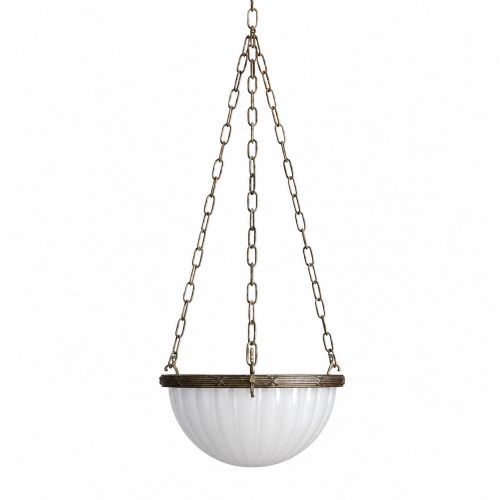
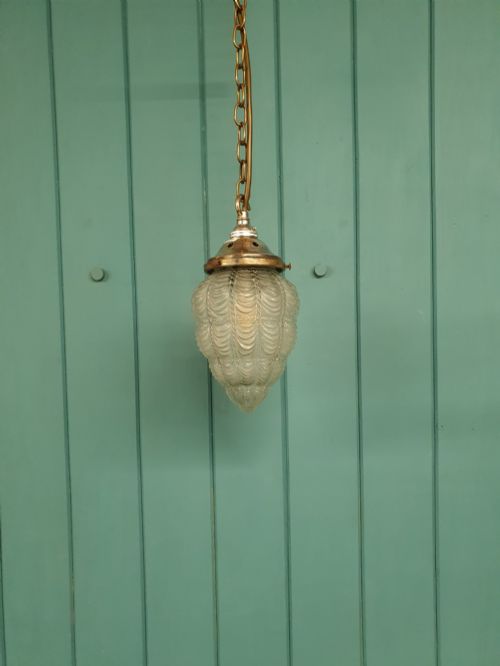


Brass Chain Pendant Light
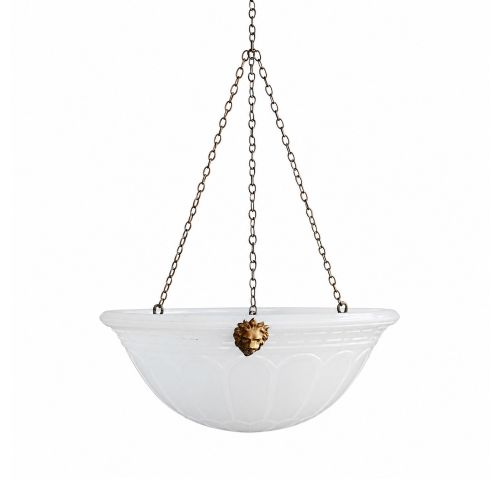
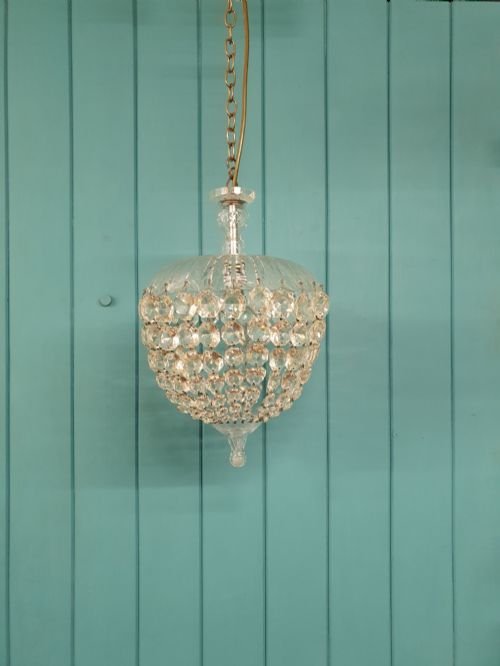
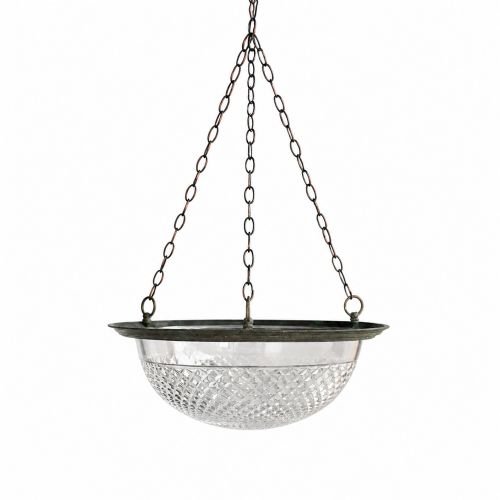
A brass chain pendant light hangs with period character, offering functional illumination through materials like cut glass and opaline.
Brass Chain Pendant Light
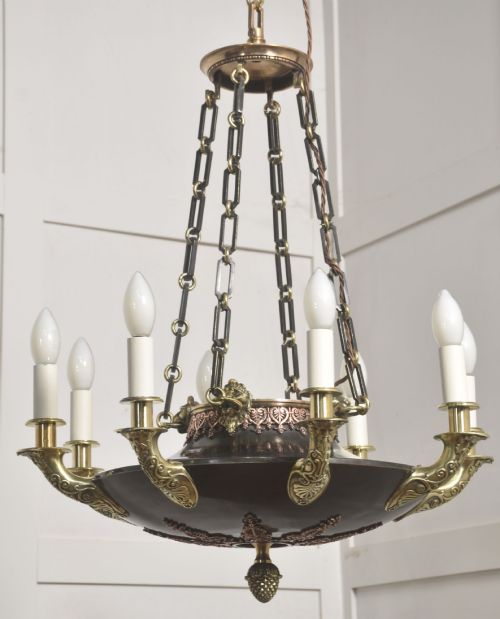
When you search for a brass chain pendant light, you are looking at ceiling fixtures suspended on links, originating from periods spanning the Victorian era through the 1930s. The selection includes styles such as Edwardian, Art Deco, Empire Revival, and Arts and Crafts.
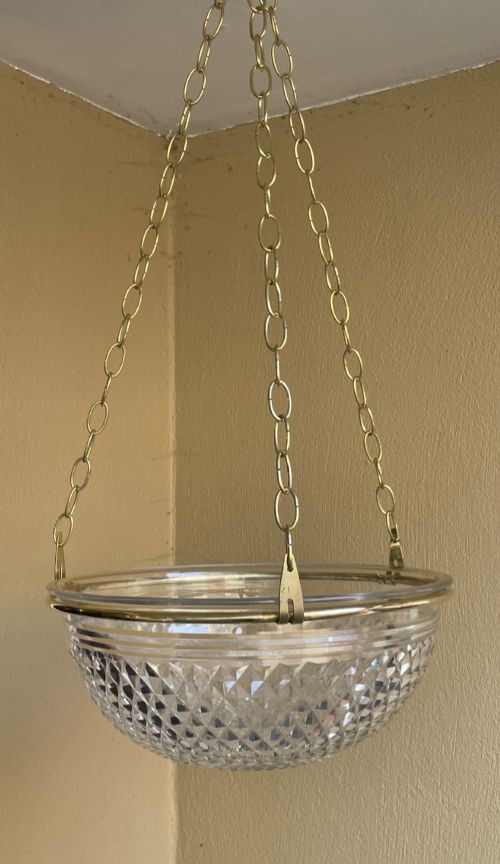
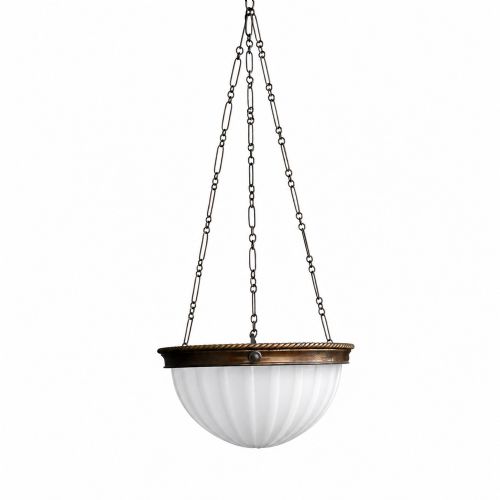
The most common versions met on this page are early 20th-century English and French examples utilising glass shades like moonstone, prismatic, and opaline. These range from small pendant lights to larger hall lanterns and chandeliers.
How they were made
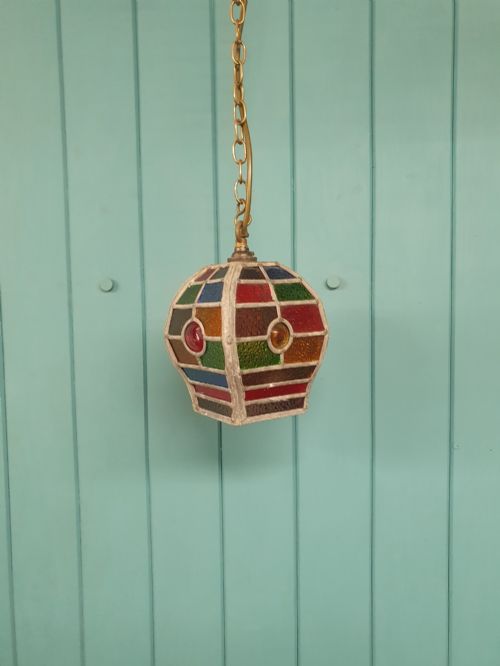
Makers constructed these fixtures using brass and various metals combined with moulded, cut, or stained glass. Lead held together pieces in leaded stained glass porch lanterns.
Shades were formed in specialised moulds or cut by hand, producing textures such as frosted, opalescent, and prismatic finishes. Metalwork involved casting and soldering brass components to support the weight of the glass bowls and shades.
Brass Chain Pendant Light Retail Price Guide 2026
Typical asking prices for brass chain pendant light among the pieces listed under this phrase on Sellingantiques today, from the lower quarter to the upper quarter. They describe what is for sale here now, not the wider market.
Object forms span basic pendant lights, ceiling lanterns, plafonniers, and multi-light chandeliers in styles ranging from Art Deco to Arts and Crafts.
What varies in quality
The weight and gauge of the brass framework separate robust fixtures from lighter alternatives. Heavier cast metals and thicker chains indicate sturdier construction.
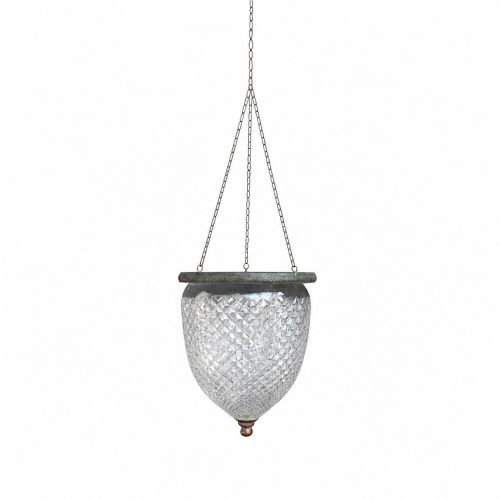
Glass quality differs between standard pressed bowls and heavy cut or moulded glass displaying crisp patterns and depth. Superior examples feature refined details in the metal mountings and high clarity in the glass shades.
The Brass Chain Pendant Light Glossary
- Plafonnier
- A ceiling light fixture with a bowl-shaped shade mounted close to the ceiling or suspended by short chains. These direct light downwards into the room.
- Holophane
- A brand of ribbed or prismatic glass designed to diffuse light efficiently while reducing glare. It appears frequently in Edwardian industrial and domestic pendants.
- Moonstone glass
- An opalescent white glass type that diffuses a soft, ethereal glow resembling moonlight. It is commonly found on early 20th-century English hanging lights.
- Chandelier
- A branched decorative ceiling fixture designed to hold multiple lights. Empire Revival and various period pieces use this format to illuminate larger spaces.
Brass Chain Pendant Light: Frequently Asked Questions
How do I hang a brass chain pendant light?
Suspension relies on securing the ceiling canopy to a joist or suitable ceiling box that can bear the weight of the metal and glass. The chain links allow you to adjust the overall hanging height to suit your room.
Professional electrical installation is recommended to ensure the internal wiring safely connects to your mains supply.
What rooms suit these ceiling lights?
Smaller glass pendants and hall lanterns work well in narrow hallways, entryways, or compact spaces where headroom is limited. Larger chandeliers and multi-light fixtures fit dining rooms or living spaces with higher ceilings.
The diffused glow from opaline or frosted glass creates ambient illumination suitable for domestic interiors.
How do I date an antique pendant light?
Dating relies on stylistic clues such as the geometric patterns of Art Deco pieces or the heavy ornamentation of Victorian and Edwardian designs. Materials like leaded stained glass and moonstone glass also point to specific manufacturing decades.
Examining the construction methods of the brass mounts provides further confirmation of the period.
Are these lights compatible with modern bulbs?
Most antique fixtures accept standard modern LED or incandescent bulbs provided the wattage matches the capacity of the original lampholder. You should check the interior space of the glass shade to ensure the bulb size fits comfortably.
Rewiring with contemporary flex is often necessary for safe daily use.