



Faceted Glass Chandelier
A faceted glass chandelier brings brilliant refraction and period presence to a room, catching light through cut crystal and bevelled glass.
Faceted Glass Chandelier
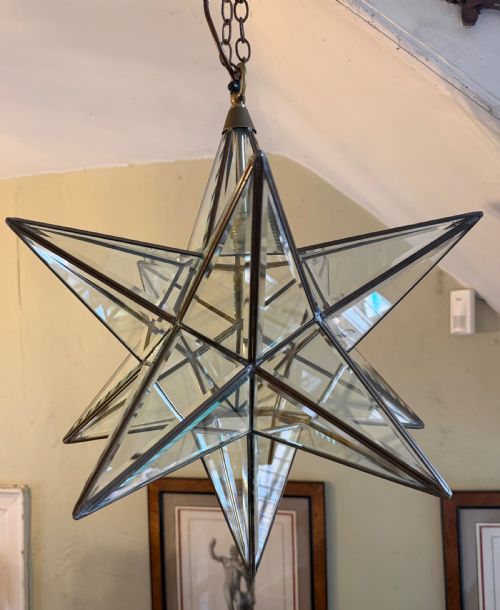
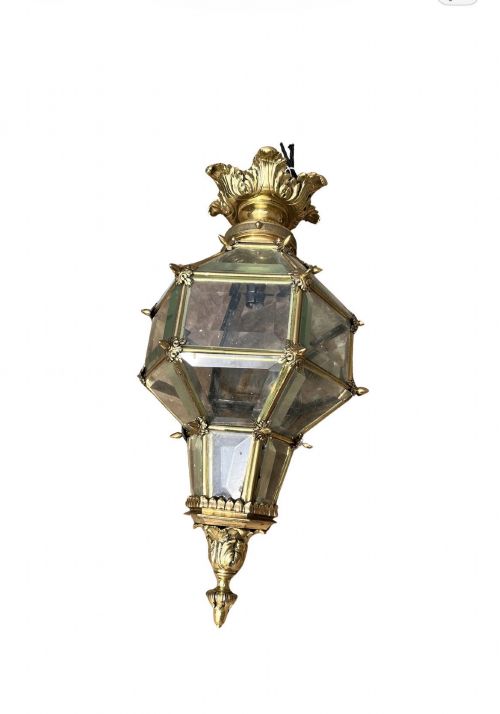
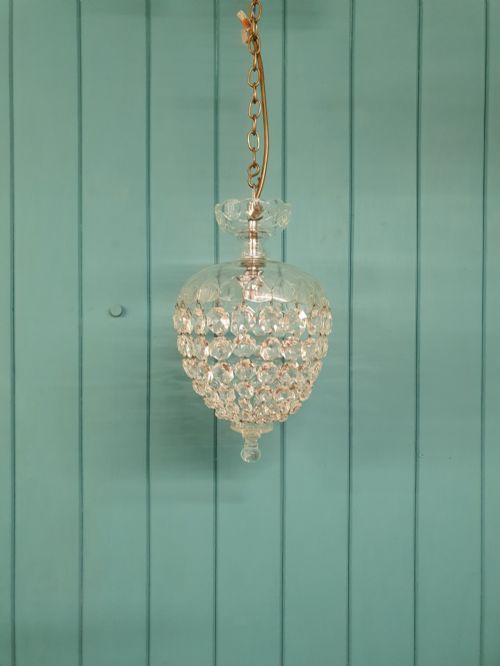
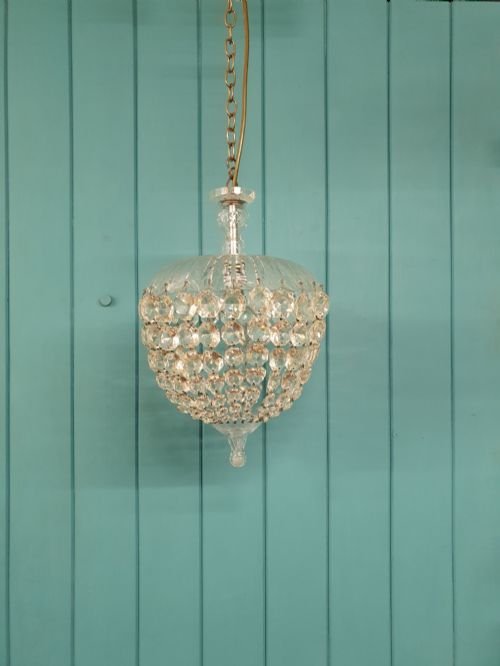
A faceted glass chandelier offers striking illumination through hanging prisms, cut crystals and glass panes set into metal frames. Buyers searching for a faceted glass chandelier encounter varied forms ranging from tent and bag arrangements to star lanterns and dome top fixtures.
The pieces on this page span from the late nineteenth century into the twentieth century, encompassing Edwardian examples, French Chateau styles and Maria Theresa chandeliers. Brass, bronze and metal frames support the glass elements, creating varied silhouettes from simple pendants to large Bohemian centrepieces.
How they were made
Makers constructed these fixtures using brass, bronze and metal frames designed to hold glass panels, cut crystals and hanging prisms securely. Components such as bevelled glass, lead crystal and frosted glass required precise cutting and setting within the metal framework.
Meticulous assembly ensured that elements like Moroccan star lanterns and tent and bag structures hung with balanced weight and optimal light refraction.
Faceted Glass Chandelier Retail Price Guide 2026
Typical asking prices for faceted glass chandelier among the pieces listed under this phrase on Sellingantiques today, from the lower quarter to the upper quarter. They describe what is for sale here now, not the wider market.
Listings feature brass and bronze frames combined with lead crystal, cut glass, and bevelled glass across Edwardian and early twentieth century periods.
What varies in quality
Quality in these chandeliers rests upon the depth of the glass cutting, the clarity of the crystal and the weight of the brass or bronze framing. Superior pieces demonstrate crisp bevelling and substantial metalwork that maintain structural integrity and enhance light dispersal.
Simpler twentieth century iterations utilise plain glass panels or lighter metal frames, whereas examples from Bohemian or Italian traditions showcase complex crystal configurations and coloured glass details.
The Faceted Glass Chandelier Glossary
- Bevelled glass
- Glass with an angled edge cut around the perimeter. This technique creates a prismatic effect that catches and splits light.
- Tent and bag chandelier
- A lighting fixture featuring a conical upper section resembling a tent dropping down to a gathered bag shape of hanging crystals. This classic form creates layered illumination.
- Maria Theresa chandelier
- An elaborate chandelier style typically characterised by flat metal arms covered in glass plates and held together by glass rosettes. These fixtures often incorporate coloured crystal accents.
- Prism
- A transparent optical element with flat polished surfaces that refract light. Prisms hang from chandeliers to scatter illumination across a space.
Faceted Glass Chandelier: Frequently Asked Questions
How do I hang a heavy crystal chandelier?
Suspension requires securing the fixture directly into a ceiling joist or using a designated ceiling rose rated for the total weight of the brass and glass.
Professional installation ensures the wiring and structural support safely bear the load of larger Bohemian or Italian pieces.
What rooms suit a star lantern?
Star lanterns work well in entrance halls, landings or high-ceilinged corridors where their geometric frames can be viewed from multiple angles.
The faceted glass panels project patterned light onto surrounding walls.
How do I clean an antique glass chandelier?
Cleaning involves wiping individual glass drops and panels using a lint-free cloth dampened with a mild water and vinegar solution while the fixture is unpowered.
Removing smaller crystals allows for thorough cleaning without straining the brass frame.
How do Edwardian chandeliers differ from earlier styles?
Edwardian lighting often incorporates lighter bronze or brass framing alongside frosted or bevelled glass panels, reflecting changing domestic tastes at the start of the twentieth century.
Earlier nineteenth century designs lean towards denser cut crystal arrangements and tent and bag configurations.