




Brass Castor Library Table
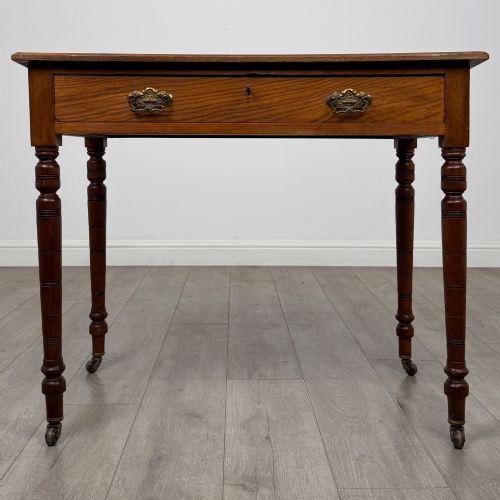
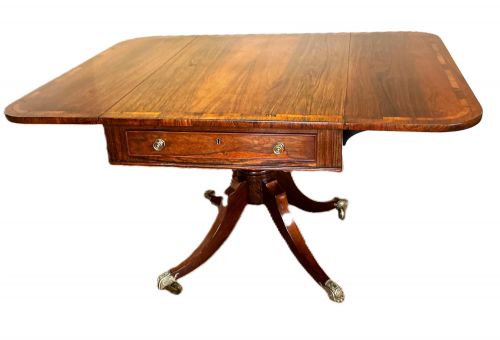
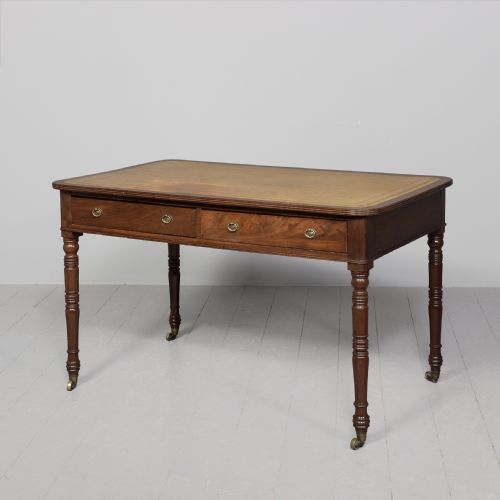
A brass castor library table is a substantial study piece moving easily on metal wheels, combining practical work surfaces with period timber construction.

Brass Castor Library Table
When you search for a brass castor library table, you encounter workspace furniture designed for serious reading, writing, and storage in period interiors. The selections span George III, Regency, George IV, Victorian, and Edwardian eras, reflecting the changing domestic requirements of these periods.
Origins trace through Georgian and Victorian workshops, with styles ranging from restrained Regency lines to heavier Edwardian revivals. Each piece retains the characteristic mobility provided by metal wheel mounts beneath the legs.
Materials and Construction Methods
Cabinet makers utilised dense hardwoods including mahogany, rosewood, and walnut for the primary carcases, often selecting figured timber veneers for table tops and drawer fronts. Secondary timbers such as oak provide structural rigidity to drawer linings and internal framing.
Metal components play a structural and decorative role, with cast brass used for wheel castors, handles, and occasional gallery rails. Inlays of boxwood and ebony, alongside gilded bronze mounts, add linear definition to borders and friezes.
Writing surfaces frequently integrate tooled leather panels inset directly into the timber tops. Joinery methods rely on traditional dovetailing for drawers and robust tenon joints for the underframes supporting the heavy timber tops.
Brass Castor Library Table Retail Price Guide 2026
Typical asking prices for brass castor library table among the pieces listed under this phrase on Sellingantiques today, from the lower quarter to the upper quarter. They describe what is for sale here now, not the wider market.
Drum tables and sofa tables represent the most frequent forms found in this category, often featuring multiple working drawers.
Evaluating Construction and Material Standards
The distinction between ordinary and exceptional pieces rests upon the choice of timber and the precision of the cabinet work. Highly figured mahogany or exotic rosewood veneers paired with crisp boxwood stringing indicate superior workshop production.
Hardware integration marks another key division in standard. Solid cast brass castors and original hand-turned drawer pulls demonstrate higher manufacturing standards than later replacements or pressed metal alternatives.
Structural integrity of the moving parts, such as smoothly operating drawer actions and stable pedestal or pillar mountings, separates well-maintained survivals from compromised examples.
Gillows·Marsh & Tatham
The Brass Castor Library Table Glossary
- Drum table
- A circular library table containing a rotating or fixed top with multiple drawers set into the deep frieze, resting on a central pillar.
- Sofa table
- A rectangular occasional table designed to stand in front of a sofa, typically featuring drop flaps on either side and paired underframe supports.
- Castor
- A small wheel mounted in a swivel housing at the base of a table leg to permit smooth rolling movement across floor coverings.
- Frieze
- The horizontal band beneath the table top that houses the drawer construction and connects the supporting legs or pedestal.
- Inlay
- A decorative technique where contrasting woods or metals are fitted flush into recessed channels within the primary timber surface.
Brass Castor Library Table: Frequently Asked Questions
What is a brass castor library table used for?
These tables served primarily as dedicated workspaces for reading, correspondence, and document management in period homes. Their heavy timber construction provided a stable writing surface while the metal wheels allowed the furniture to be repositioned near light sources or fireplaces.
Today they function effectively as central room desks, large sofa tables, or statement hall furniture. Their built-in drawers continue to offer practical storage for modern stationery and household items.
How do I tell a Regency table from a Victorian one?
Regency pieces, dating roughly from the early nineteenth century, typically exhibit cleaner classical proportions, crossbanded mahogany or rosewood veneers, and refined brass stringing. They lean toward architectural restraint and lighter visual weight.
Victorian examples from the later nineteenth century tend to be larger, heavier, and darker in tone, often utilising figured walnut or oak with bolder carved details and deeper drawer configurations. Edwardian revivals later borrow these earlier classical motifs while employing lighter internal framing.
Are the leather inserts original?
Many surviving tables retain their period leather writing surfaces, though centuries of use often necessitated replacement tooling. Original leathers show appropriate dry crazing, faded gilt tooling, and wear consistent with age.
When a replacement has been fitted during a past restoration, it is typically executed in traditional calfskin with hand-applied blind and gold tooling to match the style of the period timber.
How do I care for a mahogany library table?
Keep timber surfaces away from direct sunlight and extreme radiator heat to prevent the polished veneer from drying and splitting. Regular dusting with a soft, dry cloth preserves the wax finish without needing heavy silicone polishes.
Protect the inset leather surface from sharp objects and moisture by using coasters and blotters during daily writing tasks. Periodic application of microcrystalline wax will maintain the lustre of the mahogany carcase.