

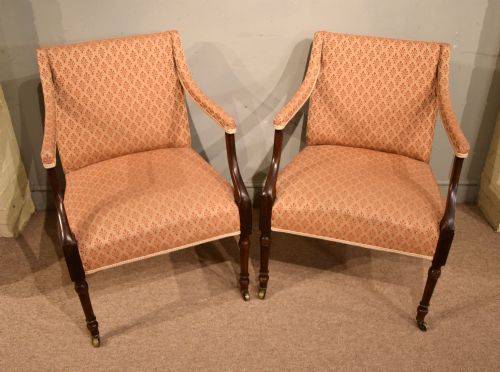
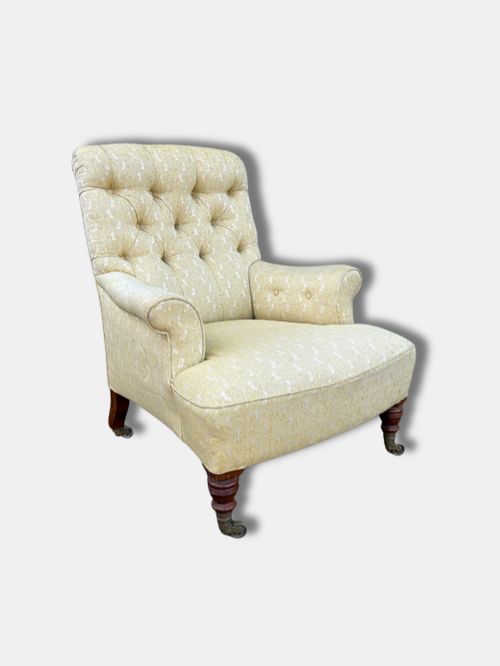
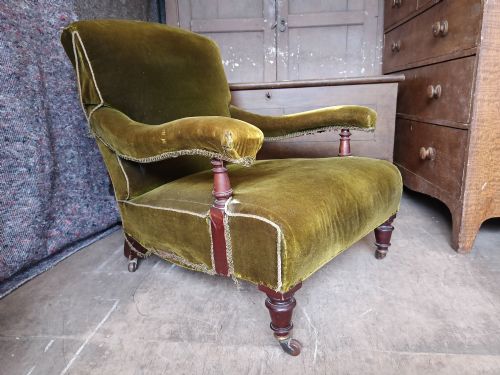


Brass Castor Accent Chair
A brass castor accent chair brings period character and substantial timber framing to a room, offering both practical seating and distinct historic style.
Brass Castor Accent Chair
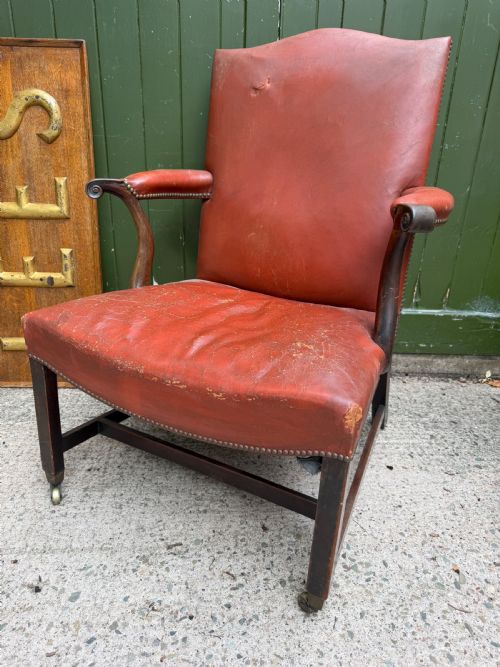
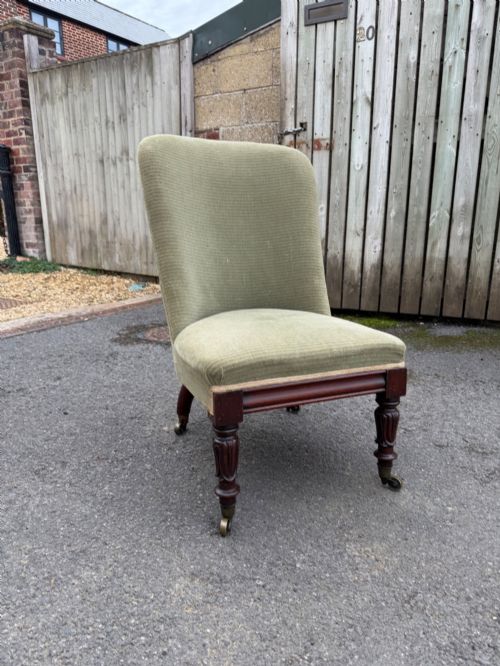
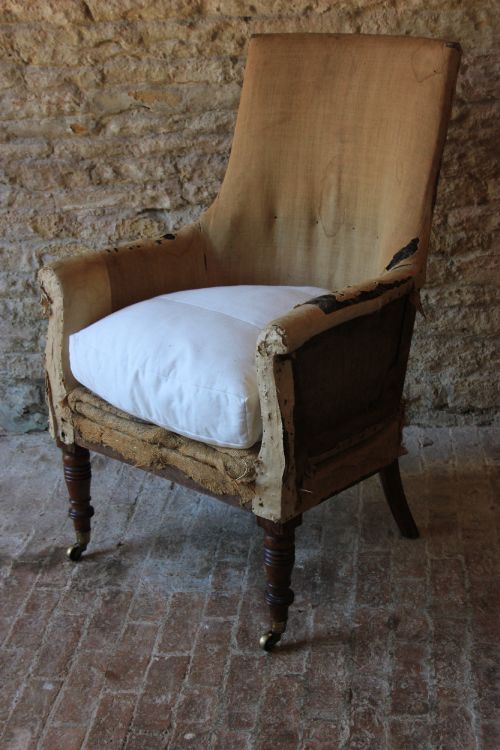
A brass castor accent chair encompasses a variety of seating forms designed for functional placement within a room, including library armchairs, slipper chairs, and nursing chairs. These pieces span multiple eras, with examples appearing from the Georgian, Regency, and Victorian periods.
The defining characteristic across these varied seating forms is the inclusion of metal wheel supports beneath wooden legs, paired with upholstered frames. Buyers searching for a brass castor accent chair will encounter both compact bedroom chairs and larger library seating.
Originating predominantly from nineteenth-century British workshops, these chairs combine functional mobility with decorative upholstery in materials such as velvet, leather, and textile. The presence of metal castors allows for easy movement across interior spaces.
Materials and construction methods
Construction relies heavily on durable hardwoods such as mahogany and walnut, which form the structural frames of the armchairs and side chairs. These timbers provide the necessary rigidity to support deep upholstery and frequent movement.
Brass serves as the primary metal for the castors fitted to the base of the legs, ensuring smooth rolling performance. Upholstery materials range from traditional horsehair and button-backed padding to contemporary velvet, leather, and linen coverings.
Some chairs arrived on wheels because Victorian rooms demanded flexible seating arrangements for impromptu fireside chats.
Assessing quality and craftsmanship
Quality in these seating pieces is determined by the crispness of the timber carving and the integrity of the underlying frame construction. Finer examples display superior joinery, balanced proportions, and high-grade primary woods like solid mahogany or walnut.
The refinement of the brass castor hardware and the execution of the upholstery contribute significantly to the overall distinction of the piece. Well-preserved frames retain their original structural tension and show careful attention to detail in the show wood and turned elements.
Howard and Sons·Hampton and Sons·Hindley and Sons·Miles and Edwards·Gillows·Thomas Sopwith
The Brass Castor Accent Chair Glossary
- Castor
- A small wheel mounted on a swivel assembly attached to the base of a chair leg to permit rolling movement. These are typically cast in brass on nineteenth-century seating.
- Bergère
- An enclosed armchair with upholstered sides and back, often featuring exposed wooden framing. This style frequently incorporates cane or textile panels.
- Slipper chair
- A low-seated upholstered chair originally designed for use in a bedroom or dressing room. They typically lack arms to accommodate voluminous nineteenth-century garments.
- Library chair
- A substantial armchair built for reading and study, often featuring generous proportions and padded armrests. Examples from the Regency and Victorian eras frequently utilise mahogany.
- Button back
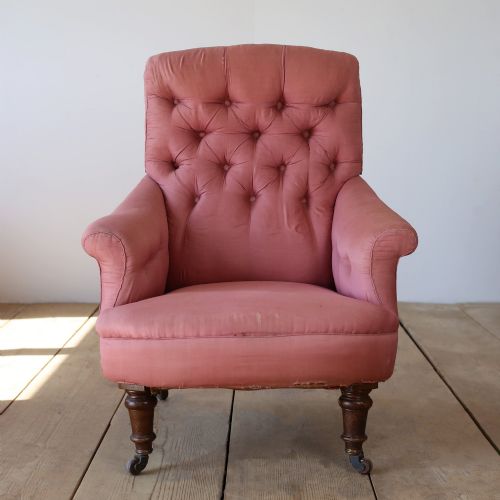
- An upholstery technique where indentations are formed in the padding by pulling buttons deep into the stuffing. This method creates a patterned tufted surface.
Brass Castor Accent Chair: Frequently Asked Questions
What periods do these chairs date from?
The pieces span multiple historical eras, with listings originating from the Georgian, Regency, and Victorian periods. Later examples extend into the Edwardian era and the early twentieth century.
Construction styles shift across these decades, moving from heavy mahogany library seating towards more compact bedroom chairs and slipper forms.
How were these chairs used historically?
These seating forms served specific domestic functions within period homes, ranging from reading in a library to dressing in a private chamber. Larger armchairs provided comfort in formal rooms.
Smaller side chairs and nursing chairs offered movable seating that could be repositioned easily around the hearth or dressing table using the fitted castors.
How do I identify a Victorian piece?
Victorian examples often feature robust hardwood frames paired with button-backed upholstery and turned wooden legs. The presence of iron or brass castors is common on these nineteenth-century designs.
Detailing frequently includes deep velvet coverings, decorative piping, and substantial proportions intended for formal parlour or library use.
What woods are commonly found?
Mahogany and walnut form the structural basis for the majority of these antique frames. These dense hardwoods provided the strength required for chairs subjected to daily domestic use.
Other listings record general hardwood and ebonised timber finishes, particularly on decorative bedroom and side chairs from the later nineteenth century.