


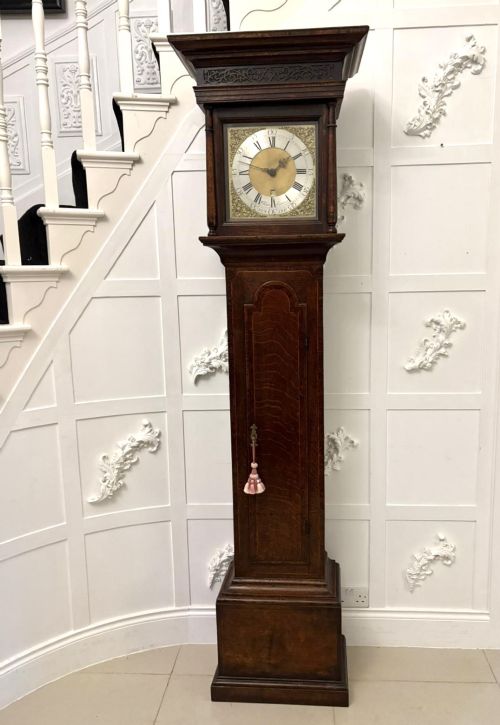
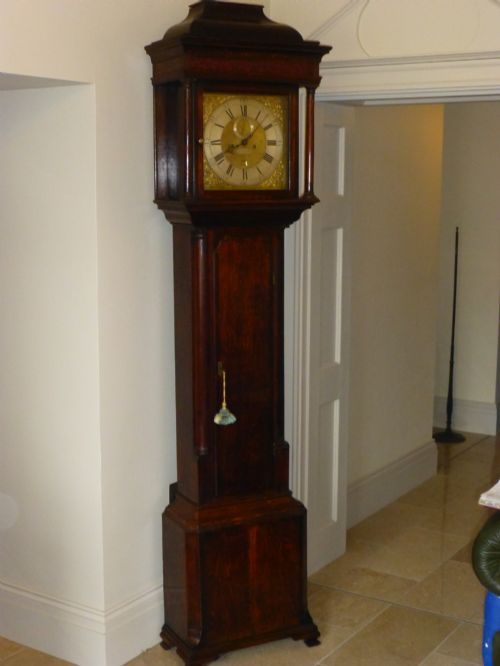
Brass Casing Clock
A brass casing clock brings mechanical precision and warm metalwork into a room, spanning grand floor-standing models and portable carriage timepieces.

Brass Casing Clock
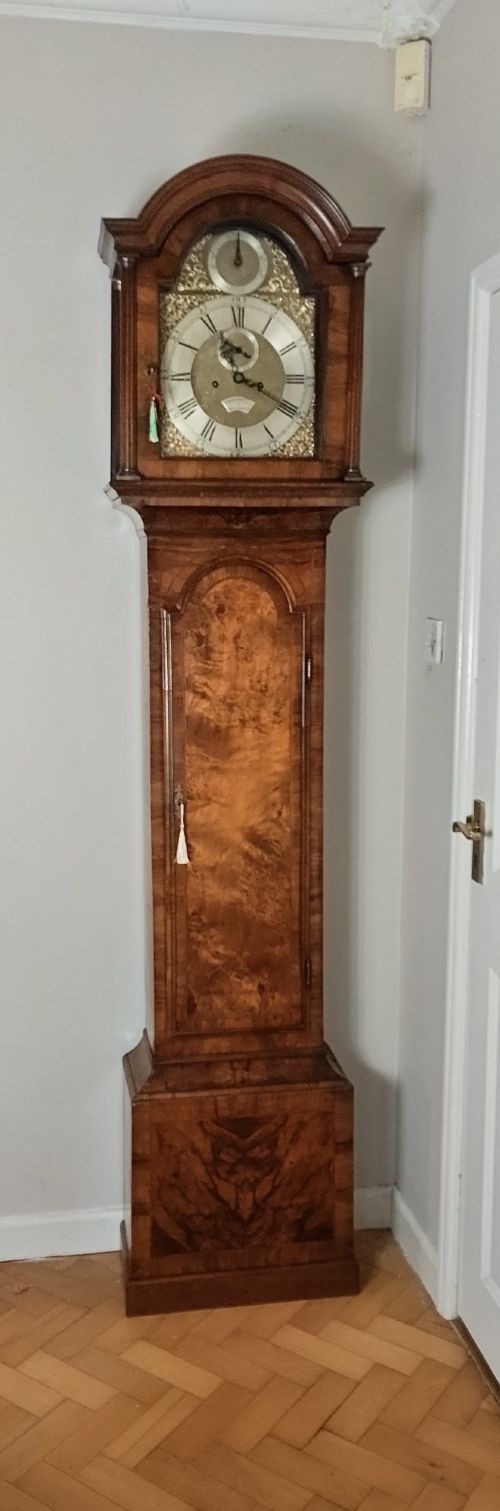
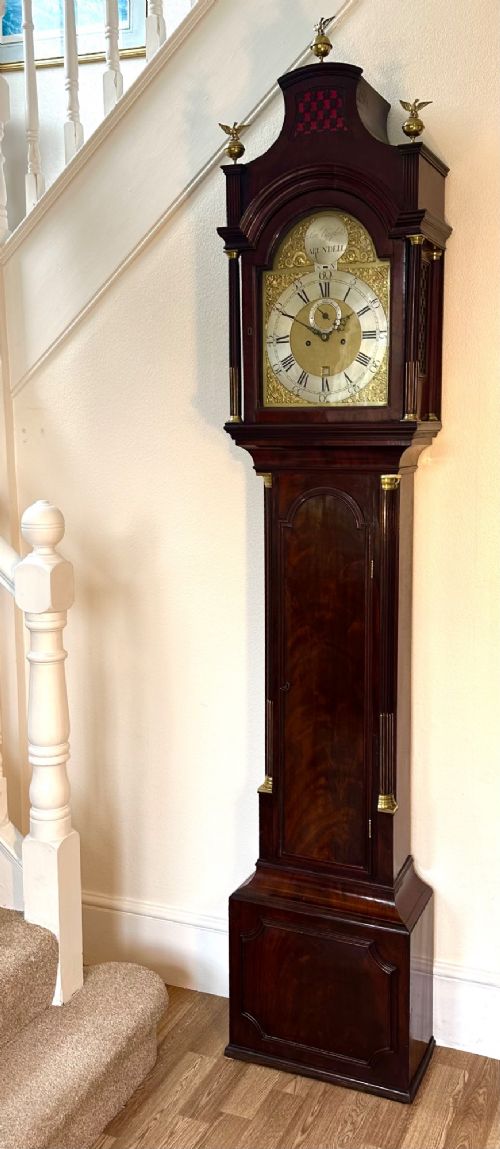
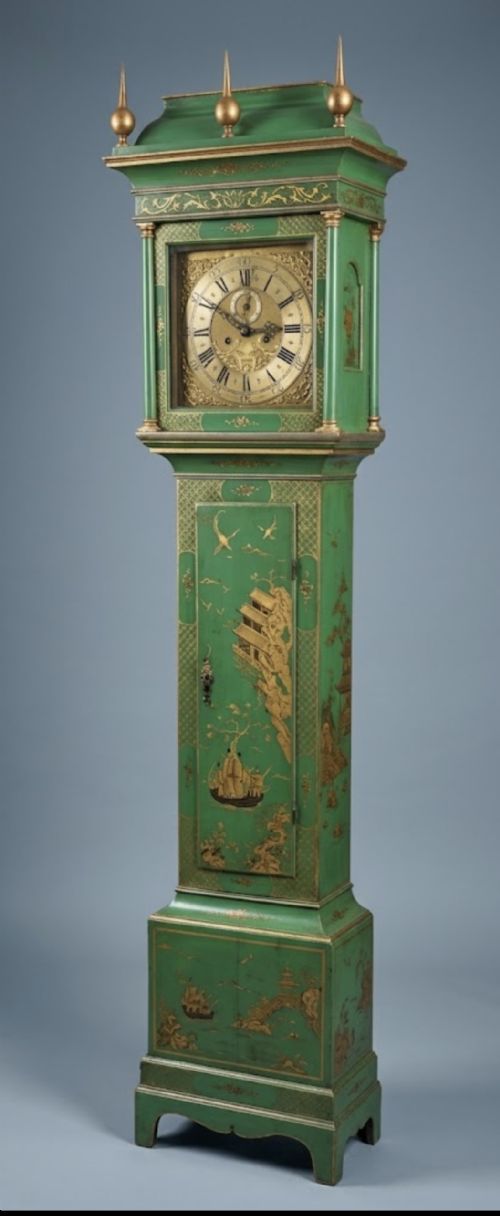
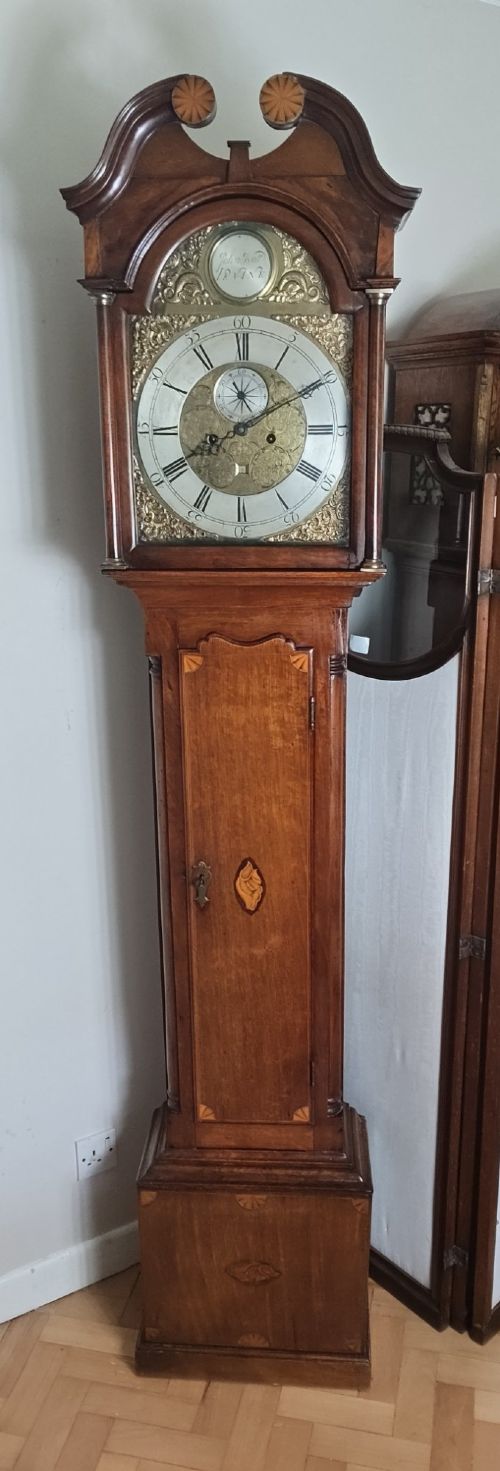
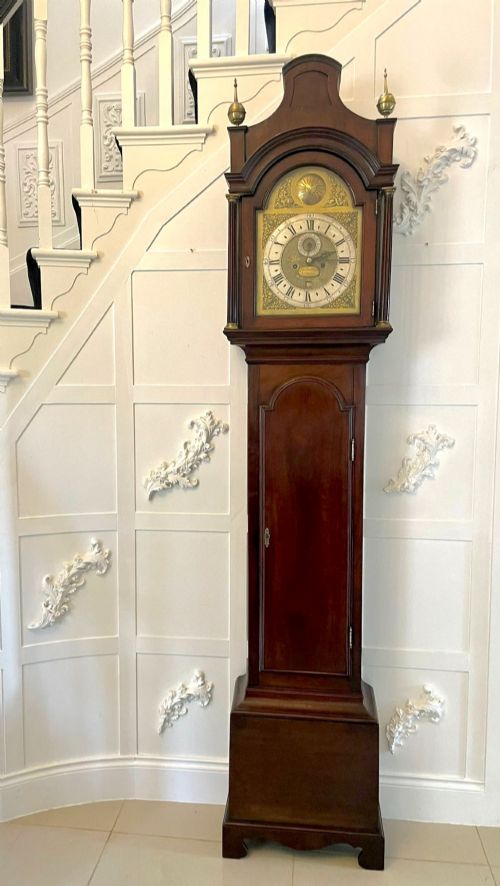
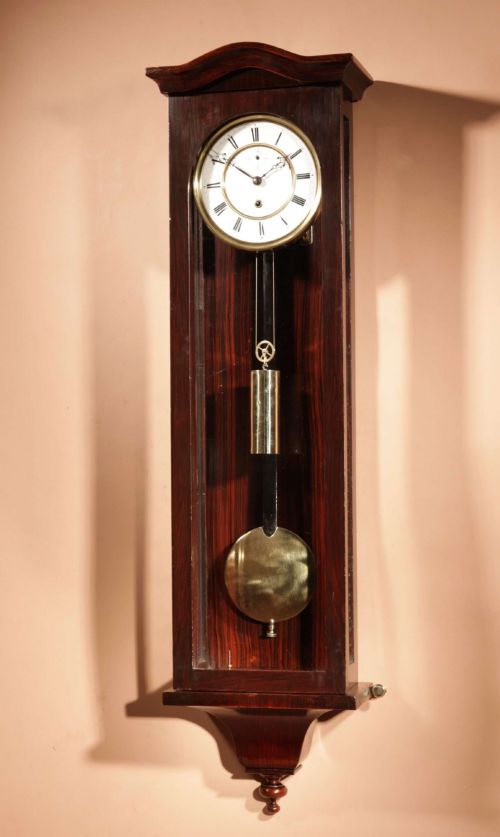
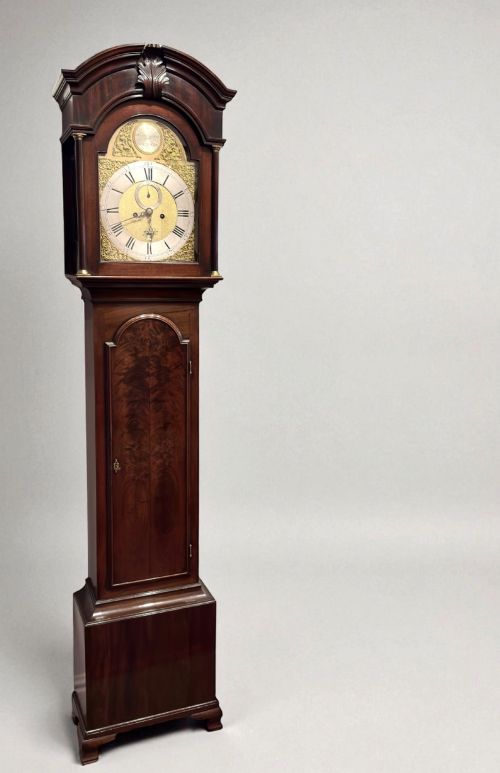
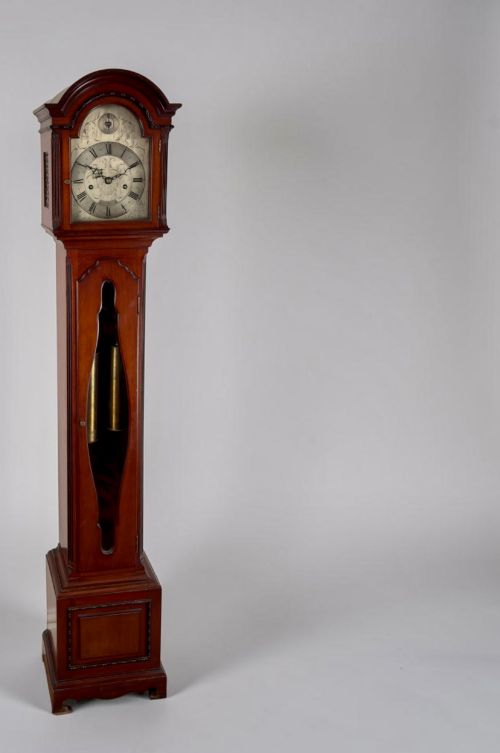
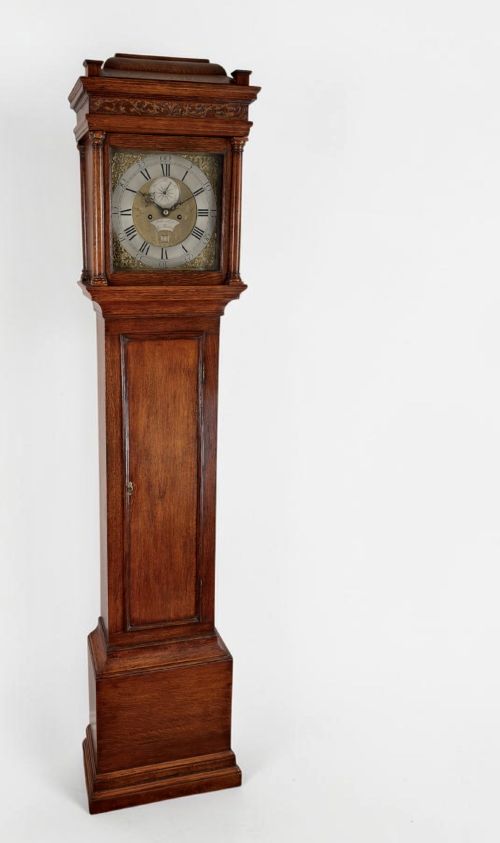
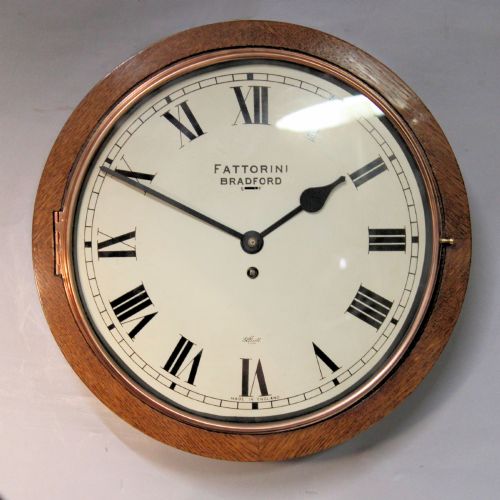
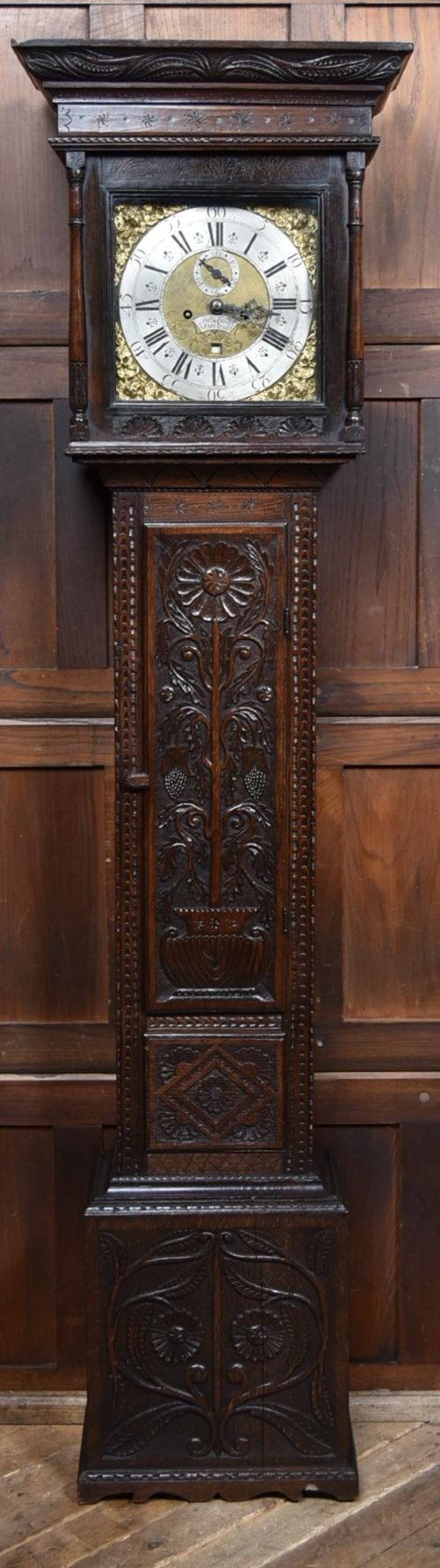
When you search for a brass casing clock, you encounter a variety of timepieces defined by their metal housings, dials, and bezels. The selection on this page ranges from tall floor-standing longcase and grandfather clocks to wall dials, bracket clocks, and portable carriage clocks.
The materials span oak, mahogany, walnut, and ebonised timber alongside glass and visible brass components. Pieces originate across the eighteenth, nineteenth, and early twentieth centuries, capturing Georgian, Victorian, and Edwardian aesthetic standards.
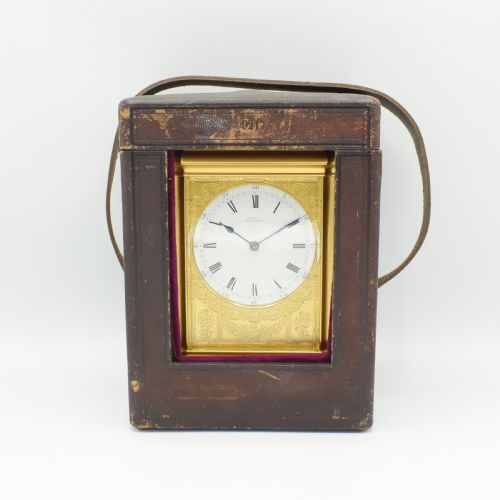
Tall longcase forms dominate the larger pieces, whilst brass-framed carriage clocks provide portable timekeeping with glass panels. Wall clocks and bracket models complete the selection, offering different scales for domestic interiors.
Materials and construction methods
Makers housed movements in solid timber cases or polished brass frames, often incorporating glass panels to display internal mechanics and dials. Oak, mahogany, and walnut supplied the structural bodies for floor and wall timepieces.
Dials combined engraved brass, painted enamel, and steel hands to track hours, minutes, and phases of the moon. Mechanical movements utilised brass wheels, plates, and escapements, powered by weights, springs, or fuses.
Listings feature brass casing clocks spanning the 18th, 19th, and early 20th centuries, utilising oak, mahogany, walnut, glass, and steel.
Assessing build quality and execution
Superior examples distinguish themselves through the crispness of dial engraving, the selection of figured wood veneers such as burr oak or walnut, and the refinement of the internal movement. Signed dials by recorded makers elevate a piece above standard workshop production.
Case proportions and timber choice also define standard versus high-grade items, with secondary woods and simpler joinery appearing on more utilitarian pieces. The complexity of the movement, such as musical mechanisms or quarter-striking capability, marks more ambitious horology.
Charles Shuckburgh·Gillett & Johnston·Lee of Great Marlow·Jn° Smith·Tait, Peebles·James Field·Richard Corless·Henri Jacot·James McCabe·Handley & Moore·William Jourdain·Winterhalder
The Brass Casing Clock Glossary
- Fusee
- A conical pulley used in spring-driven clocks to maintain even power as the mainspring unwinds. This mechanism helps ensure steady timekeeping accuracy.
- Carriage clock
- A small, portable spring-driven timepiece fitted with a carrying handle and glass sides. They often include travel cases and originated for use during transit.
- Longcase clock
- A tall floor-standing pendulum clock housed in a wooden case, commonly known as a grandfather clock. Heights vary from full-size floor models down to smaller grandmother versions.
- Regulator
- A precision pendulum clock designed to keep extremely accurate time. They often feature clear, easy-to-read dials and were used as reference clocks.
- Escapement
- The mechanical linkage that translates the swing of a pendulum or balance wheel into controlled rotary motion. It gives the characteristic ticking sound.
Brass Casing Clock: Frequently Asked Questions
How do I wind a longcase clock?
Wind the weights or springs using the appropriate key or crank provided with the mechanism, turning gently until resistance increases. Care must be taken not to overwind the movement.
Ensure the weights are raised evenly without tangling the lines or chains inside the wooden case.
Where should I place a carriage clock?
Position the timepiece on a stable, level surface away from direct sunlight, draughts, and sudden temperature shifts. A mantelpiece or sturdy shelf provides an ideal setting.
Keep the clock away from areas subject to heavy vibrations, which can interfere with the balance wheel and alter timekeeping.
How do I tell Georgian from Victorian clocks?
Georgian pieces, produced roughly from the mid-eighteenth century to the early nineteenth century, typically feature restrained mahogany or oak cases with brass dial plates. Proportion and classical architectural details guide the aesthetic.
Victorian examples often employ darker ebonised finishes, heavier mouldings, or more ornate brasswork and glass bezels reflecting industrial production methods.
How are wall clocks mounted securely?
Fix the clock directly into a solid wall stud or use appropriate heavy-duty wall anchors rated for the combined weight of the timber case and brass movement. Stability is vital for proper pendulum operation.
Check that the case hangs completely plumb so the tick remains even and the mechanical escapement functions correctly.