


Brass Candlestick Lamp Base
These brass candlestick lamp bases bring period weight and warm metal tones to a room, turning old candlesticks into daily lighting.
Brass Candlestick Lamp Base
A brass candlestick lamp base adapts traditional lighting forms, using candlestick shapes for modern tables and desks. When you search for a brass candlestick lamp base, you find items originating from the seventeenth century through to the nineteen-twenties.
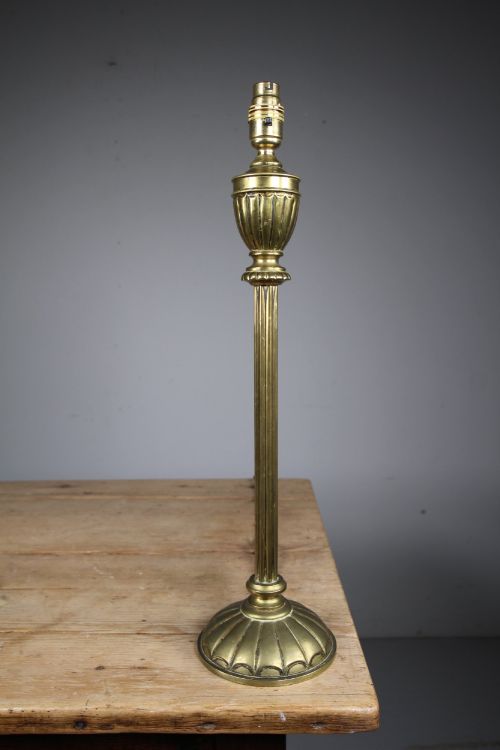
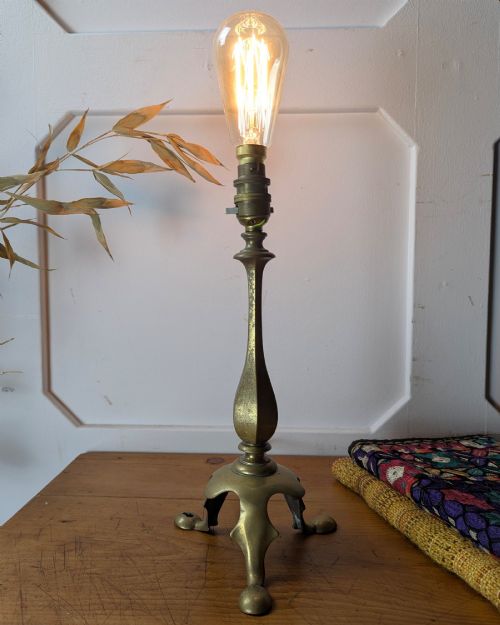
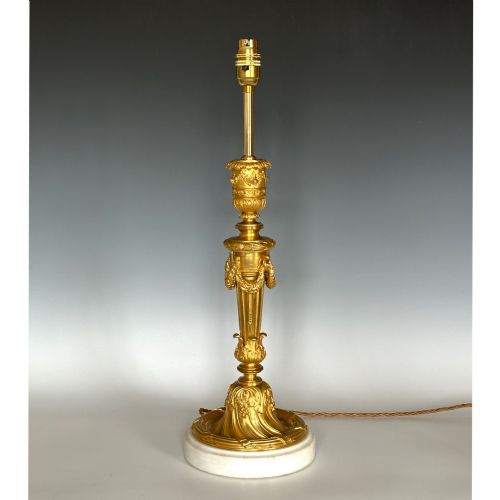
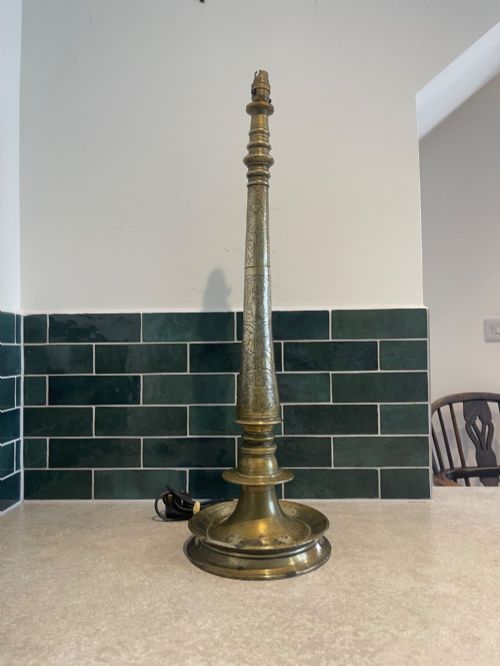
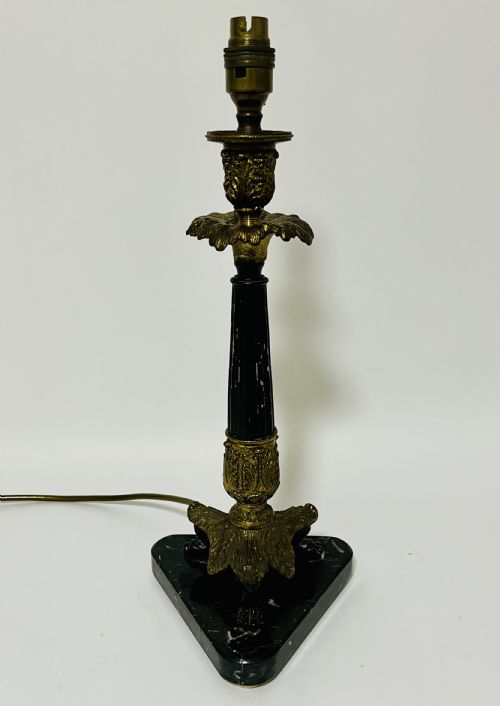
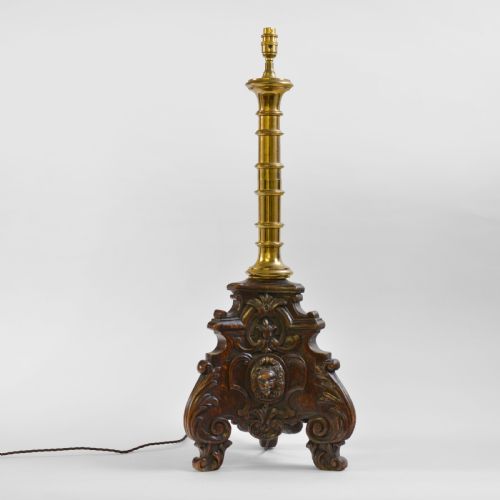
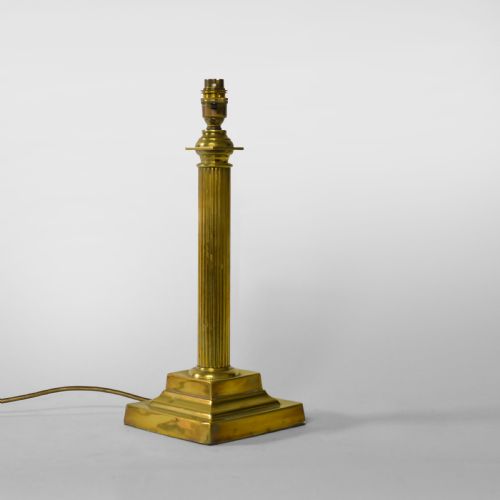
The selection on this page relies heavily on Victorian and Edwardian examples alongside French Empire and Louis XV styles. Forms range from simple barley twist shafts to architectural columns and converted church candlesticks.
How they were made
Metalworking dominates these pieces, utilising cast and turned brass, gilt bronze, ormolu, and bronze. Artisans shaped these metals into complex columns, balusters, and hexagonal forms using period foundry techniques.
Many examples incorporate contrasting elements such as marble plinths, glass reservoirs, carved oak, and porcelain de Paris. These mixed materials were assembled to provide stability and visual balance to the taller lamp structures.
Materials extend beyond plain metal to incorporate glass, marble, porcelain de Paris, and carved wood.
What varies in quality
Casting crispness defines the better examples, where acanthus leaves, fluting, and baroque motifs remain sharp and well-defined. Heavier gauge metal and substantial bases indicate superior manufacture compared to lighter, hollow alternatives.
The integration of secondary materials such as genuine marble plinths or layered glass components marks out finer production. Detail in the chasing and the warmth of the original metal finish separate standard work from exceptional pieces.
The Brass Candlestick Lamp Base Glossary
- Ormolu
- Gilt bronze ornamentation applied to furniture and lighting mounts. This technique involves amalgamating gold and mercury onto a bronze base.
- Baluster
- An architectural column or post of circular section with a swell in the lower portion. This shape frequently appears in the stems of table lamps.
- Corinthian column
- A classical architectural order featuring an ornate capital decorated with acanthus leaves. It provides a formal silhouette for tall lamp bases.
- Barley twist
- A spiral carving or metal turning resembling a twisted barley stalk. It is a common decorative motif on British wooden and brass stems.
- Peg oil lamp
- A font designed to drop into the socket of a separate candlestick base. Many of these units later received conversion for electrical fittings.
Brass Candlestick Lamp Base: Frequently Asked Questions
Are these lamps safe to use today?
Many older lamps require rewiring to meet current electrical standards. A qualified electrician can easily update the internal wiring while preserving the antique metal body.
Buyers should have older fixtures tested before daily use to ensure domestic safety.
How do I clean old brass?
Dusting with a dry, soft cloth is usually sufficient for maintaining antique metal surfaces. Avoid harsh chemical polishes that strip away the aged patina accumulated over decades.
Gentle care preserves the historical appearance and prevents damage to gilt or bronze finishes.
Can I change the lampshades?
Most lamp bases accept standard modern shades provided the fitter matches the bulb holder. Proportion is the main consideration when pairing a shade with a slender candlestick stem.
Choosing the right scale ensures the lamp remains stable and visually balanced on a table.
How do I date a brass lamp?
Stylistic clues such as columnar capitals, classical revival motifs, and material combinations help narrow down the period. Victorian and Edwardian pieces often display distinct manufacturing marks or construction methods.
Comparing the form to known historical periods gives a reliable indicator of age.