




Brass Candle Lantern Light
Brass candle lantern light fixtures bring functional illumination and architectural presence to corridors and hallways.
Brass Candle Lantern Light
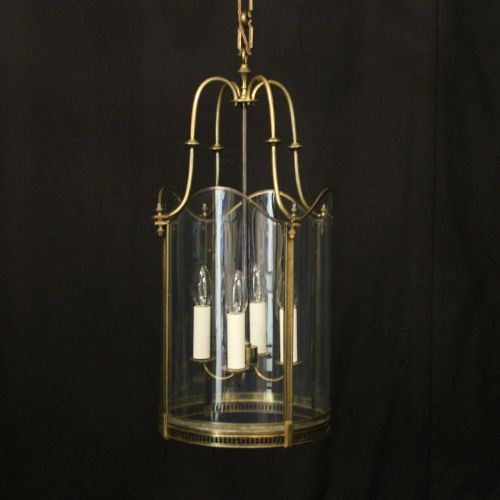
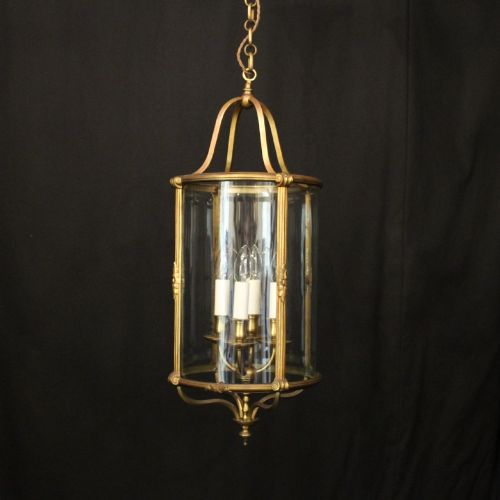
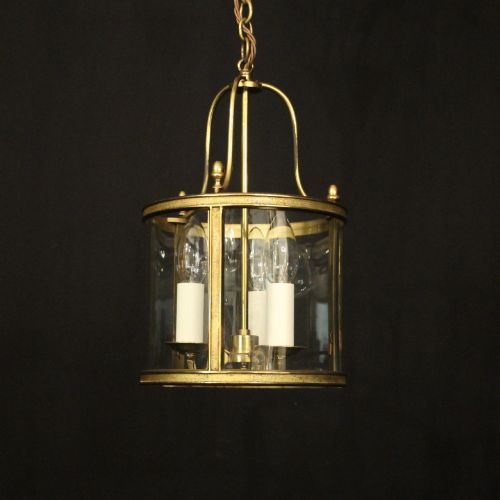
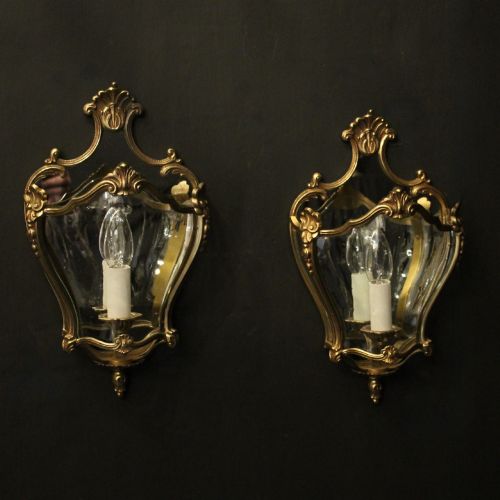
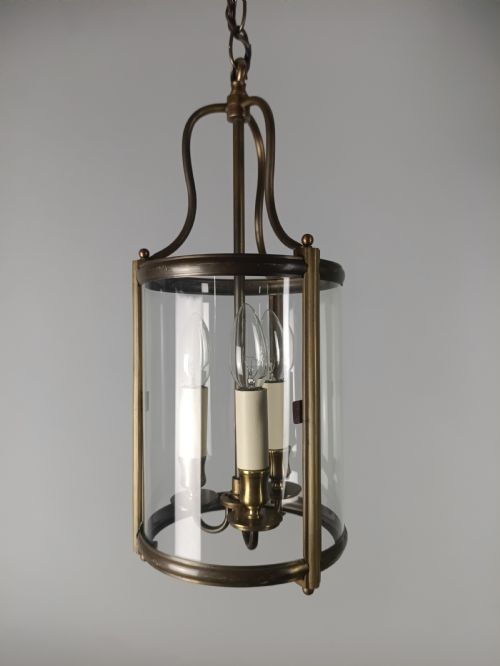
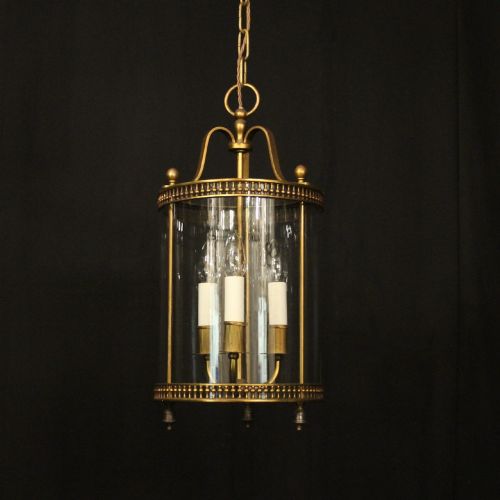
Brass candle lantern light designs span hanging hall fixtures, wall sconces, and flush ceiling lights created across the nineteenth and twentieth centuries. These pieces draw heavily on French Neoclassical, Louis XV Style, and French Empire traditions, offering substantial decorative weight to entryways and vestibules. The selection centres primarily on 1920 and 1930 examples alongside Edwardian and earlier nineteenth-century variants.
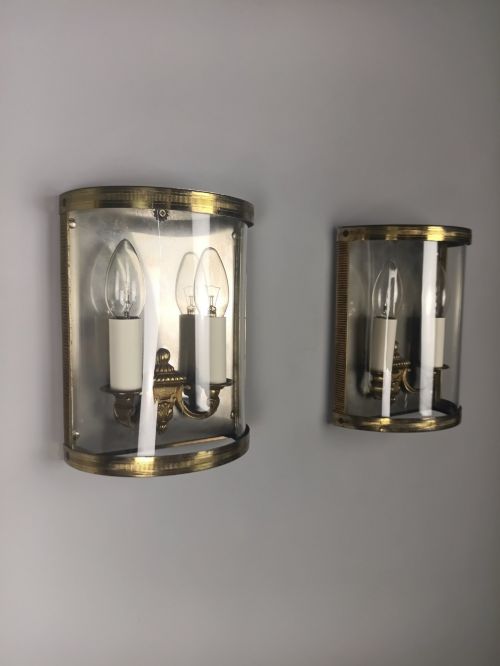
Buyers frequently encounter French-origin pieces featuring multiple internal lights and convex glass panels designed to diffuse illumination evenly. Hall lanterns and hanging pendants dominate the available forms, often utilising gilt brass or gilded bronze frames. Wall-mounted half lanterns provide a complementary option for narrower passageways and landings.
Materials and Construction
The primary construction relies on cast and sheet brass, frequently enhanced with gilt finishes or gilding on bronze. Metal frames house structural glass elements, notably bevelled glass panes and convex panels that require precise fitting into the metal armature. Secondary metals such as steel appear in specific structural contexts alongside standard brass components.
Makers integrated glazed panels to protect the internal candle-style light clusters from draughts while maximising light dispersion. Rewired examples demonstrate the adaptation of these historical forms for modern electrical standards while retaining their original metalwork and glass configuration.
Listings feature brass, gilt bronze, and bevelled glass across Edwardian and early twentieth-century periods.
Assessing Quality and Execution
Quality reveals itself in the weight and crispness of the cast metal frame, particularly in the definition of neoclassical or empire decorative motifs. Superior examples display meticulous finishing on gilt surfaces and secure integration of heavy bevelled glass panels without excessive play in the frame.
The sophistication of the glasswork distinguishes finer pieces, notably through the optical depth of convex panes and hand-bevelled edges. Proportion and balance in multi-light configurations further separate standard production from more ambitious decorative hall fixtures.
The Brass Candle Lantern Light Glossary
- Convex glass
- Curved glass panels that project outward to soften and disperse light from internal bulbs. They require specialised moulding techniques during production.
- Gilt bronze
- Bronze metal treated with a thin layer of gold or gold-coloured alloy to produce a rich, durable metallic sheen. This material is frequently associated with high-status French decorative arts.
- Bevelled glass
- Glass panes featuring an angled edge ground down around the perimeter. This treatment creates prismatic light refractions.
- Hall lantern
- A hanging light fixture designed specifically for narrow transit spaces such as corridors and stairwells. These pieces balance downward illumination with decorative presence.
- Half lantern
- A wall-mounted lighting fixture flattened on one side to sit flush against vertical surfaces. They suit spaces where hanging pendants obstruct movement.
Brass Candle Lantern Light: Frequently Asked Questions
Where should I hang a hall lantern?
These fixtures work best in entryways, corridors, and high-ceilinged stairwells where their vertical presence defines the space.
Ensure adequate clearance beneath the fixture for foot traffic while positioning the light to illuminate architectural details effectively.
How do I date an antique lantern?
Dating relies on examining casting techniques, decorative vocabulary, and material composition against known stylistic periods. Edwardian and 1920s pieces often exhibit specific revival motifs linked to French neoclassical design.
Hardware construction and the integration of electrical components provide additional clues regarding the manufacturing era.
Are these lanterns wired for electricity?
Many surviving examples have been adapted for modern electrical supply while maintaining their historical exterior appearance. Rewired pieces incorporate internal lamp holders suited to standard contemporary bulbs.
Professional installation is recommended to ensure secure suspension and proper electrical grounding for heavy metal fixtures.
What is the difference between brass and gilt bronze?
Brass is an alloy of copper and zinc offering a bright golden hue that develops a natural patina over time. Gilt bronze involves a bronze substrate treated with a gold finish, yielding deeper tonal variation and sharper cast detail.
Both materials were utilised extensively in high-end European lighting manufacturing.