

Brass Burner Paraffin Lamp
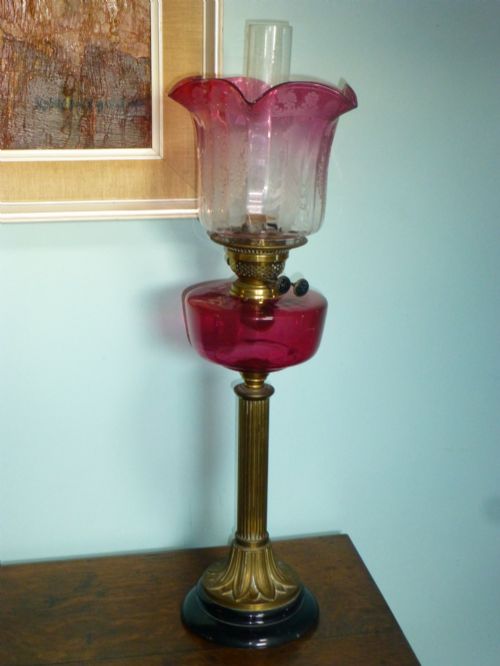
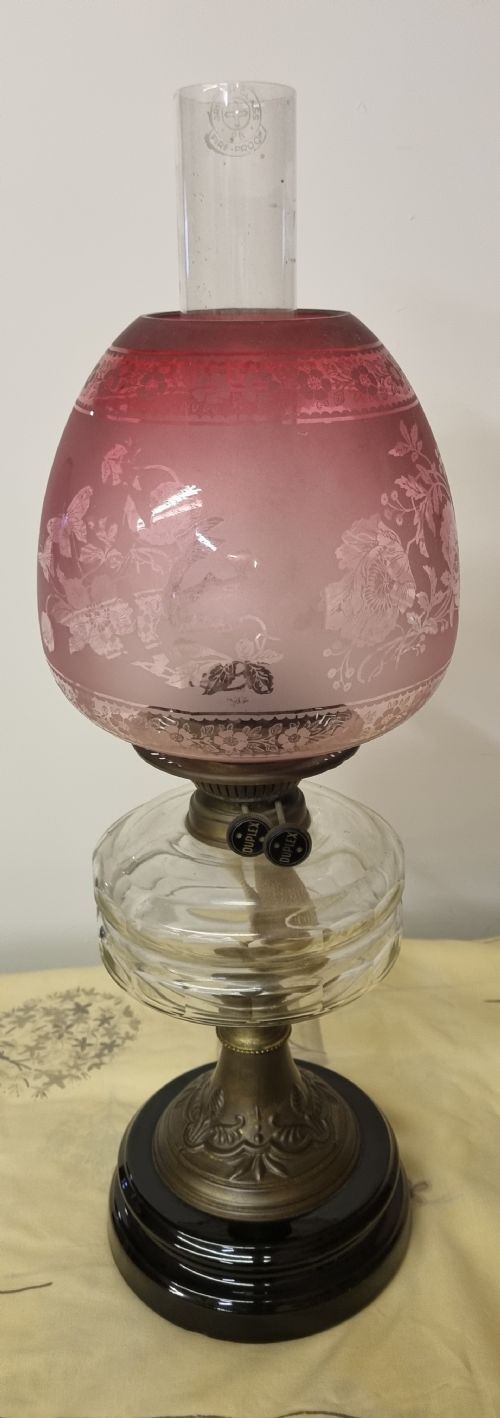
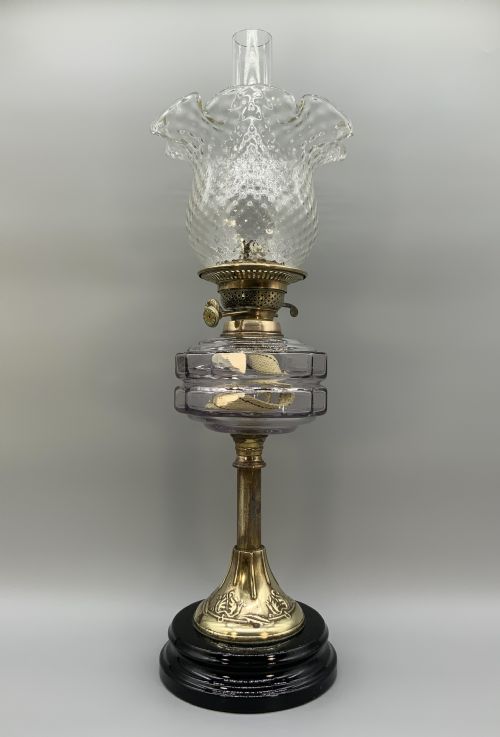
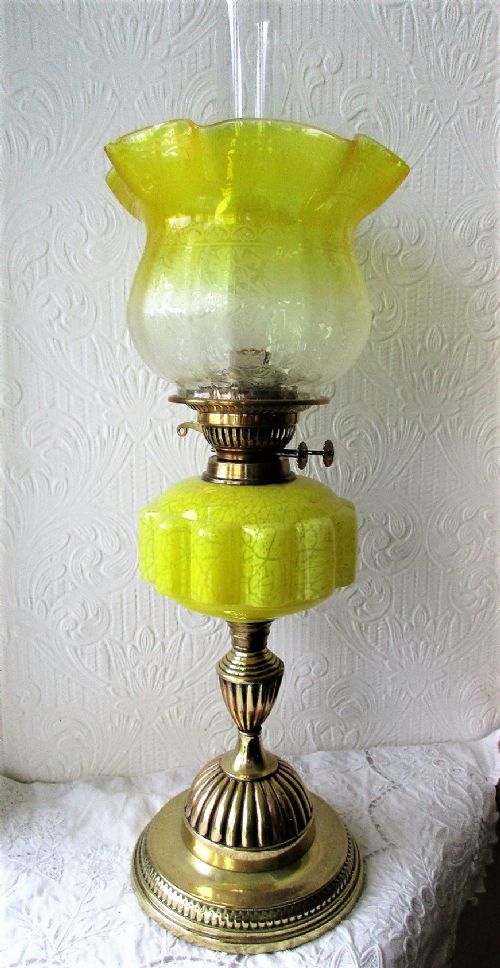
A brass burner paraffin lamp brings heavy Victorian metalwork and coloured glass together to light a room with genuine period character.
Brass Burner Paraffin Lamp
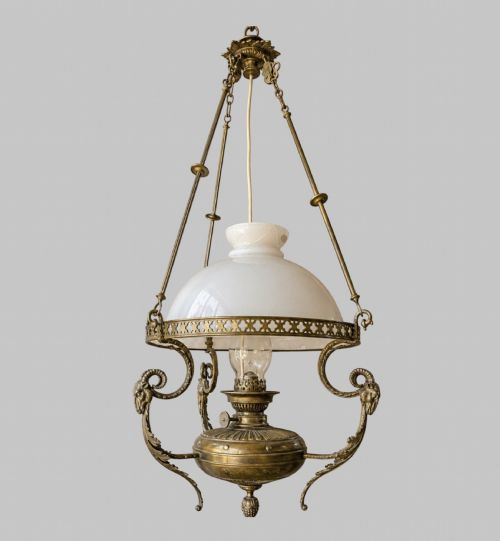
A brass burner paraffin lamp is a lighting fixture designed to burn liquid paraffin via a wick fed through a metal burner. When you search for this phrase, you encounter heavy table lamps, tall column standards, and hanging ceiling lights intended for domestic illumination.
Most examples originate from the Victorian and Edwardian eras, spanning the late nineteenth and early twentieth centuries. The standard form pairs a metal or ceramic reservoir with a decorative glass shade, mounted upon a substantial brass base.
Construction and materials
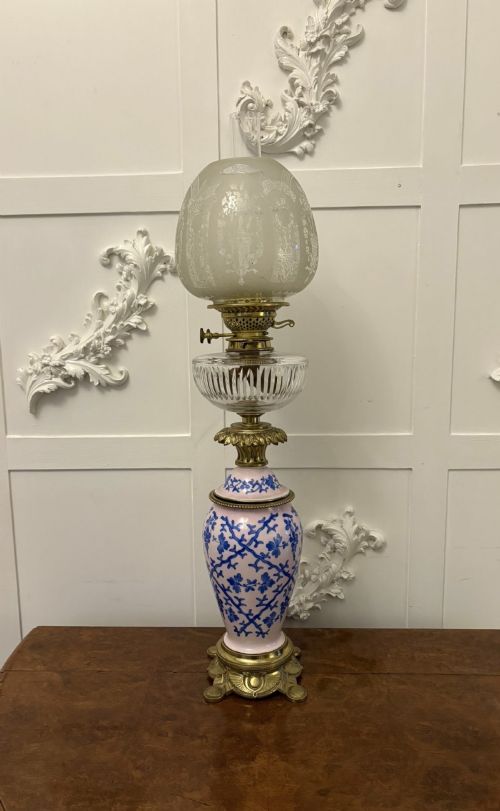
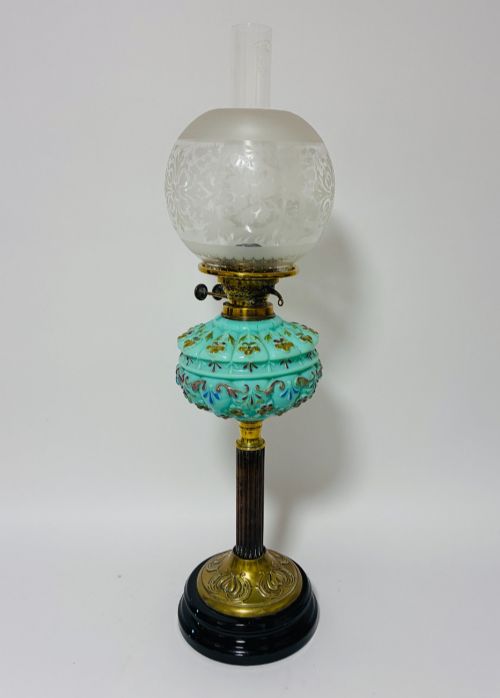
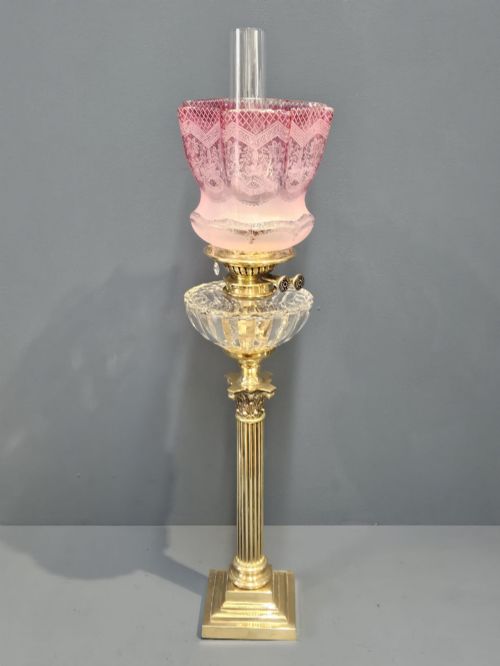
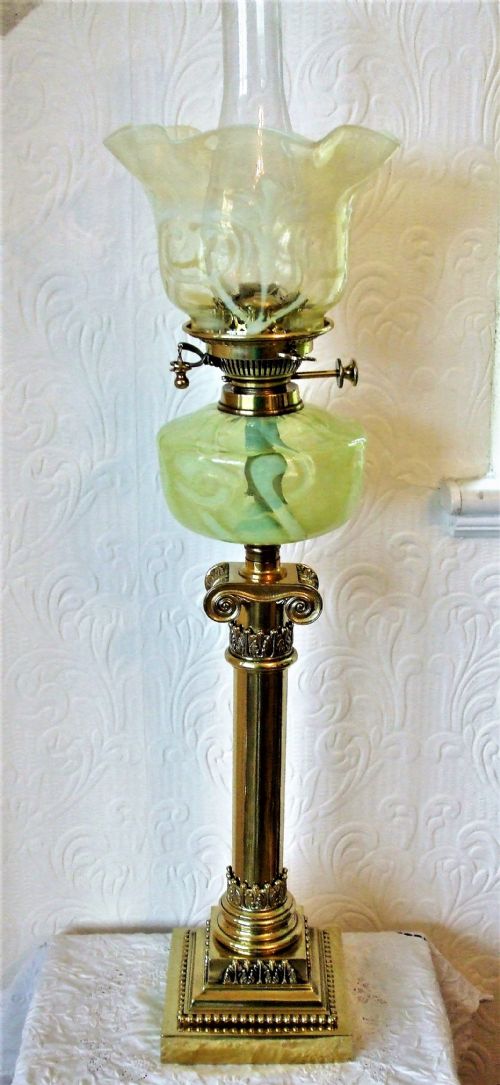
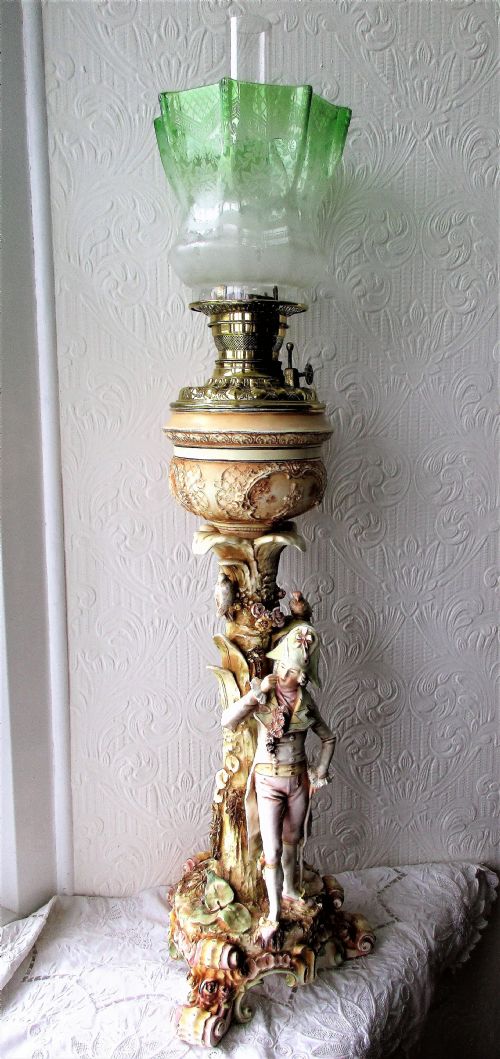
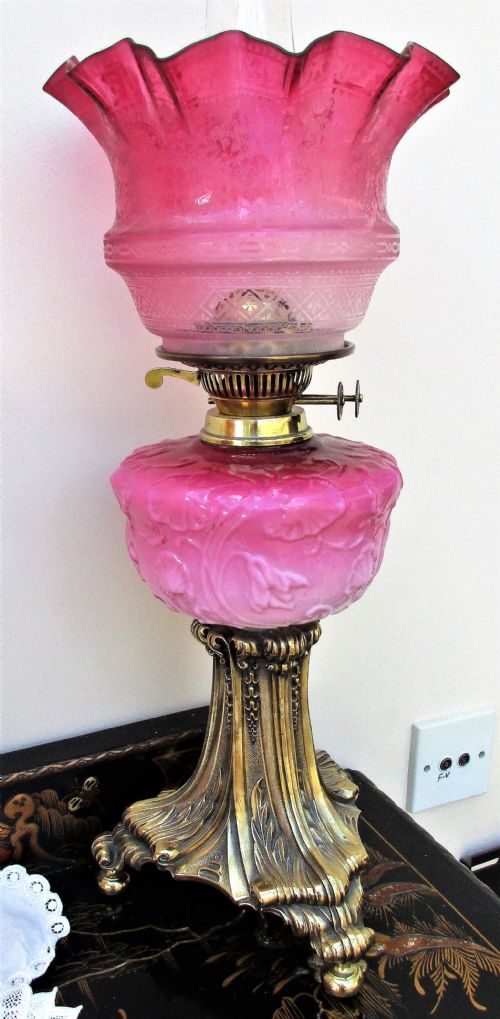
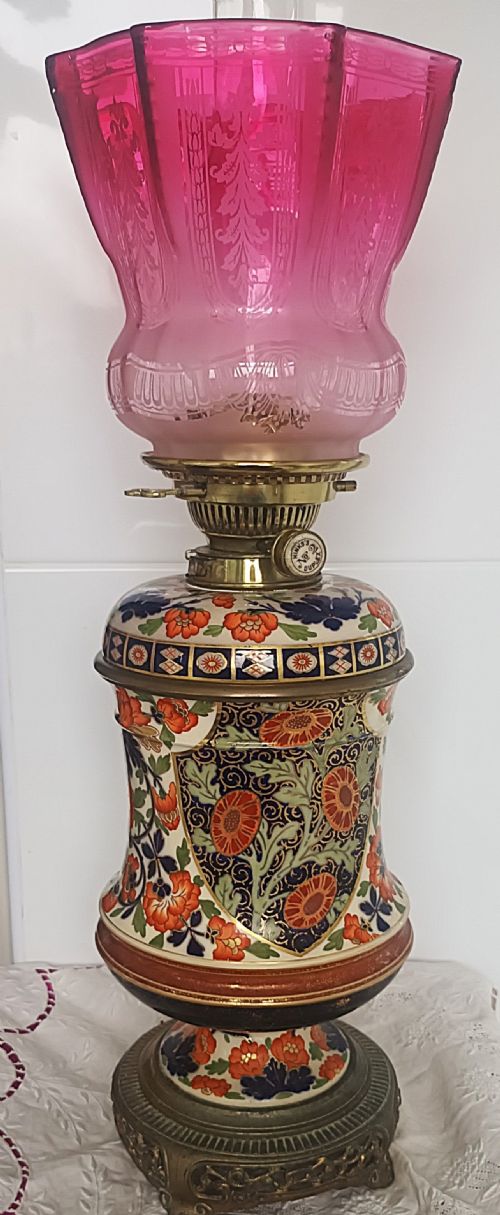
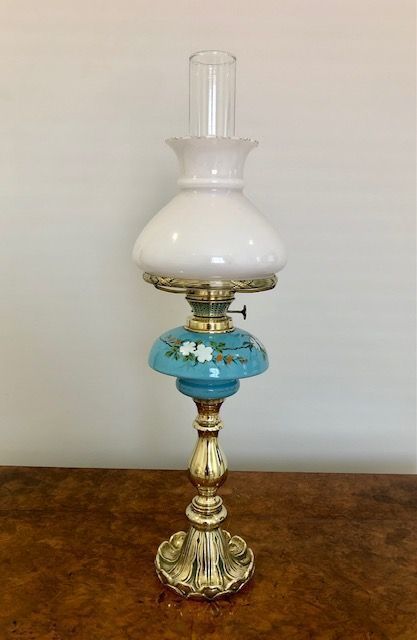
Makers utilised cast and spun brass to form the structural columns, reservoirs, and burner galleries that regulate the flame. These metal components frequently combine with ceramic bases or glass fonts moulded in clear, cranberry, and opaline varieties.
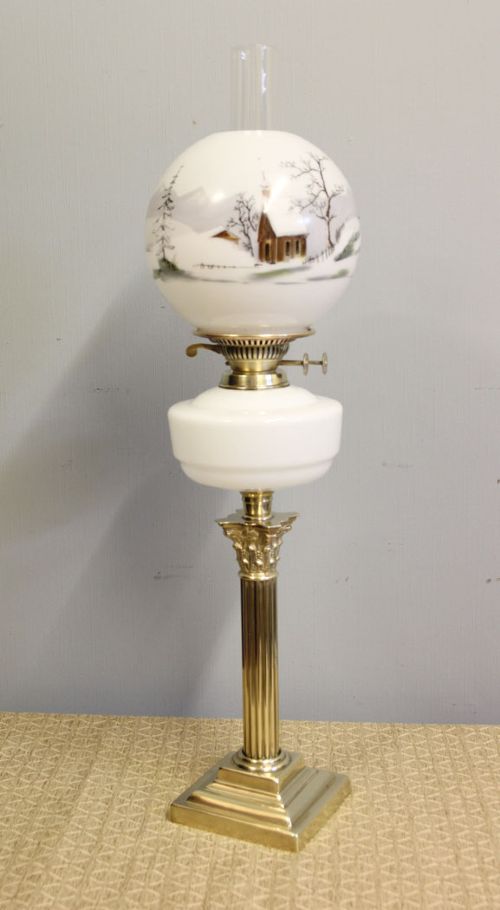
Shades are hand-blown or etched, sometimes featuring botanical motifs, winter scenes, or deep tulip profiles that colour the light. Twin-burning duplex mechanisms and specialised burner systems such as Hinks or Wild and Wessel control the paraffin delivery.
Some tall telescopic models let you raise the flame into the middle distance, as if the lamp itself is stretching to watch the evening news.
Distinctions in quality
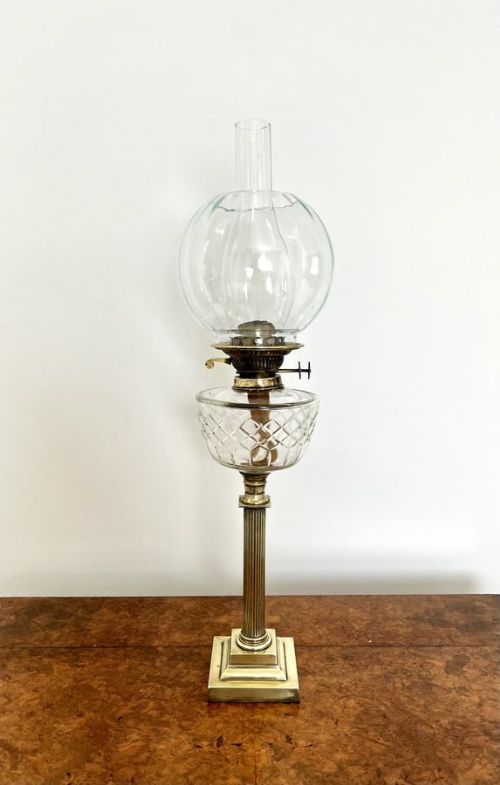
Quality rests upon the weight and crispness of the brass casting, particularly in architectural orders like Corinthian or Ionic columns. Superior pieces display finely detailed relief work on the metal body and precise mechanical engineering within the burner assembly.
The integration of the reservoir dictates the distinction between standard production and high-end pieces, with cased cranberry glass, satin glass, and hand-painted porcelain commanding attention. The clarity and depth of the glass shade further separate ordinary examples from exceptional specimens.
Hinks·Taylor Tunnicliff·Wild and Wessel
The Brass Burner Paraffin Lamp Glossary
- Duplex burner
- A double-wick mechanism designed to produce a significantly brighter flame than single-wick variants. This system requires two parallel wicks operated by a shared thumbwheel.
- Font
- The oil reservoir situated beneath the burner. It is frequently made of coloured glass, ceramic, or brass.
- Peg lamp
- A small oil lamp fitted with a metal peg at the base. This allows the reservoir to drop directly into a candlestand or wall bracket.
- Corinthian column
- An architectural column style frequently utilised for tall table lamps. The capital is decorated with stylised acanthus leaves.
Brass Burner Paraffin Lamp: Frequently Asked Questions
How do I operate the burner?
Raise the metal gallery to expose the cotton wicks threaded through the burner housing. Adjust the thumbwheels to ensure the wick edges sit flat before lighting.
Lower the gallery back into place and regulate the flame height using the wheel to prevent smoking. Extinguish the lamp by turning the wheel down until the flame dies.
Can I convert these lamps to electricity?
Many people run modern electrical flex down through the central column to mount a bulb holder inside the original burner gallery. This preserves the visual appeal of the brass and glass while providing safe domestic lighting.
Professional conversion ensures the antique wiring path is protected without damaging the structural integrity of the metal components.
How do I clean the brass parts?
Dust the brass surfaces regularly with a soft dry cloth to prevent the accumulation of grime in the detailed casting recesses. Avoid harsh chemical polishes that strip away the aged patina accumulated over decades.
Wash glass shades separately in warm soapy water, taking care with fragile hand-blown rims and etched patterns.
What is a duplex double burner?
A duplex double burner utilises two parallel flat wicks side by side within a single brass gallery. This configuration increases the surface area of the flame to generate brighter illumination.
Operators control both wicks simultaneously via a linked mechanism to maintain an even flame across the width of the burner.