


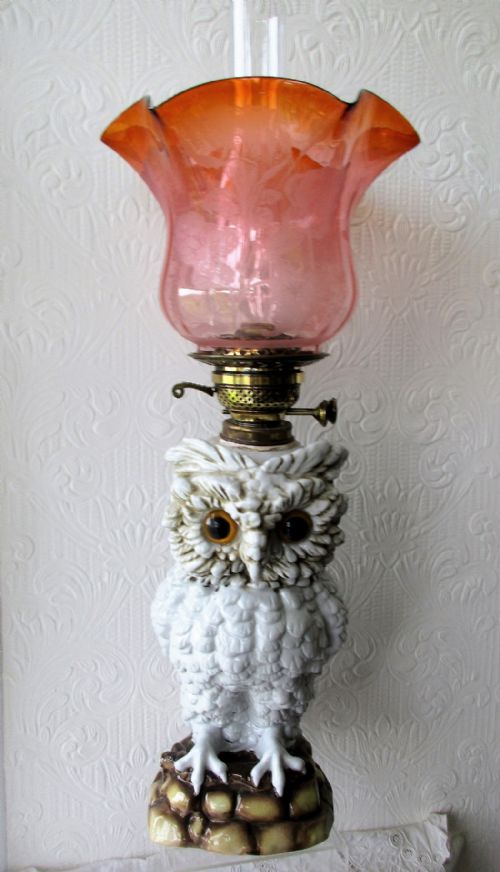
Figural Porcelain Table Lamp
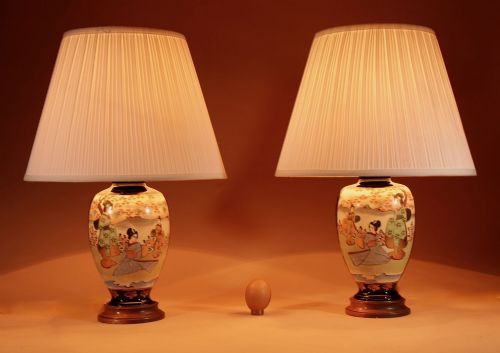
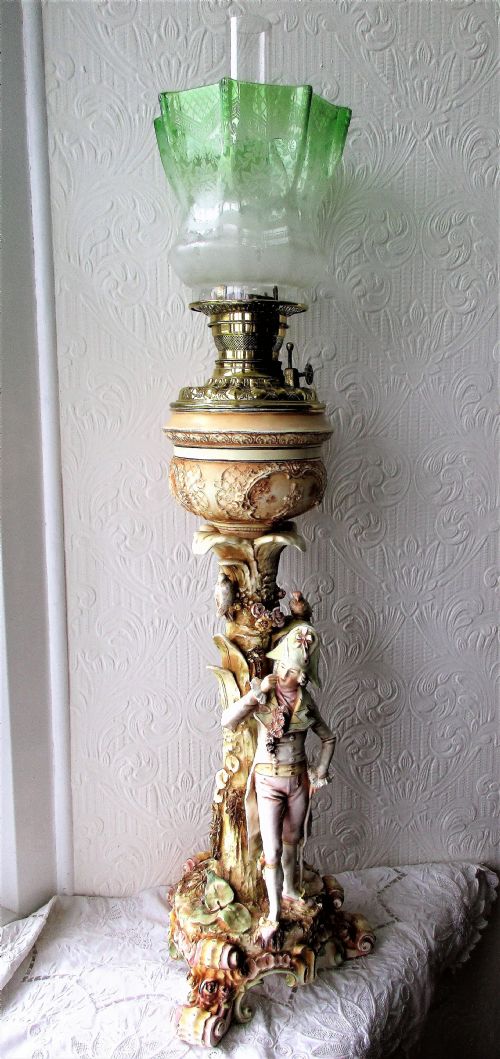
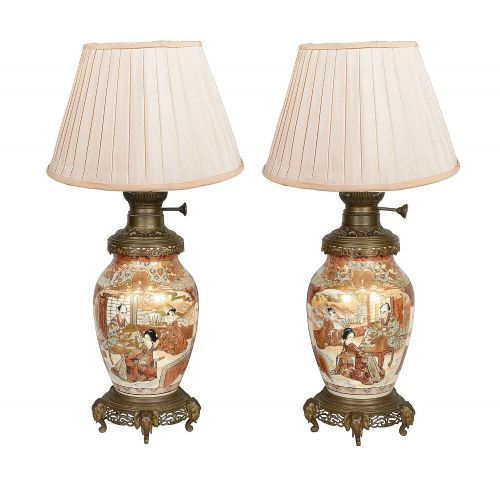
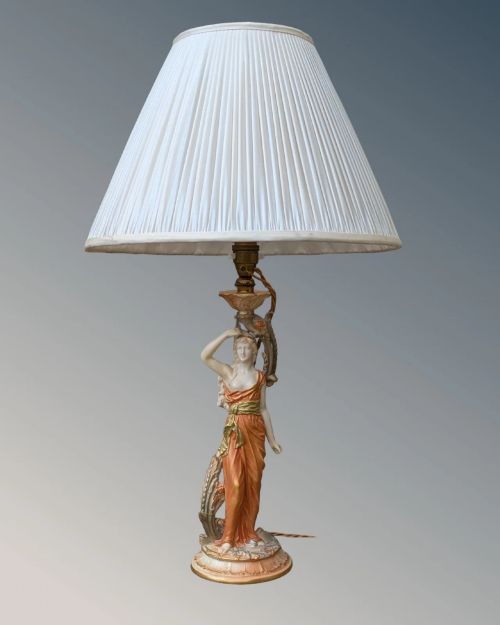
These figural porcelain table lamps bring sculptural form and hand-painted detail to a room, drawing the eye instantly.
Figural Porcelain Table Lamp
A figural porcelain table lamp combines sculpted human, animal or mythical figures with functional lighting, spanning the nineteenth and early twentieth centuries. When searching for a figural porcelain table lamp, you encounter items converted from oil lamps alongside pieces created specifically for electricity.
The selections here range from Victorian and Rococo Revival figures to Art Deco studies and Japanese Meiji period Satsuma wares. Many pieces utilise Chinese export styles, including Famille Rose and turquoise glazes, mounted on brass or gilt bronze.
Makers and factories represented across the eras include Sitzendorf and Royal Worcester, alongside sculptural collaborations involving artists such as Anton Buschelberger. These objects serve as both illuminating desk or table pieces and substantial decorative sculptures.
How they were made
The primary material is porcelain, shaped into figures and vases, then hand-painted with detailed enamels and underglaze blue. Many examples integrate brass, gilt bronze, or toleware mounts to secure the porcelain body and support the lighting hardware.
Manufacturing techniques combine traditional ceramic firing with metal casting for the bases and mounts. Some items began life as oil lamps or ginger jars before conversion into electrical table lamps.
The selection includes pieces spanning the nineteenth century through the 1930s Art Deco period, utilising porcelain, brass, silk, and gilt bronze.
What varies in quality
The integration of the lighting mechanism into the original ceramic body affects the overall harmony of the object. Finer examples balance the sculptural weight of the figure with stable metal bases and appropriate proportions.
Royal Worcester·Karl Ens·Sitzendorf·Anton Buschelberger
The Figural Porcelain Table Lamp Glossary
- Satsuma
- A type of Japanese earthenware or porcelain decorated with intricate enamel patterns and gilt over a crackle glaze. These wares frequently depict figures, flora, and fauna.
- Famille Rose
- A palette of Chinese porcelain enamels dominated by opaque pink, introduced during the Qing dynasty. The style appears widely on export vases and lamp conversions.
- Gilt bronze
- Copper alloy finished with a layer of gold, often termed ormolu in French pieces. It provides durable and ornate mounts for nineteenth-century lamps.
- Veilleuse
- A French nightlight or small lamp designed to burn low overnight. They often feature figural porcelain construction with pierced covers.
- Crackelware
- Pottery or porcelain featuring a network of fine cracks in the glaze, intentional in styles such as Chinese crackleware. It adds texture and visual depth to the surface.
Figural Porcelain Table Lamp: Frequently Asked Questions
How do I wire an antique lamp?
Most antique lamps require rewiring to meet modern electrical safety standards while preserving the original porcelain body.
A professional electrician can thread modern cord through the central channel without damaging the antique mounts or ceramic.
Are these lamps converted oil lamps?
Several examples on this page began as nineteenth-century oil lamps or decorative vases before receiving electrical fittings.
Conversion was a common practice that saved decorative ceramic bodies from disuse when domestic lighting transitioned to electricity.
How do I date a porcelain lamp?
Dating relies on stylistic markers such as Art Deco geometric lines or Victorian Rococo curves, alongside maker marks on the base.
The materials used for the mounts, such as heavy gilt bronze or simple brass, also help narrow the period.
Where should I place a figural lamp?
These lamps function well as statement pieces on sideboards, desks, or large entrance hall tables where the sculptural base remains visible.
Ensure the surrounding space complements the detailed painting and prevents the lamp from appearing crowded.