




Brass Bound Wooden Barrel
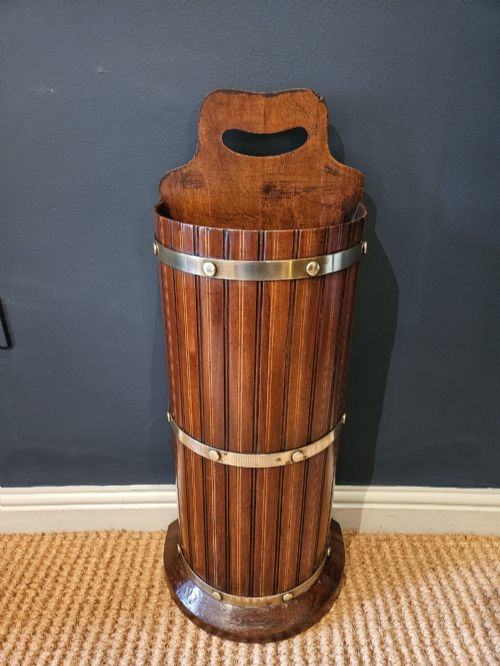
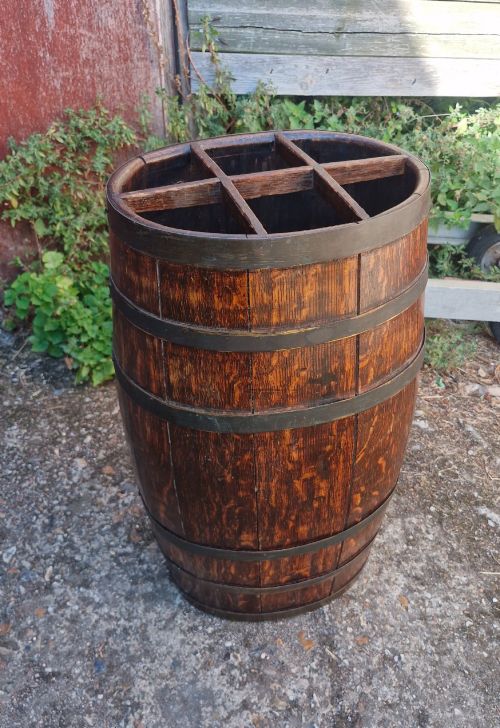
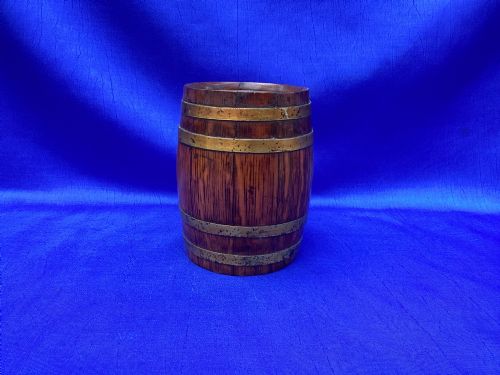
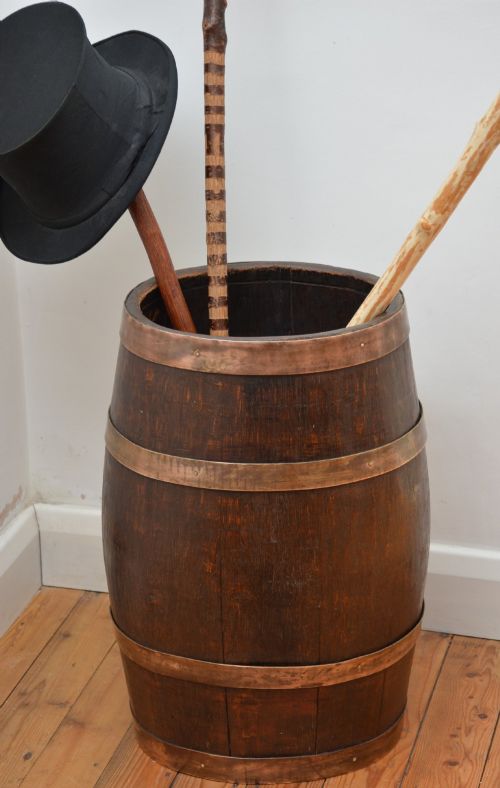
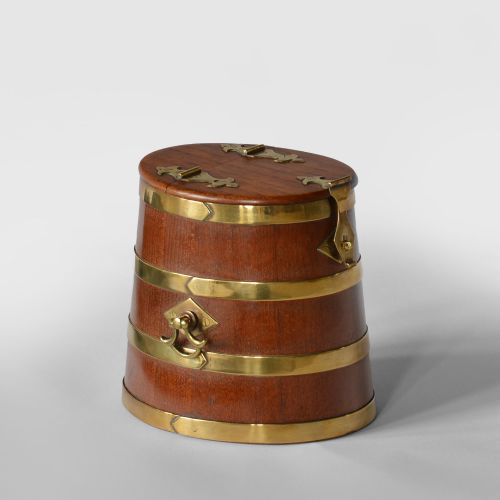
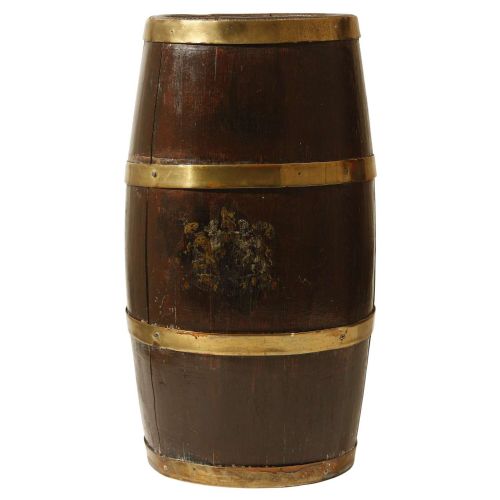
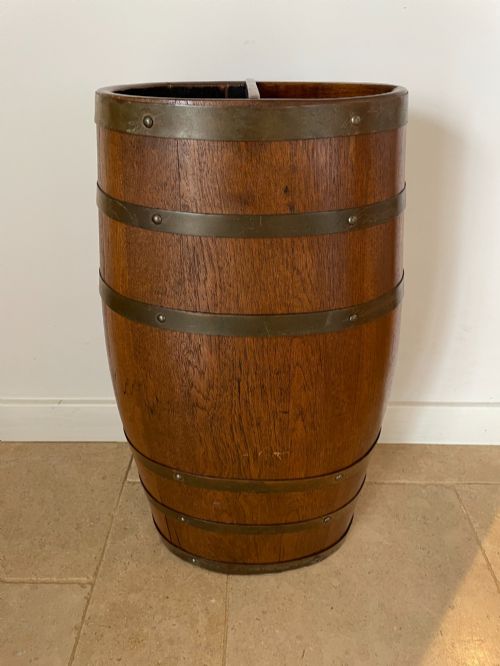
These brass bound wooden barrel pieces are sturdy coopered vessels built for daily use, combining warm timber with gleaming metal bands.
Brass Bound Wooden Barrel
When you search for a brass bound wooden barrel, you encounter a selection of coopered items primarily designed as umbrella and stick stands, buckets, planters, and storage vessels. These pieces stem mostly from the Victorian and Edwardian eras, alongside Georgian and early twentieth-century examples.
The domestic and maritime utility of these items shapes their current forms. You will frequently find oak and mahogany barrel stick stands, country house umbrella holders, naval rum barrels, and coopered jardiniere stands matching this description.
Originating across English, Dutch, and maritime contexts, these objects serve practical purposes while bringing robust texture into an interior space. The heavy staves and metal reinforcement define their enduring utility.
Coopered construction and metalwork
The fabrication relies on traditional coopering techniques, where shaped staves of oak, mahogany, or hardwood join together to form a tight, self-supporting cylinder.
Brass bands and metal braces secure the wooden staves under tension, often fixed with pins or rivets to reinforce the structure against moisture and weight.
Selected pieces incorporate copper fittings or painted elements, contrasting the warm grain of the timber with polished metal hoops.
Brass Bound Wooden Barrel Retail Price Guide 2026
Typical asking prices for brass bound wooden barrel among the pieces listed under this phrase on Sellingantiques today, from the lower quarter to the upper quarter. They describe what is for sale here now, not the wider market.
Listings feature oak and mahogany as the predominant woods, alongside brass and copper fittings across Victorian and Edwardian periods.
Evaluating the craftsmanship
The precision of the cooper's jointing determines the integrity of the vessel, where tightly fitted staves indicate superior workshop execution.
The weight and thickness of the brass banding, alongside the neatness of the riveting, separate utilitarian containers from finer decorative objects.
The choice of timber grain, particularly figured oak or rich mahogany, influences the visual presence of the piece.
Lister and Co
The Brass Bound Wooden Barrel Glossary
- Coopered
- Constructed from curved wooden staves bound together with metal hoops to form a watertight or sturdy hollow vessel. This traditional method forms the basis of barrels, buckets, and stick stands.
- Stave
- One of the narrow, shaped vertical blocks of wood that fit together side by side to make the sides of a barrel or tub. Their precision cuts ensure the vessel holds its shape under tension.
- Jardiniere
- An ornamental pot or stand designed to hold plants or flowers. In these listings, they appear as coopered wooden vessels fitted with brass bounds.
- Coal hod
- A container or bucket used for holding and transporting coal to a fireplace. These items often feature heavy metal fittings and sturdy handles.
Brass Bound Wooden Barrel: Frequently Asked Questions
What were brass bound wooden barrels used for?
These coopered vessels served numerous practical roles in domestic and maritime settings, functioning as umbrella stands, stick holders, planters, and storage casks for items like rum or bottles.
Their robust construction allowed them to handle daily wear in hallways, cabins, and country houses without losing structural integrity.
How do I date a brass bound barrel?
Dating relies on observing the timber species, the fastening methods of the brass bands, and stylistic cues from periods such as the Georgian, Victorian, or Edwardian eras.
Heavier mahogany and specific turning styles often point to earlier nineteenth-century origins, while lighter oak forms frequently align with later Edwardian or twentieth-century production.
Are these barrels waterproof?
Many of these pieces were originally built using traditional coopered techniques designed to hold liquids, such as naval rum barrels or merchant grog tubs.
However, age and dry interior environments can affect the seals, so testing is recommended before using them to hold water for plants or flowers directly.
How should I clean the brass bands?
The brass bands benefit from gentle dusting and occasional cleaning with a non-abrasive metal polish to maintain their brightness without touching the surrounding timber.
Care should be taken to protect the oak or mahogany surfaces from moisture and harsh chemical cleaners during the maintenance process.