
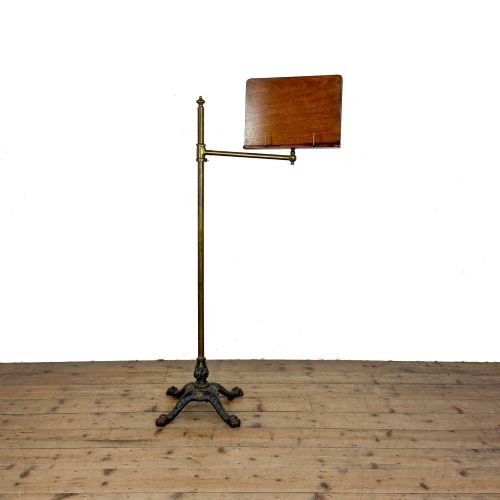
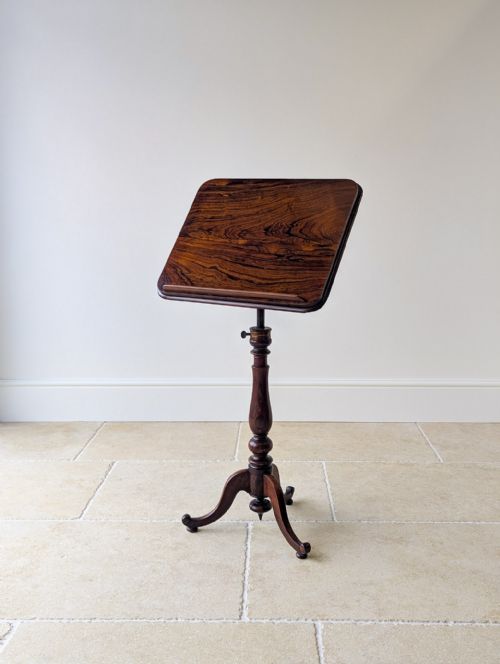

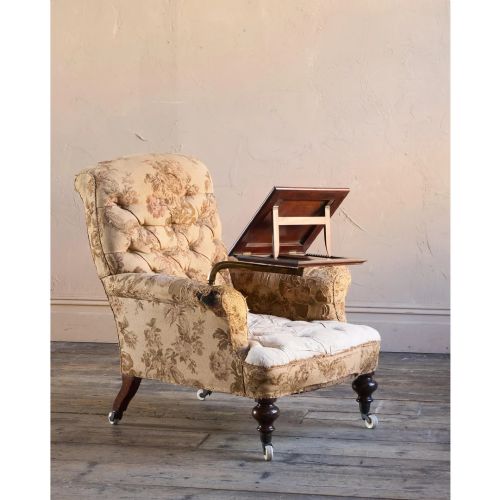
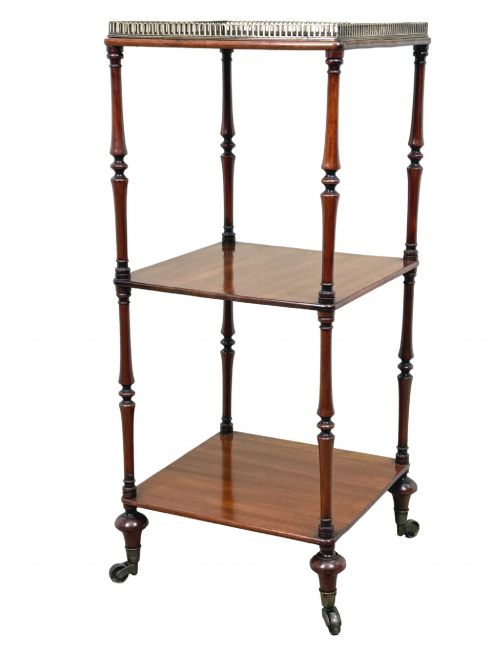



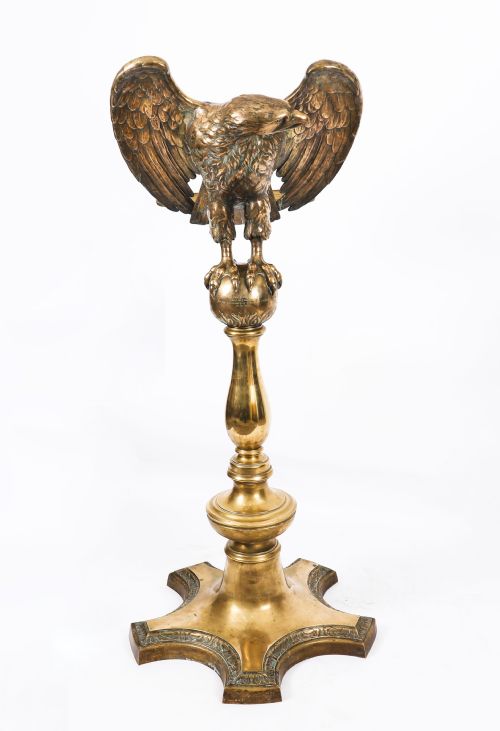


Brass Book Stand
A brass book stand organises heavy volumes and open pages with metal work that brings both utility and gleam to a desk.
Brass Book Stand
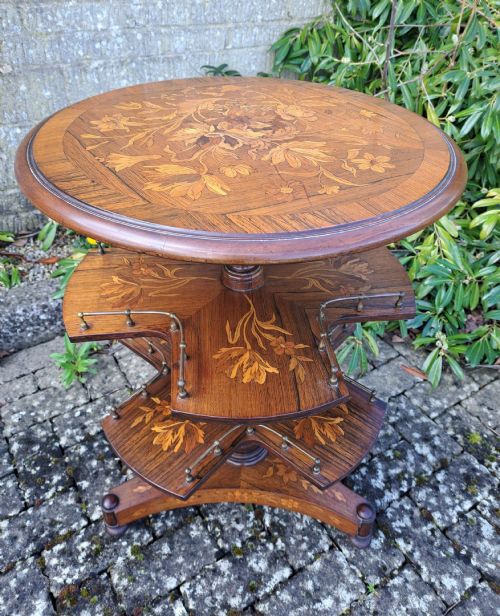
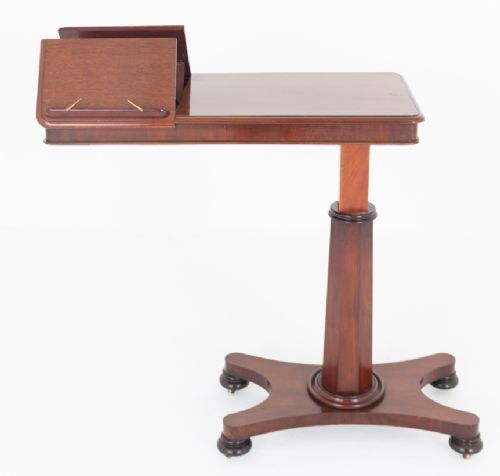
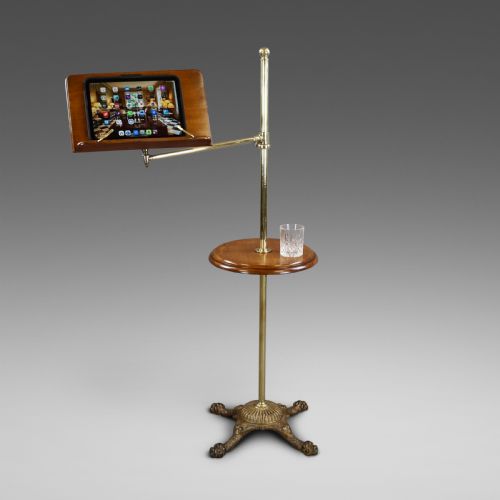
A brass book stand encompasses adjustable reading surfaces, folding desk rests, and sliding supports designed to hold volumes upright or at an inclined angle. When searching for a brass book stand, buyers encounter pieces ranging from Victorian folding lecterns to walnut and mahogany book slides fitted with metal mounts.
The material combination typically pairs a substantial timber base, such as walnut, mahogany, or oak, with cast or pierced brass mechanisms, hinges, and corner plates. These desk accessories and table-top rests appeared frequently across the nineteenth century, serving both domestic libraries and ecclesiastical spaces.
How they were made
Craftsmen joined dense hardwoods like rosewood, mahogany, and walnut with brass through countersunk screws, sliding channels, and pinned hinges to allow folding or extending movement. Metal elements were cast, pierced, or engraved, then secured to wooden book rests, slides, and lecterns.
Makers utilised brass for telescoping columns, extending lazy tongs actions, and decorative corner mounts that reinforced the timber joints. This integration of metal and wood created durable reading stands capable of supporting heavy folios.
Brass cherubs and Indian elephants occasionally hold open your pages, proving that Victorian reading habits welcomed a touch of theatre.
What varies in quality
The sophistication of the mechanical adjustment defines the upper tier of these pieces, particularly smooth-action extending book slides and positive-locking reading angles. Fine examples feature heavy-gauge cast brass rather than thin stamped sheet metal.
Execution of secondary materials also separates standard production from superior workshops, seen in finely figured walnut or mahogany veneers, inlaid brass stringing, and hand-pierced fretwork designs on the folding rests.
Betjemanns patent·Townsend and Co.·William Tonk and Sons·Harrods
The Brass Book Stand Glossary
- Book slide
- An extending desk accessory with upright ends, usually mounted in brass, designed to hold a variable number of volumes between fixed or moving barriers.
- Lectern
- A tall standing or table-top reading desk featuring an inclined shelf, frequently cast in brass for ecclesiastical or library use.
- Ormolu
- Gilt-bronze or brass mounts applied to furniture and desk accessories for decorative enrichment.
- Patent
- A legally protected proprietary mechanism stamped with a maker's name, often found on extending book slides and reading stands.
- Pietra dura
- An inlay technique using polished, cut coloured stones to create pictorial designs on marble or timber surfaces.
Brass Book Stand: Frequently Asked Questions
How do adjustable book stands work?
Most designs utilise a hinged ratcheted support underneath the reading ledge that engages with a notched bar to alter the viewing angle. Sliding variants employ an extending scissor action or overlapping wooden tracks secured with brass fixtures.
These mechanical elements allow the user to balance heavy folios securely at a comfortable reading incline or close the stand flat when not in use.
Where were brass book stands used?
These pieces found places on library writing tables, study desks, and occasional furniture where heavy reference volumes required constant support. Larger architectural lecterns stood in churches and institutional reading rooms.
Domestic examples sat upon parlour tables to display family Bibles, music sheets, or current reading material within easy reach of an armchair.
How do I care for brass and wood?
Wood surfaces benefit from occasional application of quality wax to nourish the grain and preserve the finish against dry air. Metal components require gentle dusting and careful cleaning to maintain the natural patina without stripping historical polish.
Avoiding excessive moisture and direct sunlight protects both the timber veneers and the bright brass fittings from tarnishing or warping over time.
How can I tell the period?
Construction methods, timber choices, and brass casting techniques offer clear indicators of age across nineteenth-century examples. Early pieces often display heavy cast brass mounts and dense rosewood or mahogany, while later items introduce machine-stamped fretwork and lighter oak frames.
Patent stamps, registration marks, and maker signatures provide definitive dates for pieces produced by prominent nineteenth-century firms.