






Brass Book Rest
A brass book rest is a practical desk accessory that holds volumes at a comfortable angle for reading, forged to endure heavy daily handling.
Brass Book Rest
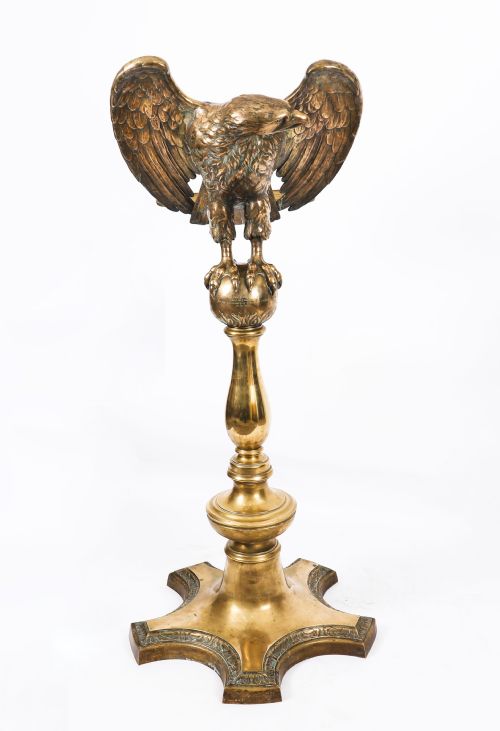
When you search for a brass book rest, you encounter metal folding stands, extending slides, and desktop lecterns designed to support folios, bibles, and novels. These pieces appear frequently in Victorian domestic interiors and ecclesiastical settings, reflecting a period when reading materials were heavy and bound in thick boards.
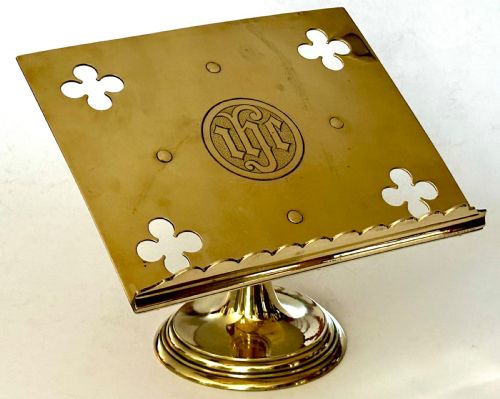
The versions most likely to meet you on this page range from simple cast or pierced brass folding rests to oak and brass combinations and extending book slides. They span the nineteenth century through the interwar period, incorporating styles such as Gothic Revival and Art Nouveau alongside utilitarian designs.
How they were made
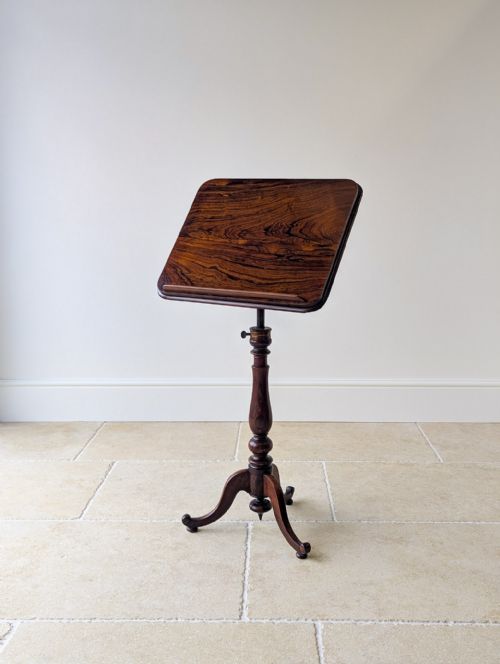
Artisans constructed these items primarily using cast or sheet brass, often combining the metal with dense timbers such as oak, mahogany, walnut, and rosewood. Structural components frequently rely on hinges, adjustable ratchets, and extending mechanisms to alter the viewing angle or span.
Decorative work on the metal involves piercing, engraving, and enamel coating, while wooden frames utilise brass caps and inlay. Makers also integrated copper elements and textile panels into specific lectern designs.
Brass Book Rest Retail Price Guide 2026
Typical asking prices for brass book rest among the pieces listed under this phrase on Sellingantiques today, from the lower quarter to the upper quarter. They describe what is for sale here now, not the wider market.
Periods represented span from the Regency era and the reign of William IV through the Victorian epoch and into the 1930s.
What varies in quality
The distinction between standard production items and superior pieces lies in the crispness of the brass casting and the complexity of the pierced or engraved ornamentation. Heavier gauge metal and robust mechanical adjustments separate utilitarian items from finely finished examples.
Attention to detail in the accompanying woodwork, such as figured mahogany or carved oak, indicates a higher grade of manufacture. Maker attribution and registered design numbers also elevate the standing of an individual piece.
Jones and Willis·Adolph Frankau and Co
The Brass Book Rest Glossary
- Lectern
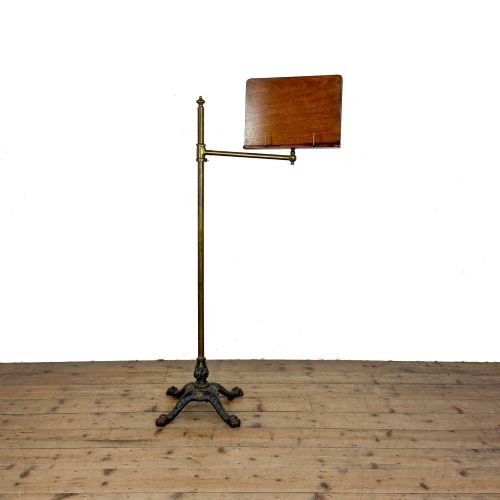
- A tall stand with a slanted top designed to hold a book for reading aloud. These often feature adjustable brass reading desks.
- Book slide
- An extending desk accessory with upright ends that holds a variable number of volumes upright. They frequently incorporate brass caps and expanding wooden actions.
- Pierced brass
- Metalwork decorated by cutting or piercing patterns through the sheet. This technique lightens the visual weight of the brass rest.
- Ormolu
- Gilded bronze or brass applied to decorative objects. It provides a bright metallic finish on select nineteenth-century pieces.
Brass Book Rest: Frequently Asked Questions
What is a brass book rest?
A brass book rest is a desktop accessory designed to hold books open at a readable angle. They utilise metal struts and folding frames to support heavy volumes.
Such items served scholars, readers, and churchgoers by keeping heavy texts stable during study or recitation.
How do you use a book rest?
You place an open book upon the ledge and adjust the rear support to the desired reading angle. Folding designs allow the stand to lie flat when not in use.
Extending models adjust horizontally to accommodate varying lengths of books between their upright ends.
How do you date a brass book rest?
Dating relies on material combinations, manufacturing techniques, and registered design numbers stamped into the metal. Oak and brass folding lecterns often date to the latter half of the nineteenth century.
Stylistic indicators such as Gothic Revival or Art Nouveau motifs further narrow the period of manufacture.
Where were these pieces used?
These pieces found places in libraries, studies, bedrooms, and churches across Britain. Domestic examples sat on writing slopes and tables for casual reading.
Ecclesiastical variants stood in pulpits and chancels to hold large service books.