




Brass Baluster Table Lamps
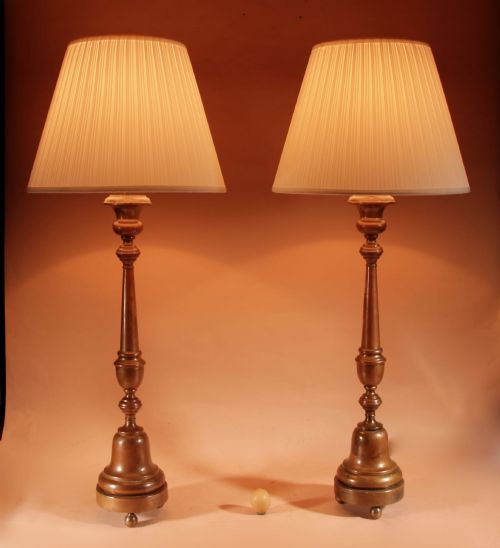
Brass baluster table lamps bring sculptural height and warm metal tones to a room, spanning Victorian, Edwardian and early twentieth-century designs.
Brass Baluster Table Lamps
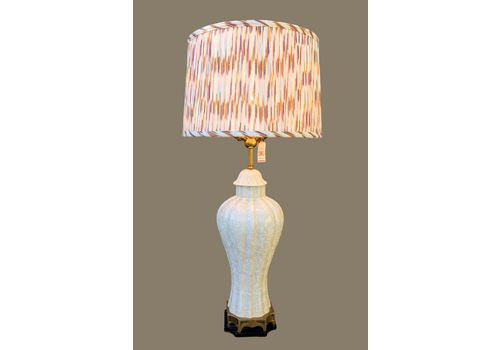
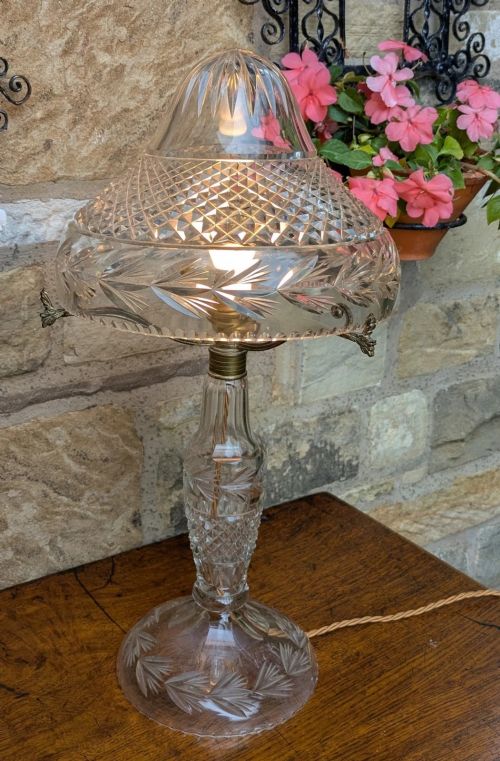
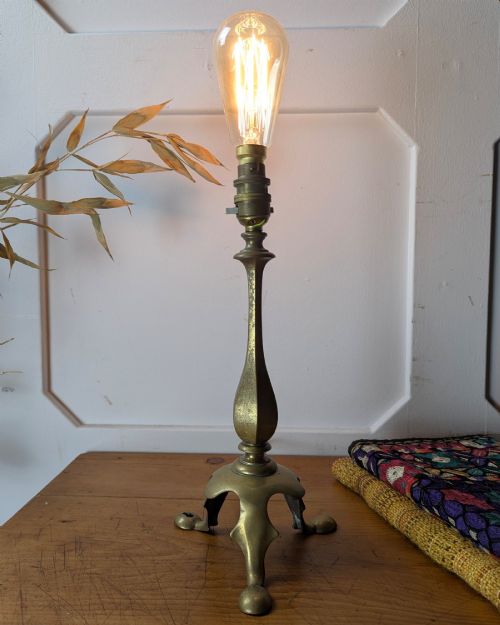
Brass baluster table lamps are upright lighting fixtures featuring the distinctive, swelling baluster form, ranging from sturdy nineteenth-century brass castings to slender Edwardian designs. These pieces often incorporate repurposed vessels such as Chinese porcelain vases or cut crystal bodies mounted onto solid metal bases.
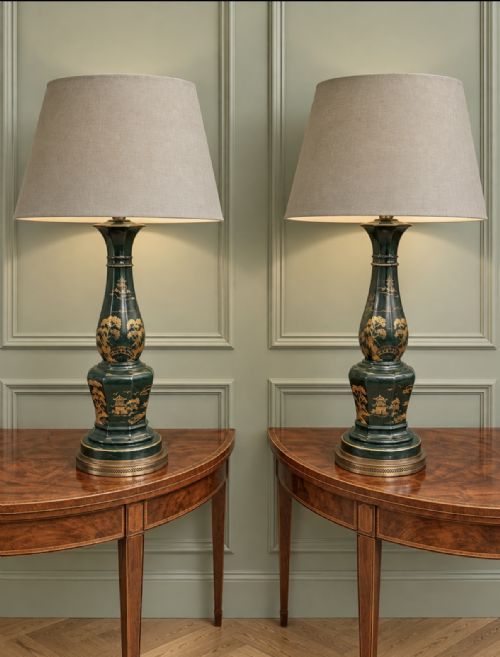
Buyers will frequently encounter examples from the Victorian and Edwardian eras, alongside pieces dated around nineteen-twenty that draw heavily on Chinese export styles. Alongside standard table lighting, the selection includes converted newel post lamps and hexagonal forms designed for side lighting.
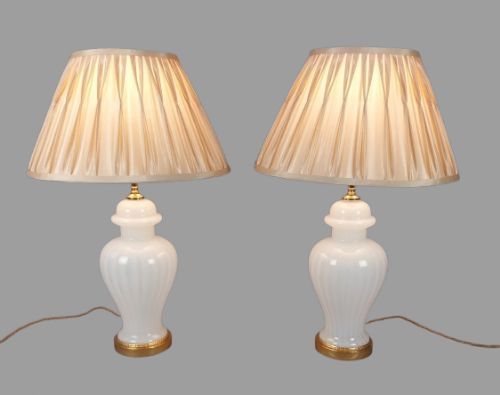
The materials paired with the central brass structures vary widely, taking in porcelain, opaline glass, enamel and celadon alongside fabric shades. Many pieces merge Asian ceramic traditions with European metalwork mounts, reflecting a long history of decorative adaptation.
How they were made
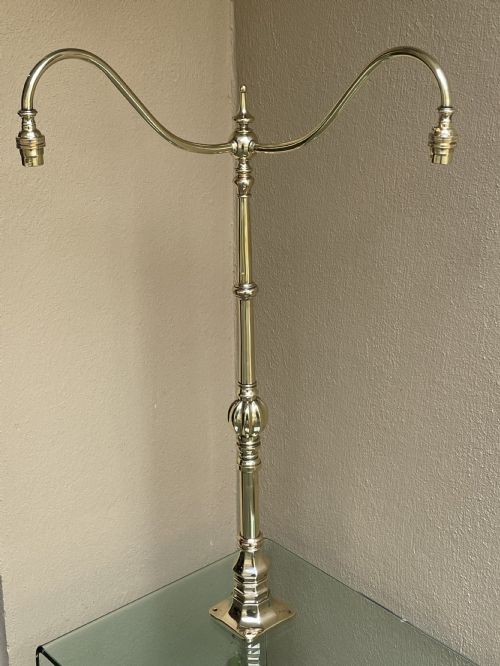
The foundational metal components rely on traditional brass casting and turning, creating the weighted baluster stems and square or circular bases seen across the Victorian and Edwardian periods. Gilt metal and bronze are also utilised to shape the structural mounts that secure ceramic or glass bodies.
Vessels transformed into lamps, including Chinese export vases and Parisian porcelain, are combined with metal hardware designed to accommodate electrical fittings while preserving the original ceramic body. Cut crystal and opaline glass elements are shaped and polished to catch the light before final assembly with fabric or metal shades.
Brass Baluster Table Lamps Retail Price Guide 2026
Typical asking prices for brass baluster table lamps among the pieces listed under this phrase on Sellingantiques today, from the lower quarter to the upper quarter. They describe what is for sale here now, not the wider market.
The selection spans Victorian, Edwardian and nineteen-twenty designs, incorporating styles from Chinoiserie to Art Nouveau.
What varies in quality
Quality rests in the weight and crispness of the brass casting, where sharper detailing on the baluster turns and heavier metal gauge distinguish superior examples. Finer pieces demonstrate precise alignment between the metal mounts and the central ceramic or glass body.
The artistic merit of the integrated vessels, from hand-painted Chinese famille verte and Canton glazes to high-grade Paris porcelain, dictates the upper tier of the range. Original patination on the brass and the integrity of any associated enamel or gilt work further mark out the most accomplished specimens.
The Brass Baluster Table Lamps Glossary
- Baluster
- A moulded shaft with a swelling lower portion resembling a classical architectural column. This distinctive silhouette forms the primary vertical structure of these lamps.
- Newel post lamp
- A sturdy lighting fixture originally designed to sit atop the terminating post of a staircase. These pieces are typically larger and heavier than standard table lamps.
- Famille verte
- A Chinese ceramic palette dominated by green enamel overglazes, frequently seen on vases adapted into nineteenth-century lamps. The style depicts natural scenes and floral motifs.
- Celadon
- A pale green jade-like glaze applied to Chinese ceramics, prized for its subtle tone. Nineteenth-century examples of this ware often appear mounted on brass bases.
- Opaline glass
- An opaque or translucent white glass popular in nineteenth and early twentieth-century lighting. It diffuses light softly through decorative shades and bodies.
Brass Baluster Table Lamps: Frequently Asked Questions
How do I choose the right size for a room?
Consider the surface where the lamp will rest and the surrounding furniture scale, keeping in mind that baluster forms add notable vertical presence. Larger paired pieces suit wide sideboards or entrance halls, while slender single lamps fit compact tables.
Ensure the height of the lamp aligns with eye level when seated, balancing the proportions of the brass base against the shade width.
How do I clean and care for brass bases?
Dust the brass and ceramic elements gently with a soft, dry cloth to prevent the accumulation of grime in the baluster grooves. Avoid harsh chemical polishes that strip away historical patination and age.
Preserving the natural surface wear maintains the visual character developed over the Victorian and Edwardian periods.
What is the difference between Victorian and Edwardian styles?
Victorian brass lamps often display heavier, more ornate castings with deep patination and traditional classical proportions. Edwardian designs tend towards lighter, more refined profiles, sometimes incorporating Chinoiserie or delicate glass elements.
Both periods share a commitment to solid metal construction and decorative versatility.