


Brass Apothecary Vessels
Brass apothecary vessels are utilitarian medical containers and grinding tools, offering buyers heavy cast metal utility and centuries of domestic history.
Brass Apothecary Vessels
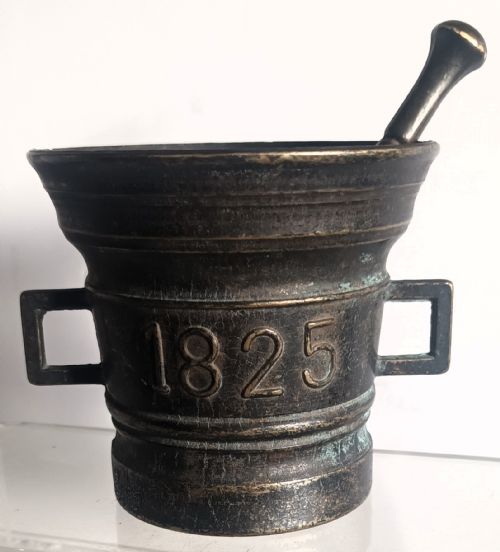
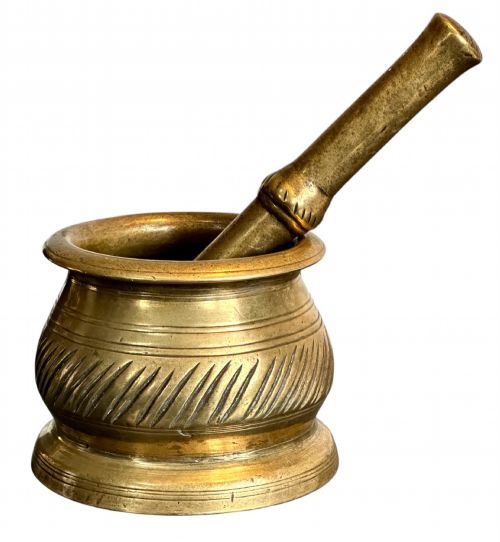
Brass apothecary vessels encompass heavy metal mortars, pestles, and jars used historically for compounding medicines and storing substances. When you search for brass apothecary vessels, you encounter robust kitchen and dispensary implements designed for crushing and holding dry or liquid remedies.
The pieces appearing here span multiple eras, notably the seventeenth, eighteenth, and nineteenth centuries, alongside Georgian and Victorian iterations. English and Dutch examples dominate, ranging from simple utilitarian grinds to heavily decorated ceremonial forms.
Forms include traditional mortar and pestle sets as well as distinct storage jars made from brass, bronze, glass, and tin-glazed earthenware. Buyers find everything from utilitarian chemist aids to decorative vessels featuring Tudor rose motifs and Gothic revival styling.
What varies in quality
Quality rests in the weight of the metal, the clarity of cast ornamentation, and whether the original pestle remains paired with its mortar. Heavy bronze and cast brass specimens with crisp decorative banding show superior foundry skill compared to plain utility items.
The preservation of surface patina and the inclusion of dated stylistic markers, such as specific Tudor rose stamps or regional Dutch forms, separate standard kitchen hardware from collectible historical artefacts.
Some seventeenth-century mortars wear the Tudor rose proudly, as if reminding the apothecary that loyalty blooms even among the crushed herbs.
The Brass Apothecary Vessels Glossary
- Mortar
- A heavy bowl in which substances are crushed or ground with a pestle. These solid metal vessels form the primary body of most apothecary grinding sets.
- Pestle
- A heavy tool with a rounded end used for pounding and grinding substances in a mortar. Original matched pestles significantly enhance the integrity of an antique set.
- Tin-Glazed Earthenware
- Pottery coated with a tin enamel that yields a white and opaque surface. This technique permits painted decoration on apothecary storage jars.
- Patina
- The natural sheen and surface coloration developed on metal over centuries of handling and exposure. A rich patina indicates age and authentic material composition.
Brass Apothecary Vessels: Frequently Asked Questions
How do I clean brass apothecary vessels?
Wash metal surfaces gently with warm water and mild soap, drying them thoroughly to protect the underlying metal. Avoid harsh chemical polishes that strip away historical patina.
Preserving the dark, aged finish maintains the visual character valued by collectors of early medical equipment.
Were these vessels used in kitchens?
Many heavy mortars served dual purposes in domestic households and professional dispensaries for grinding spices, herbs, and medical ingredients. Their robust construction made them essential tools for daily preparation.
Over time, utilitarian grinding sets transitioned from active workspace tools into decorative display objects.
How do I date a bronze mortar?
Dating relies on stylistic clues such as rim profiles, cast decorative motifs like Tudor roses, and regional casting characteristics. Seventeenth-century examples often display simpler, heavier forms with distinct banded mouldings.
Later Victorian pieces introduce refined chemist markings and standardised manufacturing details that distinguish them from earlier handmade items.
Are glass jars considered apothecary vessels?
Glass containers and gelatine jars served alongside metal mortars in nineteenth-century chemist shops for storing dry or liquid remedies. These transparent vessels allowed contents to be identified easily on dispensary shelves.
Their inclusion expands the category beyond metal grinding tools into pharmaceutical storage.