


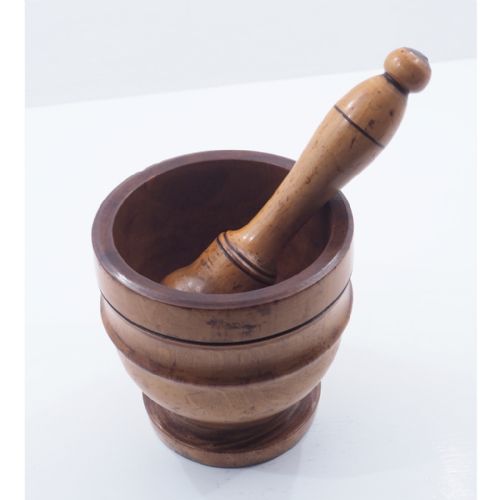


Herb Grinder Bowl
Herb grinder bowl pieces are traditional kitchen and apothecary vessels used to crush ingredients, offering tactile history and enduring utilitarian charm.
Herb Grinder Bowl
When you search for a herb grinder bowl, you are looking at heavy-duty utilitarian vessels designed for crushing and grinding botanicals, medicines, or kitchen ingredients. The forms span from apothecary mortars to kitchenware mortars and pestles, alongside dedicated treen bowls.
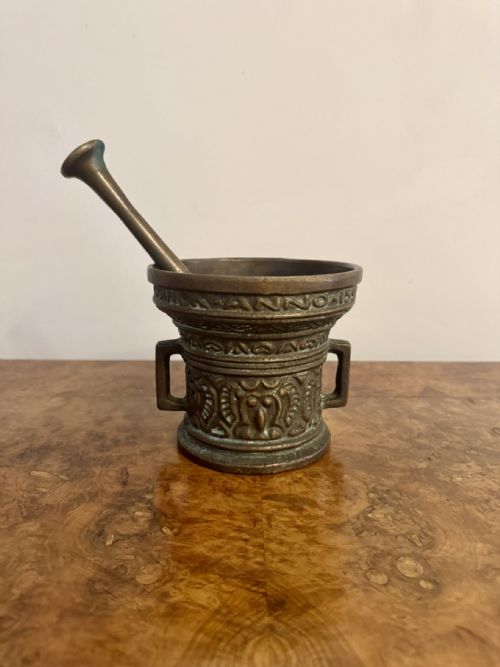
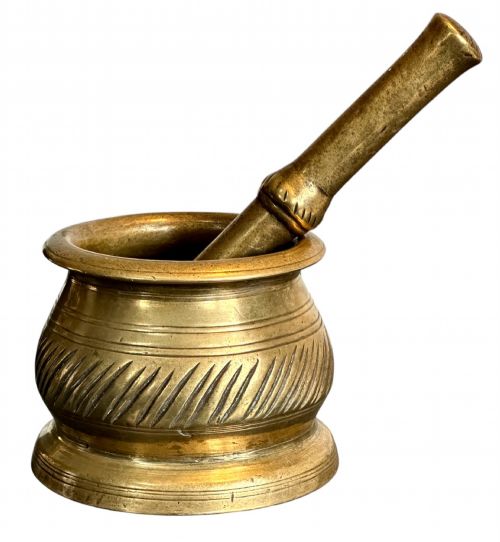
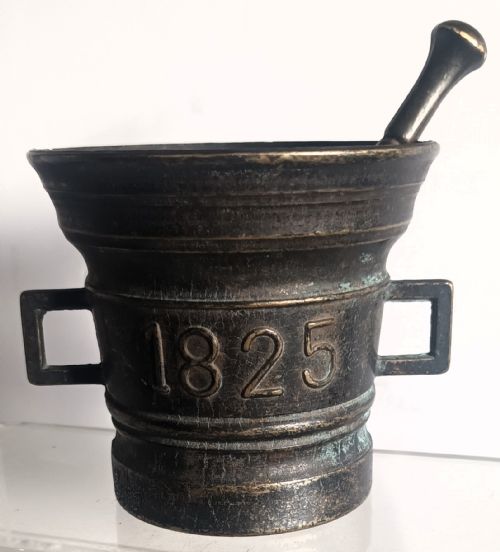
You are most likely to meet examples in bronze and brass from the nineteenth century on this page, alongside earlier seventeenth-century incarnations and occasional turned wood pieces. These objects bridge domestic culinary history and apothecary practice.
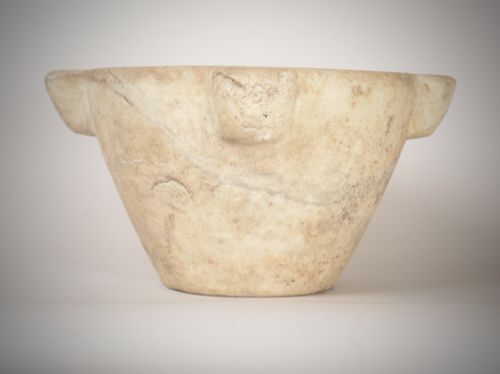
The periods represented stretch from the seventeenth century through Georgian and Victorian eras into the twentieth century. Forms range from simple sycamore octagonal bowls to heavy cast bronze and large marble mortars.
Materials and construction
Metal vessels like bronze and brass were typically cast, producing heavy walls capable of withstanding the repeated impact of a pestle. Surface details such as decorative bands or flared rims emerged directly from the casting and finishing process.
Wooden examples rely on turning on a lathe, utilising dense timbers like olive wood, sycamore, and lignum-vitae. This turned wood construction creates smooth, rounded interiors designed for efficient herb processing.
Stone and ceramic variations, including marble and heavy ceramic bodies, offer stable, non-porous grinding surfaces. These mineral and fired clay materials were chosen for their durability and resistance to abrasion during constant use.
Herb Grinder Bowl Retail Price Guide 2026
Typical asking prices for herb grinder bowl among the pieces listed under this phrase on Sellingantiques today, from the lower quarter to the upper quarter. They describe what is for sale here now, not the wider market.
Listings feature materials spanning bronze, brass, marble, stone, cast bronze, olive wood, turned wood, and ceramic.
Evaluating quality and execution
Quality in these pieces rests upon the integrity of the material and the weight of the vessel. A heavier bronze or dense lignum-vitae example indicates superior substance intended for rigorous apothecary or kitchen work rather than light decorative use.
The crispness of casting in metal pieces or the precision of turning in treen bowls defines the upper tier of manufacture. Well-defined rims, balanced proportions, and surviving matching pestles elevate a functional tool into a considered piece of craftsmanship.
The Herb Grinder Bowl Glossary
- Mortar
- A heavy bowl-shaped vessel in which substances are crushed or ground with a pestle. These range from small domestic kitchen implements to large apothecary examples.
- Pestle
- A heavy club-shaped tool used for pounding and grinding substances within a mortar. Matching period pestles complete the functional unit.
- Treen
- Small handmade wooden domestic objects. Turned wood mortars and bowls fall directly into this category of historical treenware.
- Lignum-vitae
- A dense, hard wood historically utilised for turned objects requiring exceptional durability. It withstands heavy impact without splintering.
- Apothecary
- Relating to the preparation and sale of medicines and drugs. Many surviving bronze and brass mortars served this professional function.
Herb Grinder Bowl: Frequently Asked Questions
What is a herb grinder bowl?
A herb grinder bowl is a traditional vessel, commonly known as a mortar, paired with a pestle for crushing dry ingredients, spices, or medicines.
These pieces reflect centuries of domestic and professional preparation techniques using durable materials like metal, stone, and wood.
How were these bowls used?
They were utilised in kitchens, apothecaries, and chemist shops to grind herbs, seeds, and medicinal compounds into powders or pastes.
The heavy base and thick walls allowed the user to apply downward force with a pestle without moving the vessel.
How do I date an antique mortar?
Dating relies on material composition, manufacturing marks, and stylistic clues typical of periods like the seventeenth century or the Victorian era.
Cast bronze and turned lignum-vitae often display distinct tool marks and patination characteristic of earlier centuries.
Can I still use these for cooking?
Many metal, stone, and ceramic mortars remain robust enough for culinary grinding tasks today.
Wooden treen bowls require more careful handling to preserve the historic timber surface and prevent moisture damage.