




Vintage Apothecary Equipment
These vintage apothecary equipment items span the nineteenth and early twentieth centuries, offering practical utility and historical weight for any room.
Vintage Apothecary Equipment
When you search for vintage apothecary equipment, you encounter utilitarian medical, dental, and pharmaceutical items created to serve working dispensaries and surgeries. The selections on this page encompass tangible tools from the Georgian, Victorian, and Edwardian eras, alongside pieces dated specifically to nineteen-ten and nineteen-twenty.
The objects span a distinct range of forms, including tabletop cabinets with multiple drawers, doctors scales, veterinary instruments, cork presses, and numerous mortar and pestle sets. Materials vary from heavy bronze and brass to cast iron, ceramic, beech, pine, steel, leather, and tortoiseshell.
You are most likely to meet mortar and pestle sets in bronze, brass, or lignum, alongside functional tabletop cabinetry and specialist items like veterinary vaccinating lancets or cast iron cork presses. Styles stretch across Victorian, Edwardian, Georgian, Gothic Revival, Industrial Utility, and Indo-Persian designs.
How they were made
Metals such as bronze, brass, and cast iron were cast and finished by hand to create durable mortars, scales, and presses designed for daily pharmacy work. These metal elements often show the direct marks of foundry production and long utility.
Wooden items, including beech and pine cabinetry alongside dense lignum vitae mortars, relied on traditional carpentry and turning techniques. These timber pieces combined structural dovetailing or turning with fitted drawers to safely store medical apparatus.
Vintage Apothecary Equipment Retail Price Guide 2026
Typical asking prices for vintage apothecary equipment among the pieces listed under this phrase on Sellingantiques today, from the lower quarter to the upper quarter. They describe what is for sale here now, not the wider market.
A cast iron cork press ensures your vintage bottles stay securely sealed.
What varies in quality
The distinction between standard utility items and finer examples lies in the integrity of the materials and the sophistication of the finish. Heavier cast bronze or brass objects with decorative detailing sit above simpler utilitarian pieces.
Cabinetry quality depends upon the preservation of original internal drawer configurations and the soundness of the timber construction. Complete sets that retain their original working components command greater historical interest.
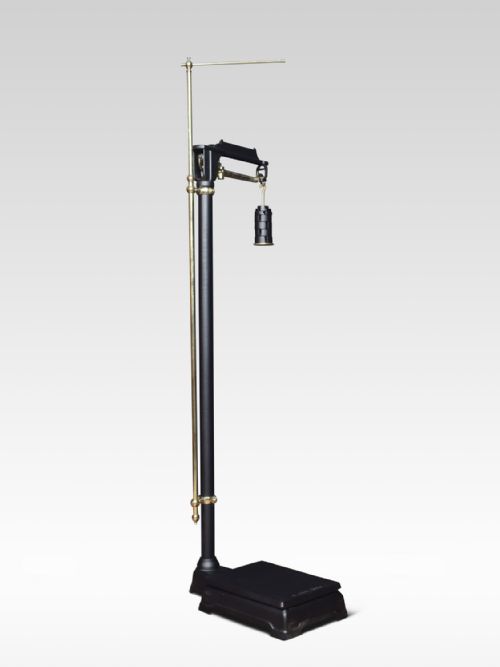
Fairbanks Scale Co
The Vintage Apothecary Equipment Glossary
- Mortar and pestle
- A heavy bowl and club-like tool used for crushing and grinding substances. They are frequently cast in bronze, brass, or turned from dense woods like lignum vitae.
- Tabletop cabinet
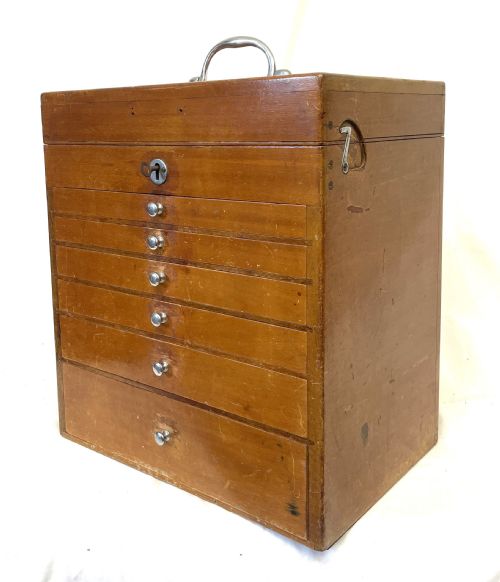
- A small wooden storage unit featuring multiple drawers designed to sit on a counter. These pieces provided organised storage for powders, instruments, and pharmaceutical supplies in a dispensary.
- Cork press
- A mechanical device operated by cast iron levers used by chemists to compress bottle corks. This ensured a snug fit in medicine bottles.
- Vaccinating lancet
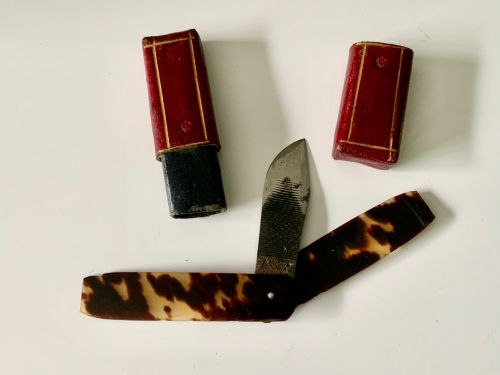
- A small surgical instrument with a sharp blade utilised for medical procedures. Veterinary versions served animal treatments.
- Lignum vitae
- A very dense and heavy heartwood derived from trees of the genus Guaiacum. It resists splitting and was traditionally chosen for hardworking pestles and mortars.
Vintage Apothecary Equipment: Frequently Asked Questions
What periods do these pieces represent?
The items originate from the Georgian, Victorian, and Edwardian eras, with specific examples dated to nineteen-ten and nineteen-twenty.
These periods reflect the shifting manufacturing methods of medical and apothecary trade tools over two centuries.
How were mortars and pestles utilized?
Apothecaries and chemists used mortars and pestles to grind, crush, and mix medicinal ingredients into powders and pastes.
Heavier metal and wooden versions provided the necessary resistance for compounding various pharmaceutical recipes.
What materials appear most frequently?
Metals such as bronze, brass, and cast iron form the majority of the grinding tools, scales, and presses.
Timbers like beech, pine, and lignum vitae appear in cabinetry and turned mortars, occasionally paired with steel, leather, or tortoiseshell.
How do I identify a Victorian piece?
Victorian examples often display the heavier industrial forms, robust cast iron construction, or detailed ornamentation typical of the nineteenth century.
Specific pieces may be marked directly as late Victorian or associated with nineteenth-century manufacturing traditions.