






Brass and Porcelain
Brass and porcelain items unite cast metalwork with delicate ceramic panels and vessels across nineteenth-century and early twentieth-century interiors.
Brass and Porcelain
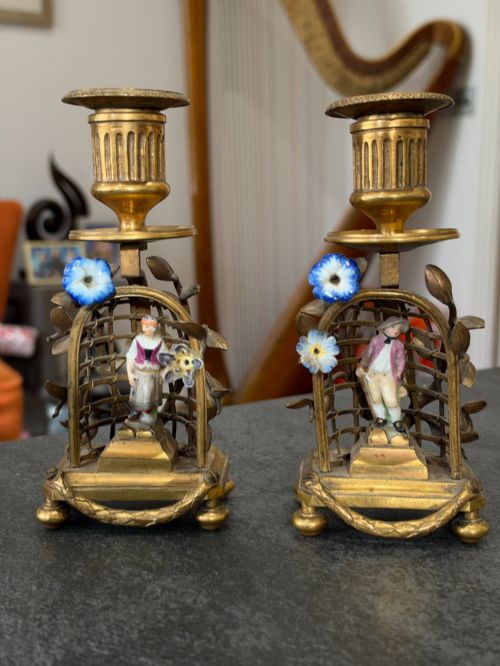
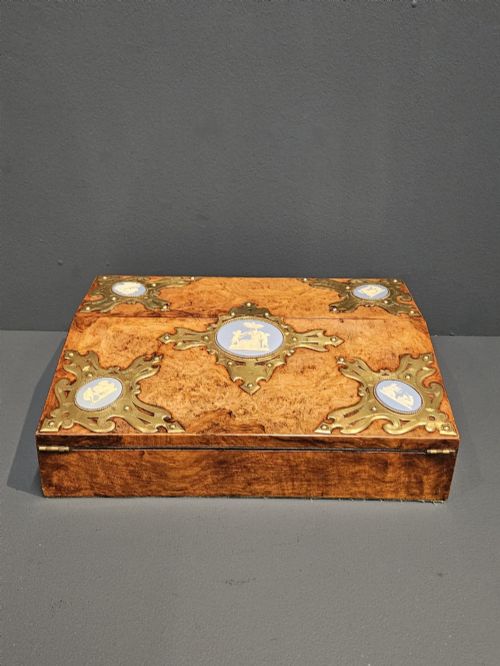
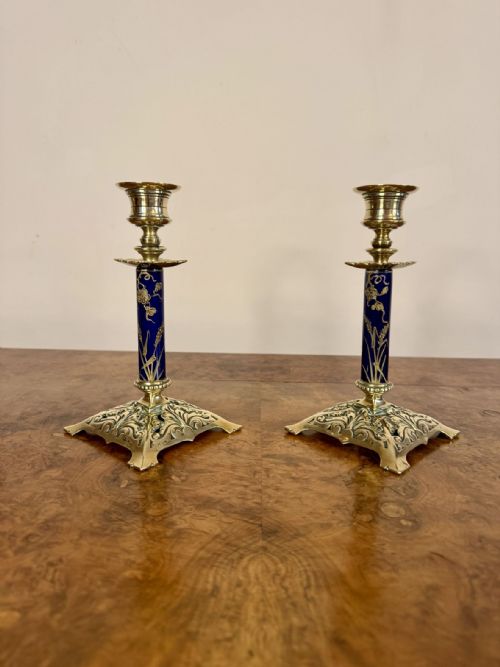
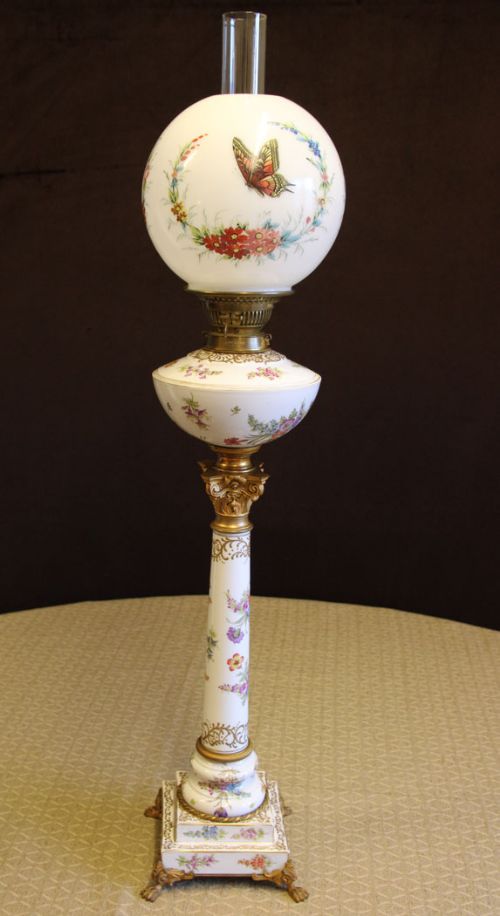
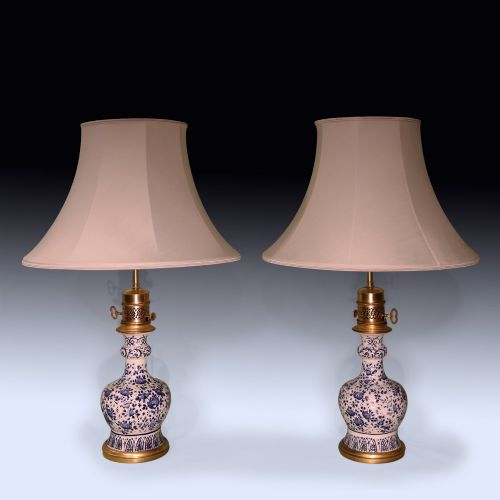
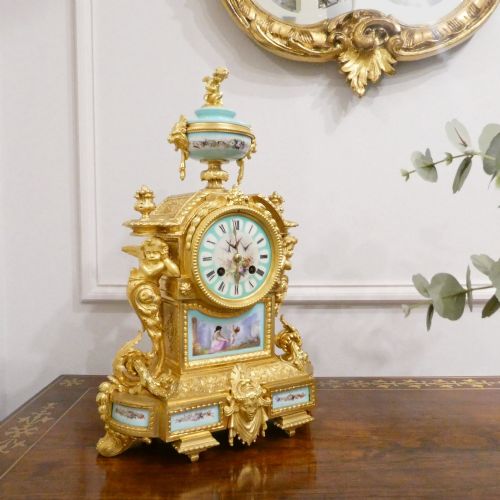
Brass and porcelain pieces encompass decorative and functional household objects that combine sturdy metal mounts with fired ceramic bodies. Buyers encounter mantel clocks, table lamps, jardiniere stands, wall sconces, and trinket boxes reflecting Victorian, French Rococo Revival, and Napoleon III aesthetics.
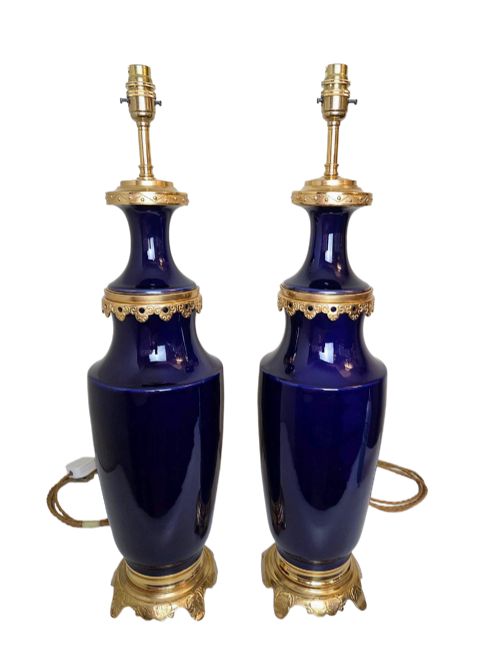
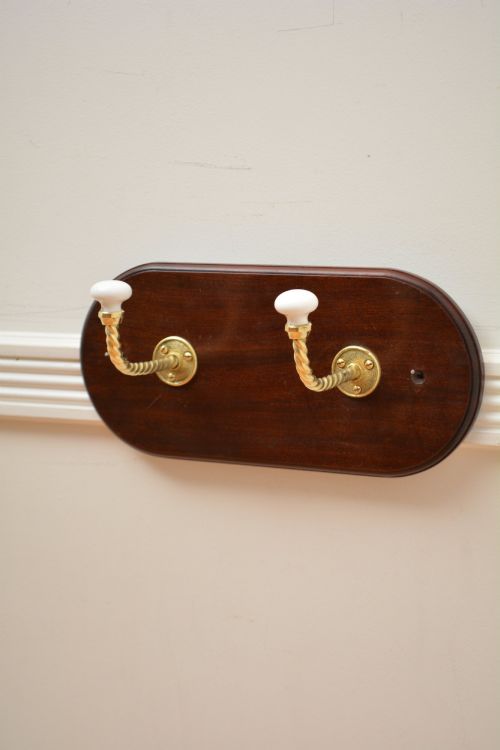
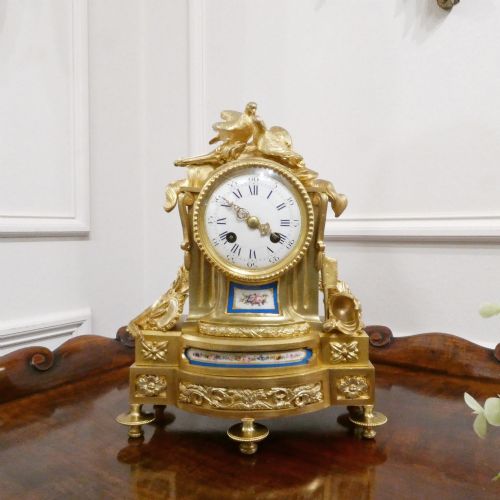
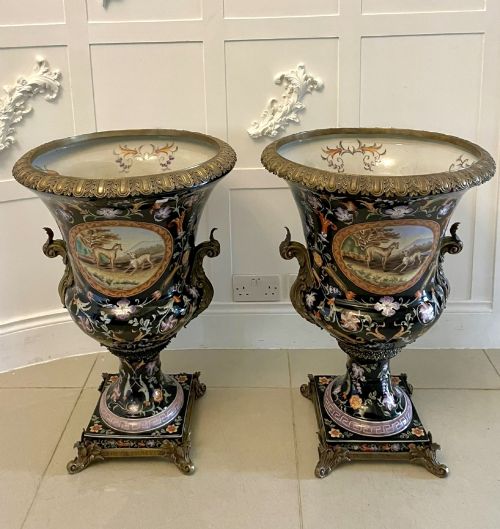
French mantel clocks and table lamps dominate the selection, frequently featuring hand-painted ceramic plaques or panels set into gilt bronze or ormolu housings. Other forms include coat racks fitted with ceramic hooks and large urns or vases adapted for interior display.
How they were made
Makers formed the metal elements using brass, gilt bronze, and ormolu, casting intricate mounts, feet, and bezels to frame the ceramic components. Wood substrates such as kingwood and ebonised timber occasionally provided structural support for larger furniture and jardiniere stands.
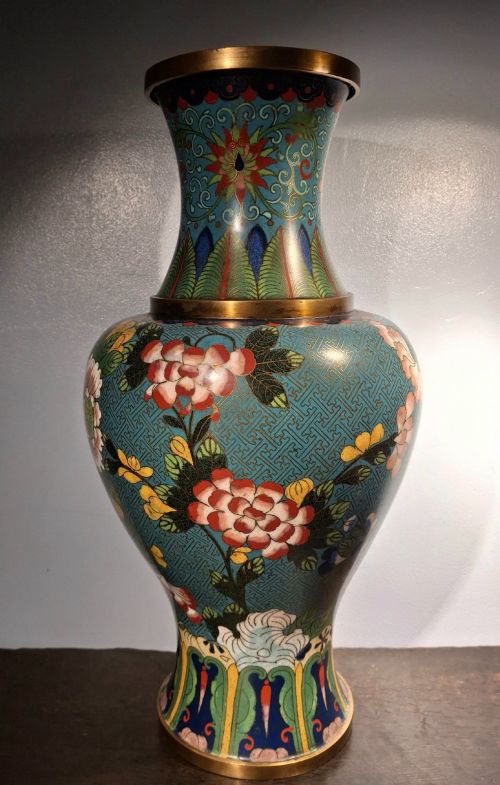
Ceramic sections utilised hard-paste porcelain, earthenware, and cloisonné enamel, often decorated with hand-painted floral motifs or cobalt glazes before kiln firing. Skilled artisans then combined these disparate media using mechanical fasteners and bronze mounts to secure the fragile ceramic panels within heavy metal frameworks.
Brass and Porcelain Retail Price Guide 2026
Typical asking prices for brass and porcelain among the pieces listed under this phrase on Sellingantiques today, from the lower quarter to the upper quarter. They describe what is for sale here now, not the wider market.
Even walking sticks received ceramic treatment, with nineteenth-century examples concealing porcelain handles beneath polished brass collars.
What varies in quality
Quality rests upon the crispness of the bronze casting and the artistic merit of the painted porcelain panels. Finer examples display deeply chased gilt metal mounts alongside finely detailed hand-painted ceramic scenes, whereas simpler domestic items rely on plain ceramic bodies and standard brass hardware.
The integration between the two materials dictates overall success, with superior pieces showing bespoke metal framing tailored precisely to the contours of the porcelain. Mechanical complexity in items such as clock movements or barometer mechanisms also separates standard decorative objects from high-tier horological works.
Jean-Baptiste Delettrez·Achille Brocot·Henry Marc·Etienne Lenoir·Villeroy and Boch·Royal Worcester
The Brass and Porcelain Glossary
- Ormolu
- Gilt bronze ornamentation applied to furniture, clocks, and decorative objects. This technique involves coating a bronze base with a mercury-gilding mixture to achieve a bright golden finish.
- Jardiniere
- An ornamental pot or stand designed to hold plants or flowers. These vessels often incorporate porcelain plaques and brass mounts.
- Cloisonne
- Enamelling technique where thin metal wires form compartments on a ceramic or metal base to hold coloured pastes. Artisans then fire the piece to fuse the enamel decoration.
- Sèvres
- French porcelain produced by the royal porcelain factory known for fine glazes and hand-painted panels. Pieces from this tradition frequently appear mounted in nineteenth-century clock cases and caskets.
Brass and Porcelain: Frequently Asked Questions
How do I clean brass and porcelain?
Clean the porcelain components gently using a soft, damp cloth and mild soap, avoiding harsh abrasives that might damage hand-painted glazes.
Polish the brass or ormolu mounts with a dry microfiber cloth, taking care not to let metal cleaning compounds touch the ceramic surfaces.
Are these clock movements original?
Many nineteenth-century mantel clocks retain their original mechanical movements, though some have undergone professional restoration to ensure they remain in running order.
Examine the backplate and dial signatures to determine if the movement matches the maker of the ormolu and porcelain case.
Where were these pieces made?
The majority of these decorative works originate from nineteenth-century French workshops and factories influenced by Rococo and Louis XV revival styles.
English and German manufacturers also produced comparable domestic items, including ceramic lamps, wall sconces, and fitted coat racks.
How should I style them at home?
Place mantel clocks and trinket boxes on prominent wooden surfaces such as side cabinets, mantelpieces, or entrance consoles where the contrasting textures stand out.
Pair larger jardiniere stands and table lamps with traditional interiors to highlight the nineteenth-century metalwork and ceramic glazes.