


Brass and Onyx Clock
A brass and onyx clock brings heavy stone and polished metal together on the mantelpiece, offering a sturdy centrepiece for a room.
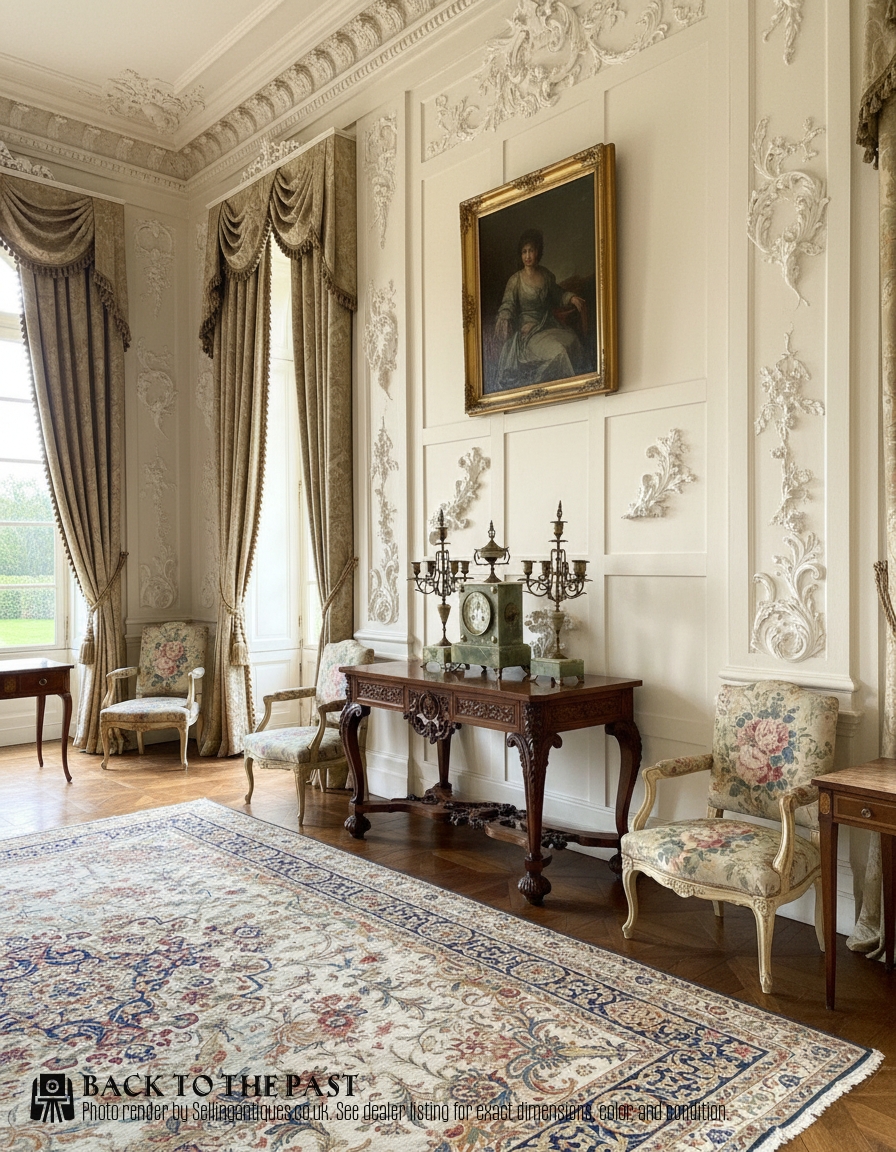
Brass and Onyx Clock
When you search for a brass and onyx clock, you are looking at mantel timepieces that combine metalwork with polished stone bodies, spanning periods from Victorian and French Second Empire through to Art Deco. These pieces range from simple domestic timekeepers to grand garniture sets flanked by matching ornaments.
The version you are most likely to meet on this page is of French origin, often featuring green onyx panels combined with gilt brass or ormolu mounts. Many of these examples incorporate glass panels or champlevé enamel work alongside the stone.
Mantel clocks and clock garnitures form the bulk of the objects found here, frequently housing French movements designed to sit proudly on a fireplace or sideboard. The styles stretch from ornate revival designs to clean geometric lines of the early twentieth century.

What varies in quality
The grade of the stone housing separates standard production pieces from finer examples, with rich, even green onyx commanding more attention than plain or patched marble. The weight and depth of the brass or ormolu mounts also signal the standard of manufacture.
Movement quality dictates the mechanical merit of the piece, particularly when signed by known makers whose escapements and striking mechanisms demonstrate superior precision. The integration of decorative elements like champlevé enamel or detailed spelter figures further distinguishes the better examples.
Listings feature French and English pieces spanning the Victorian era through to the Art Deco period of the nineteen-thirties.
Elliott·Auguste Moreau·Ferdinand Priess·Samuel Marti
The Brass and Onyx Clock Glossary
- Onyx
- A banded variety of chalcedony quartz, though in nineteenth-century clocks the term often refers to banded calcite or marble used for heavy architectural cases.
- Ormolu
- Gilded bronze produced by applying a mercury and gold amalgam to cast bronze before heating, creating a durable golden finish on decorative mounts.
- Garniture
- A set consisting of a central clock accompanied by matching side ornaments, such as urns or vases, designed to display together on a mantelpiece.
- Champlevé
- An enamelling technique where troughs or cells are hollowed out of a metal surface and filled with vitreous enamel before firing and polishing.
- Spelter
- An alloy of zinc and other metals used as a cheaper alternative to bronze for casting sculptural figures and decorative ornaments.
Brass and Onyx Clock: Frequently Asked Questions
Where did these clocks usually sit?
These clocks typically stood on the mantelpiece above a fireplace, acting as the visual anchor for the hearth in a formal room.
Matching garniture sets were often spread across the mantel shelf or arranged on a nearby sideboard to create a balanced display.
How do I identify a French clock?
French clocks of this period frequently feature stamped brass movements inside the stone case, often bearing the marks of volume makers or exhibition medals.
The use of ornate ormolu mounts and green onyx panels is also characteristic of nineteenth-century French workshops.
What is a clock garniture?
A clock garniture is a matched set containing a central timepiece accompanied by two side pieces, such as decorative urns or candelabra.
These sets were manufactured to provide a unified decorative scheme for grand interiors.
How should I clean the onyx?
Onyx and marble surfaces benefit from gentle dusting with a soft, dry cloth to prevent the accumulation of grit in the crevices.
Harsh chemical cleaners must be avoided, as moisture and strong solvents can damage the polished stone and corrode the brass mounts.