

Brass and Oak Table
Brass and oak table designs combine sturdy timber frames with metallic accents, offering practical surfaces for daily use.
Brass and Oak Table
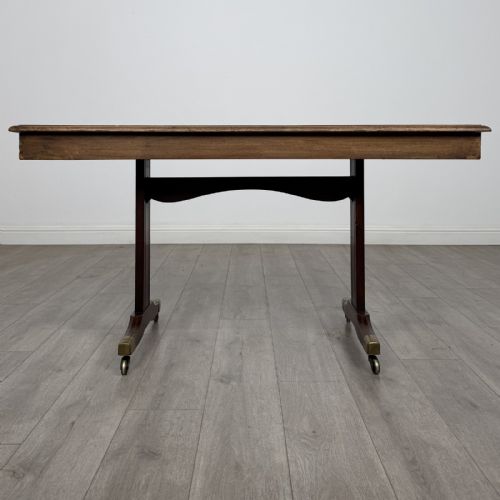
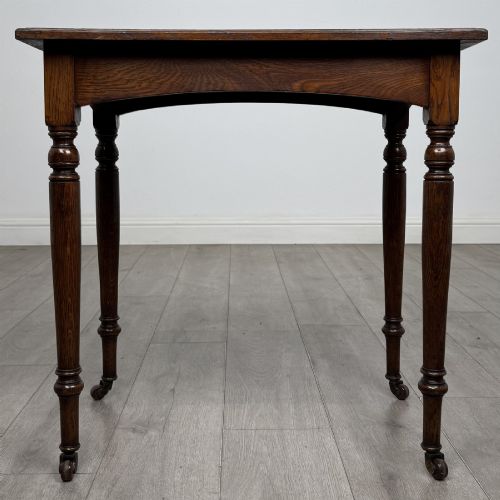
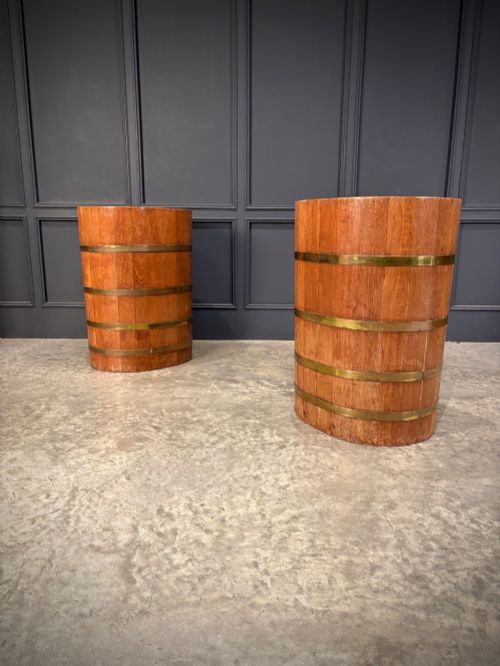
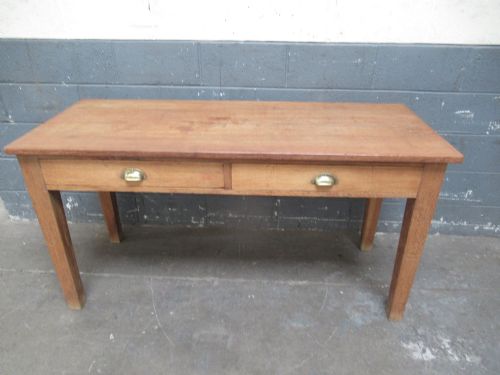
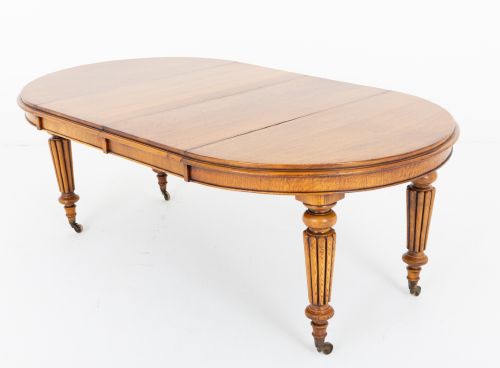
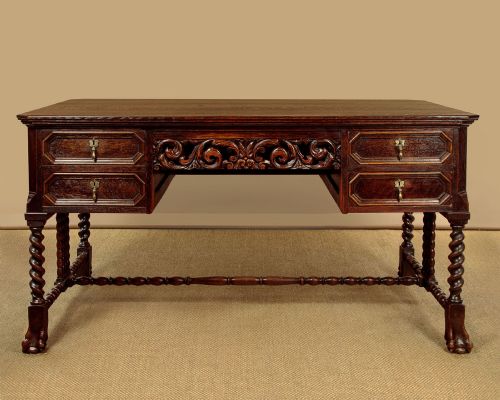
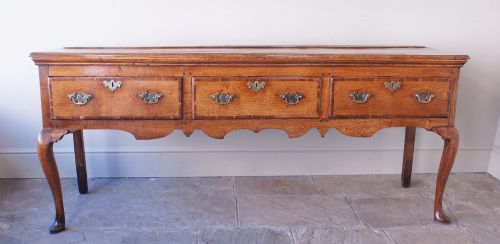
A brass and oak table brings together robust hardwood structures and metal detailing, spanning periods from the eighteenth century through to the twentieth century. Buyers seeking a brass and oak table encounter various forms including side tables, writing desks, and dining surfaces.
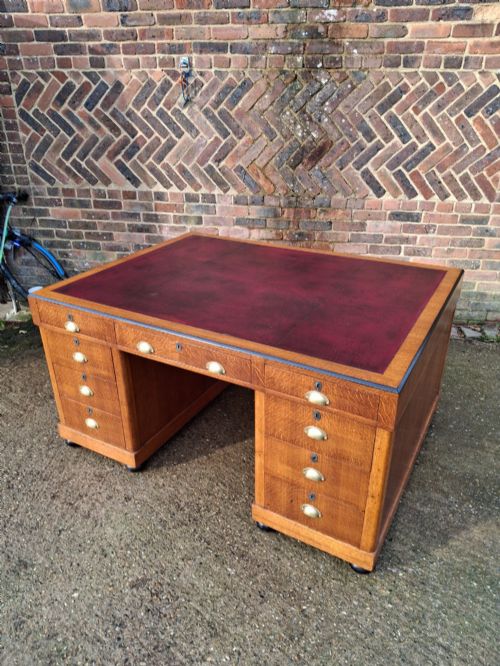
The selection ranges from Georgian lowboys and Victorian writing desks to Arts and Crafts creations, reflecting diverse styles such as Queen Anne, Jacobean Revival, and Art Deco. Oak provides the foundational structure while brass appears in mounts, handles, dials, and tabletops.
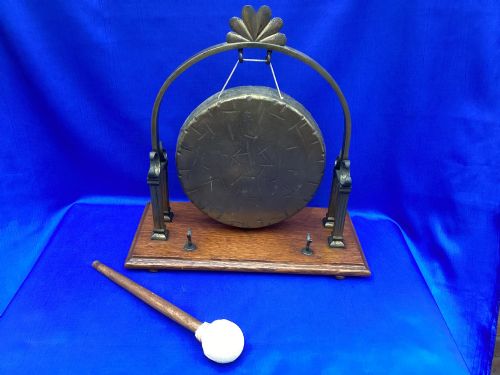
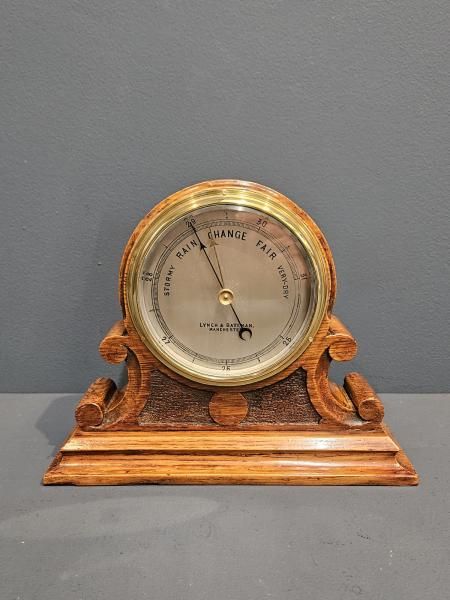
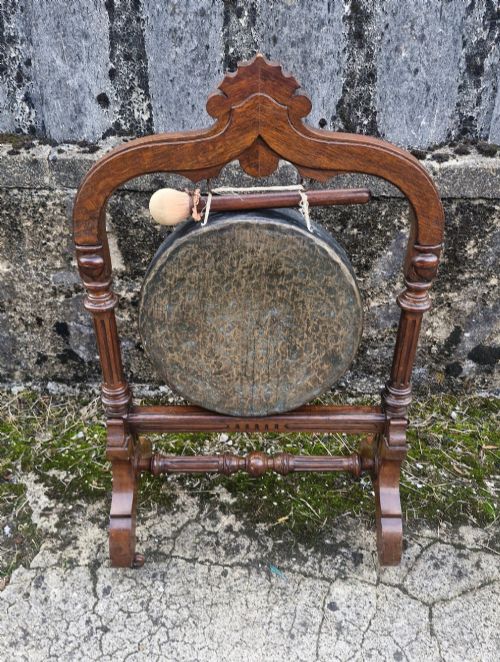
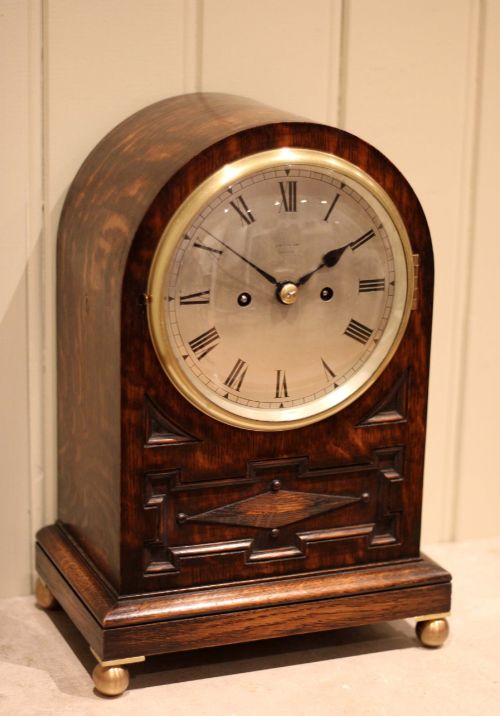
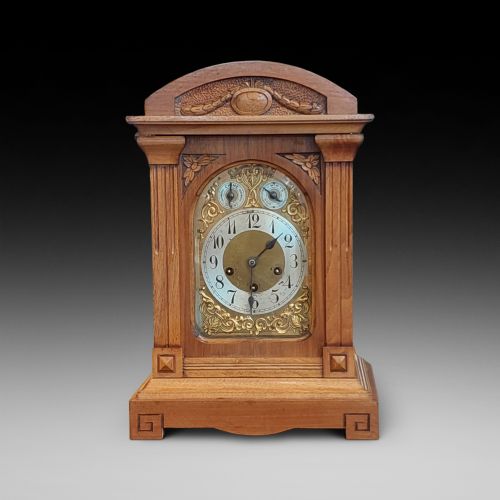
Earlier examples display traditional cabinetmaking techniques in solid timber, whereas later twentieth-century pieces incorporate diverse woods alongside brass elements like clock faces and dinner gongs. Selecting a piece involves weighing the historical period against the desired domestic function.
Assessing quality
Quality rests upon the integrity of the timber framing, the crispness of any carved details, and the originality of the brass fittings. Superior examples retain their original surface finishes and period brassware rather than later replacements.
Construction precision distinguishes finer workshop output, evident in smooth drawer operations and tightly fitted joints. Pieces displaying balanced proportions and well-preserved brass accents represent the upper tier of the range.
Brass and Oak Table Retail Price Guide 2026
Typical asking prices for brass and oak table among the pieces listed under this phrase on Sellingantiques today, from the lower quarter to the upper quarter. They describe what is for sale here now, not the wider market.
Listings span periods from the eighteenth century to the mid-twentieth century, combining oak, brass, leather, and glass across various table and clock formats.
The Brass and Oak Table Glossary
- Lowboy
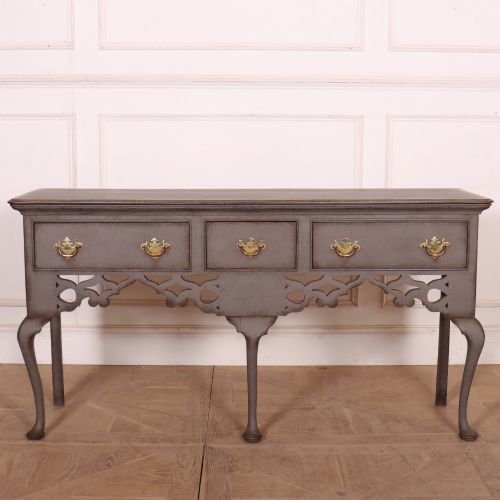
- A small side table or dressing table with drawers, popular during the eighteenth century. These pieces typically stand on four legs and utilise oak construction.
- Dresser base
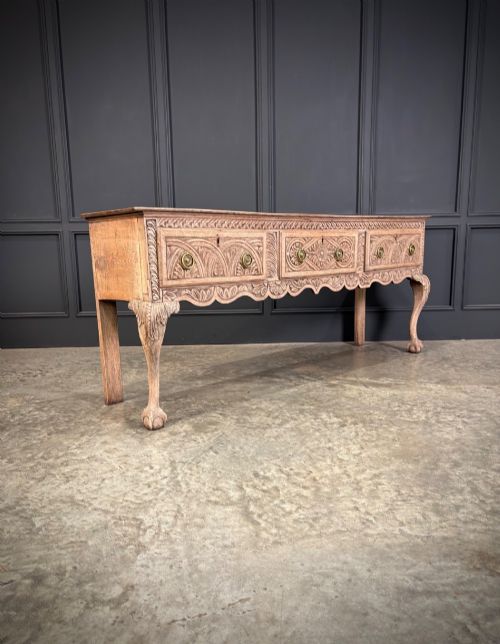
- A long, low table featuring drawers, originating in the seventeenth and eighteenth centuries. They served domestic storage purposes in country houses.
- Fusee bracket clock
- A spring-driven clock movement regulated by a fusee cone to maintain even power delivery. They frequently sit within architectural wooden cases.
- Arts and Crafts
- A design movement valuing handcraftsmanship and traditional materials over industrial mass production. Pieces from this style often combine oak with hammered metals.
- Bureau plat
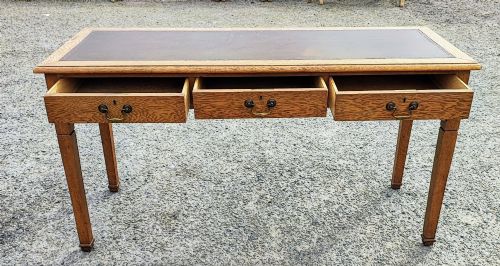
- A type of writing table fitted with drawers across the frieze. These desks often incorporate leather inserts on the top surface.
Brass and Oak Table: Frequently Asked Questions
How do I date an oak table?
Dating relies on examining the construction methods, tool marks left on the timber, and stylistic cues from specific design periods. Hand-cut dovetails and pegged joints generally indicate earlier eras.
Hardware and secondary woods also provide chronological clues. Original brass fixtures and locks match the manufacturing period of the main oak structure.
Where were brass and oak tables used?
These tables served various domestic and administrative functions, appearing in entrance halls, studies, and dining rooms. Smaller side tables accommodated everyday household items.
Writing tables and lowboys provided functional work surfaces in private chambers. Their robust oak construction suited high-traffic domestic environments.
How should I care for oak and brass?
Maintain oak surfaces by applying appropriate wax polish to nourish the timber and prevent drying. Avoid placing wooden furniture near direct heat sources or strong sunlight.
Clean brass elements gently with a dry cloth to preserve their natural patina. Avoid harsh chemical cleaners that strip the historic surface finish from the metal.
What styles are common in these tables?
The selection encompasses traditional Georgian and Victorian forms alongside decorative Arts and Crafts and Art Deco interpretations. Each period brought distinct aesthetic priorities to the woodwork.
Early pieces focus on plain timber surfaces and simple joinery, while later examples incorporate bolder stylistic motifs. Brass detailing adapts to these changing artistic movements.