


Brass and Oak Barometer
A brass and oak barometer brings together robust timber and gleaming metal to measure atmospheric pressure with period precision.
Brass and Oak Barometer
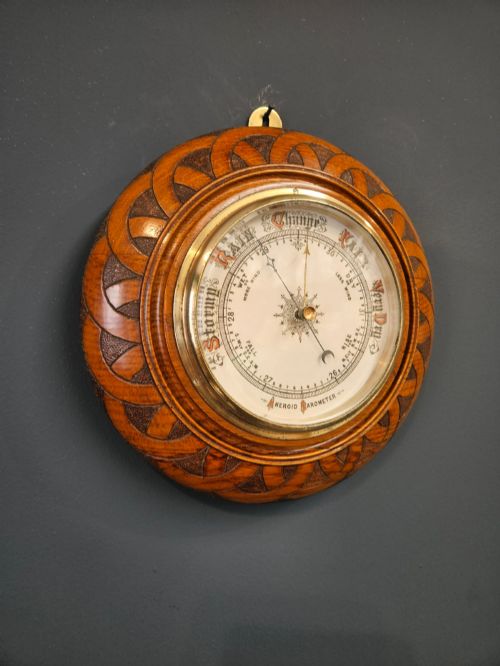
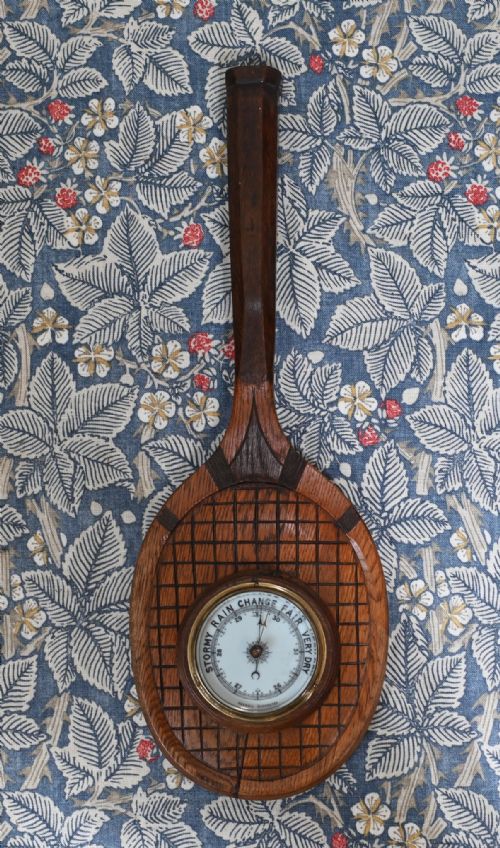
A brass and oak barometer combines durable hardwood cases with polished metal dials, bezels, and mercury tubes. These meteorological instruments range from domestic wall pieces to desktop weather stations and mechanical recording barographs.
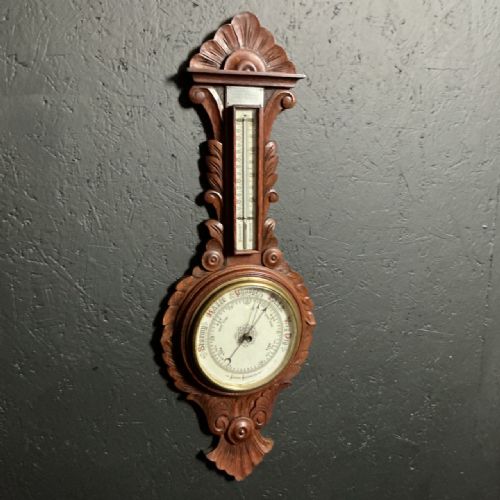
Most examples found here date from the Victorian and Edwardian periods, stretching into the early twentieth century. Common formats include banjo wall barometers, circular aneroid models, and multi-glass chart recorders fitted with thermometers.
Buyers choose these objects for their combination of functional science and decorative joinery. They sit comfortably in hallways, studies, and libraries, offering a direct link to historical weather recording.
Materials and Construction
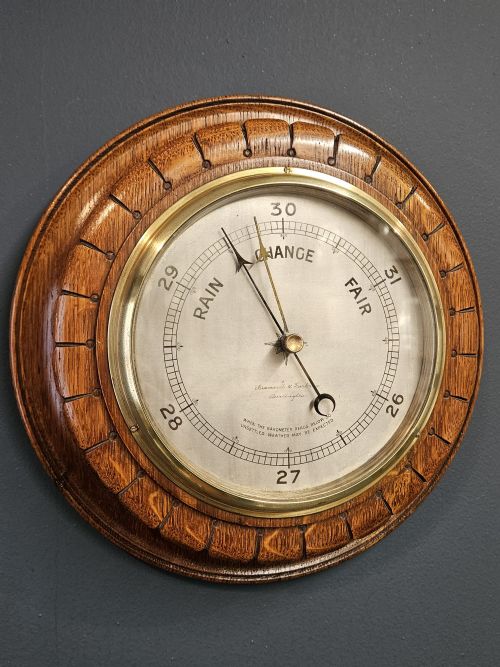
Makers utilised solid oak, often carved with geometric patterns, foliage, or animal motifs, alongside walnut and turned timber housings. Bevelled glass protects the delicate silvered metal dials, paper charts, and steel needles within.
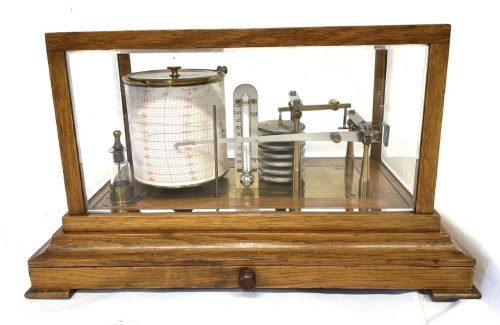
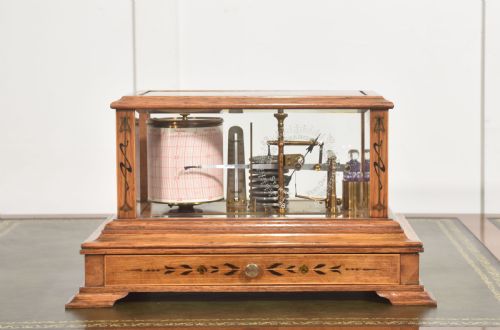
Brass provides the structural bezels, hanging rings, and delicate recording levers found in complex barographs. Paper charts receive inked records from mechanical arms driven by aneroid barometric cells inside the glazed wooden cases.
Materials span solid oak and walnut housings paired with brass bezels, silvered metal dials, and bevelled glass windows.
Evaluating Quality and Craftsmanship
The sophistication of the timber carving and the clarity of the silvered dial separate standard instruments from exceptional works. Finer pieces feature crisp architectural mouldings, intricate relief carving, and specialist maker signatures on the face.
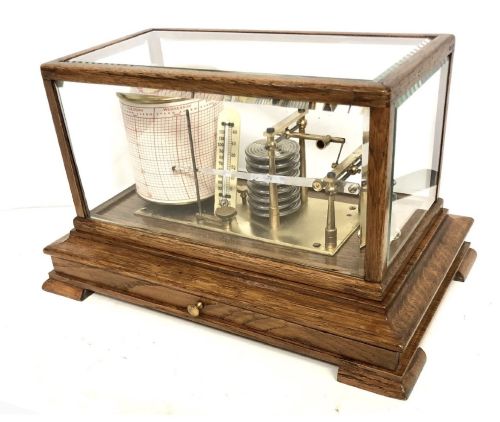
The complexity of the internal mechanism dictates the grade of the piece, particularly in recording barographs featuring multiple glass panels and integrated chart drawers. Original glass, legible dial engraving, and undamaged wooden cases elevate the status of any surviving weather instrument.
Bramwell & Harbron of Darlington·Short & Mason·Negretti & Zambra·James Pitkin London·Dobbie son and Hutton London
The Brass and Oak Barometer Glossary
- Barograph
- A self-recording aneroid barometer that plots atmospheric pressure onto a revolving paper chart over a week. These mechanical devices sit inside glazed wooden cases, often complete with an ink pen and recording drum.
- Aneroid Barometer
- An instrument that measures air pressure through the expansion and contraction of a sealed metal capsule without using liquid mercury. The movement connects via levers to a visible needle on a graduated dial.
- Silvered Metal
- A brass or copper dial plate treated with a silver compound to produce a matte white metallic surface. This technique provides high contrast for engraved black weather inscriptions and numbers.
- Stick Barometer
- A tall, vertical barometer relying on a column of mercury in a glass tube to indicate atmospheric pressure. These traditional wall-hanging instruments often include a vernier scale for precise reading.
- Bevelled Glass
- Plate glass with an angled, polished edge fitted into brass bezels or instrument case doors. This treatment catches the light and adds depth to the viewing window.
Brass and Oak Barometer: Frequently Asked Questions
How do I read a mechanical barograph?
A barograph tracks pressure trends over seven days by drawing a continuous line onto a rotating paper chart secured to a drum. Rising lines indicate improving weather, while falling traces point towards approaching storms.
The metal arm responds to atmospheric pressure changes acting on internal vacuum chambers, moving the pen across the graduated paper grid. By comparing today's trace with previous days, observers can anticipate local weather shifts.
Where should I hang a wall barometer?
Choose an interior wall away from direct sunlight, central heating radiators, and draughty exterior doors. Stable room temperatures ensure the internal aneroid mechanism operates accurately without thermal interference.
Most wall-hanging instruments feature a brass suspension ring on the upper case designed to hook securely onto a sturdy wall screw. Ensure the backing timber rests flat against the plaster for correct mechanical alignment.
How do I date an oak barometer?
Examine the style of the oak case, the typography on the dial, and any maker signatures or registration numbers. Victorian examples often feature heavy carving, whereas Edwardian and 1930s pieces lean towards cleaner geometric lines.
Barographs from the early twentieth century frequently incorporate five-glass display cases and chart drawers. Comparing the construction techniques and brass hardware against known historical periods confirms the age.
Do antique barometers still work accurately?
Many surviving aneroid and mercury barometers remain fully functional and respond reliably to current atmospheric pressure changes. Mechanical barographs may require new ink supplies or careful calibration against a known standard.
Periodic gentle adjustment using the small brass screw on the rear of the aneroid movement aligns the needle with local barometric readings. Professional servicing ensures delicate internal levers and linkages move freely.