
Brass and Iron Stand
A brass and iron stand brings heavy metal utility into the hallway or hearth, pairing golden polished surfaces with dark structural framing.
Brass and Iron Stand
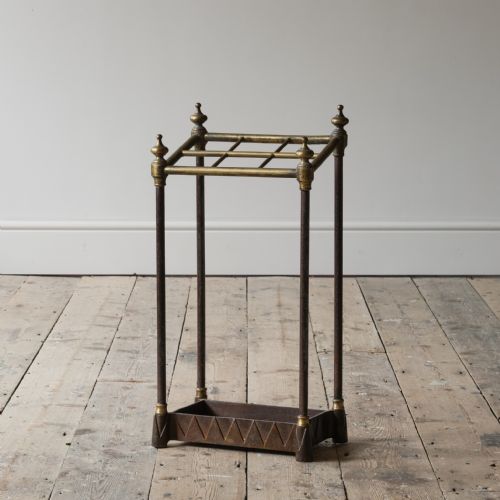
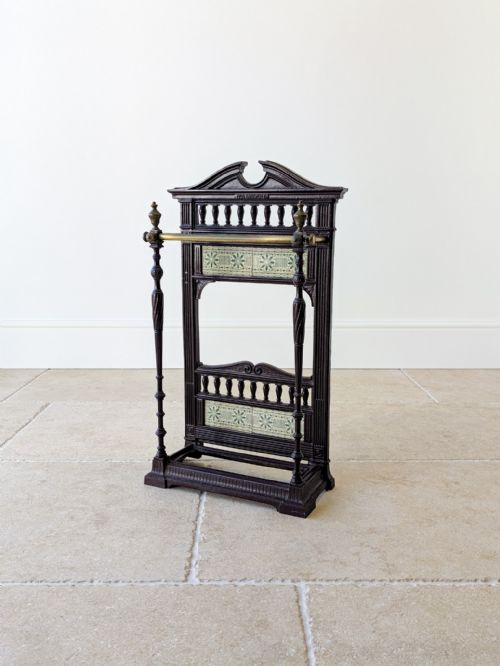
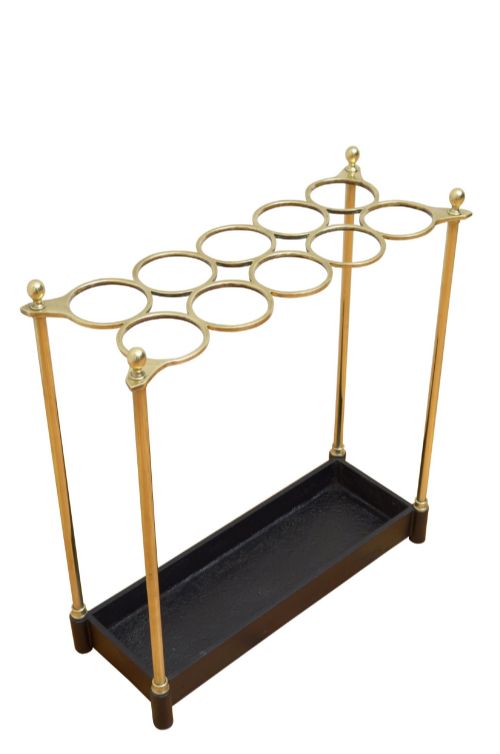
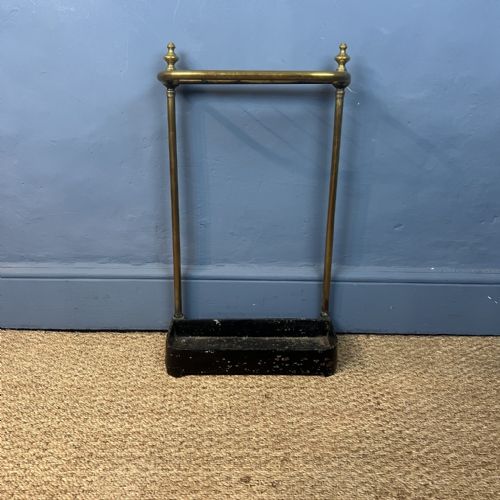
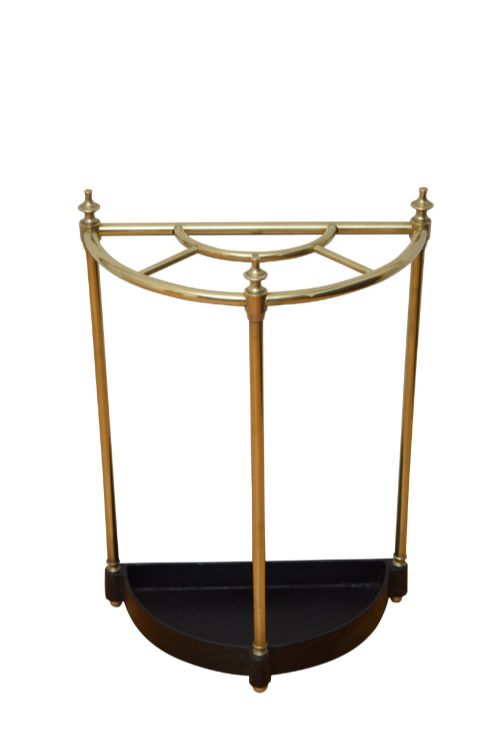
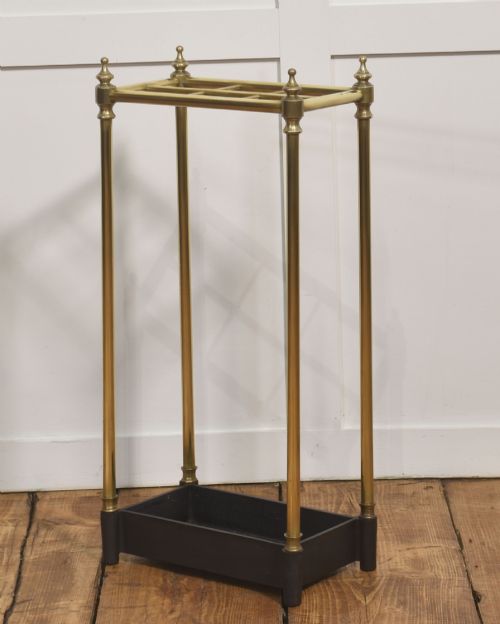
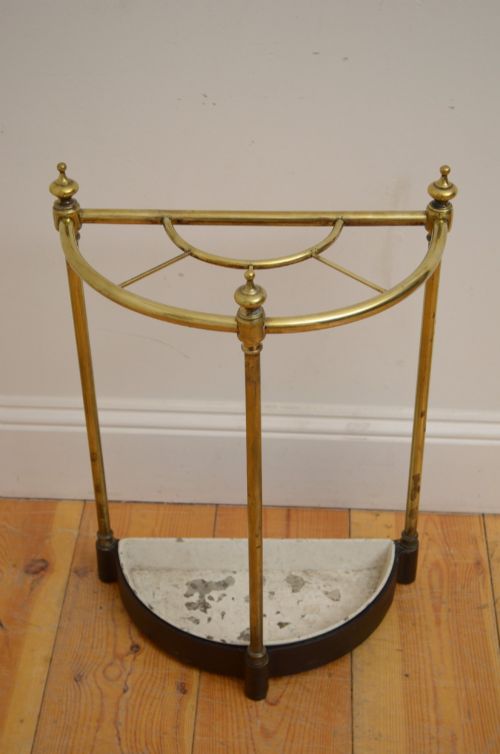
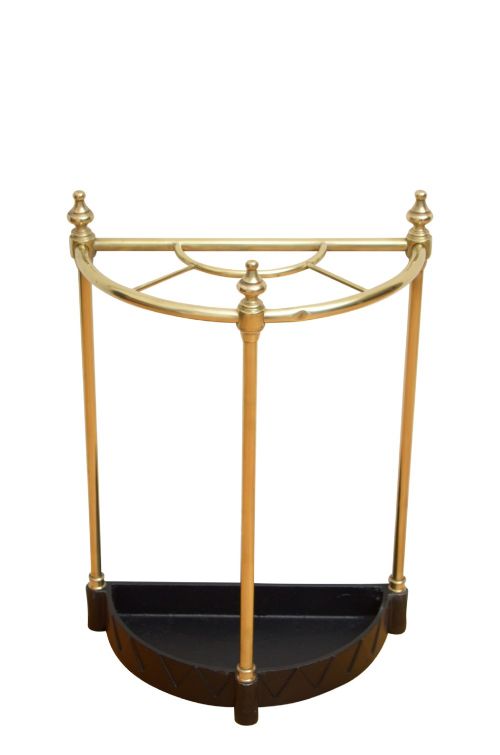
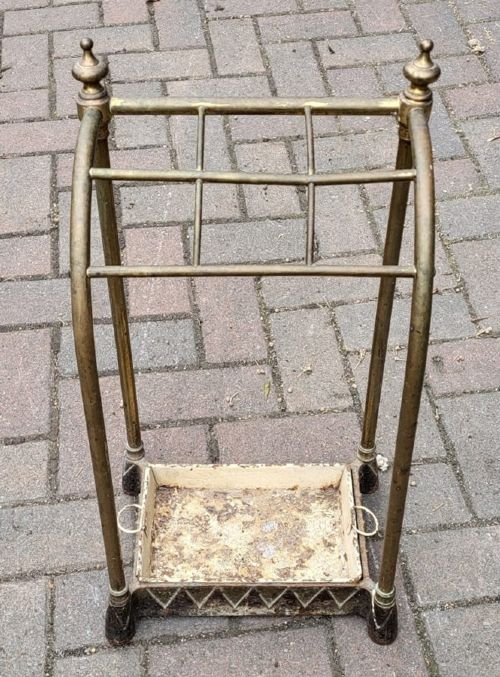
A brass and iron stand most commonly appears as an umbrella or stick stand designed for hallway use during the Victorian and Edwardian periods. These pieces combine a heavy cast iron base and frame with bright brass rails, drip pans, and finials.
Makers produced these functional items in varying division counts, from narrow four-section holders to large ten-division units intended for country houses. Demi-lune and half-moon shapes feature prominently, allowing the stands to sit flush against hallway walls.
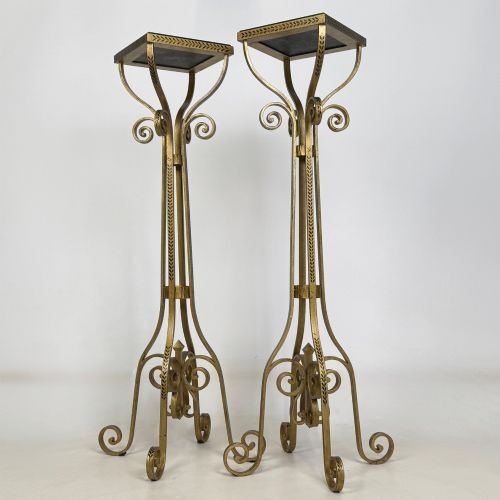
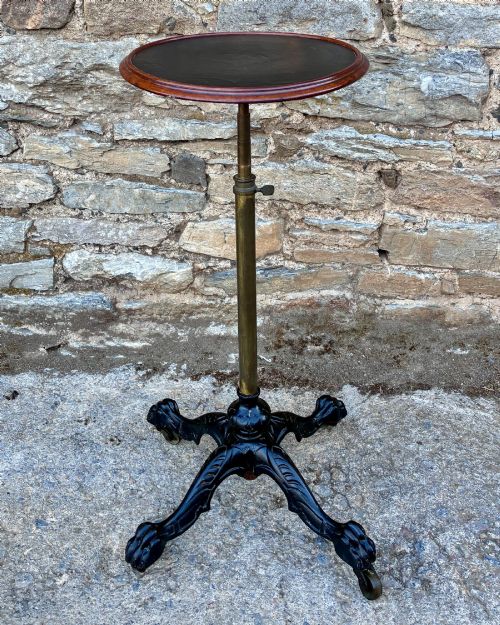
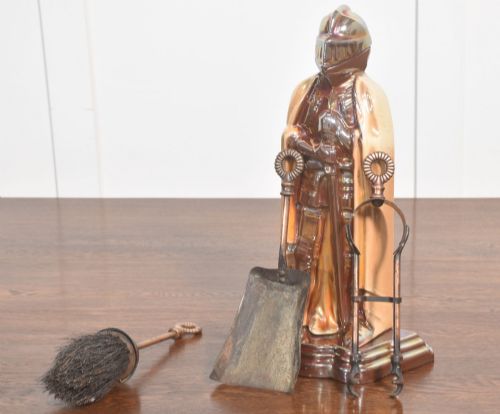
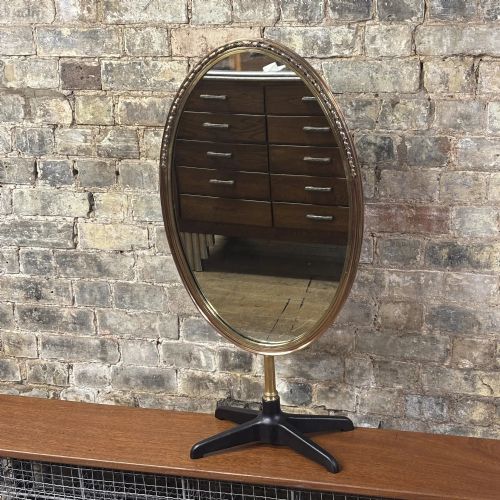
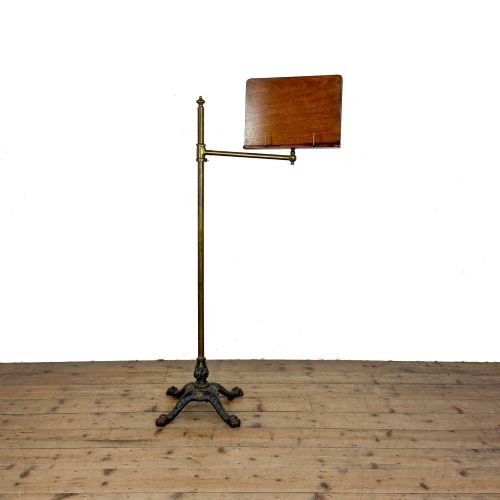
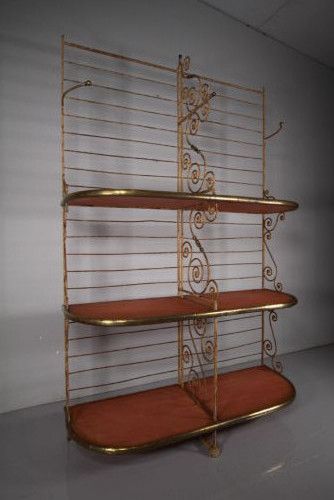
Beyond hallway furniture, the archive and current listings show similar material pairings utilised in display stands, reading stands, and fireplace accessories spanning the late nineteenth and early twentieth centuries.
Materials and Technique
Foundries cast iron using sand moulds to create stable, heavy frames and decorative backplates featuring geometric divisions, floral motifs, or animal forms. Wrought iron also appears in specific structural elements and scrollwork.
Makers formed brass components through sheet rolling, casting, and spinning, producing bright rails, decorative ball finials, and removable bottom drip pans designed to catch rainwater from wet umbrellas.
Assembly typically involved threaded iron rods or bolts securing the brass tubes and dividers to the heavy iron base, occasionally incorporating ceramic tile bases or dog tooth trays.
Listings for this phrase span the Victorian, Edwardian, and early twentieth-century periods, dominated by cast iron, wrought iron, and brass.
Design and Execution
Quality in a brass and iron stand rests upon the crispness of the iron casting and the gauge of the brass components used in the frame. Heavier, thicker brass rails and substantial cast bases indicate superior initial manufacture.
Design complexity separates standard utility pieces from exhibition examples, such as those bearing manufacturer stamps or attribution to notable designers like Coalbrookdale and Thomas Jeckyll. Intricate stylistic details, including Aesthetic Movement or Art Nouveau motifs, elevate the decorative merit.
The survival of original components, particularly the matching removable bottom drip pan and undamaged division bars, dictates the integrity of the piece.
Coalbrookdale·Thomas Jeckyll
The Brass and Iron Stand Glossary
- Demi-lune
- Having the shape of a half-moon. This curved profile allows stick stands to fit closely against narrow hallway walls.
- Pricket
- A sharp metal spike on a candlestick that holds a candle in place. These spikes appear on heavy brass and iron altar pieces.
- Finial
- A decorative ornament fixed to the top of a post or rail. Ball finials commonly cap the upright brass rods on umbrella stands.
- Companion set
- A collection of fireplace tools such as pokers, tongs, and shovels held on a matching stand. Sets often mirror the brass and iron construction of hallway furniture.
- Drip pan
- A shallow removable tray positioned at the base of a stand. These trays collect water from wet umbrellas and protect flooring.
Brass and Iron Stand: Frequently Asked Questions
How do I clean the brass and iron?
Dust the iron frame with a dry cloth and apply a light coat of wax to protect the dark metal surface from moisture. Polish the brass elements gently using a soft cloth, avoiding harsh chemical cleaners that strip historical patination.
Take care to remove the bottom drip pan for separate washing if it holds accumulated debris or rust. Keeping these surfaces dry prevents further corrosion on both the iron and brass components.
Where were these stands placed originally?
Victorian and Edwardian households positioned umbrella stands directly inside the main entrance hall or vestibule. This kept wet walking sticks and umbrellas contained upon arrival.
Smaller demi-lune versions suited narrow corridors, while larger multi-division stands served grand country houses where guests gathered. The heavy iron base ensured the stand remained stable when loaded with heavy winter walking sticks.
How can I date a stick stand?
Examine the stylistic clues of the iron casting, such as Aesthetic Movement geometric patterns or Art Nouveau sinuous plant forms. Victorian examples often feature heavy cast iron frames with bolted brass rails, while Edwardian pieces may display lighter proportions.
Patent dates, registry marks, or foundry stamps cast into the iron base provide definitive manufacturing years. Construction methods, including hand-threaded bolts versus machine-tooled screws, also help narrow the production era.
Are all drip pans original?
Original drip pans match the exact dimensions and metal gauge of the base frame, often showing uniform wear and patination with the rest of the stand. Replacement pans frequently use modern sheet metal that lacks the age of the upper structure.
Look for consistent oxidation and staining inside the tray that matches the exposure of the piece. A matching removable tray remains an important element for complete historical integrity.