






Brass and Iron Lamp
A brass and iron lamp brings heavy structural metalwork and polished warm alloy together to light a room with genuine period utility.
Brass and Iron Lamp
A brass and iron lamp unites the rigid utility of cast and wrought iron with the brighter gleam of brass mounts, fonts, or fittings. When you search for a brass and iron lamp, you encounter items spanning the Victorian, Edwardian, and early twentieth-century periods, alongside diverse regional styles.
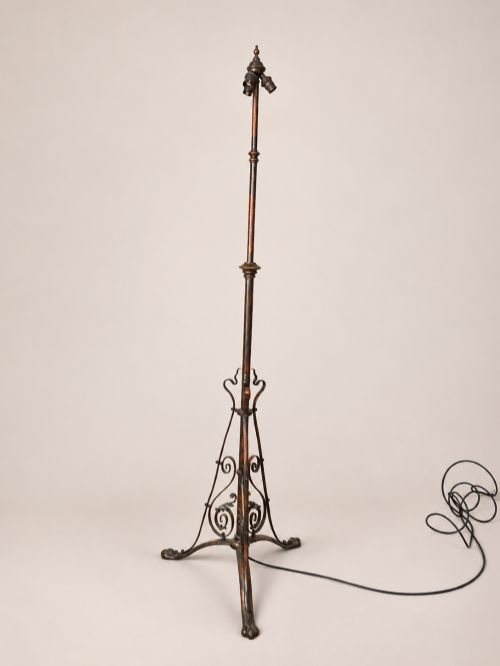
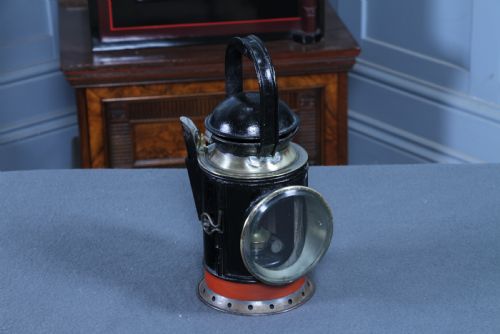
The selections on this page range from heavy floor-standing lighting and adjustable telescopic standards to coach and carriage lamps, railway hand lanterns, and table oil lamps. Many examples from the Victorian and Edwardian eras show adaptations from original oil or paraffin burning to modern electricity.
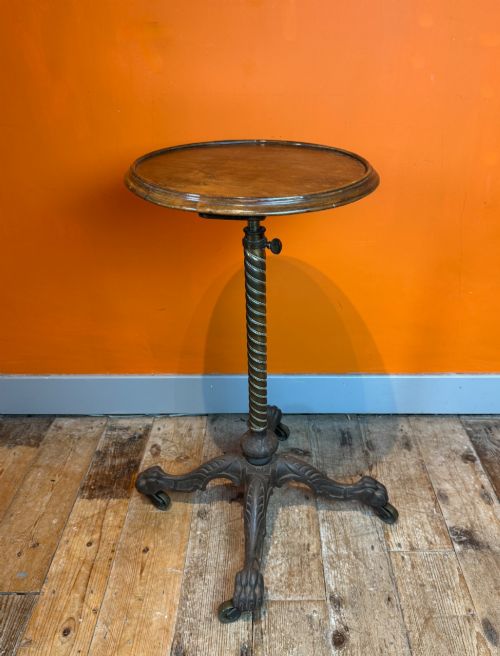
Domestic and utilitarian pieces dominate the selection, including occasional table bases, billiard room lights, and wall-mounted brackets. Industrial and maritime forms, such as gimbal lamps and railway lanterns, also appear frequently alongside French and Arts and Crafts decorative designs.
Materials and construction methods
Makers combined cast iron, wrought iron, and sheet brass to build durable frames and stable bases capable of supporting heavy glass fonts or metal shades. Iron components often received a black enamelled or patinated finish to prevent rust, while brass elements were left to age or polished smooth.
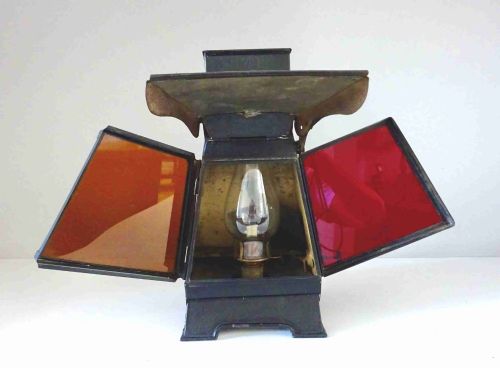
Adjustable floor lamps relied on telescopic mechanisms fabricated from brass tubing sliding within iron shafts, secured by thumbscrews or keys. Many lighting fixtures incorporate blown or coloured glass shades, fabric elements, and specialised mounting hardware for marine or railway use.
Brass and Iron Lamp Retail Price Guide 2026
Typical asking prices for brass and iron lamp among the pieces listed under this phrase on Sellingantiques today, from the lower quarter to the upper quarter. They describe what is for sale here now, not the wider market.
Markers of distinction and build
Quality rests in the weight and thickness of the metals used, the integrity of the joints, and the precision of mechanical adjustments like telescopic height controls. Heavy cast iron bases provide essential stability, while thin or flimsy stampings indicate lesser utility.
The finish of the brass and the retention of original surface treatments, such as early enamel on iron or patinated copper details, distinguish standard production items from finer workshop pieces. Maker signatures, such as stamped foundry marks or carriage maker plates, elevate the standing of a piece.
Daris
The Brass and Iron Lamp Glossary
- Telescopic
- An adjustable mechanism allowing a lamp standard to extend vertically through nested tubes secured by a thumbscrew. This allows the height of the light source to be altered for reading or ambient illumination.
- Gimbal
- A pivoted ring mounting that allows a lamp to remain level despite the roll and pitch of a ship or vehicle. It prevents swinging and spills in maritime and railway environments.
- Font
- The reservoir container holding oil or paraffin beneath the burner assembly. In period lamps, these are frequently formed from brass or coloured glass.
- Carriage lamp
- A heavy-duty exterior lantern mounted to the side of a horse-drawn vehicle or early automobile. These items utilise robust iron frames and brass fittings to withstand vibration and weather.
Brass and Iron Lamp: Frequently Asked Questions
How do I date a brass and iron lamp?
Dating relies on examining the construction methods, screw threads, switch types, and overall style relative to Victorian and Edwardian manufacturing standards.
Patination on the metals and the presence of original burner components or maker marks further help narrow the period of production.
Can converted oil lamps be used safely today?
Many period pieces have been adapted for modern electrical wiring by running cords through the old burner paths or internal shafts.
Buyers should have a qualified electrician check older conversions to ensure the internal wiring meets current safety standards.
How should I clean polished brass and patinated iron?
Dust surfaces gently with a dry or slightly damp cloth to preserve existing surface finishes and aged patinas.
Avoid harsh chemical metal polishes on iron components and antique brass unless specifically required, as excessive cleaning removes historical depth.