
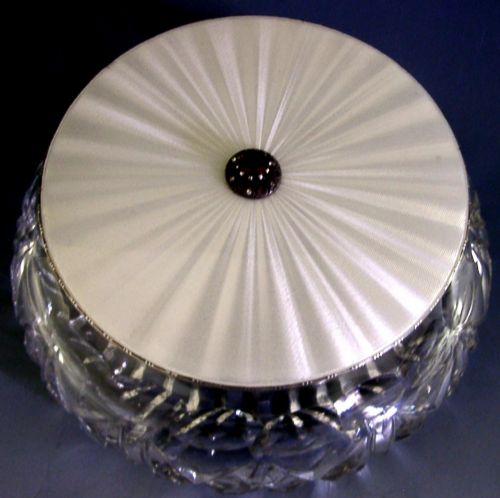


Boxed Silver Bowl
A boxed silver bowl combines fitted presentation with precious metal, serving as a dedicated vessel for display or formal dining.
Boxed Silver Bowl
A boxed silver bowl encompasses various fitted containers and open vessels, ranging from sugar boxes and pot pourri bowls to vanity jars and trinket boxes secured in protective cases. When searching for a boxed silver bowl, buyers encounter pieces spanning the Victorian, Edwardian, and Art Deco periods, alongside mid-century examples.
Materials and construction methods
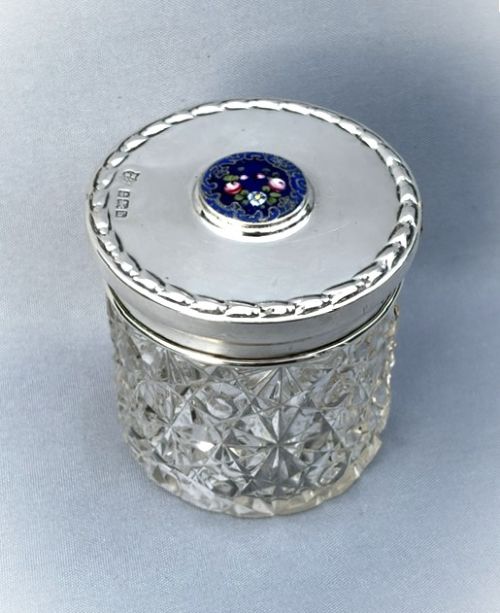
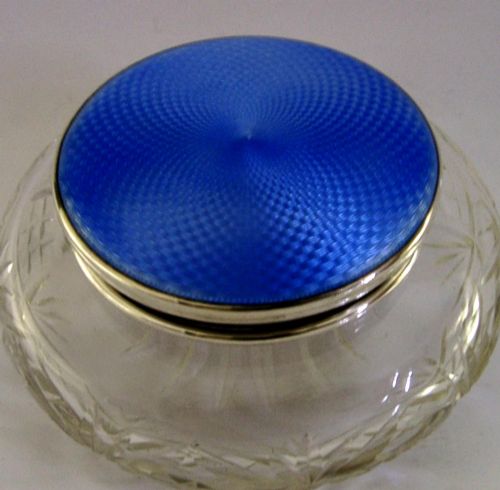
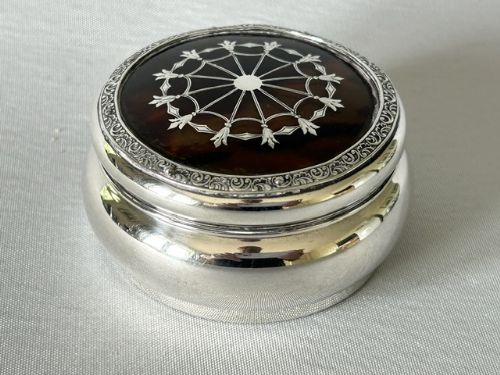
Craftsmen utilised sterling silver for structural mounts, lids, and frames, pairing the metal with cut glass, cut crystal, and coloured enamel to create decorative contrast. Natural materials such as tortoiseshell with pique work also appear on container lids, secured to silver rims.
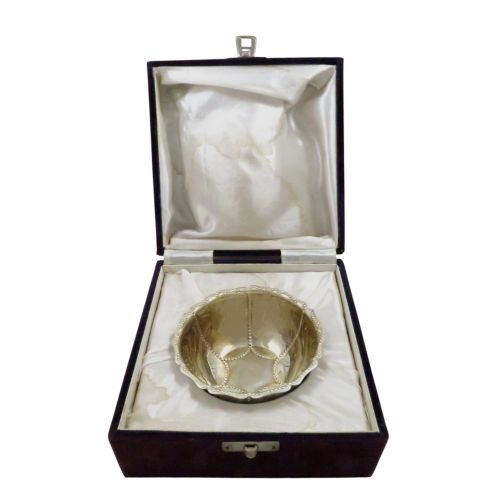
Workshop production involved traditional silversmithing techniques, including hallmarking at major offices like Birmingham, Sheffield, and London. Fitted boxes were constructed to match the specific contours of each bowl, utilising internal linings of silk and velvet for secure transport.
Listings feature items incorporating cut glass, cut crystal, enamel, and tortoiseshell alongside sterling silver.
Assessing quality in silver vessels
Quality rests upon the crispness of the silversmith's chasing and the integrity of any applied enamel, glass cutting, or tortoiseshell inlay. Superior examples display clear hallmarks, intact internal linings within the original case, and balanced proportions between the glass body and silver mount.
The execution of specialised decorative techniques, such as detailed pique work or intricate piercing, distinguishes finer items from standard production pieces. Preserved fitted boxes that retain their structural integrity add notable weight to an object's overall standard.
Asprey and Co·Walker and Hall·Henry Williamson Ltd·Harry Atkin
The Boxed Silver Bowl Glossary
- Sterling silver
- An alloy consisting of ninety-two point five percent silver by mass, with the remainder comprising other metals, usually copper. This standard composition is frequently verified by official assay office hallmarks.
- Pique work
- A decorative technique involving tiny points of gold or silver inlaid into a dark organic material such as tortoiseshell. It appears frequently on the lids of vanity jars and trinket boxes.
- Pot pourri bowl
- A specialised vessel featuring a pierced or perforated lid designed to diffuse scent from dried floral mixtures into a room. These are often housed in protective presentation cases.
- Cut crystal
- High-clarity glass featuring geometric patterns cut and polished into the surface. It serves as the body for many lidded dressing table jars and vanity boxes.
- Vermeil
- Sterling silver that has been plated with a thin layer of gold. This finish provides a warm, golden lustre to the interior or exterior of covered bowls.
Boxed Silver Bowl: Frequently Asked Questions
What is a boxed silver bowl used for?
These pieces served multiple domestic purposes, acting as sugar containers, pot pourri holders, or decorative receptacles for dressing tables. The accompanying boxes were designed to protect the silver and glass contents during storage or transport.
Over time, many of these vessels transitioned into display items, prized for their combination of precious metalwork and fitted presentation cases.
How do I date an Edwardian silver bowl?
Dating relies heavily on the official hallmarks stamped into the silver, which indicate the assay office and year of production. Stylistic markers such as Edwardian garland motifs or Art Deco geometric lines also help determine the era.
Comparing the construction of the fitted box and the typography of maker's marks provides further confirmation of the manufacturing period.
Are these bowls made entirely of silver?
Many examples combine a sterling silver lid or rim with a body of cut glass, cut crystal, or enamel. Complete silver construction appears in specific forms like sugar boxes and open bowls.
The presence of supplementary materials like tortoiseshell or silk lining is typical for vanity jars and fitted presentation sets.
How should I care for a silver bowl with enamel?
Enamelled silver requires gentle handling to protect the vitreous glass coating from chips and scratches. Cleaning should be done with a soft cloth, avoiding harsh silver dips that can seep beneath enamel edges.
When storing the piece, keeping it within its original velvet or silk-lined box prevents surface friction and tarnishing.