
Bowed Front Cabinet
These bowed front cabinet pieces bring a curved silhouette to traditional storage, offering refined proportions and classic timber surfaces.
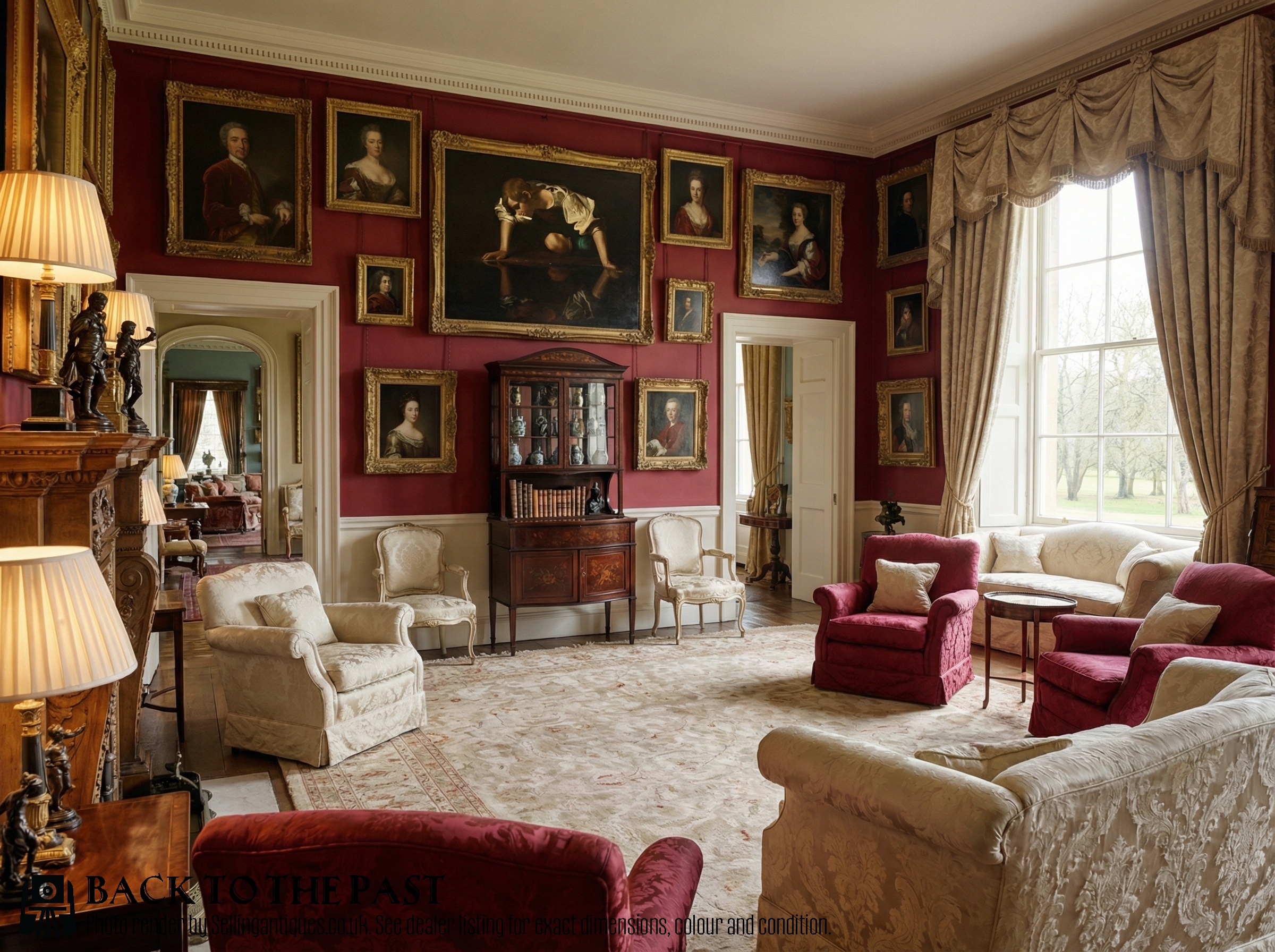
Bowed Front Cabinet
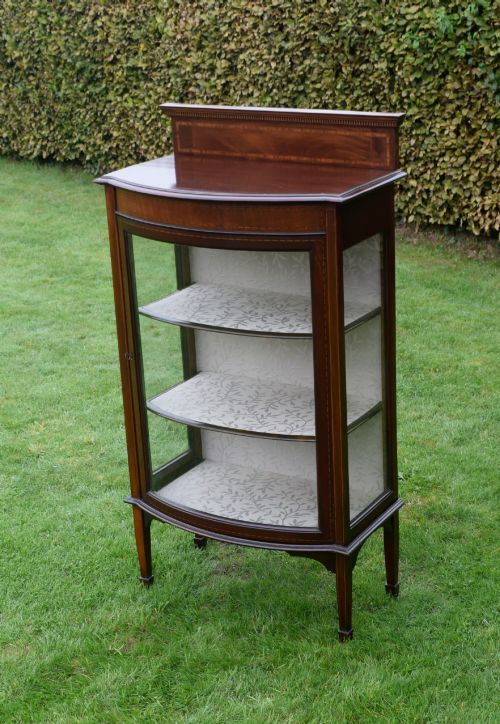
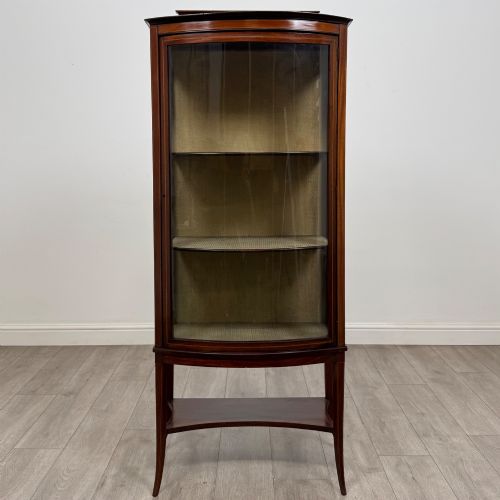
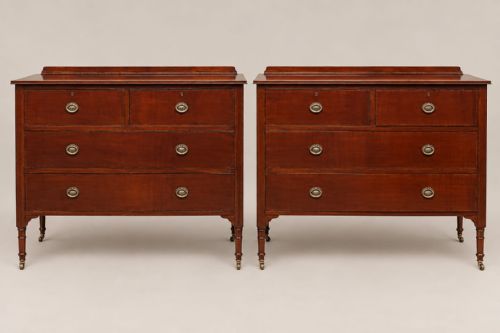
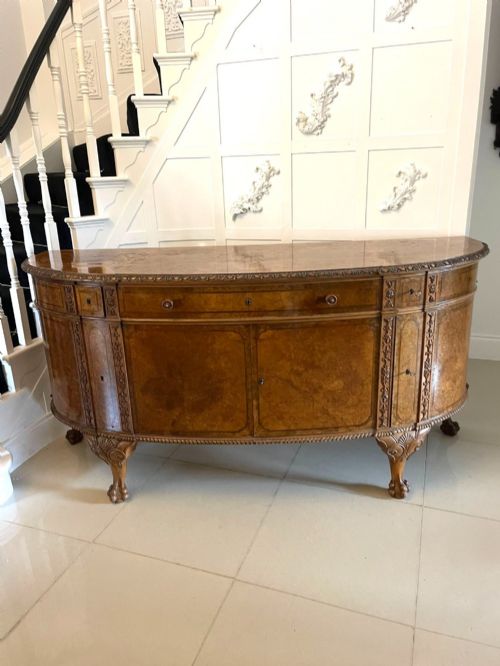
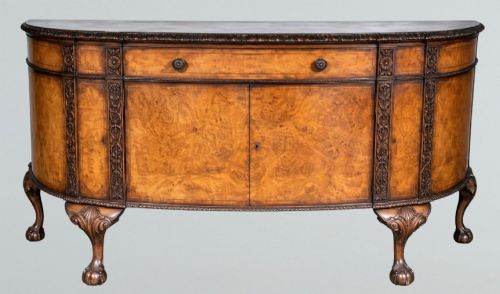
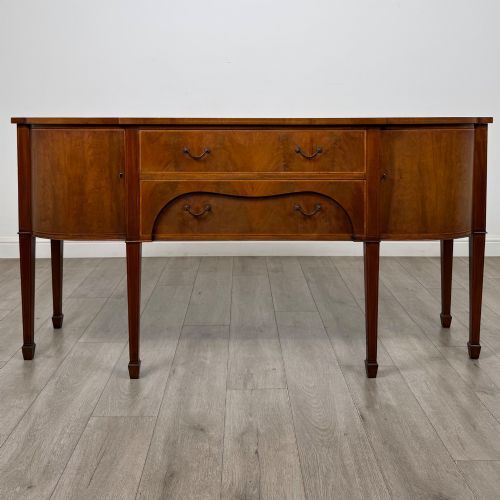
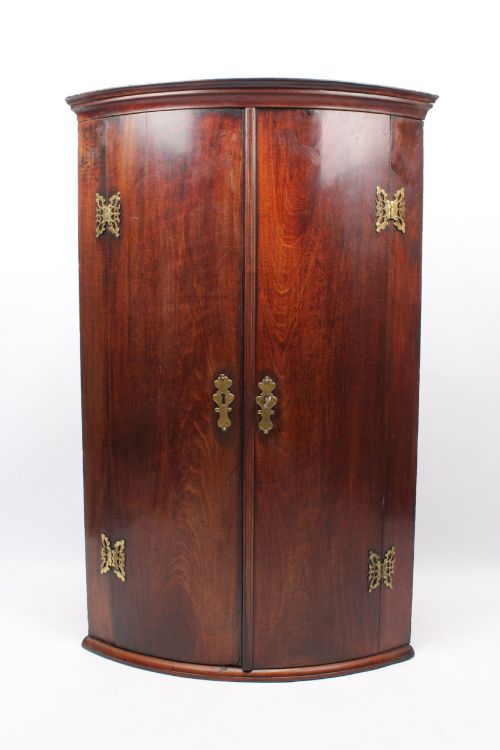
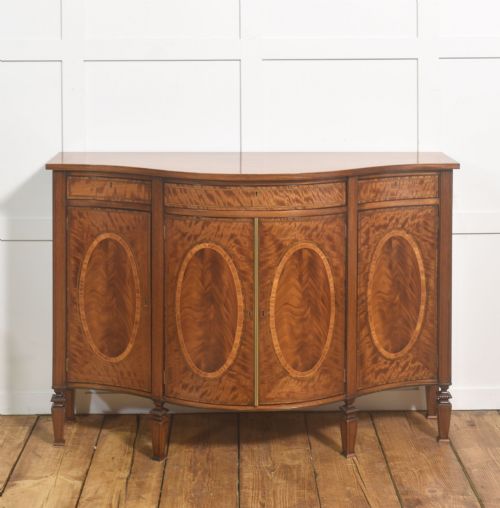
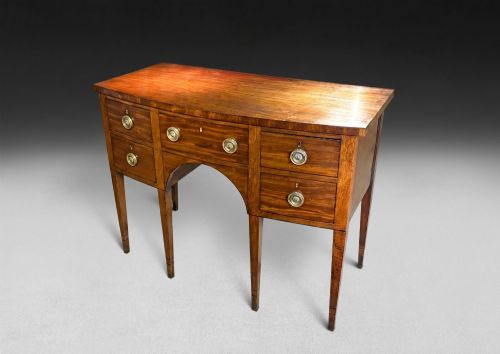
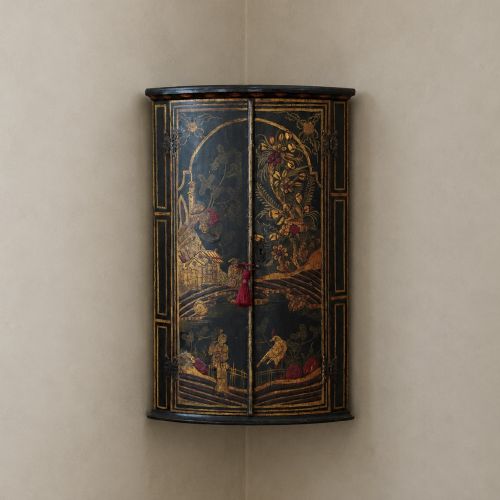
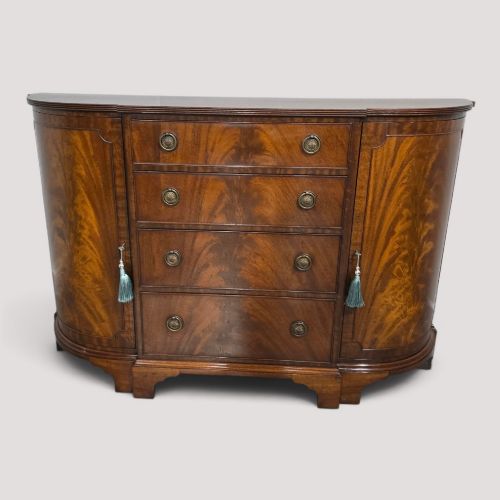
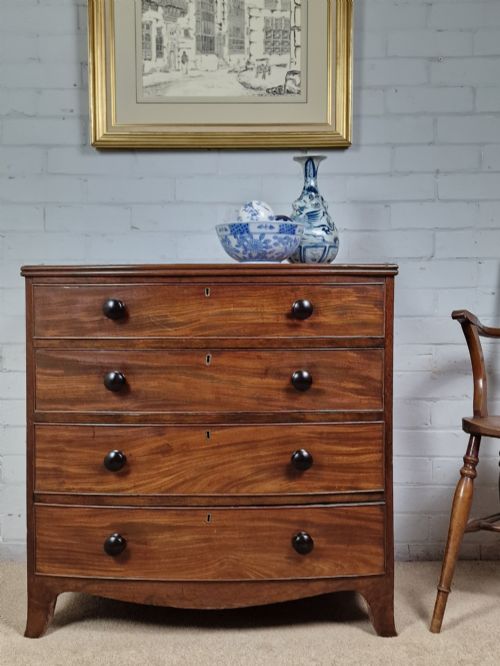
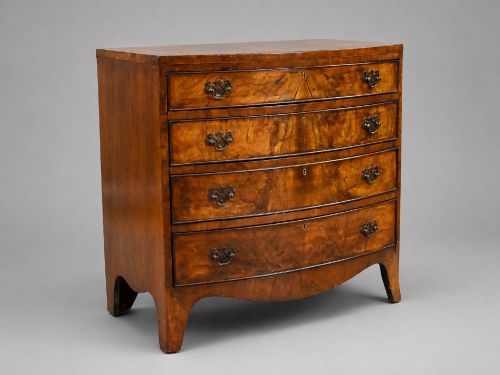
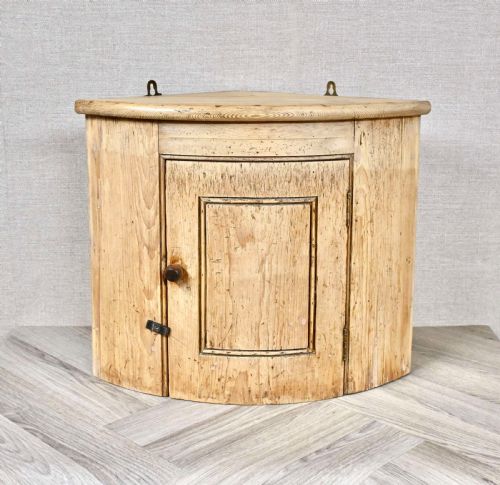
A bowed front cabinet search uncovers a diverse array of forms, from corner cupboards and display cases to spacious sideboards and chests of drawers. These pieces span multiple centuries and stylistic revivals, originating primarily from Georgian, Victorian, and Edwardian periods.
Mahogany and walnut predominate among the surviving examples, often enriched with satinwood inlay or figurative grain patterns. Cabinets designed for corners, bedside placement, and formal display feature alongside larger dining room sideboards.
Makers utilised the curved facade to soften rigid room angles and showcase select timbers. The inventory reflects traditional craftsmanship adapted for domestic storage across successive design movements.
Craftsmanship and Proportion
The standard of a bowed front cabinet rests on the precision of its curved joinery and the selection of timber veneers. Superior examples display carefully matched grain patterns across the sweeping facade and precise inlay work.
Proportion and original hardware heavily influence the character of each piece. Finer items retain their period brasses, harmonious proportions, and uncompromised structural alignment along the curved fronts.
Listings feature mahogany, burr walnut, and satinwood across pieces spanning the Georgian period to the nineteen thirties.
Maple & Co.
The Bowed Front Cabinet Glossary
- Bow front
- A convex, outwardly curved cabinet facade that softens the linear angles of traditional furniture. This curved shape requires advanced woodworking skill.
- Corner cupboard
- A triangular storage piece designed to fit neatly into a room angle. Many surviving examples feature bowed doors.
- Credenza
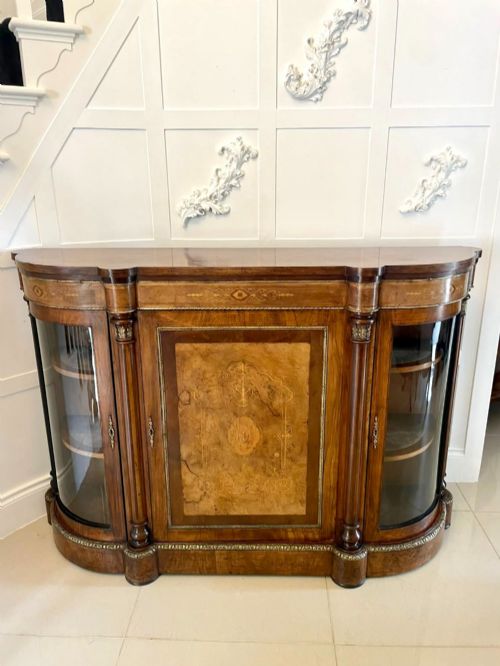
- A sideboard or display unit often raised on short legs or a plinth. Victorian iterations frequently incorporate fine inlay and glass doors.
- Tallboy
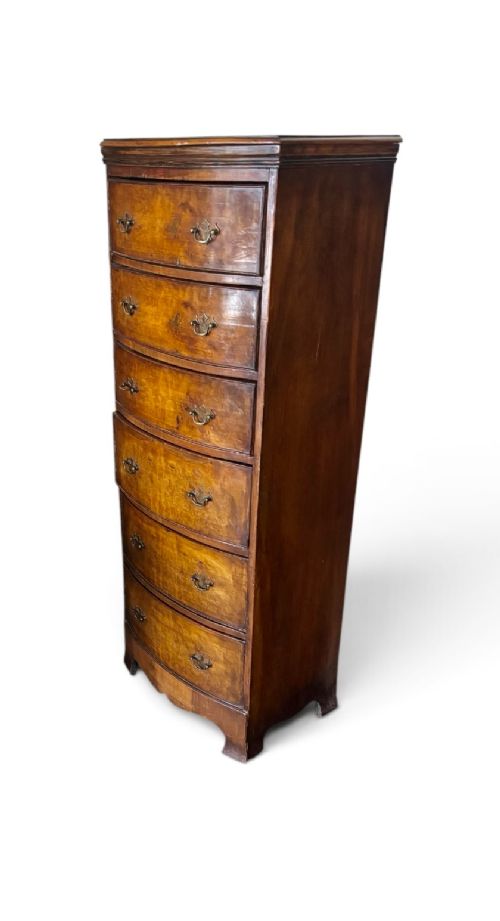
- A stacked chest of drawers providing high storage capacity within a compact floor footprint. Some variations include a bowed front configuration.
- Vitrine
- A glass-fronted display cabinet intended for porcelain and curiosities. Edwardian satinwood versions frequently utilise curved glass.
Bowed Front Cabinet: Frequently Asked Questions
Where should I place a corner cupboard?
Corner cupboards are specifically built to utilise unused room angles, making them ideal for dining rooms or hallways.
They provide vertical storage without encroaching on central floor space.
How do I care for mahogany surfaces?
Maintain timber finishes by avoiding direct sunlight and excessive moisture. Regular dusting with a soft cloth preserves the natural polish of the wood.
Occasional application of appropriate wax feeds the grain.
What is the difference between a sideboard and a credenza?
Sideboards traditionally serve dining rooms for storing tableware and serving food. Credenzas often feature more decorative display elements and glass panels.
Both forms frequently incorporate curved fronts.
How can I identify an Edwardian display cabinet?
Edwardian display cabinets often feature light satinwood timbers, delicate marquetry, and painted details. They frequently date from around nineteen hundred.
Their glazing bars tend to be finer than earlier Victorian examples.