




Botanical Wall Hanging
A botanical wall hanging brings nature indoors through textile art, tapestry, or carved panel, adding colour and texture to any interior.
Botanical Wall Hanging
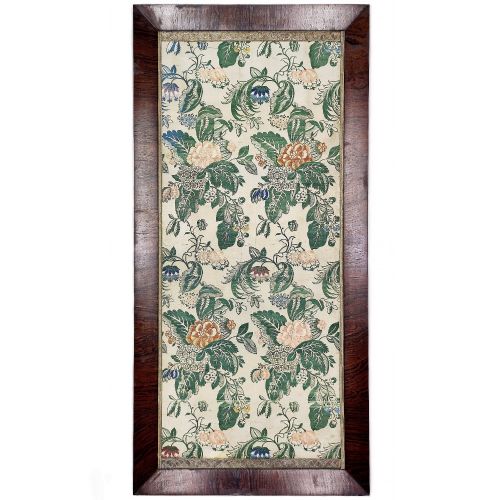
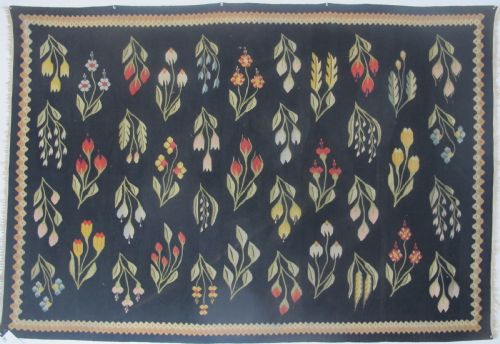
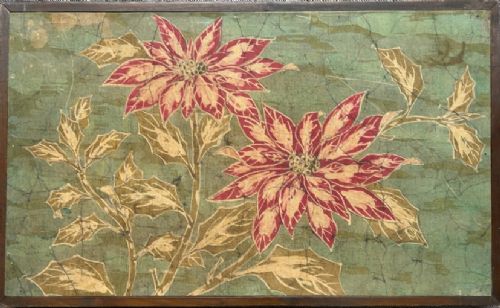
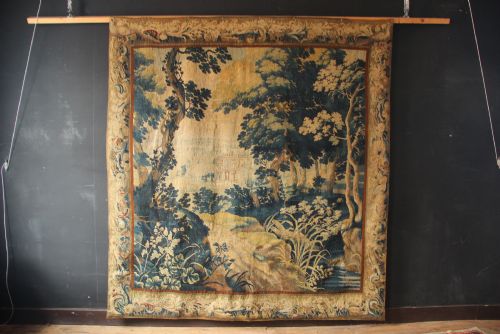
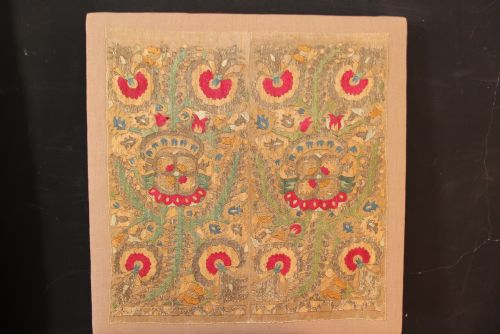
A botanical wall hanging encompasses a diverse group of textile and wooden works featuring floral or natural motifs. When exploring botanical wall hanging examples, buyers encounter formats ranging from Flemish verdure tapestries and embroidered Suzanis to carved timber panels and framed batik art.
The selection draws on periods spanning from the late seventeenth century through the Victorian era to mid-century modern design. Pieces originate from various traditions, including English country house style, Eastern European folk art, and Central Asian textiles.
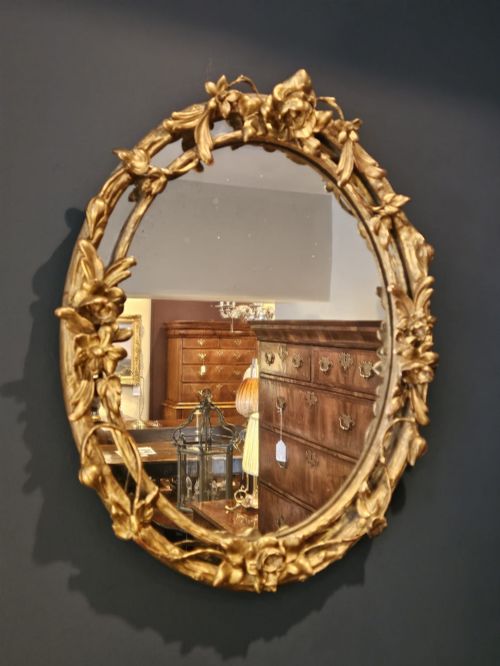
Wall tapestries and textile panels dominate the physical forms seen in this category. Buyers also find mirrors, letter racks, and wall cabinets incorporating botanical woodwork or floral carvings.
How they were made
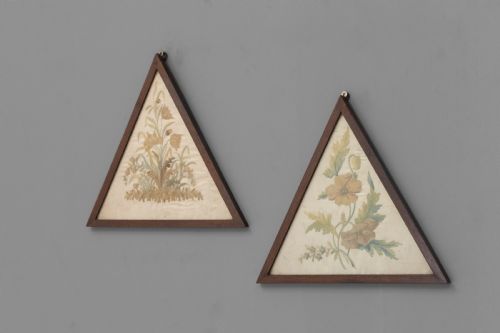
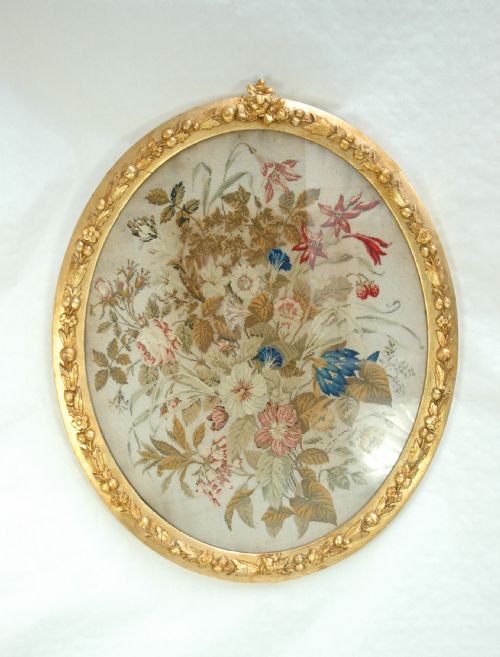
Makers utilised organic textiles such as silk, wool, and cotton, frequently working silk embroidery on silk grounds or weaving dense woollen tapestries. Textile panels rely on needlework, hand-weaving, and batik techniques to render floral and botanical subjects.
Woodworking forms a distinct branch of manufacture in this category, employing timber, oak, walnut, and giltwood. Carvers shaped solid wood into door panels, letter racks, and hanging cabinets decorated with rose vines and floral motifs, sometimes finishing surfaces with gold leaf.
Botanical Wall Hanging Retail Price Guide 2026
Typical asking prices for botanical wall hanging among the pieces listed under this phrase on Sellingantiques today, from the lower quarter to the upper quarter. They describe what is for sale here now, not the wider market.
Needlework panels occasionally preserve stray cat hairs spun into the wool three centuries ago.
What varies in quality
The calibre of a botanical wall hanging depends upon the dexterity of the handwork and the integrity of the materials. Finely executed silk embroidery and dense, intricate tapestry weaving represent the upper tier of textile production.
In wooden pieces, the depth and crispness of the carving determine distinction. Masterful hand-carving in oak, walnut, or giltwood separates superior architectural elements and cabinets from simpler production.
The Botanical Wall Hanging Glossary
- Verdure tapestry
- A woven wall hanging featuring a landscape dominated by lush foliage, trees, and plant life. Originating largely in Flemish workshops, these heavy textiles depict dense natural scenes.
- Batik
- A wax-resist dyeing technique applied to cloth. This method creates intricately patterned textile art with characteristic fine crackle lines in the dye.
- Giltwood
- Timber that has been coated with a thin layer of gold leaf or gold paint. This finish frequently highlights carved floral details on frames and mirrors.
- Aesthetic Movement
- A late nineteenth-century design style emphasising art for art's sake, drawing inspiration from Japanese motifs and natural forms. Anglo-Japanese cabinets from this period combine dark walnut with delicate botanical decoration.
Botanical Wall Hanging: Frequently Asked Questions
How do I hang a large tapestry safely?
Large tapestries require even distribution of weight to prevent fabric distortion over time. Sewing a wide casing along the top reverse allows a strong wooden batten or metal rod to support the piece.
Fix the support securely into wall studs rather than relying solely on plaster. Ensure the textile hangs slightly clear of the wall to allow air circulation behind the fibres.
How should I clean antique silk textiles?
Antique silk embroidery and Suzanis are extremely fragile and intolerant of standard washing methods. Gentle surface dusting with a soft brush through a protective mesh screen is the safest routine maintenance.
Professional textile conservators should handle any significant staining or structural repair. Avoid moisture entirely unless directed by a specialist conservator.
Are wooden botanical panels heavy?
Carved timber panels and hanging cabinets possess substantial weight due to solid woods like oak and walnut. Their installation requires heavy-duty fixings matched to the specific wall construction of the room.
Checking the load capacity of wall anchors ensures the piece remains secure. Consult a professional installer if the timber work is exceptionally massive.
How do I identify a Flemish verdure tapestry?
Flemish verdure tapestries are characterised by heavy wool and silk weaves depicting lush, overgrown woodland scenes. Plants, leaves, and flowers fill the field, often executed in deep greens, blues, and browns.
Examining the reverse reveals hand-woven knotting and ageing characteristic of seventeenth-century European textile production. The density of the botanical detail indicates the workshop's skill level.