



Botanical Painted Vases
Botanical painted vases bring together delicate ceramic forms and hand-painted floral imagery, offering a decorative focus for any room through enduring craftsmanship.
Botanical Painted Vases
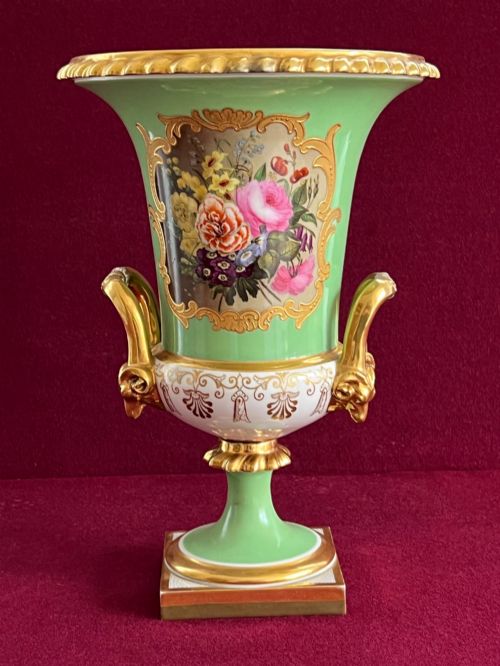
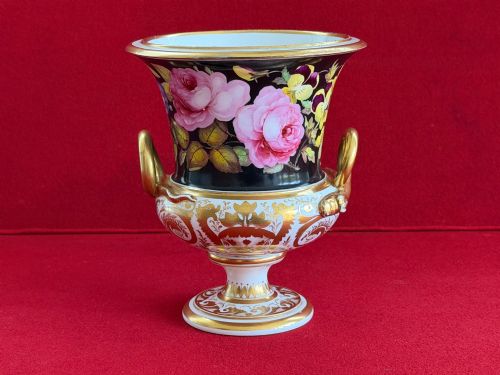
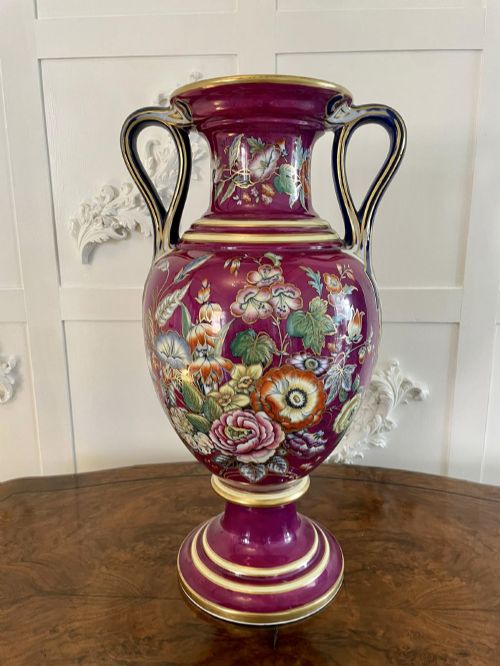
When you search for botanical painted vases, you encounter ceramics adorned with hand-painted floral motifs across various periods including the Victorian era and the Regency period. These pieces take the form of twin-handled vessels, urns, and porcelain containers decorated with depictions of roses, summer flowers, and garden blossoms.
The selections span from nineteenth-century Staffordshire, Meissen, and Worcester porcelain to later nineteenth-century Doulton Lambeth and Austrian productions by Ernst Wahliss. Each maker applies distinct regional techniques to render naturalistic plant studies directly onto the ceramic body.
Buyers meet objects that function simultaneously as sculptural vessels and canvases for botanical illustration. The tradition captures fleeting floral arrangements in permanent pigment and fired glaze.
How they were made
The physical objects rely upon porcelain, bone china, or porcelaneous bodies shaped by throwing, moulding, or casting. Potters formed twin handles and classical urn silhouettes before applying white or tinted grounds.
Artists then painted floral subjects using enamel colours and metallic oxides capable of withstanding high kiln temperatures. Gilding with gold leaf frequently highlights handles, rims, and foot rungs to frame the painted botanical panels.
Botanical Painted Vases Retail Price Guide 2026
Typical asking prices for botanical painted vases among the pieces listed under this phrase on Sellingantiques today, from the lower quarter to the upper quarter. They describe what is for sale here now, not the wider market.
Several Victorian painters chose to immortalise specific roses and camellias rather than generic blooms, creating literal portraits of long-dead garden flowers.
What varies in quality
The standard of painting dictates the distinction between standard production wares and exceptional pieces. Master painters execute botanical specimens with botanical accuracy, subtle tonal shading in petals, and delicate brushwork on leaves, whereas lesser examples display rigid, mass-applied transfer prints or stiff, repetitive brush strokes.
The quality of the porcelain body and the crispness of the moulding also determine merit. Well-defined handles, balanced proportions, and clean kiln firing separate superior ceramic vessels from heavy or distorted forms.
H and R Daniel·Flight Barr and Barr·Doulton Lambeth·Ernst Wahliss
The Botanical Painted Vases Glossary
- Porcelaneous
- A ceramic material that is semi-vitrified and intermediate between earthenware and true porcelain. It provides a durable, smooth white ground suited for detailed enamel painting.
- Enamel
- Vitreous coloured glass fused to the ceramic surface during firing. It supplies the vibrant pigments used to render lasting floral hues.
- Urn
- A tall, decorative vase typically featuring a rounded body, a narrow neck, and a footed base. They often include classical handles derived from antiquity.
- Gilding
- The application of gold leaf or powdered gold to ceramic surfaces. It accentuates structural lines and frames the central painted decoration.
- Faience
- Tin-glazed earthenware decorated with painted designs. It offers an opaque, absorbent surface for flowing botanical brushwork.
Botanical Painted Vases: Frequently Asked Questions
How do I identify a Regency period vase?
Regency pieces often display neoclassical silhouettes such as urns or water sprinklers, accompanied by fine porcelain bodies and refined gold leaf accents. Manufacturers from this era like Worcester utilised precise hand-painted botanical motifs.
Examine the weight of the ceramic and the crispness of the handle moulding. Earlier nineteenth-century wares typically show a finer grain and thinner walls than later Victorian productions.
Were these vases used for holding water?
Many painted porcelain vessels served primarily as decorative display items on mantelpieces or cabinets rather than functional flower holders. Their delicate enamel decoration and gold leaf details risked damage from moisture.
Certain specialised forms, such as water sprinklers and heavy porcelain urns, accommodated actual use. Inspect the interior unglazed surfaces for staining to determine historical function.
What distinguishes Austrian ceramic styles?
Austrian makers from the nineteenth century integrated flowing organic contours with naturalistic floral painting. Workshops such as those associated with Ernst Wahliss combined Art Nouveau tendencies with traditional botanical subjects.
These pieces often feature asymmetrical handles and pastel palettes. The painted flowers reflect local horticultural studies popular in Central Europe during that period.
How should I care for antique porcelain?
Keep painted ceramics away from direct sunlight to prevent the enamel colours and gold leaf from fading over decades. Dust the surfaces gently with a dry, soft brush rather than using liquid cleaning agents.
Avoid placing them in areas subject to sudden temperature fluctuations. Stable indoor environments protect both the ceramic body and the historical glaze from stress fractures.