
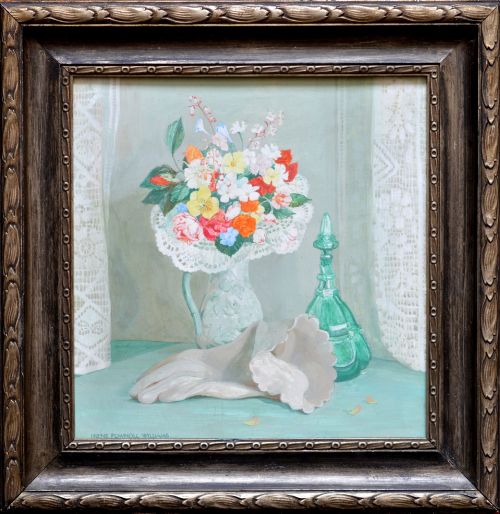
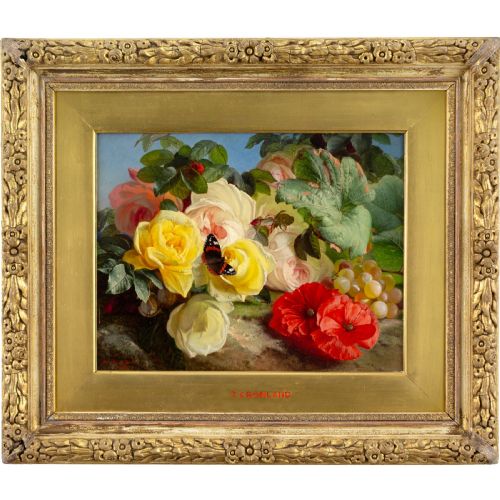
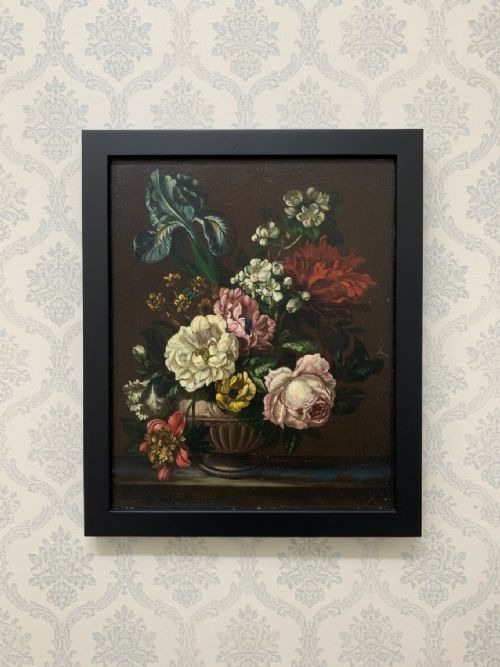
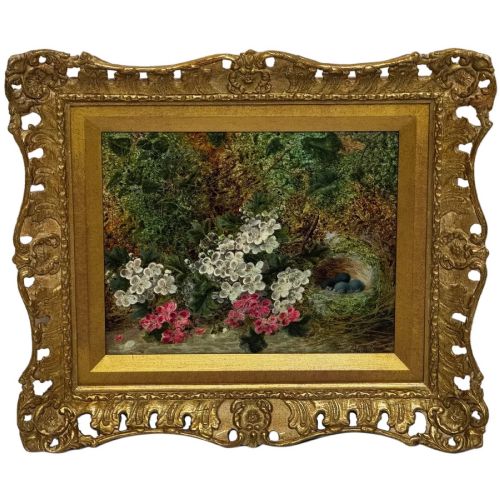
Botanical Floral Artwork
Botanical floral artwork brings enduring natural beauty into rooms through oil paintings, watercolours and prints spanning several centuries.
Botanical Floral Artwork
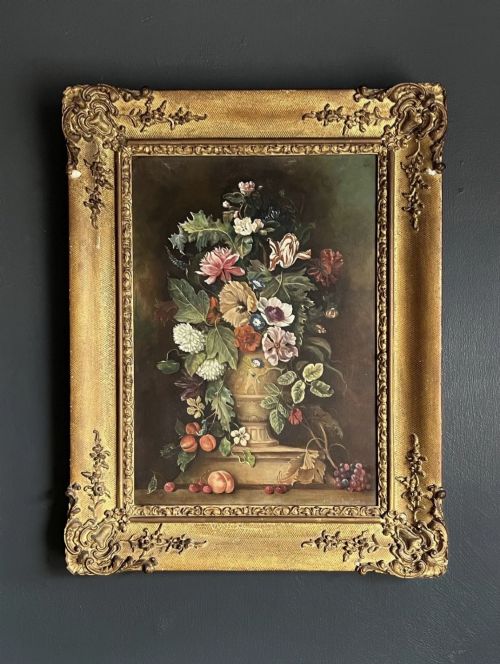
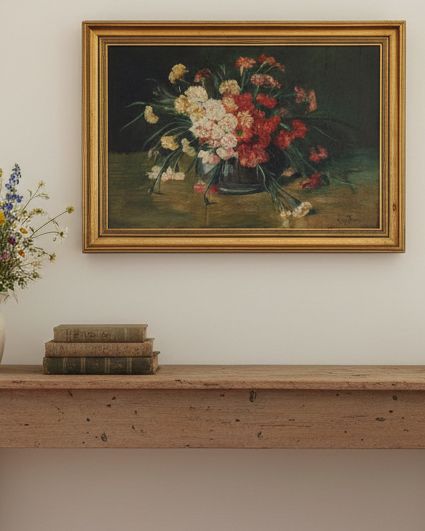
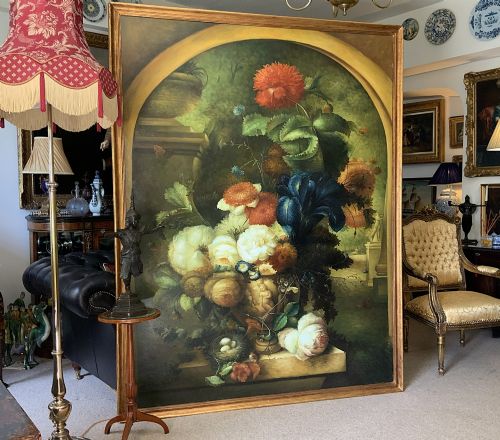
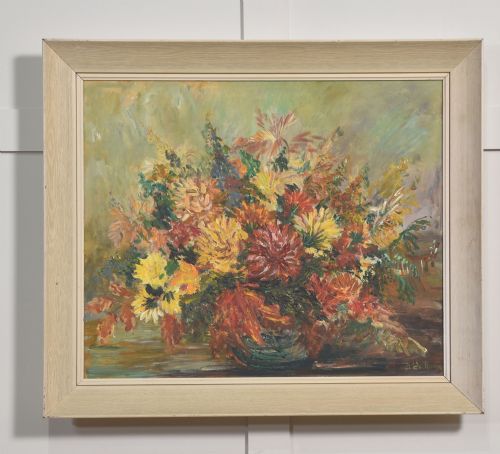
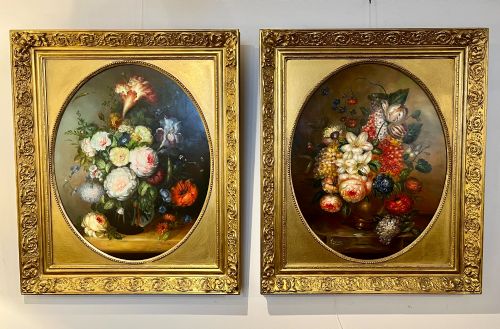
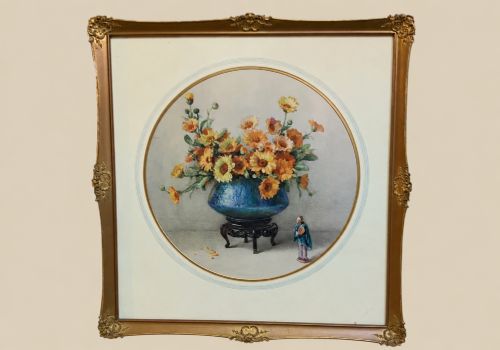
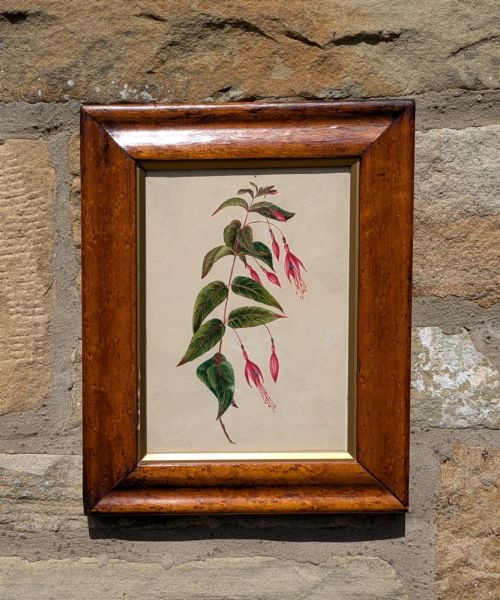
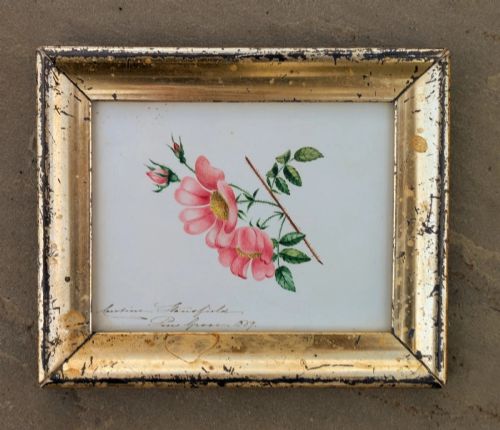
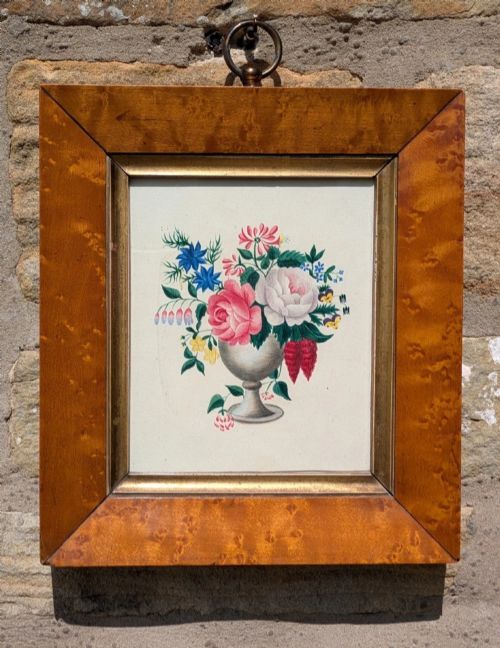
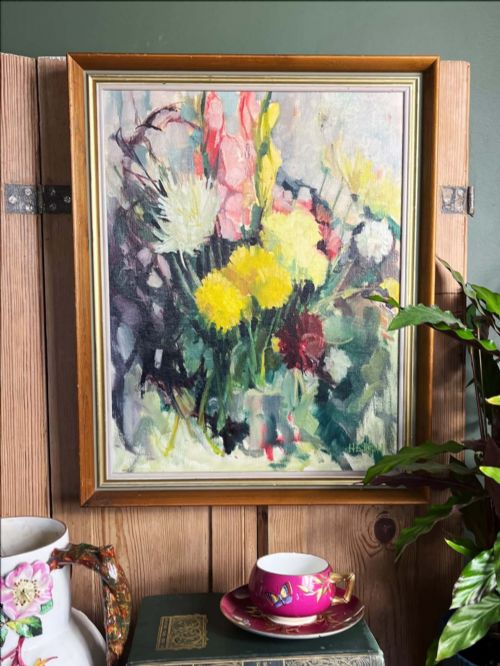
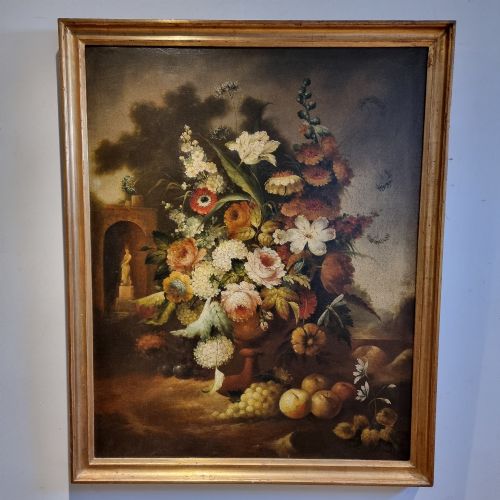
Botanical floral artwork encompasses detailed studies and expressive arrangements of flowers, plants and natural specimens rendered in various media. Buyers searching for botanical floral artwork encounter everything from delicate nineteenth-century watercolours to monumental twentieth-century oil paintings in Dutch styles.
The selections available here lean heavily toward oil paintings on canvas and panel, alongside period watercolours and lithographs. Pieces range from intimate cabinet studies to large decorative canvases suitable for prominent wall placement.
Materials and construction methods
Artists rendering botanical floral artwork relied primarily on oil paint applied to canvas, wood panels or board, allowing for rich colour depth and blended petal textures. Watercolours on paper offered a lighter, more translucent approach often utilised for precise botanical recording during the nineteenth century.
Framing played an integral role, with many works housed in period gilt gesso or carved wooden frames that complemented the visual weight of the paintings. Textile art and lithography also appear within the medium, broadening the technical scope of floral representation.
Several floral arrangements stubbornly refuse to wilt, preserved indefinitely inside seventeenth-century glass vases.
Factors determining quality
The distinction between ordinary and exceptional botanical floral artwork rests upon the hand of the maker and the precision of execution. Masterful handling of light, shadow and botanical accuracy elevates a piece above standard decorative output.
Condition of the support surface, originality of the paint layer and the integrity of the period frame contribute substantially to the standing of any given work.
Oliver Clare·Elisabeth Sonrel·Edward Ladell·Emma Fordyce MacRae·Gaspar Peeter Verbruggen
The Botanical Floral Artwork Glossary
- Gesso
- A plaster-like material applied to wooden frames before gilding or painting. It provides a smooth base for intricate surface decoration.
- Oleograph
- A mechanical colour print on canvas designed to imitate an oil painting. These prints often mimic the textured surface of genuine brushwork.
- Lithograph
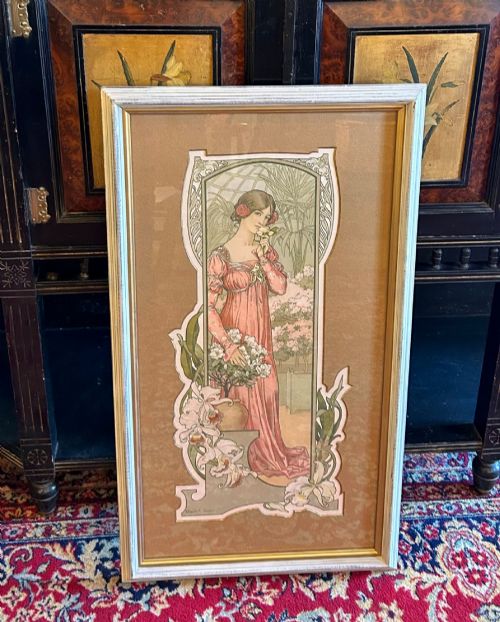
- A print made from a flat stone or metal plate treated to retain ink where required. This technique allowed for the reproduction of detailed botanical illustrations.
- Still life
- A painting or drawing featuring inanimate subject matter, typically commonplace objects or natural specimens like flowers and fruit. Floral arrangements form a distinct subgenre within this category.
Botanical Floral Artwork: Frequently Asked Questions
How do I date a floral oil painting?
Dating typically involves examining the canvas type, stretcher construction, pigment composition and framing style alongside any visible signatures or dates. Stylistic cues often align the work with specific periods like the Art Nouveau era or the mid-twentieth century.
Comparative analysis with documented works by known artists or schools further refines the period of creation.
Where should I hang botanical artwork?
These pieces suit living rooms, dining spaces and hallways where natural light can illuminate the pigments without causing fading. Pairing large canvases with traditional room decor highlights their historical character.
Smaller watercolours benefit from quieter wall spaces where viewers can appreciate fine detail at close range.
What is the difference between watercolours and oils here?
Watercolours on paper offer a translucent quality traditionally associated with botanical study and scientific recording. Oil paintings provide heavier impasto, deeper colour saturation and greater durability on canvas or wood panels.
Both mediums capture floral subjects but achieve distinct visual textures and atmospheric effects.
How do I care for antique floral paintings?
Protect works from direct sunlight, excessive moisture and rapid temperature fluctuations to preserve the paint layers and paper supports. Regular dusting with a soft, dry brush keeps the surface clean without risking damage.
Professional conservation should be sought for any structural repairs to canvas or gilt frames.