



Georgian Pastel Drawing
A georgian pastel drawing captures a likeness in soft pigments, prized for its delicate handling of pigment and intimate historical charm.
Georgian Pastel Drawing
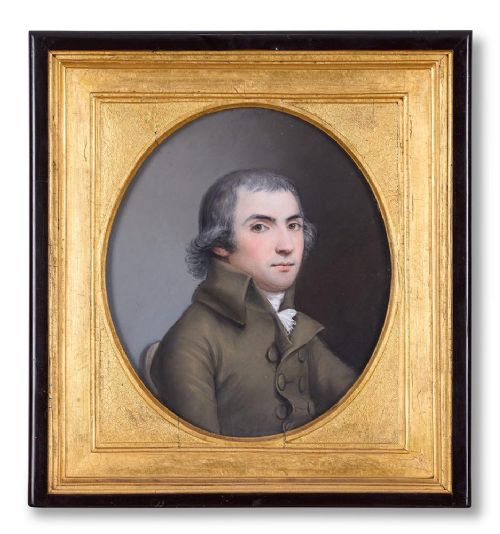
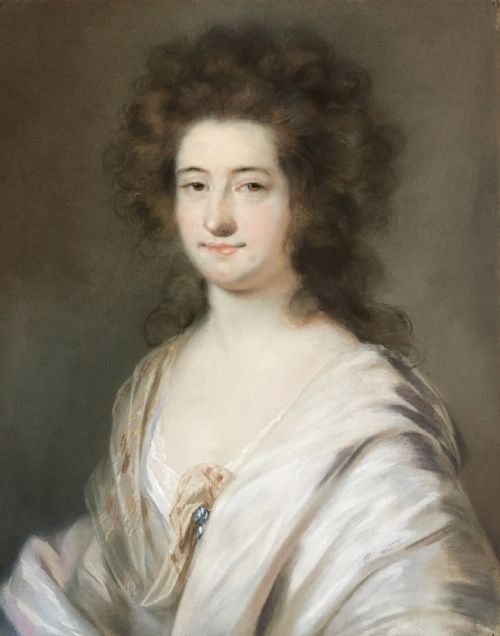
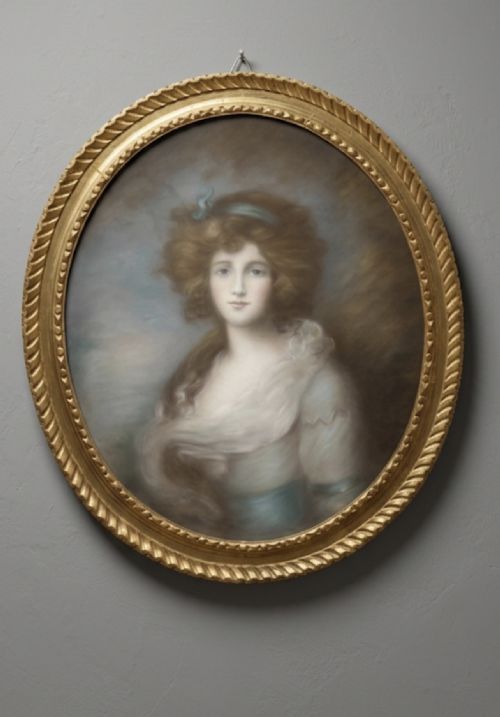
When you search for a georgian pastel drawing, you are looking at works executed on paper using soft coloured pigments during the eighteenth and early nineteenth centuries. These pieces predominantly take the form of wall art and portrait paintings, capturing sitters from the Georgian and Regency eras.
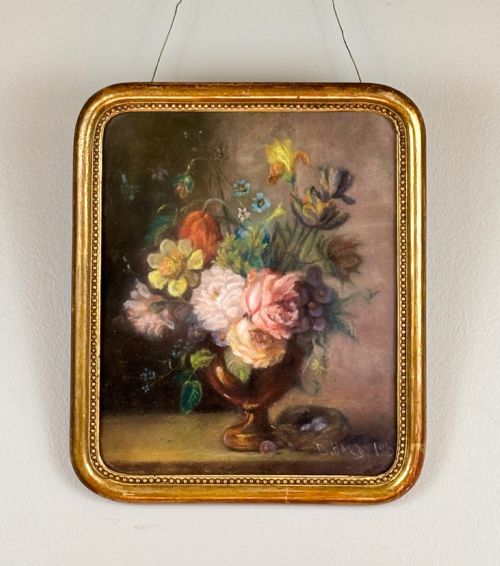
The examples you will most commonly meet on this page include pastel portraits and still life works rendered on paper. They frequently arrive in period frames of giltwood or gilded wood, retaining their original character under glass.
The origin of these works spans English school productions and specific regional pieces from the eighteenth and nineteenth centuries. Collectors encounter both paired portraits and individual studies of ladies, gentlemen, and children.
How They Were Made
These works rely on pastel applied directly to paper support, sometimes combined with cut-out profile techniques. The medium demands deft application of dry pigment to build tone and feature without the use of liquid binders.
Encasing these delicate drawings required robust framing methods, utilising wood and giltwood frames fitted with glass to protect the friable pastel surface from disturbance.
Georgian Pastel Drawing Retail Price Guide 2026
Typical asking prices for georgian pastel drawing among the pieces listed under this phrase on Sellingantiques today, from the lower quarter to the upper quarter. They describe what is for sale here now, not the wider market.
One young boy in the listings wears a striking red jacket, glaring past the centuries with undeniable attitude.
What Varies in Quality
The preservation of the paper and the integrity of the pastel pigment set individual pieces apart. Works that maintain their original tonal depth without extensive loss or blurring represent the finer end of the surviving range.
John Russell·Thomas Gainsborough·Nathaniel Bermingham·Arthur Pond
The Georgian Pastel Drawing Glossary
- Pastel
- A dry painting medium composed of powdered pigment and a binder, applied directly to paper. It creates a soft, velvety texture unique to this form of fine art.
- Giltwood
- Wood that has been coated with a thin layer of gold leaf or gilt paint. It is commonly found on the traditional frames housing these portraits.
- Follower
- An artist whose work closely imitates the style, technique, or subject matter of a more famous master without being a direct pupil.
- Cut-Out Profile
- A silhouette technique where the subject's profile is cut from paper and mounted against a contrasting background. It represents a specialised form of portraiture from the period.
Georgian Pastel Drawing: Frequently Asked Questions
How should I hang a pastel drawing?
Keep these works away from direct sunlight to prevent the delicate pigments from fading over time. Ensure they hang on interior walls where humidity and temperature fluctuations remain minimal.
Position them at eye level to appreciate the fine detail of the pastel work. Secure them firmly using appropriate hardware given the weight of the wood and glass frames.
How do I clean the glass on these frames?
Apply glass cleaner to a cloth rather than spraying the liquid directly onto the frame. This prevents moisture from seeping past the rebate and damaging the paper or pastel beneath.
Take care not to press too hard on the glass during cleaning. Gentle Wipes preserve both the historic frame and the fragile contents inside.
Why are pastels placed under glass?
Pastel pigment sits loosely on the paper surface and lacks the protective varnish of oil paintings. Glass acts as a physical barrier against dust, moisture, and accidental contact.
Without this protection, the friable nature of the medium leaves the drawing vulnerable to smudging and loss. Glazing remains essential for the long-term survival of paper-based pastels.
How do I date an eighteenth century pastel?
Examine the costume, hairstyle, and framing style of the portrait for clues to its creation period. Fashion shifts across the Georgian and Regency eras provide reliable chronological markers.
Look for inscriptions, signatures, or biographical details regarding the sitter on the reverse of the paper. Comparative study with documented works from the same school also aids dating.