
Bonheur Du Jour Table
A bonheur du jour table combines a compact writing surface with an upper cabinet, offering refined elegance for letter-writing and small tasks.
Bonheur Du Jour Table
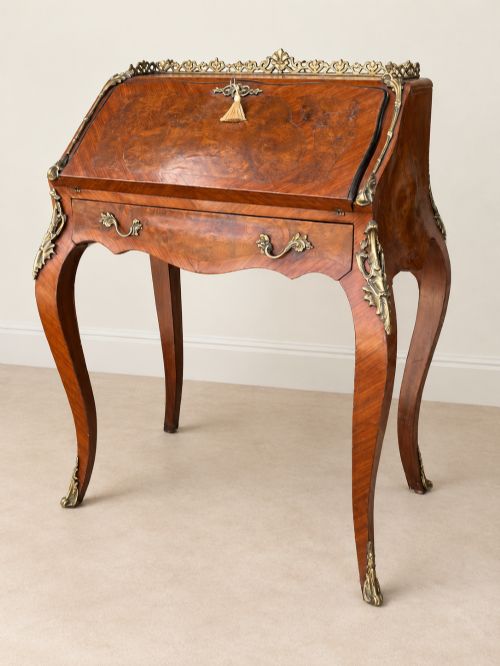
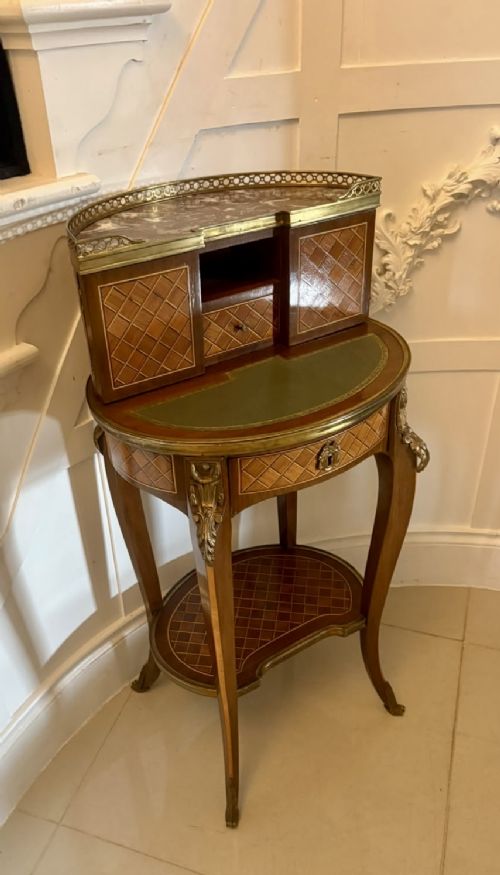
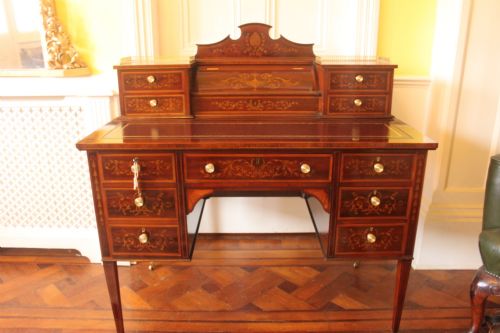
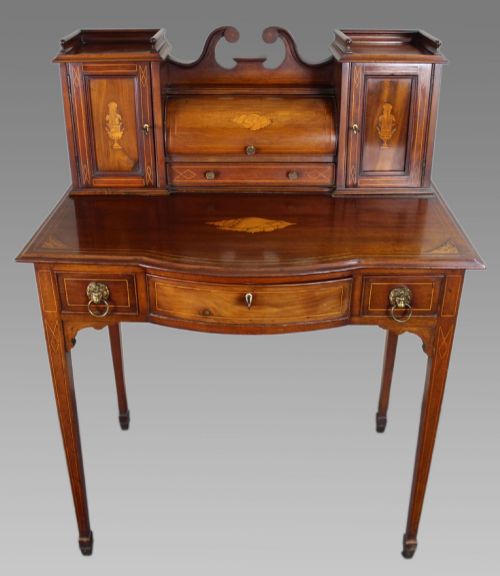
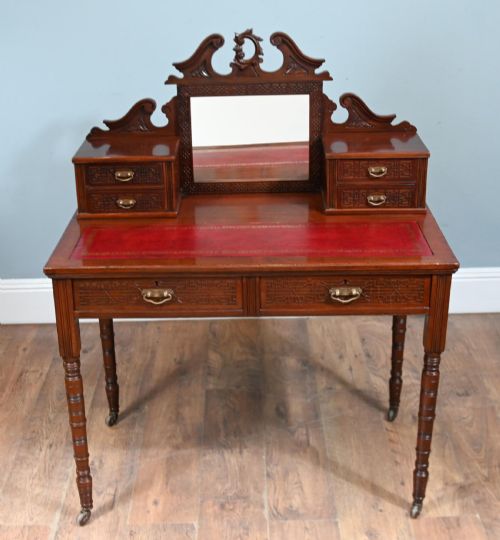
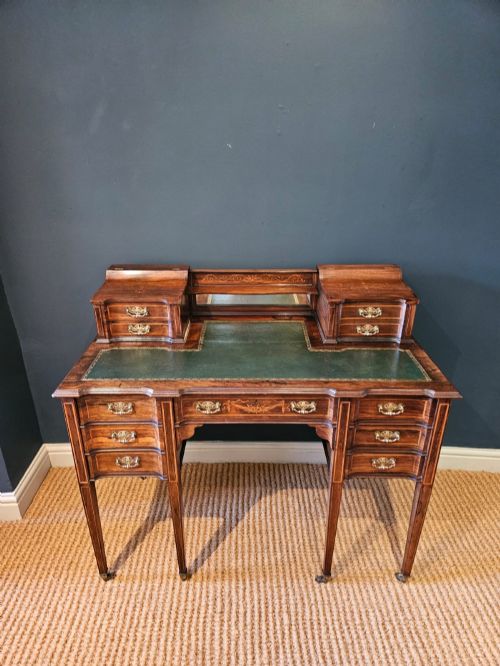
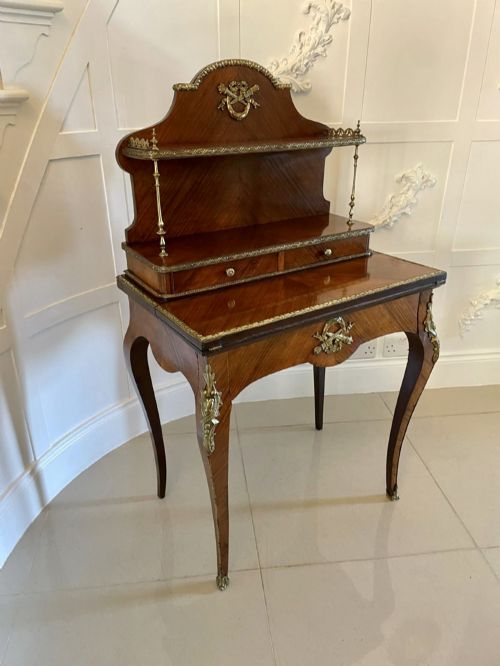
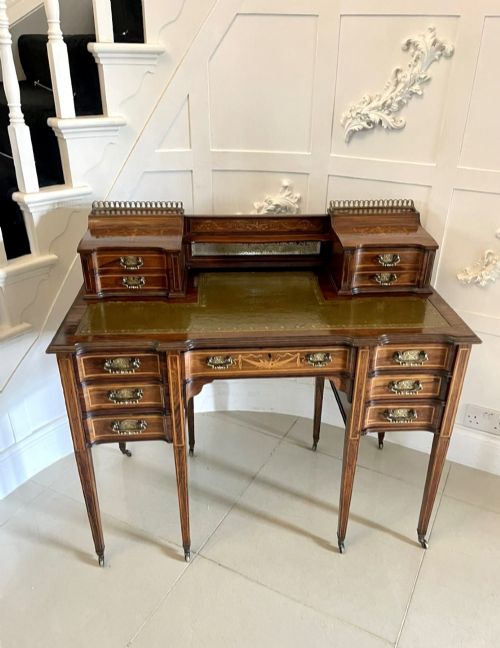
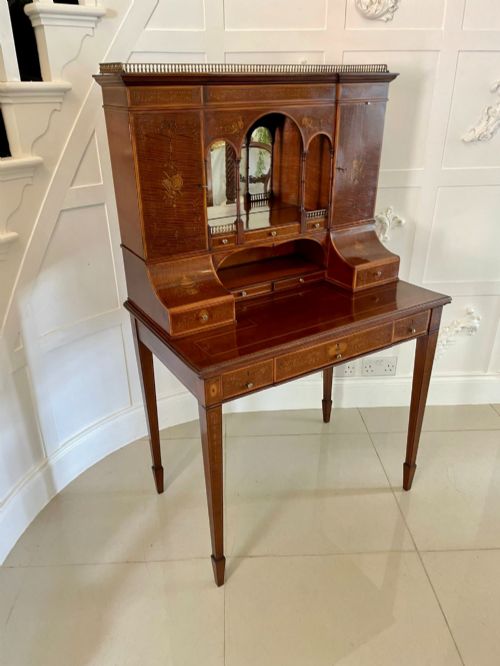
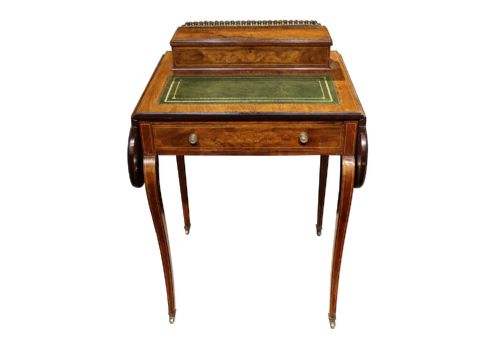
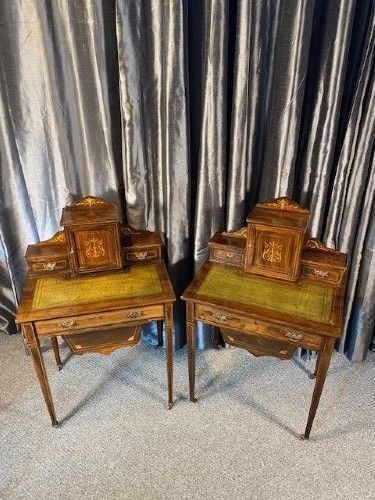
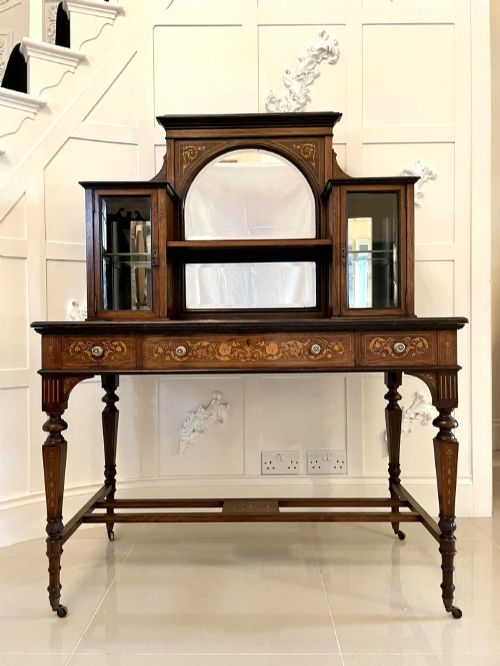
When searching for a bonheur du jour table, collectors encounter pieces primarily originating from the nineteenth and early twentieth centuries, spanning Victorian, Edwardian, and various revival styles. These items function as ladies' writing desks and cabinets, featuring a lower writing surface paired with an upper superstructure of small drawers, shelves, or mirrors.
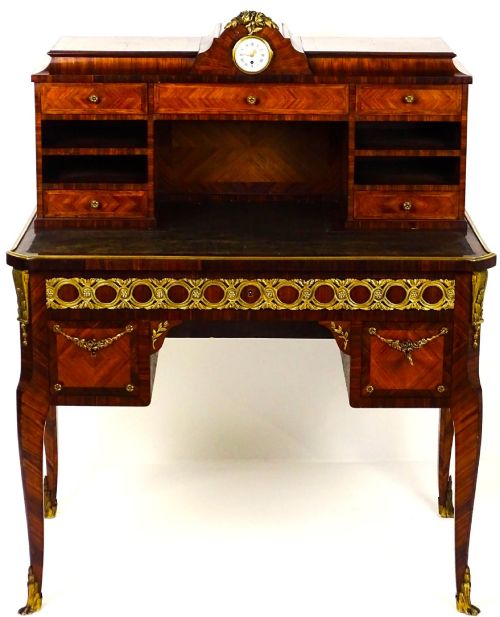
The versions met most frequently on this page include French and English examples from the eighteen-eighties and nineteen-hundreds. They frequently incorporate fine timbers and decorative mounts, serving both practical writing needs and ornamental display within a boudoir or reception room.
What varies in quality
The standard of a bonheur du jour table rests upon the precision of its timber selection and the crispness of its marquetry or hand-painted decoration. Finer pieces demonstrate careful matching of grain patterns across curved surfaces and drawers.
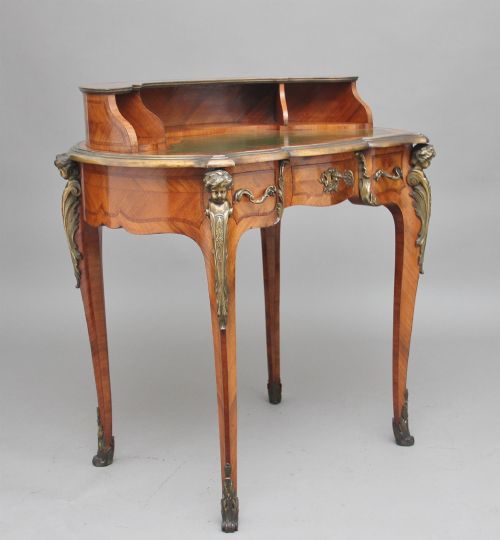
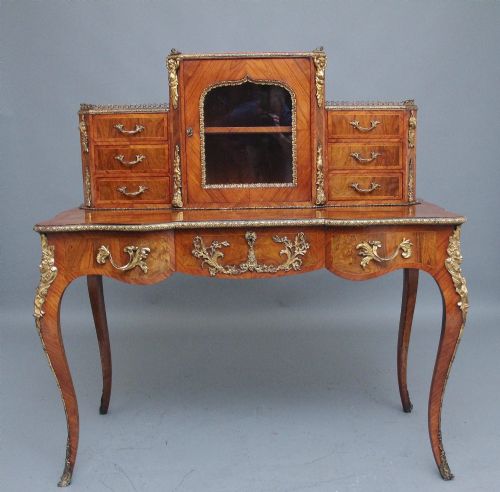
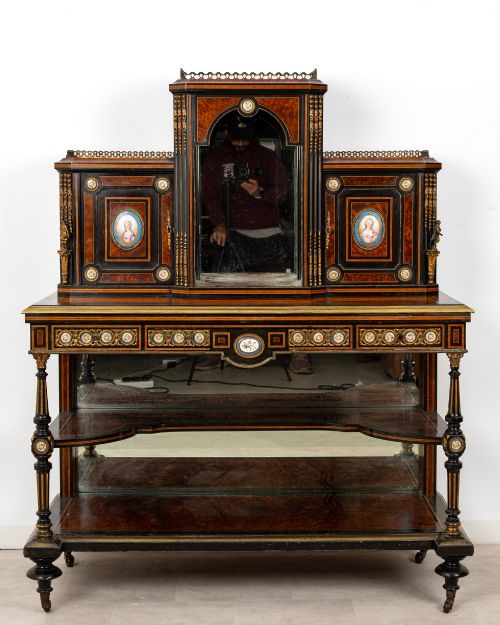
Hardware and secondary materials also dictate distinction, separating standard production from exceptional workshops. Heavy, finely chased ormolu mounts, inlaid porcelain plaques, and intricately fitted interior compartments elevate certain items above simpler regional counterparts.
Listings feature eighteenth, nineteenth, and early twentieth-century examples, spanning Sheraton, Regency, and French revival styles.
Paul Sormani·Maple And Co
The Bonheur Du Jour Table Glossary
- Bonheur du jour
- A light ladies' writing desk featuring an elevated superstructure with drawers or shelves, appearing during the eighteenth century and remaining popular through the nineteenth and twentieth centuries.
- Ormolu
- Gilded bronze mounts applied to furniture for decorative enrichment, frequently seen on French revival pieces.
- Marquetry
- The art of applying pieces of veneer to a structure to form decorative patterns and pictorial designs.
- Superstructure
- The raised cabinet, shelf, or drawer assembly positioned above the main writing surface.
- Escritoire
- A writing cabinet containing a sloping or drop-front writing surface concealing inner compartments.
Bonheur Du Jour Table: Frequently Asked Questions
What is a bonheur du jour?
A bonheur du jour is a small, light writing desk featuring an upper tier of drawers, pigeonholes, or a cabinet. The name translates from French as day's delight.
These pieces were designed primarily for private correspondence and light reading in a boudoir or drawing room. They combine a pull-out or fixed writing surface with compact storage for stationery.
How were these desks used?
Owners utilised these compact desks for writing letters, managing household accounts, and storing personal papers. The upper superstructure kept ink, paper, and small treasures neatly arranged.
Many examples feature lockable compartments or small drawers for confidential correspondence. Their portable size allowed them to be moved easily closer to natural light sources.
How do I date a bonheur du jour?
Dating relies on identifying timber choices, construction techniques, and stylistic revivals present in the piece. Pieces from the mid-nineteenth century often display rich walnut, kingwood, or rosewood veneers paired with heavy ormolu mounts.
Later Edwardian versions frequently utilise satinwood with hand-painted floral motifs or delicate mahogany inlay. Consulting the specific wood combinations and decorative hardware helps narrow the period of manufacture.
Where should I place one?
These tables suit placement in studies, bedrooms, or living spaces where a large desk would overwhelm the room. Their finished backs often allow them to stand freely in the centre of a space rather than against a wall.
Pairing the desk with a small antique chair creates a functional writing area. Keeping them away from direct sunlight protects delicate veneers and leather inserts from fading.