



Bohemian Perfume Bottle
These bohemian perfume bottle pieces combine coloured glass and metal mountings to create functional dressing table objects.
Bohemian Perfume Bottle
A bohemian perfume bottle is a decorative glass vessel designed for holding scent on a dressing table. When you search for this phrase, you encounter two distinct eras of production.
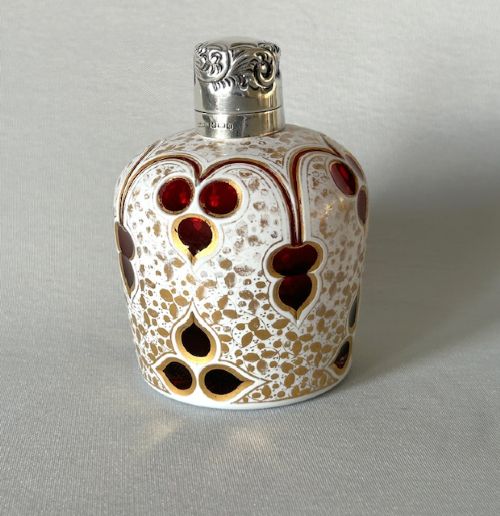
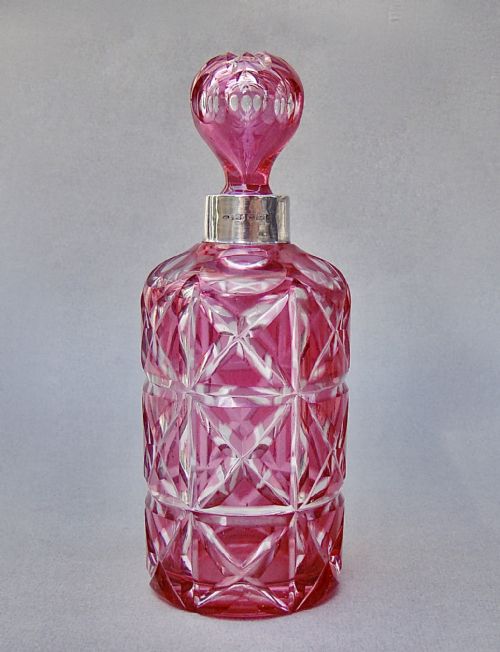
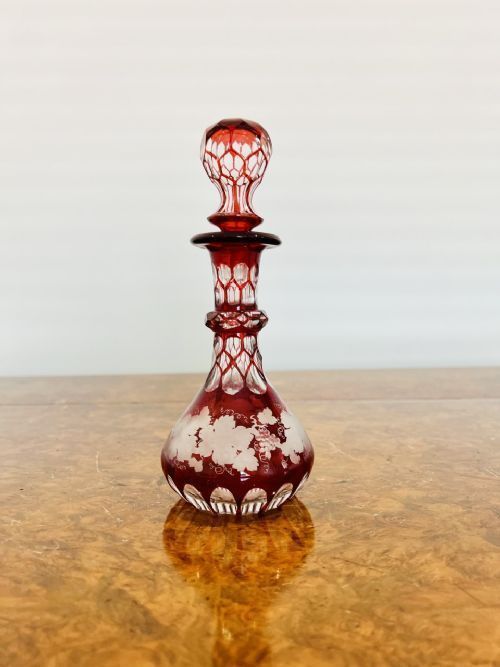
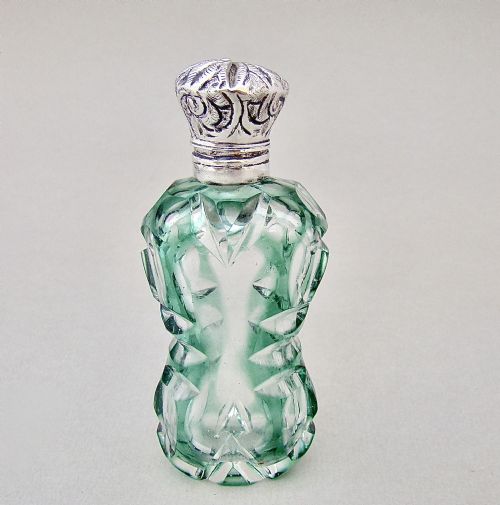
The nineteenth-century pieces feature overlay glass in cranberry, green, blue and amber, often decorated with gold leaf. These nineteenth-century examples derive from Victorian and Edwardian periods.
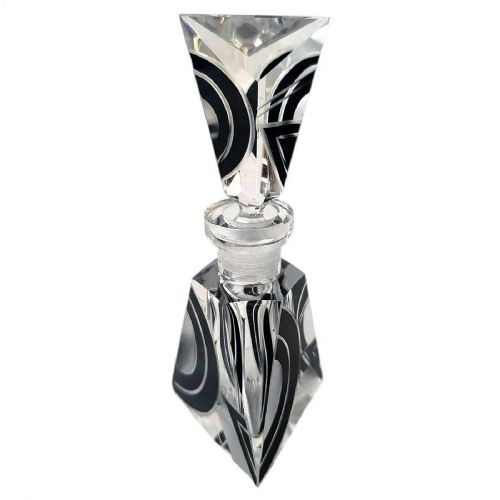
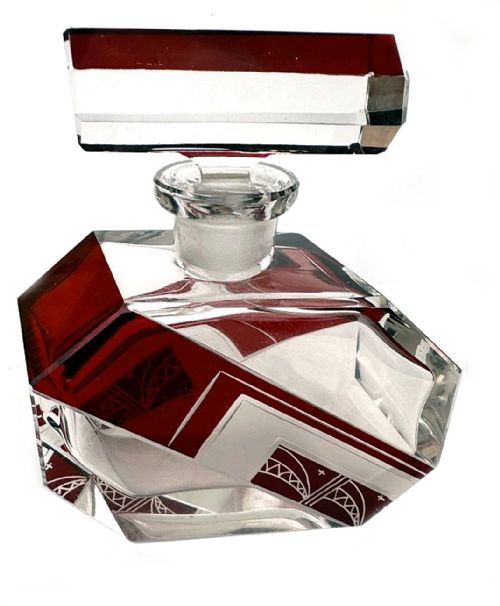
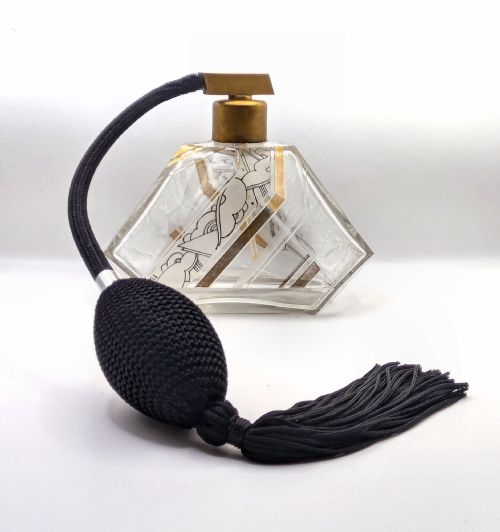
The twentieth-century examples belong predominantly to the Art Deco style from the nineteen-thirties. These geometric glass bottles and atomisers originate from the Czech Republic.
How they were made
Glassmakers shaped these vessels using cut glass, crystal and coloured glass techniques. Overlay methods created layered glass effects in contrasting colours.
Metal mounts in silver, chrome and gold leaf were applied to secure stoppers and atomiser mechanisms. Enamel decoration was added to glass surfaces during the Art Deco period.
Listings span the Victorian era, Edwardian period and Art Deco nineteen-thirties, utilising glass, enamel, chrome and gold leaf.
What varies in quality
Quality rests upon the precision of the glass cutting and the clarity of the coloured glass. Intricate geometric cuts and deep overlay layers distinguish finer examples.
The presence of named maker output and intact metal mountings elevates certain pieces above standard production items.
Harold Bushell and Co·Karl Palda·Rudolf Hlousek·Hermanova
The Bohemian Perfume Bottle Glossary
- Overlay glass
- Glass made with two or more distinct layers of different colours, where the outer layer is cut away to reveal the colour underneath. This technique created high contrast patterns on nineteenth-century scent bottles.
- Atomiser
- A spray bottle mechanism fitted to a perfume vessel to disperse liquid scent in a fine mist. These fittings appear frequently on nineteen-thirties Art Deco designs.
- Cranberry glass
- A translucent pinkish-red glass coloured by the addition of gold chloride during manufacture. It forms a distinct material category across Victorian items.
- Silver mounted
- A vessel fitted with a collar, cap or lid fashioned from silver. These mounts often carry hallmarks indicating the metal standard and place of origin.
- Cut glass
- Glass decorated by abrasive wheel cutting to produce facets and geometric patterns. This method enhances the light-reflecting properties of crystal and coloured glass.
Bohemian Perfume Bottle: Frequently Asked Questions
How do I date a bohemian perfume bottle?
Nineteenth-century examples rely on overlay techniques, rich cranberry or blue colours, and heavy Victorian or Edwardian silver mounts. Art Deco pieces from the nineteen-thirties display geometric forms, crystal construction, and associations with Czech workshops.
Maker attributions and specific design styles help narrow down the decade of manufacture. Silver hallmarks provide precise year markers when present on the metal mounts.
What is an atomiser bottle?
An atomiser is a perfume bottle fitted with a spray mechanism designed to disperse liquid scent. These fittings became common on nineteen-thirties Art Deco designs from the Czech Republic.
The mechanism typically includes a metal collar and a squeeze bulb apparatus that connects to an internal tube.
What colours are common in these bottles?
Cranberry glass and green glass appear frequently across both nineteenth-century overlay pieces and Art Deco items. Blue and amber glass also feature in nineteenth-century designs.
Clear crystal and frosted glass dominate the nineteen-thirties production alongside brightly coloured enamel additions.
Were these bottles made in sets?
Certain listings record matching pairs or globe perfume bottles produced together. These matched items were designed to sit symmetrically on a dressing table.
Individual bottles represent the majority of surviving examples found today.