



Czech Glass Scent Bottle
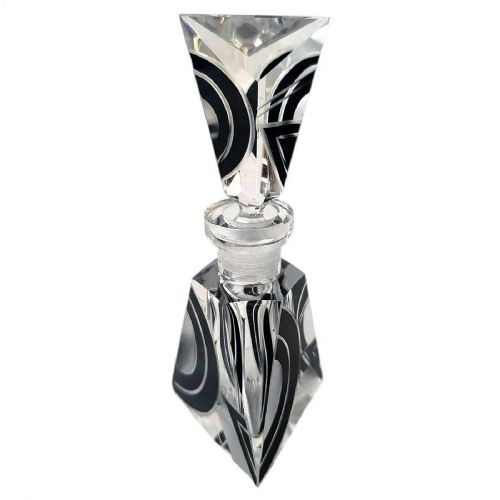
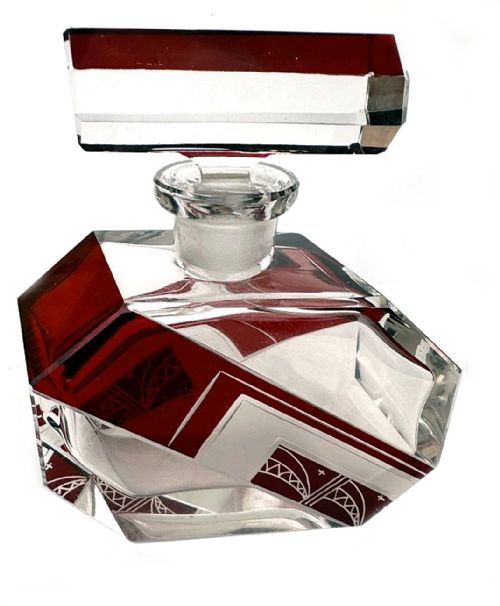
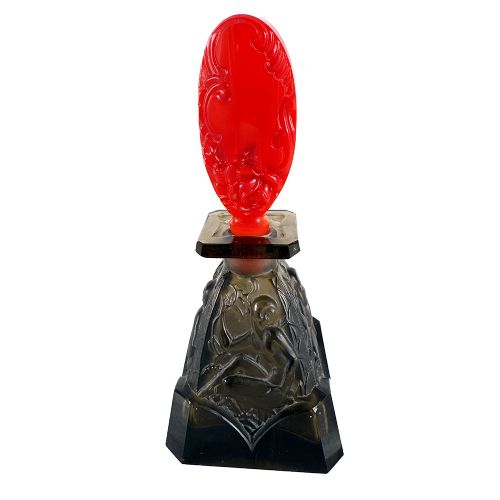
These czech glass scent bottle examples bring geometric Art Deco style and vibrant colour directly to a dressing table.
Czech Glass Scent Bottle
A czech glass scent bottle represents the pinnacle of interwar vanity design, emerging primarily from Bohemia and Czechoslovakia during the 1920s and 1930s. Buyers searching for this phrase encounter striking Art Deco forms, ranging from geometric cut glass to moulded vessels.
The most common versions on this page date from around 1930 and showcase the distinctive aesthetic of the period. These objects function as both perfume containers and atomisers, often accompanied by matching pieces.
Originating from renowned workshops in the region, these bottles utilise rich blue glass and clear crystal. They remain quintessential accessories of the interwar dressing table.
How they were made
The construction of a czech glass scent bottle relies on skilled glass cutting and moulding techniques developed in Bohemia. Artisans shaped molten crystal and coloured glass into sharp geometric profiles characteristic of the Art Deco movement.
Surface decoration frequently incorporates enamel, black enamel, and delicate applications of gold leaf to accentuate the moulded facets. Metal components such as chrome provide functional mountings and atomiser hardware.
Textiles and specialised closures occasionally complement the glass bodies, adding tactile contrast to the hard surfaces of the cut and polished vessels.
Czech Glass Scent Bottle Retail Price Guide 2026
Typical asking prices for czech glass scent bottle among the pieces listed under this phrase on Sellingantiques today, from the lower quarter to the upper quarter. They describe what is for sale here now, not the wider market.
Dressing tables of the 1930s buzzed with the fine mist of these heavy geometric atomisers, turning morning routines into high theatre.
What varies in quality
The distinction between ordinary and exceptional examples rests upon the precision of the glass cutting and the complexity of the mould work. Sharper facets and heavier crystal indicate superior production standards from the period.
Surface treatments such as enamel work and gold leaf application reveal the hand of skilled decorators versus standard factory output. Intricate geometric patterns executed by named designers command greater attention from collectors.
The integrity of integrated metal components, including chrome atomiser hardware and enamel mountings, significantly influences the overall character of the piece.
Karl Palda·Rudolf Hlousek·Hermanova
The Czech Glass Scent Bottle Glossary
- Art Deco
- A design style prevalent in the 1920s and 1930s characterised by sleek geometric shapes and stylized motifs. This aesthetic defines the profile of nearly every bottle from the region.
- Atomiser
- A spray mechanism attached to a perfume bottle for dispersing scent in a fine mist. Many interwar vanity items incorporate this functional hardware.
- Crystal
- A high-clarity form of glass that allows for deep, sharp cutting and brilliant light refraction. It forms the heavy body of many premier vessels.
- Enamel
- Opaque vitreous material fused to glass or metal surfaces for decorative colour. It appears frequently in contrasting bands and geometric patterns.
- Gold leaf
- Extremely thin gold beaten into sheets and applied to surface decoration. This material highlights moulded details on select luxury pieces.
Czech Glass Scent Bottle: Frequently Asked Questions
How do I date a czech glass scent bottle?
Most examples originate from the 1920s and 1930s, aligning with the height of the Art Deco movement in Czechoslovakia. Stylistic indicators like geometric cutting and specific metal hardware help narrow the timeframe.
Design attributes often correspond closely with the production periods of prominent Bohemian workshops active during the interwar era.
Were these bottles used for display or daily wear?
These decorative vessels were designed primarily for prominent display on dressing tables and boudoir surfaces. Their striking colours and geometric forms made them central ornamental objects in interwar domestic spaces.
While functional as perfume containers and atomisers, their artistic ambition meant they functioned as luxury accessories for daily vanity rituals.
How should I clean my scent bottle?
Careful dusting with a soft cloth preserves the delicate enamel and gold leaf decorations found on many surfaces. Moisture should be kept away from metal chrome and fabric elements to prevent tarnishing.
Aggressive cleaning agents risk damaging the original glass finishes and applied pigments characteristic of these vintage pieces.
What colours are typical for these pieces?
Deep shades of blue dominate many of the glass vessels alongside clear crystal transparency. Contrasting black enamel and metallic gold accents frequently enhance the primary body colour.
Palettes remain true to the bold, saturated tones favoured by designers working within the Art Deco idiom.
Do atomisers still function on vintage bottles?
Original rubber bulbs and spray mechanisms often degrade or harden over decades of non-use. While some retain working hardware, many are collected primarily for their visual and decorative qualities.
Replacement parts must be approached cautiously to maintain the historical integrity of the mounted hardware.