
Blue Worcester Porcelain Dish
When you search for a blue worcester porcelain dish, you are looking at centuries of British ceramic artistry from eighteenth-century cobalt designs to painted fruit plates.
Blue Worcester Porcelain Dish
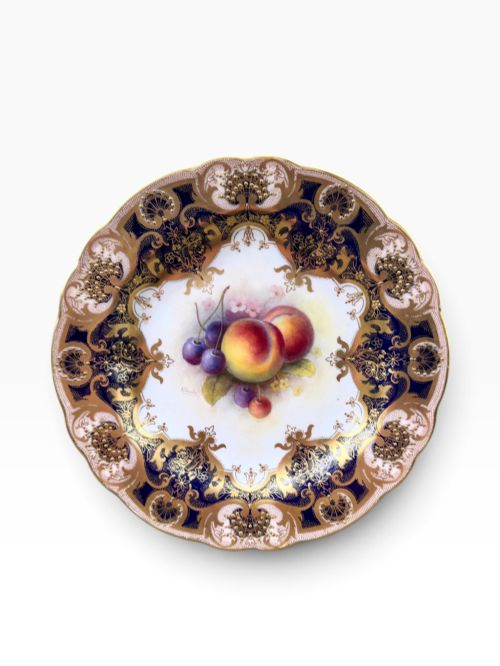
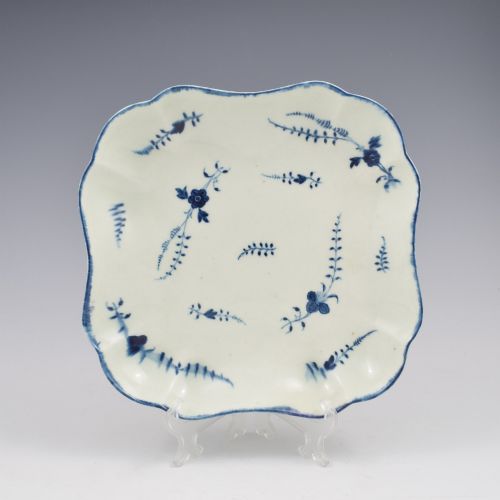
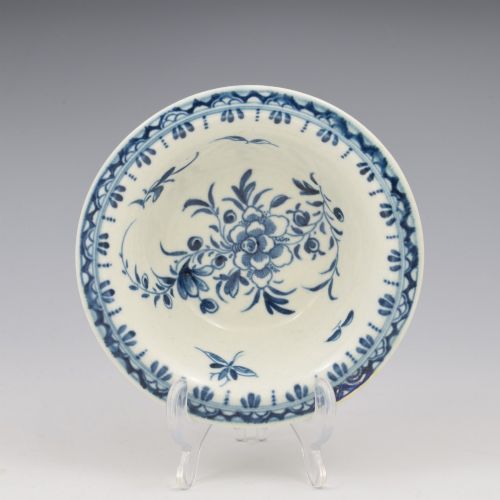
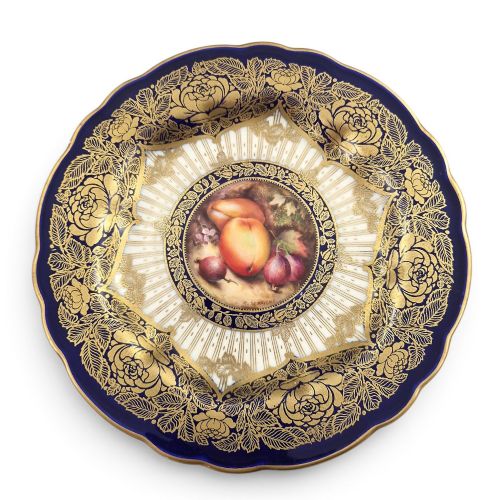
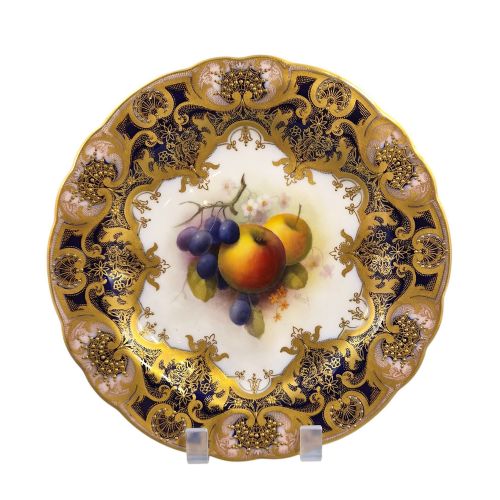
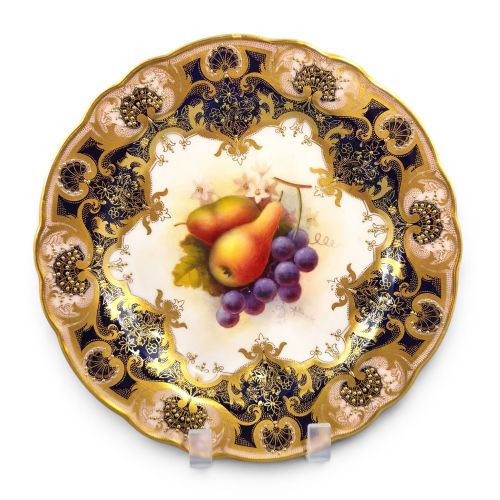
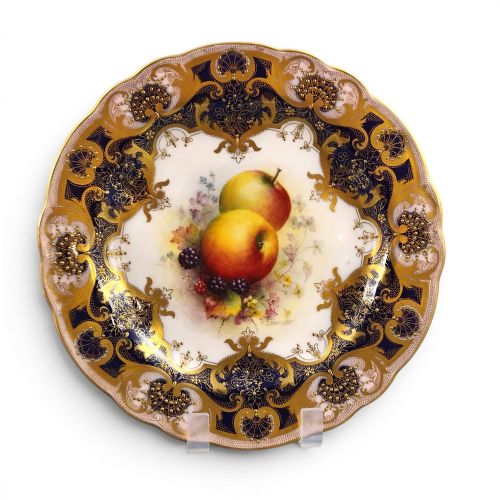
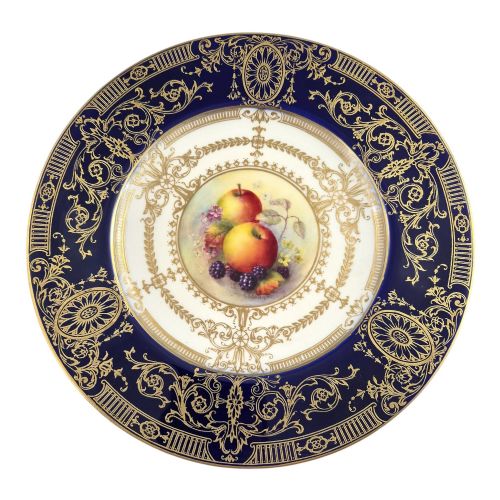
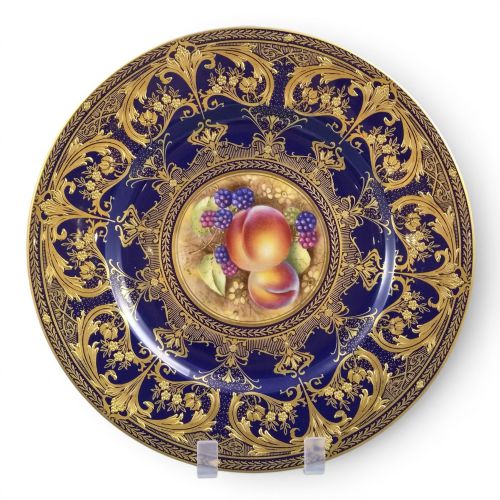
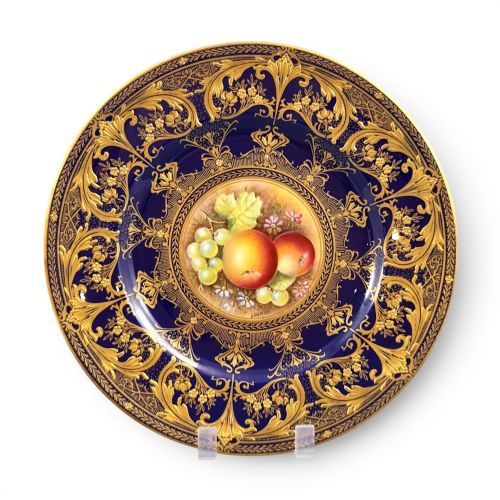
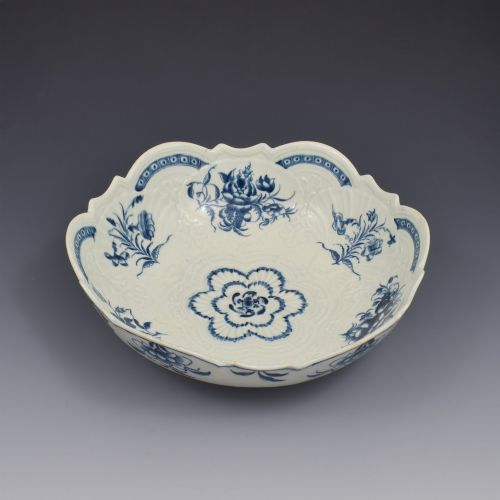
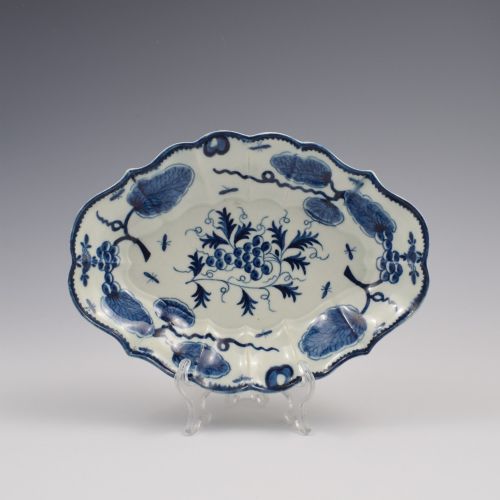
A blue worcester porcelain dish covers an array of functional and decorative forms, from eighteenth-century pickle leaves and junket dishes to twentieth-century cabinet plates. The pieces span multiple periods including the Georgian and Edwardian eras, reflecting changing British tastes.
You are most likely to encounter eighteenth-century First Period or Dr Wall examples featuring blue and white underglaze transfer printing or hand painting, alongside later Royal Worcester painted fruit services.
How they were made
Early pieces utilise soft-paste porcelain combined with cobalt glaze for deep underglaze blue painting, while later twentieth-century items often employ bone china and rich enamel gilding.
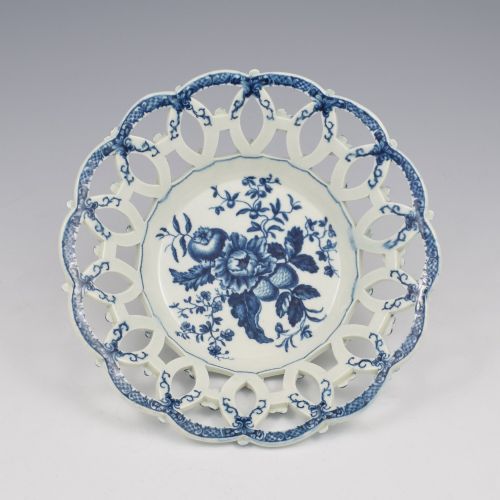
Makers shaped delicate items such as chestnut baskets and pickle dishes by hand or press-moulding, finishing them with hand-painted details, gold leaf, and high-gloss glazes.
The listings include porcelain pieces spanning the eighteenth century through the 1960s, featuring soft-paste porcelain, bone china, and gold leaf.
What varies in quality
Quality rests upon the crispness of the underglaze cobalt transfer or the precision of the hand-painted motifs, such as fruit scenes or bird patterns. Early pieces with complex moulded shapes like openwork baskets demand higher technical skill.
The sophistication of the gilding and the preservation of the enamel colours also separate standard production wares from premier cabinet pieces.
Royal Worcester·Dr Wall·Chamberlain Worcester·Barr Flight Barr·Grainger & Co
The Blue Worcester Porcelain Dish Glossary
- Soft-paste porcelain
- A type of ceramic paste fired at lower temperatures than hard-paste, common in early English factories. It produces a warm, creamy body beneath the glaze.
- Cobalt glaze
- A deep blue metallic oxide used under the glaze to create durable underglaze blue decoration. It remains stable during high-temperature firings.
- Cabinet plate
- A decorative plate meant for display in a cabinet rather than for dining use. These often feature elaborate hand-painted scenes by named artists.
- Junket dish
- A shallow vessel traditionally used for serving curdled milk desserts or creams. They often feature scalloped edges or moulded floral decorations.
- Gilding
- The application of gold leaf or gold paint to ceramic surfaces. It highlights rims, handles, and painted borders.
Blue Worcester Porcelain Dish: Frequently Asked Questions
How do I identify First Period Worcester?
First Period pieces generally date from the eighteenth century under the enterprise of Dr John Wall. They frequently feature early blue and white transfer prints, delicate soft-paste bodies, and crescent or disguised numeral marks.
Look closely at the glaze pooling and the hand-painted details, as these early forms exhibit distinct potting characteristics compared to later Victorian and twentieth-century productions.
What are pickle leaf dishes used for?
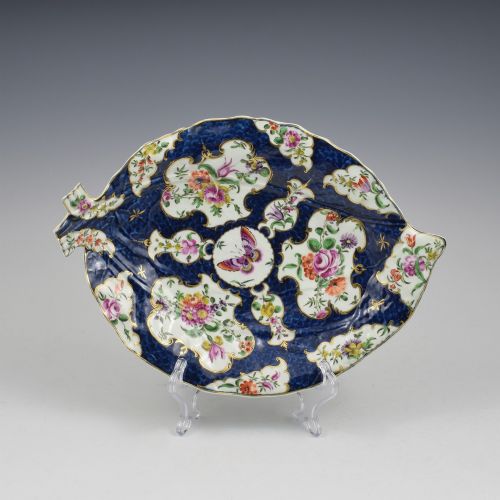
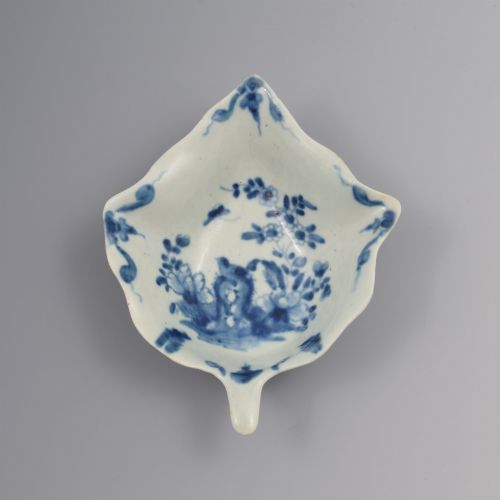
Pickle leaf dishes were small, moulded table wares used during the eighteenth century for serving small relishes, pickles, or olives at grand dining tables. Their leaf shapes mimic real vegetation, often styled as vine, daisy, or butter-boat leaves.
Today, collectors appreciate these small vessels as cabinet specimens or decorative items rather than for active dining service.
What is blue scale porcelain?
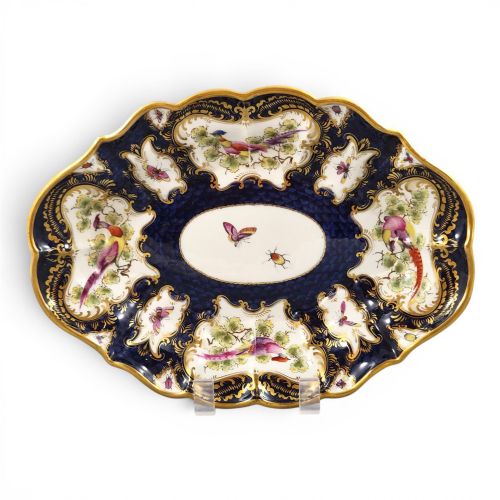
Blue scale is a rich, mottled underglaze blue ground pattern developed at Worcester in the eighteenth century, resembling the scales of a fish. It typically frames white reserves filled with painted exotic birds or flowers.
This intricate ground colour requires skilled application and represents a high standard of factory output from the period.