


Blue White Transferware Tray
A blue white transferware tray brings structured pattern and robust utility to the table, spanning serving platters, meat dishes and small dishes across multiple centuries.
Blue White Transferware Tray
A blue white transferware tray encompasses serving platters, meat dishes, pickle dishes, and spoon trays produced in earthenware, pearlware, and ironstone. These pieces span the eighteenth, nineteenth, Victorian, and Regency periods, reflecting shifting domestic dining habits.
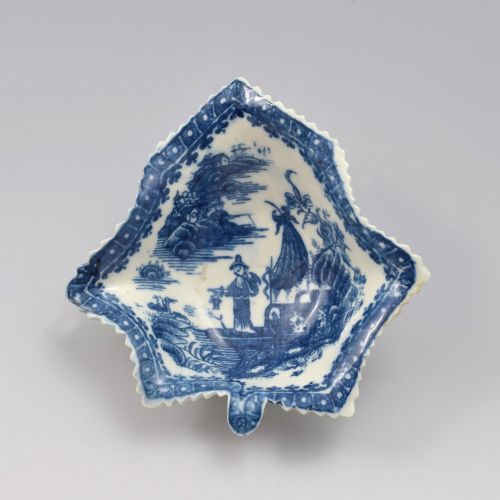
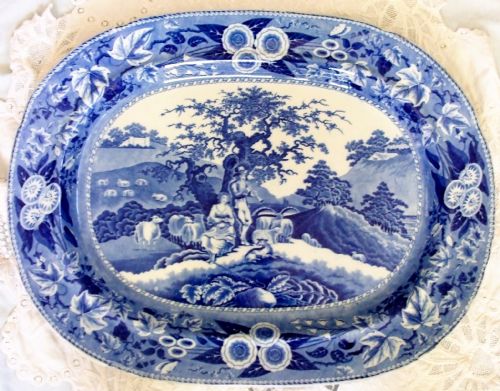
The forms range from large meat platters and bread stands to small trefoil dishes and scale plates, often carrying detailed printed patterns such as Chinoiserie, classical ruins, and pastoral scenes. Many examples originate from Staffordshire potteries and prominent makers active during the Georgian and Victorian eras.
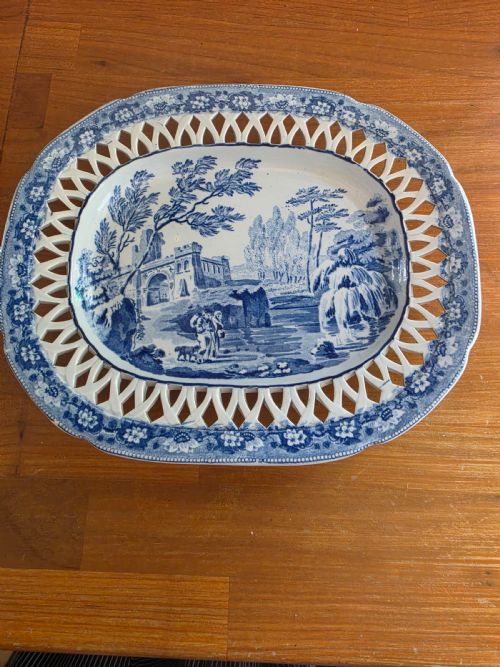
Buyers meet variations in shape, from leaf-shaped pickle dishes and pierced serving platters to deep meat plates featuring reservoirs for carving juices. The surface decoration relies on cobalt pigment applied beneath a clear glaze to create durable, highly contrasting designs.
Materials and methods
Potters shaped earthenware, pearlware, and ironstone bodies on the wheel or in moulds before applying hand-engraved designs transferred from copper plates via tissue paper. Cobalt pigment supplied the intense blue colour that sank into the absorbent biscuit fired clay.
A transparent glaze coated the printed surface prior to a final high-temperature kiln firing, sealing the pigment beneath a glossy protective layer. This technique allowed intricate patterns like landscape views and botanical motifs to be replicated with precision across large production runs.
Object forms span large carving platters with drainage reservoirs, bread stands, sauce tureen bases, and delicate spoon trays.
Judgement of quality
Depth and clarity of the cobalt print determine visual success, separating sharp, well-defined transfer details from blurred or smudged impressions caused by slipping tissue during application. The crispness of pierced edges on serving dishes and the smoothness of the glaze also indicate the skill of the original workshop.
The weight, proportion, and structural integrity of the ceramic body distinguish standard commercial output from exceptional factory productions. Pieces with balanced forms and clean, unwarped surfaces reflect superior kiln management and refined clay preparation.
Caughley·Davenport·Minton·Spode·Copeland and Garrett·Don Pottery·John Rogers and Son·J and R Clews·Elkin Knight and Bridgwood·Mason
The Blue White Transferware Tray Glossary
- Transferware
- Pottery decorated by transferring a printed design from an engraved copper plate onto the ceramic surface using paper. This method revolutionised pottery decoration during the industrial era.
- Pearlware
- A refined earthenware developed in the late eighteenth century featuring a subtle bluish glaze that pooled in recesses to mimic Chinese porcelain. It forms the body of many early serving trays and platters.
- Ironstone
- A heavy, durable type of commercial ceramic patented in the nineteenth century to withstand hard domestic use. It resists chipping better than standard earthenware.
- Cobalt Pigment
- A metallic oxide used under the glaze to produce a deep blue colour that survives high kiln temperatures without fading. It is the defining colouring agent for this group of wares.
- Chinoiserie
- European artistic interpretation of Chinese and East Asian decorative styles, frequently featuring pagodas, bridges, and exotic figures. It remains one of the most common motifs on nineteenth-century serving dishes.
Blue White Transferware Tray: Frequently Asked Questions
How were these trays and platters used historically?
These ceramic pieces served functional roles in domestic dining, carrying joints of meat, serving vegetables, or holding sauces at the table. Smaller versions functioned as spoon trays, pickle dishes, or cheese stands during formal meals.
Over time, larger platters transitioned from kitchen and dining room utility to decorative wall display as domestic tastes shifted. Their robust construction allowed them to withstand heavy daily use in busy households.
How do I care for and live with antique transferware?
Display these platters securely on plate racks, sturdy stands, or flat surfaces where their printed patterns can be appreciated. Avoid placing them in dishwashers, as harsh detergents and high heat will damage the historic glaze.
Wash them gently by hand in warm water with mild soap using a soft cloth. Take care when stacking heavy ironstone or earthenware pieces to prevent rim chips.
How do I distinguish Georgian pieces from Victorian ones?
Georgian examples often feature pearlware bodies with a characteristic bluish glaze pooling around the foot ring alongside delicate hand-engraved Chinoiserie or pastoral motifs. The potting tends to show lighter weight and finer foot rims compared to later wares.
Victorian production frequently utilises heavier ironstone or dense earthenware bodies designed for mass commercial dining. The transfer prints on Victorian pieces often adopt bolder industrial aesthetics or feature registry marks stamped into the underside.
What do pattern names on the back indicate?
Pattern names such as Bridge of Lucano or Classical Ruins identify the specific landscape or decorative theme chosen by the pottery. These titles help researchers trace the source engraving back to specific nineteenth-century print albums and topographical books.
Some patterns appear across multiple potteries because manufacturers shared or copied popular copper-plate engravings. Finding a named pattern often assists in narrowing down the period and workshop of origin.