

Blue White Porcelain Painting
Blue white porcelain painting brings together centuries of ceramic artistry, offering collectors finely decorated vessels and plates shaped by diverse kiln traditions.
Blue White Porcelain Painting
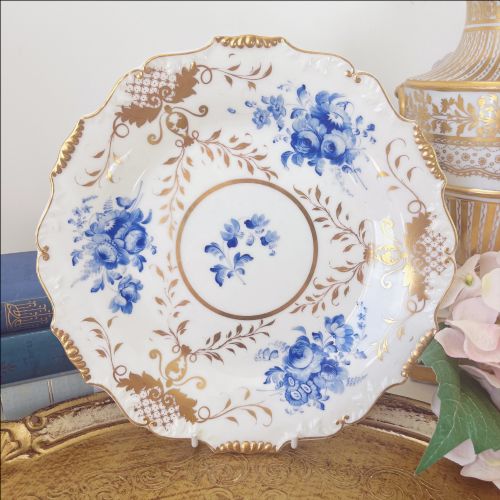
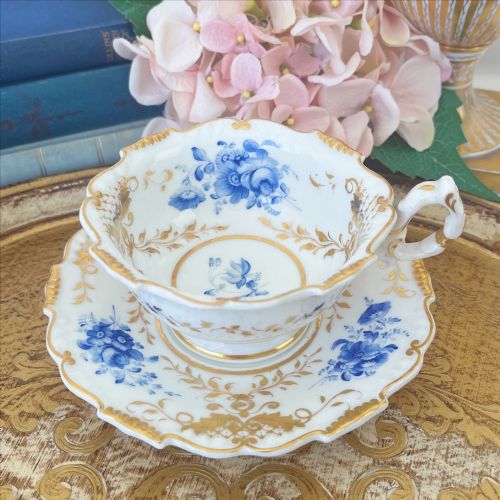
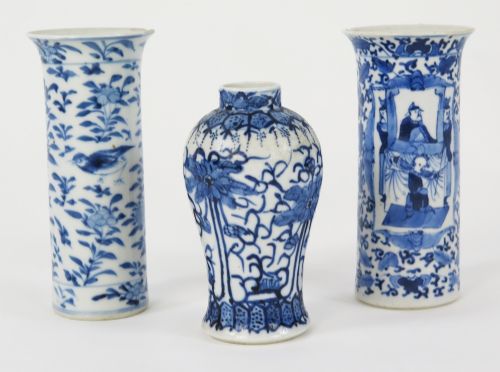
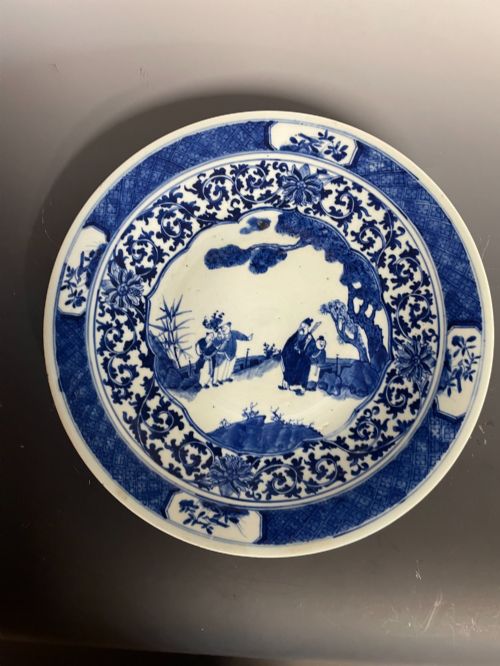
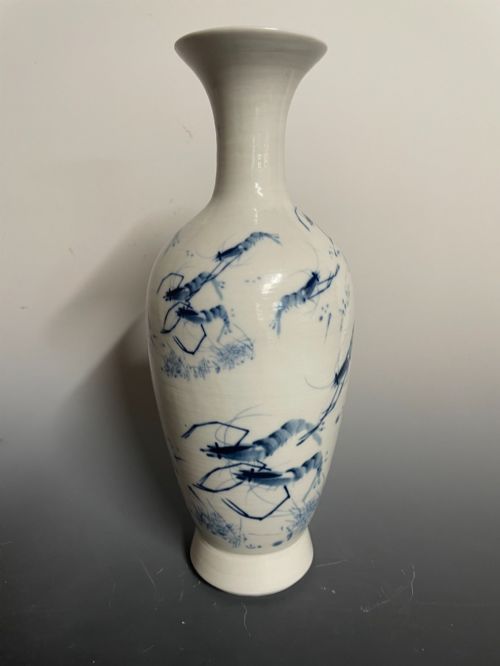
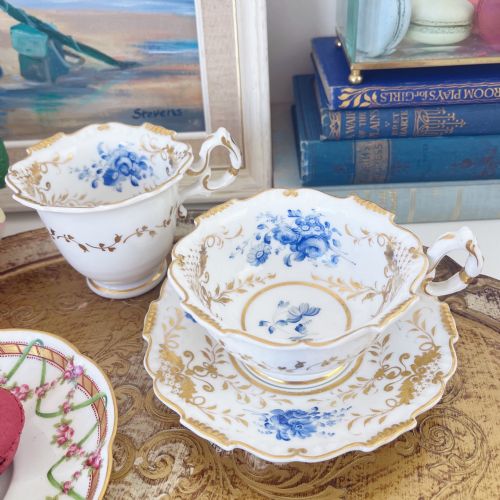
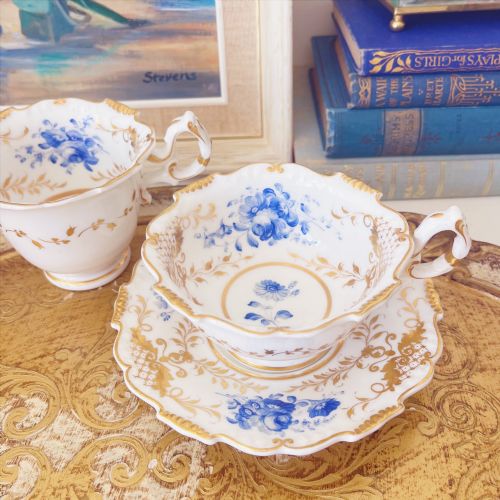
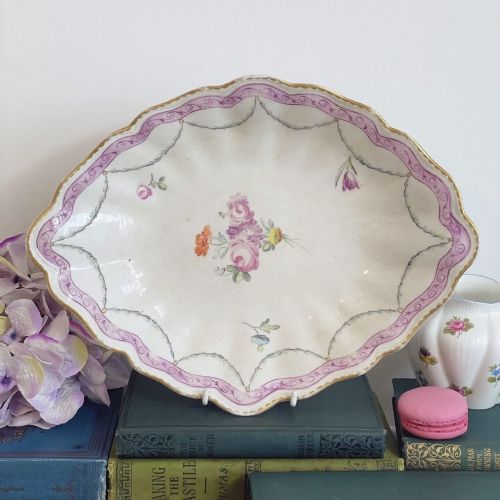
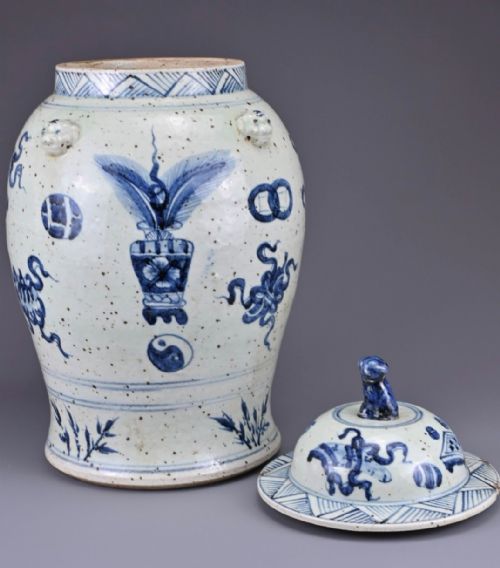
When you search for blue white porcelain painting, you encounter a varied selection of ceramics spanning multiple centuries and geographic origins, from European factories to Asian kilns. The pieces on this page include vases, decorative plates, table lamps, teacups and saucers, chargers, bowls, teapots, and jardiniere forms.
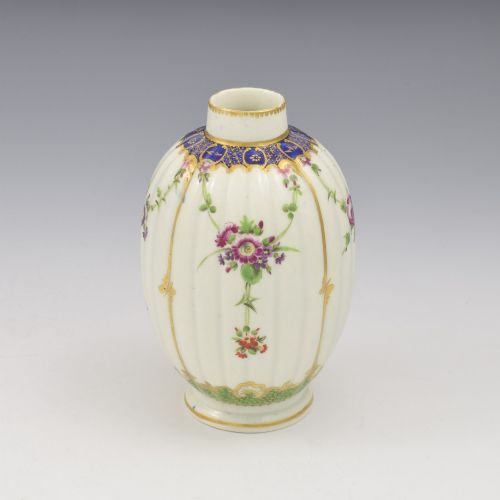
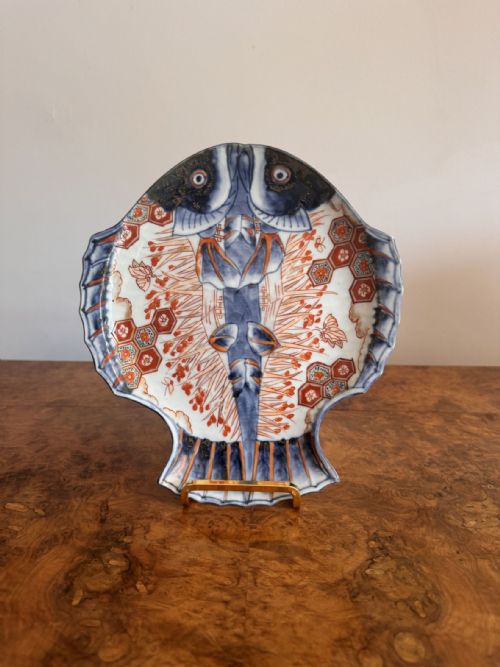
Chinese export wares, Japanese Imari pieces, and 18th-century English porcelain tea canisters and dishes appear frequently in this category. These objects demonstrate the global exchange of ceramic styles and painting techniques across dynasties and European periods.
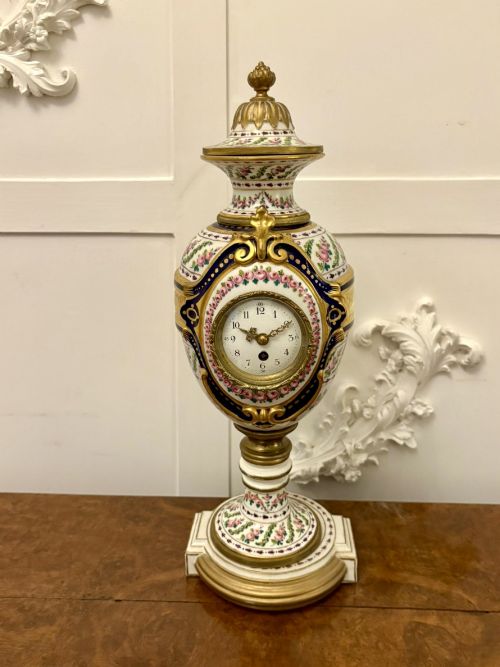
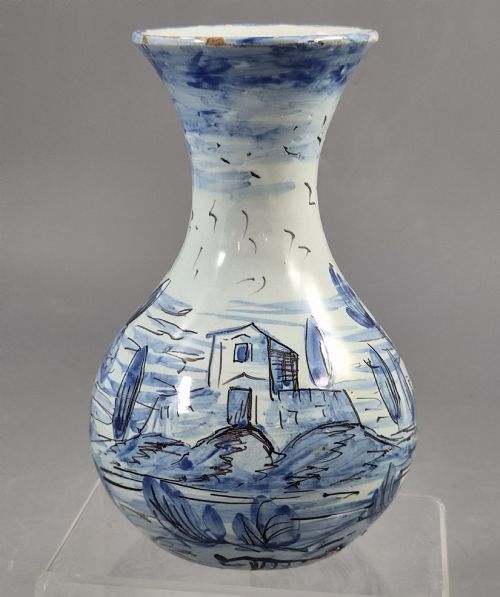
Buyers also find Dutch Delft jars, French soft-paste plates, and nineteenth-century cabinet vases that adapt traditional motifs into new decorative formats. Each object reflects the specific aesthetic priorities of its period of manufacture, whether structured around floral patterns or figurative scenes.
Materials and Techniques
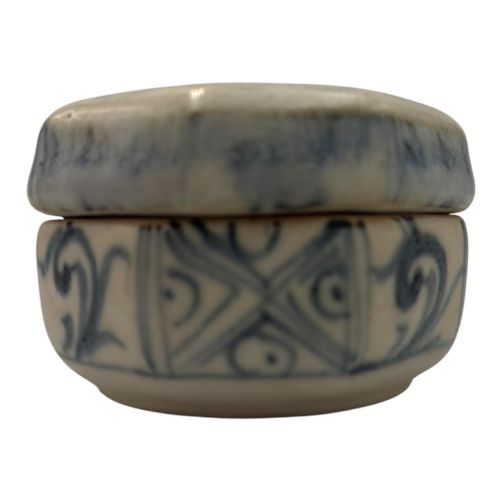
Artisans applied cobalt underglaze directly to the ceramic body before firing, producing deep blue designs that fused permanently beneath a clear protective surface. Cobalt underglaze allowed painters to achieve fine brushwork and tonal variation without the pigment bleeding during high-temperature kiln firings.
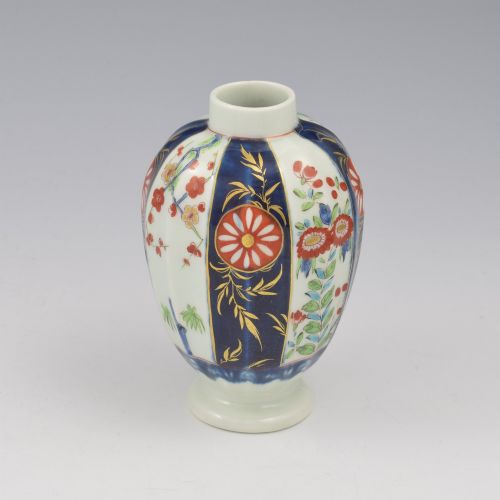
Enamels and gold leaf were occasionally added over the glaze in subsequent low-temperature firings to introduce contrasting colours and metallic highlights to the finished composition. Soft-paste and hard-paste porcelain bodies provided smooth, white surfaces that accentuated the clarity of the handpainted blue motifs.
Listings feature porcelain, earthenware, enamel, and cobalt glaze across eighteenth-century and nineteenth-century periods.
Assessing Quality and Execution
The precision and fluidity of the handpainted brushwork determine the visual success of the piece, separating rapid commercial output from more deliberate studio execution. Finer examples display confident lines, controlled shading within the blue pigment, and balanced composition across the surface of the vessel or plate.
The purity of the porcelain body and the evenness of the glaze application further distinguish superior items. Well-thrown forms with crisp moulding and minimal kiln distortion demonstrate greater technical accomplishment by the potter and painter.
H and R Daniel·Cantagalli·Royal Bonn·Meissen·Royal Worcester
The Blue White Porcelain Painting Glossary
- Cobalt underglaze
- A blue pigment applied to the unfired ceramic body before glazing and firing. This technique protects the painted design beneath a vitreous layer.
- Imari
- A Japanese export style characterised by underglaze blue combined with iron red and gold details. It originated in Arita and gained popularity across Europe.
- Soft-paste porcelain
- A ceramic composition made from clay, glass, and ground minerals fired at lower temperatures than hard-paste porcelain. It possesses a warm tone and a slightly softer surface.
- Delftware
- Tin-glazed earthenware produced in the Netherlands, imitating Chinese porcelain imports. The white opaque glaze provides a ground for painted blue designs.
- Jardiniere
- An ornamental ceramic pot designed to hold large indoor plants or flowers. These vessels often feature substantial proportions and decorative panels.
Blue White Porcelain Painting: Frequently Asked Questions
How are 18th-century pieces identified?
Examine the foot rim and glaze characteristics, as earlier ceramics often exhibit unglazed bases showing the texture of the paste. Tool marks and minor kiln imperfections are common diagnostic traits.
Compare the painted motifs and cobalt tones against documented examples from specific factories or periods. Stylistic cues such as floral panels or figure types help narrow down the date of manufacture.
Were these items used daily?
Many teacups, saucers, teapots, and serving dishes were manufactured for active dining and domestic service in wealthy households. Over time, handling patterns and minor wear accumulated through regular use.
Larger chargers, vases, and jardiniere forms served primarily as interior decoration rather than utility ware. These decorative pieces were displayed on tables, mantels, or wall brackets to showcase the owner's taste.
What is Chinese export porcelain?
Chinese export porcelain refers to wares manufactured in China specifically for European and American markets. These objects combined traditional Chinese kiln techniques with Western shapes and design commissions.
Such pieces travelled along maritime trade routes, influencing European ceramic production and interior design throughout the seventeenth and eighteenth centuries.