


Blue White Porcelain Lighting
Blue white porcelain lighting brings together centuries of ceramic artistry and functional illumination through converted vases, jars, and candlesticks.
Blue White Porcelain Lighting
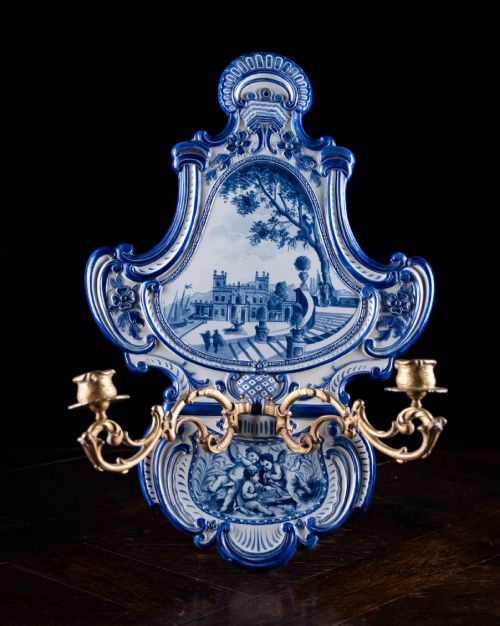
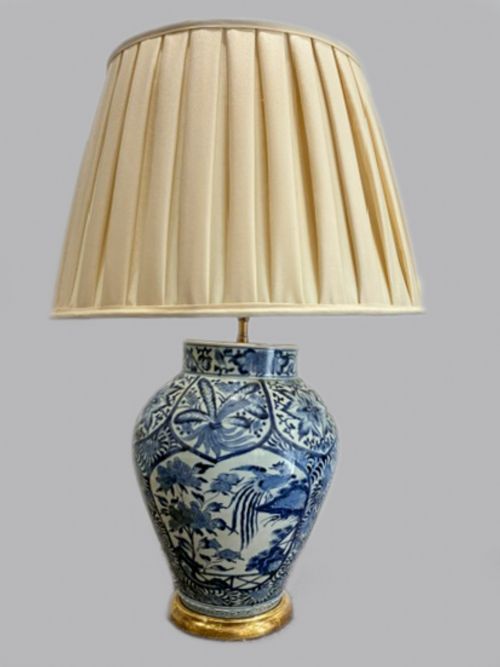
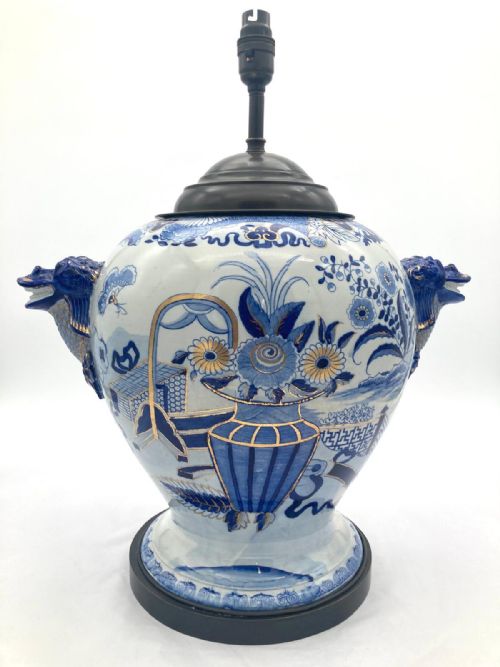
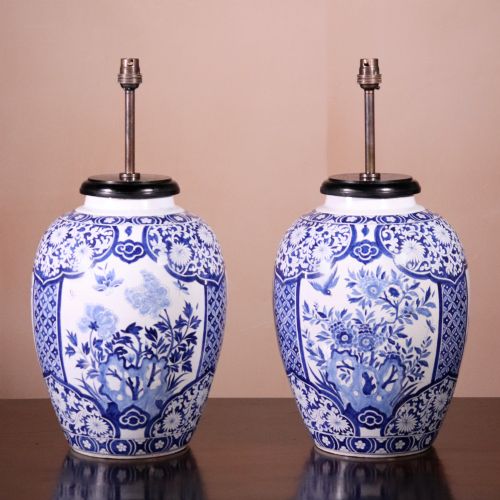
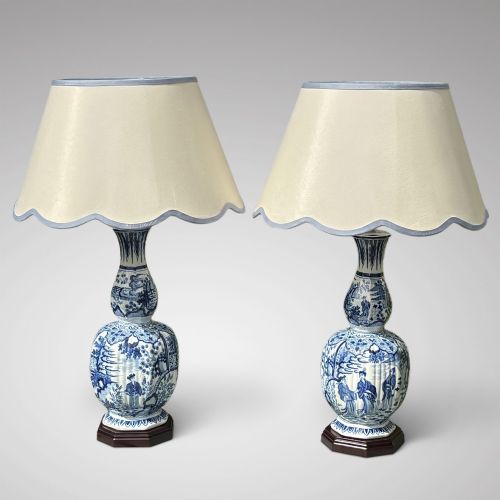
Blue white porcelain lighting primarily consists of antique vessels that have been converted into table lamps, wall sconces, and candlesticks. When searching for blue white porcelain lighting, collectors encounter a strong representation of nineteenth-century Chinese and Japanese ceramic forms alongside European Delftware.
The objects take the form of ginger jars, baluster vases, and twin-handled vessels originally produced during the seventeenth, eighteenth, and nineteenth centuries. These bodies are then mounted with electrical fittings, sometimes retaining period bases in brass, gilt bronze, or wood.
How they were made
Potters shaped the ceramic bodies using porcelain, earthenware, and ironstone, applying cobalt blue pigments beneath a transparent glaze before high-temperature firing. The resulting surfaces display hand-painted botanical motifs, prunus blossom designs, and crackleware textures characteristic of Chinese and Japanese kilns.
Metal components in brass, gilt bronze, and ormolu were cast and chased to mount the ceramic bodies securely. Silk and fabric shades were subsequently added to complete the lighting assemblies.
Some ginger jars started life storing preserved ginger before spending a second career illuminating Victorian reading nooks.
What varies in quality
Quality rests upon the crispness of the cobalt painting and the integrity of the porcelain body, with finer examples displaying deep tonal gradations and careful hand-painting. The balance and proportion of the conversion mountings also dictate the visual success of the piece.
The integration of the electrical fittings into the original ceramic structure determines the refinement of the piece. Masterful conversions preserve the character of the antique vase without compromising its form.
Villeroy and Boch·Hicks and Meigh
The Blue White Porcelain Lighting Glossary
- Delft
- Tin-glazed earthenware produced in workshops in the Netherlands and England, imitating Chinese blue and white porcelain. It provides a distinctive opaque white ground for cobalt decoration.
- Arita
- Japanese porcelain originating from the town of Arita, known for fine bodies and painted underglaze blue designs. These wares were widely exported to Europe.
- Ormolu
- Gilt-bronze mounts applied to furniture, ceramics, and lighting fixtures. It offers a rich metallic contrast to the blue and white porcelain.
- Imari
- Japanese porcelain decorated in underglaze blue, iron red, and gilt. It represents a vibrant aesthetic style developed during the Edo period.
- Crackleware
- Pottery or porcelain featuring intentional network-like fissures in the glaze. This specialised cooling effect adds textural depth to the surface.
Blue White Porcelain Lighting: Frequently Asked Questions
How are antique vases wired safely?
Conversion involves running a cord through the centre of the vessel or mounting it externally without drilling through fragile ceramic bodies wherever possible. Modern wiring components are added above and below.
Professional electricians ensure that old metal bases and original mounts accommodate modern safety standards while retaining the antique character of the lamp.
Can I use these lamps daily?
These pieces function well in domestic settings as primary or accent illumination when paired with appropriate low-heat LED bulbs. Their sturdy porcelain and bronze construction suits regular use.
Gentle handling during cleaning and bulb changes preserves both the wiring and the delicate painted ceramic surfaces over decades of daily living.
How do I date blue white porcelain?
Dating relies on examining the characteristics of the cobalt pigment, the texture of the porcelain paste, and the style of the hand-painted motifs. Chinese dynasty markers and Japanese kiln traditions offer chronological clues.
Secondary indicators such as brass mounts, ormolu casting styles, and remnants of old wiring help verify the era of the lamp conversion.
What styles complement these lamps?
Blue white porcelain lighting harmonises with traditional interiors, Chinoiserie schemes, and eclectic spaces that mix period antiques with neutral textiles. The classic palette bridges diverse interior aesthetics.
Placing these lamps on dark wood furniture highlights the bright cobalt tones and contrasts effectively with silk or fabric shades.