




Traditional Chinese Ceramic Lamp
These traditional chinese ceramic lamp selections bring hand-painted porcelain and historic forms into modern rooms.
Traditional Chinese Ceramic Lamp
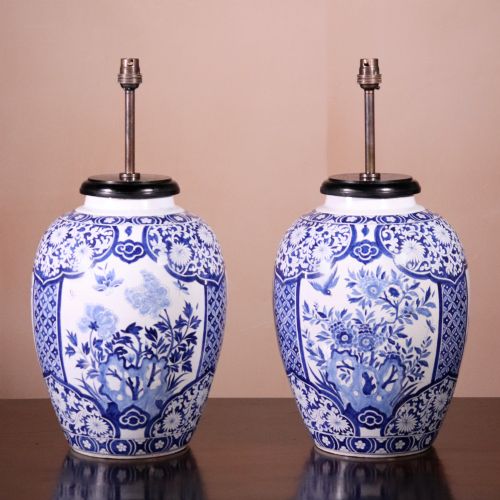
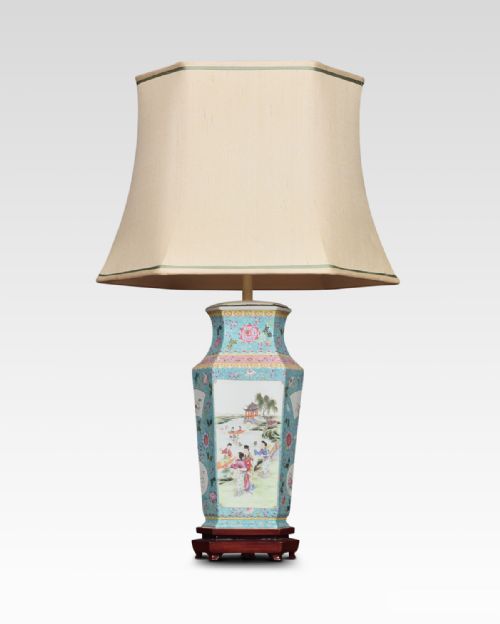
When you search for a traditional chinese ceramic lamp, you examine converted vessels drawn from nineteenth-century forms. The selection here centres on table lamps created from porcelain jars, ginger jars and baluster vases, often paired with silk or fabric shades.
Most examples originate from the nineteenth century, including pieces reflecting Qing Dynasty designs alongside later works from nineteen hundred to nineteen twenty. You encounter blue and white colour schemes, crackleware finishes, and colourful enamel palettes such as Famille Verte and Famille Rose.
Makers adapted these traditional Chinese vases into electrical fittings while retaining the original ceramic bodies, sometimes incorporating brass and wood mounts. These forms range from monumental celadon vases down to smaller ginger jars.
How they were made
Potters shaped these bodies from fine porcelain before applying hand-painted cobalt blue underglazes or polychrome enamel decorations. Artisans utilised techniques seen in Chinese Export and Qing Dynasty workshops to achieve intricate patterns across baluster and jar forms.
Many items incorporate crackleware finishes where intentional crazing creates a textured surface pattern across the ceramic glaze. Final assemblies often integrated fitted wooden bases and brass hardware to support electrical wiring and lamp fittings.
Monks and scholars once kept celadon jars nearby, believing the jade-coloured glaze would change hue if poisoned tea touched the rim.
What varies in quality
The precision and detail of the hand-painted brushwork separate standard production from superior pieces. Finer porcelain bodies display greater depth in the blue and white pigments or richer application of Famille Rose and Famille Verte enamels.
Condition and originality dictate the character of each piece, particularly how well the ceramic body integrates with its wood or brass mounts. The clarity of the crackleware glaze and the preservation of the original enamel colours also define the hierarchy among these lamps.
The Traditional Chinese Ceramic Lamp Glossary
- Celadon
- A pale green or grey-green ceramic glaze developed in China, prized for its jade-like appearance. It often covers heavy porcelain vessels.
- Famille Rose
- A palette of opaque enamel colours dominated by pink or rose hues, introduced during the Qing Dynasty. This technique decorated porcelain with floral and figural motifs.
- Famille Verte
- A porcelain decoration style relying primarily on green enamels alongside other colours, prominent in Qing Dynasty workshops. It creates vibrant contrast against white ceramic grounds.
- Crackleware
- Pottery featuring a network of fine cracks intentionally induced in the glaze during cooling. This texture appears frequently on nineteenth-century Chinese vases.
- Baluster
- A vase shape with a rounded body that tapers toward the neck and stands on a broader base. This silhouette serves as a common foundation for table lamps.
Traditional Chinese Ceramic Lamp: Frequently Asked Questions
What is a traditional chinese ceramic lamp?
These pieces are historic porcelain vessels, such as ginger jars and baluster vases, converted into functional table lighting. They combine antique ceramic bodies with modern electrical fittings and shades.
Most examples date from the nineteenth century and feature hand-painted designs in blue and white, Famille Rose, or Famille Verte enamels.
How do I clean a ceramic lamp?
Dust the porcelain body gently with a dry, soft cloth to prevent dirt accumulation in the glaze or painted details. Avoid harsh chemical cleaners that might damage antique enamels or brass mounts.
Take care around the wiring and any fabric or silk shades during routine maintenance.
Are these lamps antique?
The ceramic bodies originate from historic periods, specifically the nineteenth century and early twentieth century. These include Qing Dynasty and Chinese Export pieces adapted for modern use.
Conversion into lamps typically occurred later to suit domestic interiors while preserving the original porcelain.
How do I style a ceramic lamp?
Place these lamps on side tables, chests, or sideboards where their painted patterns and colours can catch the light. Their classic proportions suit both traditional and contemporary interior schemes.
Pair them with simple silk or fabric shades to let the ceramic base remain the visual focus.