




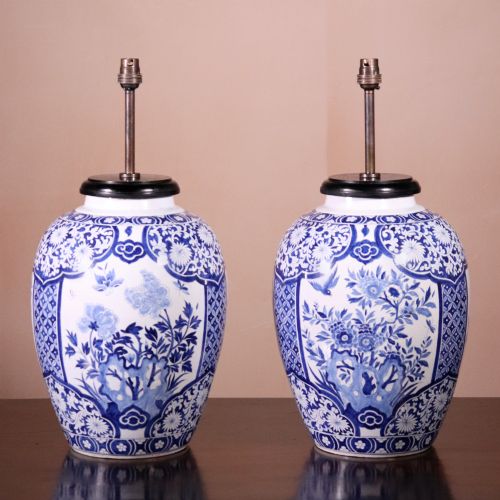


Asian Porcelain Vase Lamp
An asian porcelain vase lamp brings together centuries of ceramic artistry and domestic illumination.
Asian Porcelain Vase Lamp
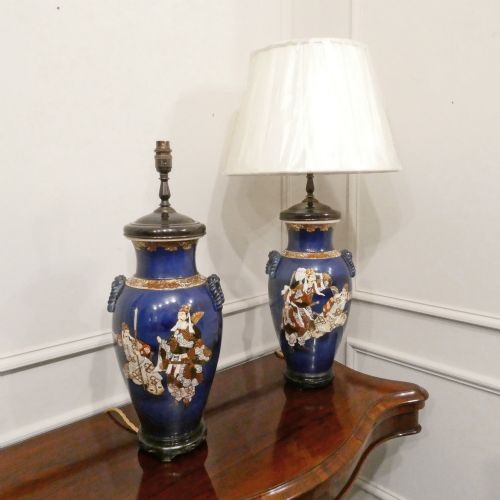
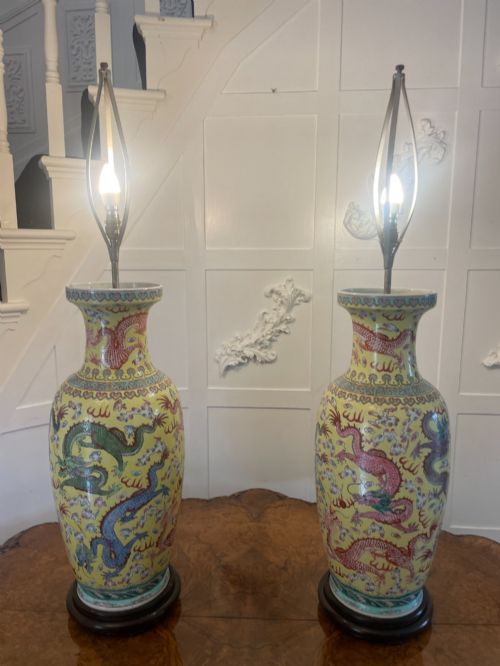
An asian porcelain vase lamp transforms traditional ceramic vessels into functional lighting for the home. When exploring this selection, buyers encounter table lamps and decorative vases adapted from diverse periods spanning the seventeenth to the twentieth centuries.
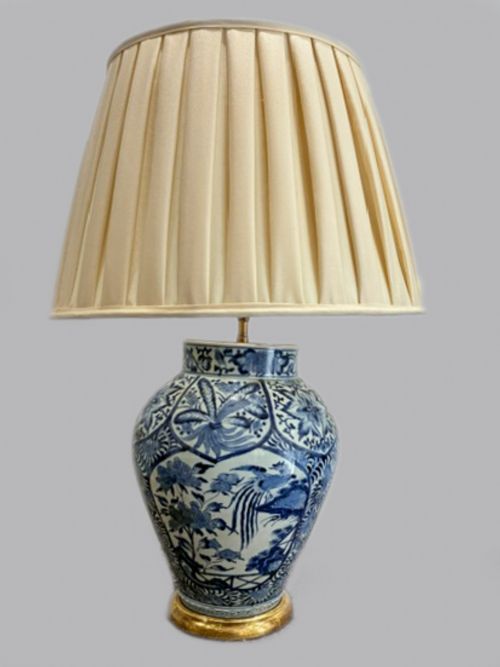
The objects originate from notable traditions including Chinese Qing Dynasty productions and Japanese Meiji and Edo periods. Forms range from large pairs of baluster and jar lamps to single celadon and blue and white vessels mounted for electricity.
How they were made
These pieces combine porcelain, earthenware, or ceramic bodies with metal mounts in brass. Makers shaped the clay on the wheel or in moulds before applying intricate painted decoration, enamel work, and glazes including celadon and powder blue.
Conversion into lamps typically involved adding fitted brass bases and collars while preserving the original antique body. Fabric and silk shades often complete the construction, pairing textile elements with the hard ceramic surfaces.
Asian Porcelain Vase Lamp Retail Price Guide 2026
Typical asking prices for asian porcelain vase lamp among the pieces listed under this phrase on Sellingantiques today, from the lower quarter to the upper quarter. They describe what is for sale here now, not the wider market.
Some vessels began life guarding tea in Edo Japan before spending retirement illuminating nineteenth-century reading corners.
What varies in quality
Quality rests on the crispness of the hand-painted details and the depth of the glaze, whether in Satsuma, Imari, or Kutani palettes. Superior examples display balanced proportions between the ceramic body and the brass or wooden mounts.
The integrity of the original vessel influences the overall standing of the piece. Lamps created from finely potted eighteenth or nineteenth-century vases retain a stronger presence than later adaptations.
The Asian Porcelain Vase Lamp Glossary
- Satsuma
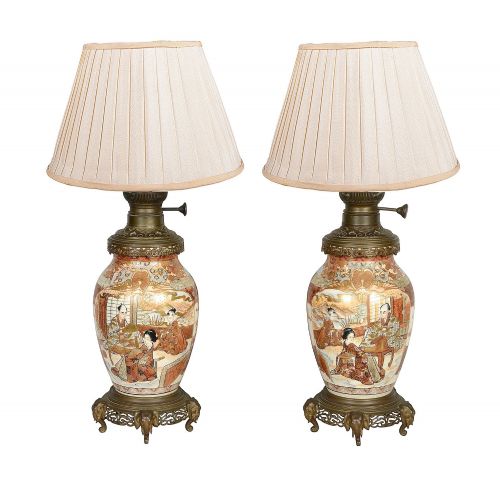
- A type of Japanese earthenware featuring a crackle glaze and ornate polychrome and gilt enamel decoration. These wares frequently appear in nineteenth and early twentieth-century lighting conversions.
- Celadon
- A pale green jade-like glaze applied to porcelain or ceramic bodies. This finish originated in China and provides a serene, uniform surface tone.
- Imari
- A traditional style of Japanese export porcelain decorated in underglaze blue and contrasting iron red and gold. Pieces often showcase complex floral and panel designs.
- Baluster
- A vase shape characterised by a rounded body that tapers toward the base and swells near the lower middle. This form frequently serves as the central column for table lamps.
- Kutani
- Japanese porcelain known for bold colour palettes, particularly rich reds and greens combined with gold detailing. These ceramics provide striking visual weight when adapted for lighting.
Asian Porcelain Vase Lamp: Frequently Asked Questions
How are vase lamps wired?
Most antique vase lamps are adapted for modern electrical standards using fitted brass or metal components. The wiring typically runs through the centre or alongside the mount without damaging the ceramic body.
Buyers should inspect the plug and flex to ensure compliance with current safety regulations. Professional rewiring can be easily arranged if the existing electrical components require an upgrade.
Are these lamps sold as pairs?
Many listings feature matching pairs of lamps, which prove popular for symmetrical placement on sideboards or bedside tables. Single lamps also appear frequently across various styles and periods.
Pairs often originate from large garnitures or symmetrical decorative vases converted simultaneously. Matching sets maintain consistent height, glaze colour, and mount design.
How do I choose a lampshade?
Selecting a shade involves balancing the scale and colour of the ceramic vase beneath. Fabric or silk shades in neutral tones allow intricate blue and white or polychrome patterns to remain the focal point.
The height of the shade should complement the proportions of the brass mounts and the ceramic body. Clipped or spider fitters must match the harp or bridge hardware attached to the lamp.