


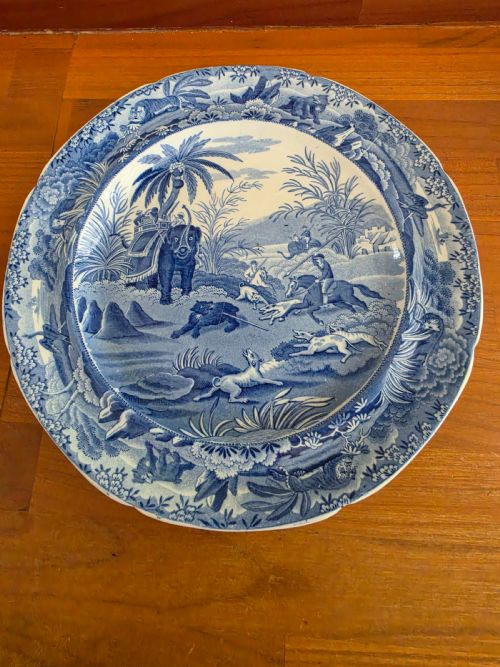


Blue White Display Dish
A blue white display dish brings centuries of painted ceramic artistry into the home, offering striking patterns meant for visual appreciation rather than daily dining.
Blue White Display Dish
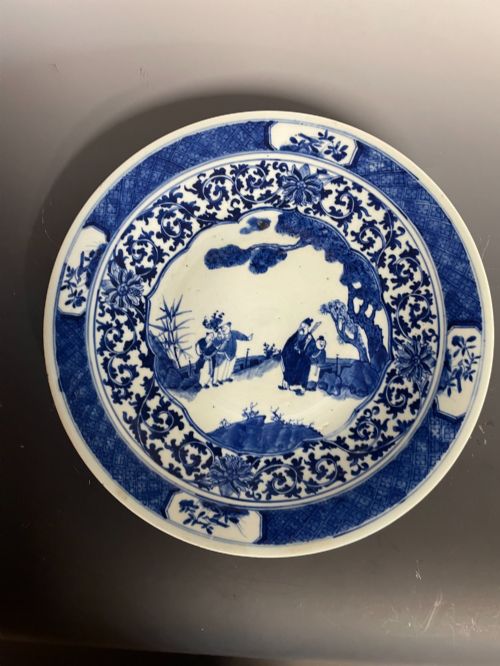
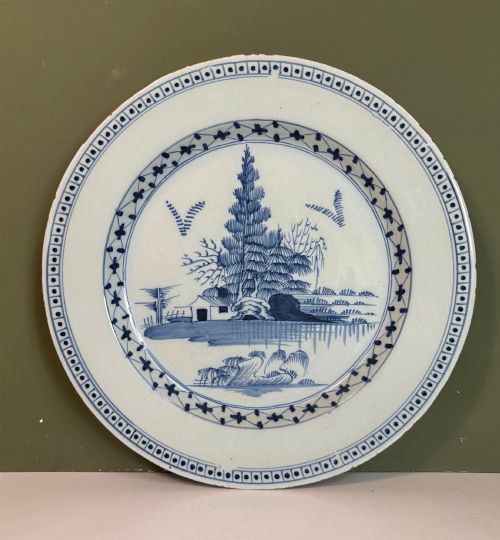
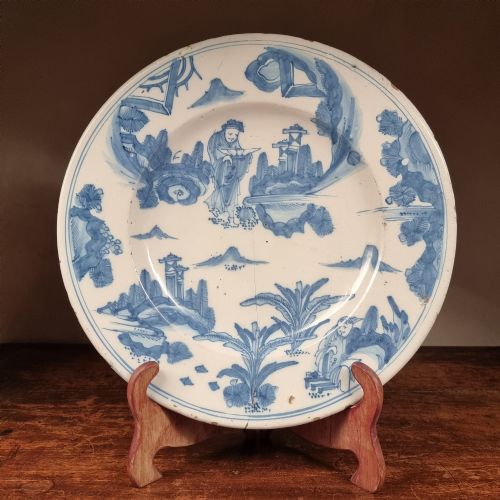
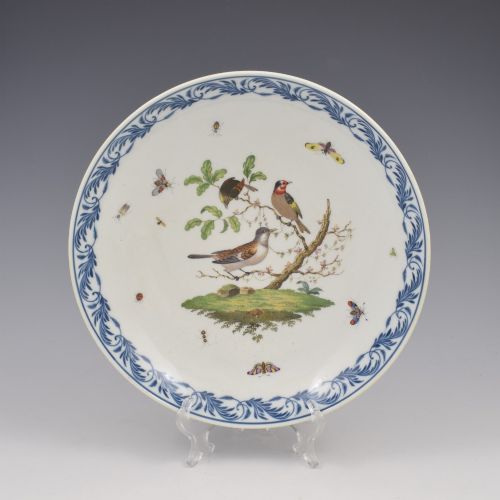
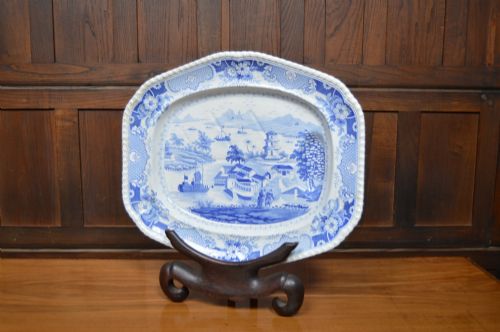
When searching for a blue white display dish, collectors encounter a diverse array of forms including chargers, plates, bowls, and platters designed for decorative presentation. The selections span multiple centuries and geographic origins, ranging from English and Dutch earthenware to Chinese porcelain and Japanese Arita wares.
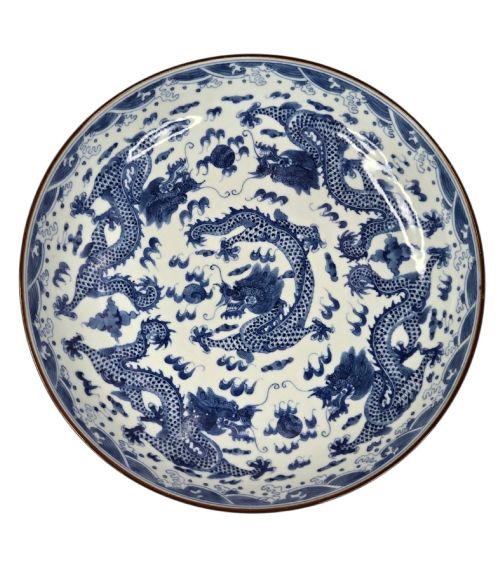
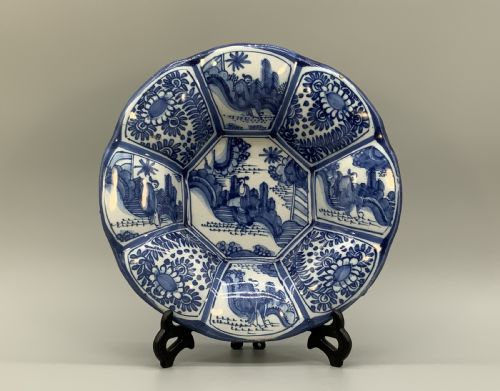
The most common versions met on this page include 18th-century Delft chargers, Japanese Imari plates from around 1900, and Chinese export ceramics. These pieces frequently feature traditional motifs such as Chinoiserie scenes, floral arrangements, dragons, and Kraak style borders.
Objects range from deep chargers spanning significant diameters down to smaller lobed and fan-shaped dishes. Each form reflects the specific aesthetic priorities of its period of origin, from Dutch Baroque interpretations to Qing Dynasty porcelain production.
Materials and production techniques
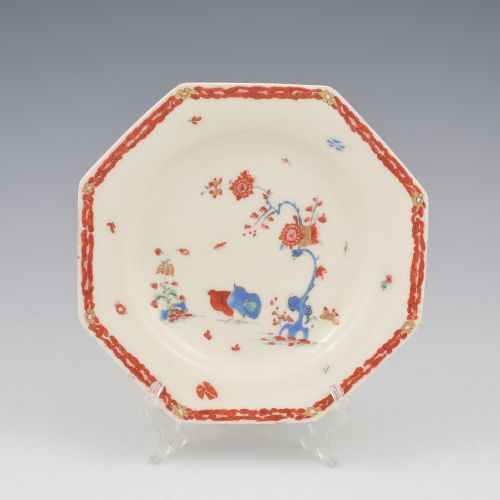
The pieces rely primarily on ceramic bodies formed from earthenware, stoneware, or porcelain, shaped on wheels or pressed into moulds to create octagonal, lobed, or barbed rims. Potters applied cobalt pigment directly onto the unglazed clay or over a tin glaze before firing at high temperatures.
Tin-glazed earthenware, characteristic of Delftware, required an opaque white enamel coating that provided a smooth canvas for blue painted designs before a final protective glaze layer. Porcelain items utilised refined clay mixtures fired to vitrification, achieving a resonant, dense structure capable of holding intricate detail.
Transferware techniques emerged later, utilising engraved copper plates to transfer printed cobalt designs onto earthenware surfaces prior to glazing and firing. Hand-painted variations involved skilled brushwork using cobalt pigment, occasionally complemented by enamel highlights in Japanese Imari styles.
Several plates capture the dramatic historical moment of the death of a bear alongside traditional depictions of koi carp and dragons.
Distinctions in craftsmanship and visual impact
The clarity and depth of the cobalt pigment separate superior examples from ordinary production, where fluid brushwork and sharp outlines demonstrate the painter's skill. Finer porcelain bodies exhibit greater thinness and translucency, whereas robust earthenware chargers rely on balanced proportions and stable tin glazes.
The precision of the moulding and the symmetry of complex forms, such as barbed rims or lobed perimeters, indicate higher standards in the workshop. Well-executed decorative borders and harmonious placement of central motifs reflect deliberate artistry rather than mechanical repetition.
Bow Porcelain·John Ridgway·Meissen Porcelain·Spode
The Blue White Display Dish Glossary
- Charger
- A large decorative plate intended for wall hanging or ceremonial display on a sideboard rather than for serving food at the table.
- Cobalt Pigment
- The metallic oxide used to produce the characteristic deep blue colour under the glaze during high-temperature ceramic firings.
- Tin Glaze
- An opaque white enamel containing tin oxide applied to earthenware, providing a smooth background for painted blue designs in Delftware.
- Kraak Style
- A type of Chinese porcelain featuring panelled borders and central motifs surrounded by radiating compartments, widely imitated in Europe.
- Imari
- Japanese porcelain and ceramic ware decorated in underglaze blue and overglaze iron red, often highlighted with gold.
- Transferware
- Pottery decorated by transferring a printed design from an engraved copper plate onto the ceramic surface using a paper intermediary.
Blue White Display Dish: Frequently Asked Questions
How were chargers displayed historically?
Large chargers were traditionally arranged on dresser shelves, mounted on walls using wire hangers, or stood upright on sideboards to showcase their painted surfaces. This kept them safe from daily wear while acting as primary decorative focal points in domestic interiors.
Their substantial size and striking blue and white contrast made them ideal for filling vertical wall space in dining rooms and parlours.
What is the difference between Delft and porcelain?
Delft utilises a porous earthenware body covered in an opaque tin glaze, resulting in a heavier, softer feel with a thick white surface. Porcelain is a vitrified, dense ceramic material fired at much higher temperatures, producing a ringing tone when struck and often displaying thin, translucent walls.
While both achieve the blue and white aesthetic, porcelain originates primarily from Asian traditions or later European kilns, whereas Delft represents European earthenware production.
Are these dishes safe for serving food?
Most antique display dishes are intended strictly for decorative appreciation and collection rather than culinary use. Historic glazes, particularly on early earthenware and tin-glazed pieces, can be fragile and unsuited to modern dishwashing or acidic foods.
Using them purely as display objects preserves the delicate painted surfaces and prevents accidental staining or crazing of the historic glaze.