
Blue Victorian Armchair
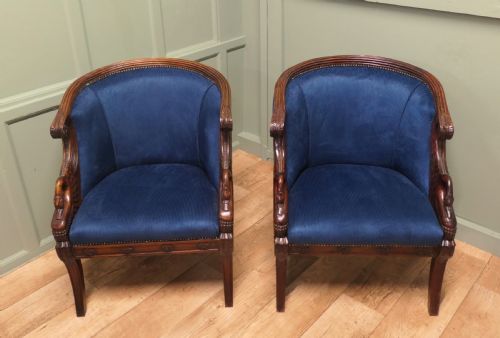
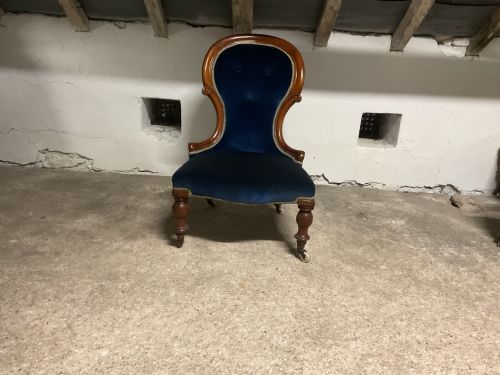
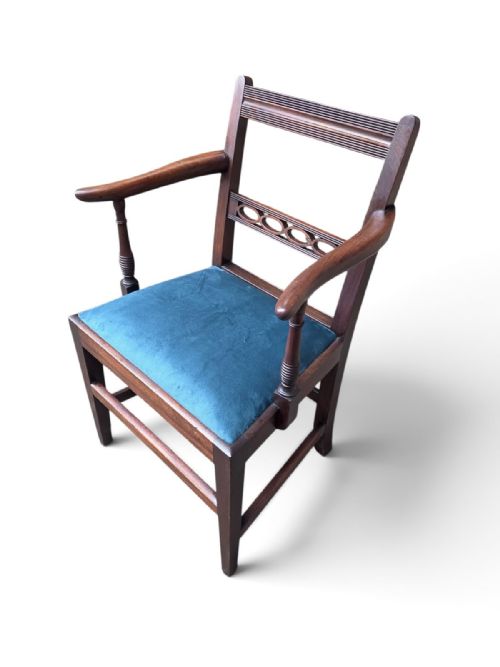
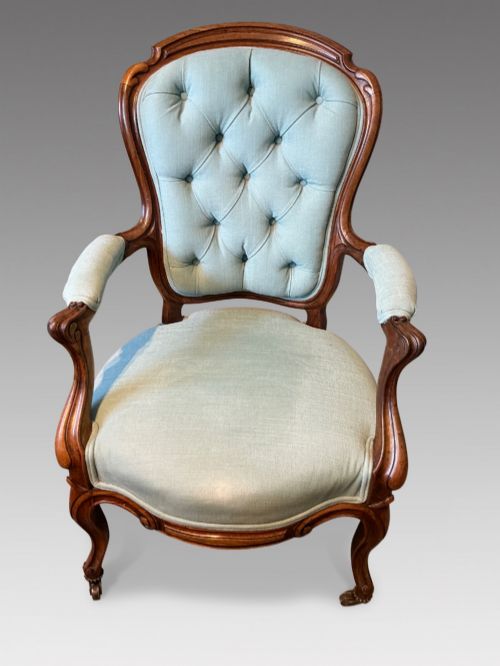
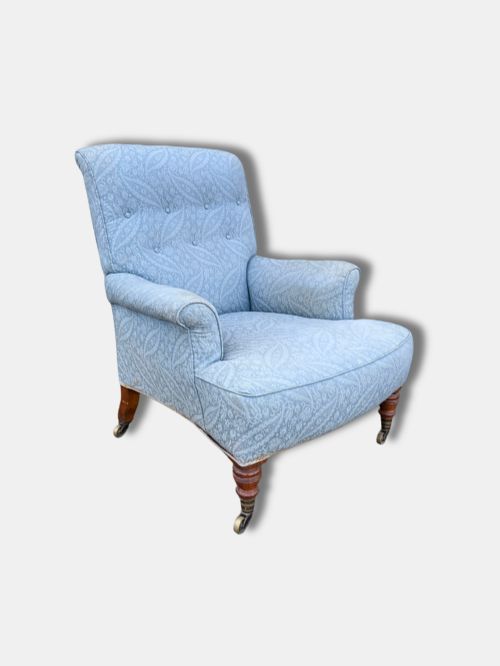
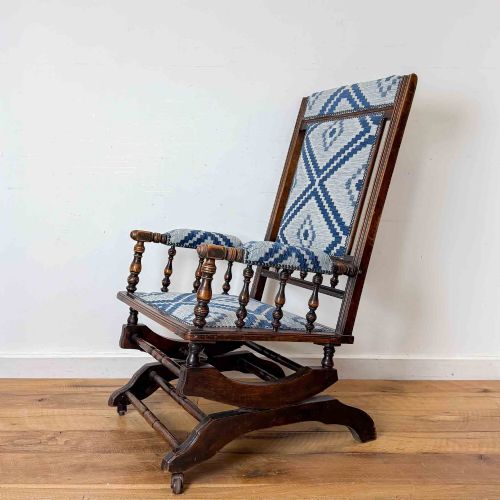
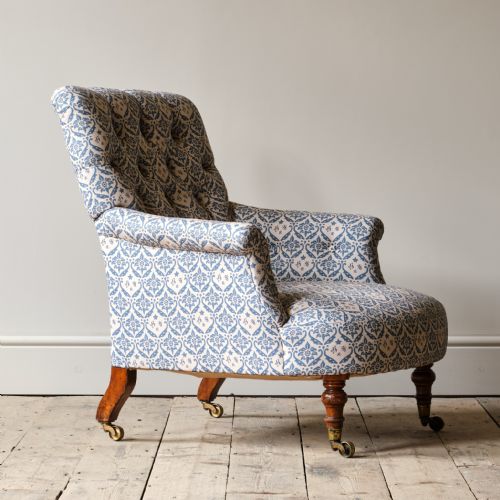
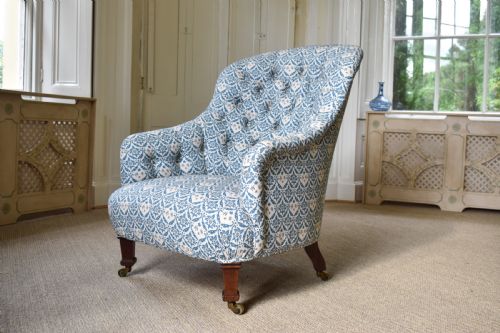
A blue victorian armchair brings tactile depth and rich nineteenth-century character to a room through upholstered fabrics paired with robust timber frames.
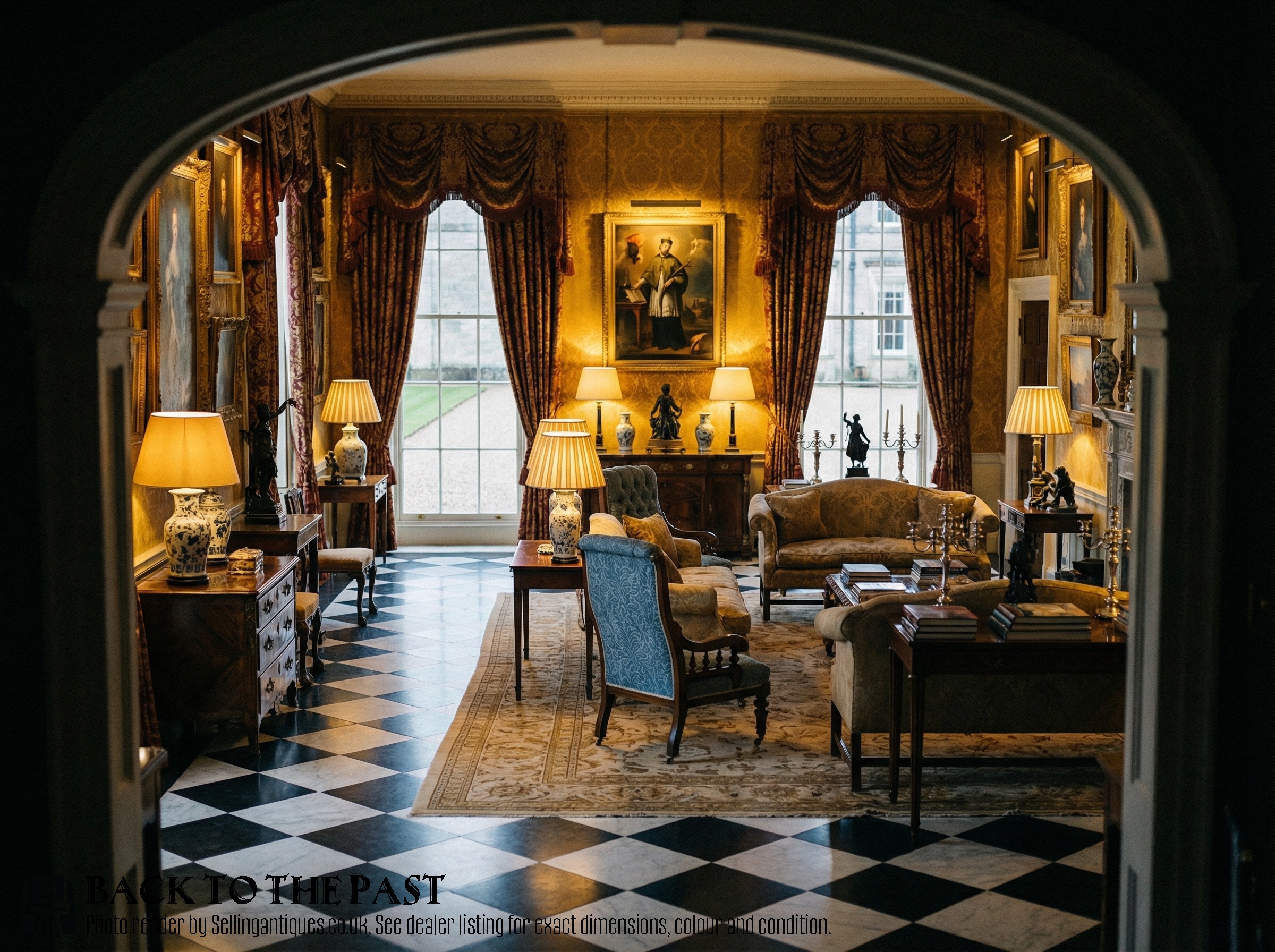
Blue Victorian Armchair
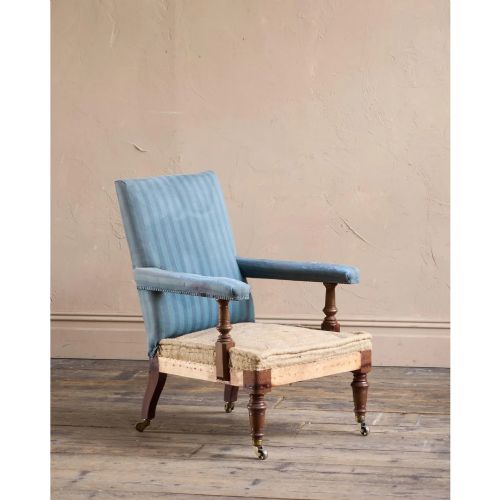
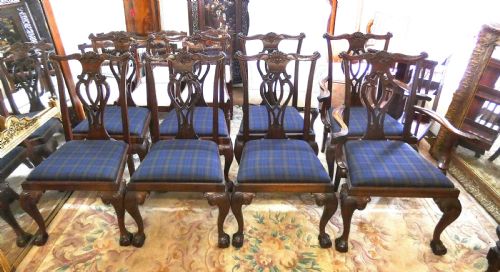
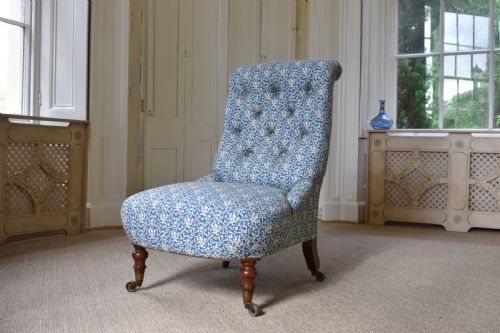
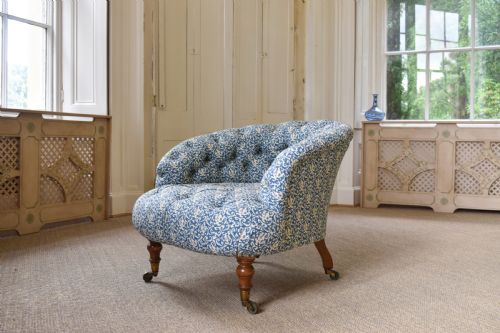
When you search for a blue victorian armchair, you encounter seating originating primarily from the nineteenth century, including specific decades such as the eighteen-eighties and eighteen-fifties alongside Edwardian examples. These range from low-slung bedroom chairs and nursing seats to deep club chairs and library armchairs framed in mahogany, walnut, and rosewood.
The blue upholstery varies significantly across the selection, appearing in records as velvet, damask, cotton, velour, and gingham check. While many chairs retain traditional button-backed detailing or open arm formats, the overarching form remains rooted in nineteenth-century British and English country house traditions.
How they were made
The structural framework of these armchairs relies heavily on dense timbers like mahogany and walnut, frequently shaped through carving, turning, or applied gilt. Iron and brass components often provide internal support or functional mobility via casters.
Upholstery techniques involve textiles such as cotton, velvet, and damask stretched over sprung or padded interiors, occasionally finished with button-backed tufting.
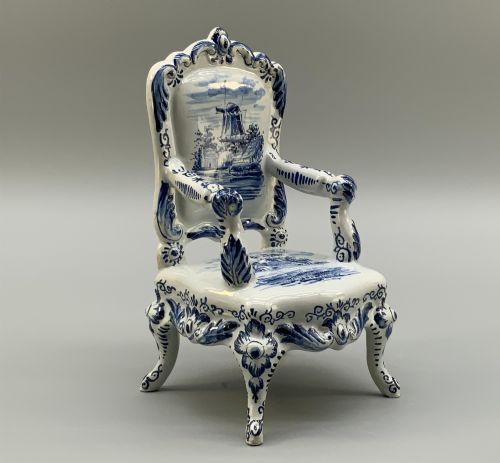
One miniature porcelain armchair proves that nineteenth-century artisans occasionally practiced miniaturization just to charm visitors.
What varies in quality
The distinction between tiers of quality rests upon the fidelity of the timber framing and the pedigree of the maker. Master workshops demonstrate superior joinery, refined carving on walnut or mahogany, and structural integrity that sustains decades of heavy use.
Textile selection and upholstery execution further divide the selection, where dense silk damasks, hand-finished velvets, and precise button-backed upholstery separate standard commercial production from high-end seating.
Howard and Sons·Morison and Co
The Blue Victorian Armchair Glossary
- Bergere
- A closed-arm armchair with an upholstered back and seat, traditionally featuring cane or upholstered panels enclosed within a wooden frame.
- Button-back
- An upholstery technique where deep buttons are pulled through the padding at regular intervals to create a diamond-patterned tufted surface.
- Fauteuil
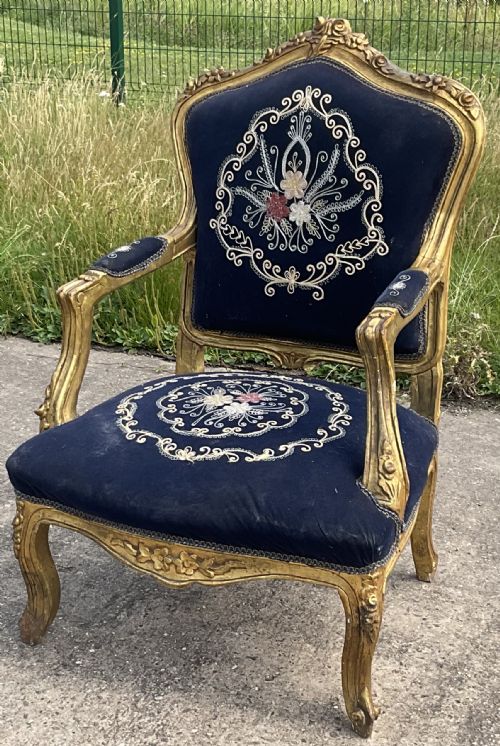
- An open-arm armchair with upholstered armrests and an exposed wooden frame originating from French design traditions.
- Slipper chair
- A low-seated bedroom chair designed originally without arms to assist ladies with putting on shoes.
- Wingback
- An armchair featuring side panels or wings attached to the back frame designed to shield the sitter from drafts.
Blue Victorian Armchair: Frequently Asked Questions
How do I identify a Victorian armchair?
Victorian armchairs are identified by specific timber choices like mahogany and walnut, alongside characteristic revival styles spanning the nineteenth century. Look for structural elements such as turned wooden legs, brass casters, and traditional sprung upholstery.
Heavier frames often incorporate hand-carved details or button-backed textile finishes. Checking the construction beneath the upholstery reveals period joinery methods distinct from later reproductions.
Where were these armchairs placed originally?
These seating pieces served diverse functions throughout nineteenth-century domestic interiors, from formal libraries and drawing rooms to private bedrooms. Lower nursing chairs and slipper chairs were tailored for hearthside or dressing room use.
Larger club chairs and library armchairs provided heavier, supportive seating for reading and writing desks. Their placement depended entirely on the specific scale and ergonomic form of the chair.
Are the blue fabrics original to the chairs?
The blue textiles seen on these pieces frequently represent modern reupholstery work utilising velvets, damasks, or cottons rather than nineteenth-century fabric. Upholstery materials wear out over generations and require periodic replacement to maintain structural usability.
Some listings retain older fabric restorations, while others feature contemporary applications like turquoise velvet or gingham check applied to antique frames.
How do I care for antique wood and velvet?
Maintaining wooden frames requires gentle dusting and occasional waxing to preserve the natural grain of mahogany and walnut without building up heavy residue. Velvet and textile upholstery benefit from careful brushing and professional cleaning to protect the pile.
Keeping antique seating away from direct sunlight prevents the blue dye in fabrics from fading and stops timber from drying out or splitting.