



Blue Transferware Stand
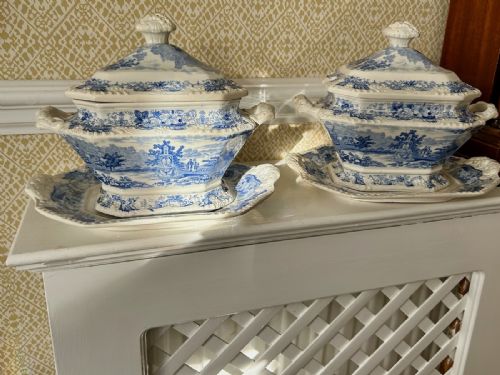
A blue transferware stand brings crisp cobalt design and practical surface space together, offering a traditional centrepiece for any table setting.
Blue Transferware Stand
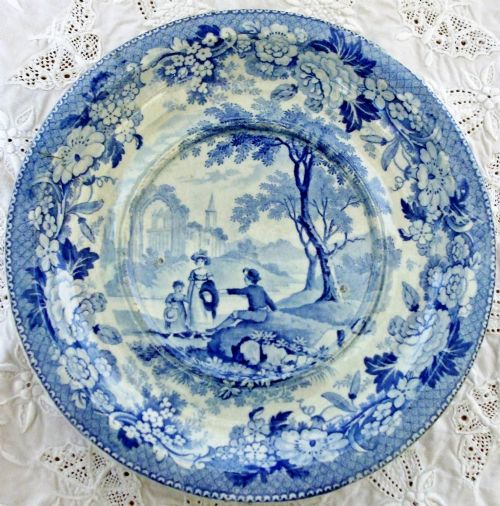
A blue transferware stand comprises ceramic serving pieces and pedestals decorated with cobalt pigment applied via engraved paper templates. These items serve a functional role in presenting bread, cakes, cheese, and tureens while displaying detailed figural or architectural scenes.
The selections available here range from early Georgian bread stands and Spode tazza forms to Edwardian cake stands and Minton compotes. Buyers frequently encounter nineteenth-century earthenware and ironstone pieces bearing patterns such as Buffalo, Castle, Canovian, and Lanje Lijsen.
Originating primarily from English potteries, these stands reflect diverse historical styles including Georgian, Regency Chinoiserie, and Victorian aesthetics. Each piece provides a window into domestic dining customs of the eighteenth and nineteenth centuries through transfer-printed earthenware and porcelain.
What varies in quality
The clarity and depth of the cobalt pigment application define the visual distinction between individual examples. Crisp lines in patterns such as Bridge of Lucano or Romantic Ruins indicate superior engraving and transfer execution.
The weight, resonance, and purity of the ceramic body - whether refined porcelain, early pearlware, or sturdy ironstone - contribute significantly to the character of the piece. Provenance, such as identifiable maker marks from Spode, Masons, or Doulton Burslem, adds historical substance.
Blue Transferware Stand Retail Price Guide 2026
Typical asking prices for blue transferware stand among the pieces listed under this phrase on Sellingantiques today, from the lower quarter to the upper quarter. They describe what is for sale here now, not the wider market.
Buffaloes and elephants occasionally wander across Georgian dining tables through transfer-printed landscape scenes.
Doulton Burslem·Minton·Spode·Rogers·J. and R. Clews·Worcester
The Blue Transferware Stand Glossary
- Transferware
- Ceramic decorated by printing a design from an engraved copper plate onto paper, which was then transferred onto the unglazed or bisque ceramic body. This method revolutionized pottery production by enabling detailed pictorial patterns.
- Tazza
- A shallow bowl or plate mounted on a stem and foot, used for serving fruit or cakes. These elevated vessels create height and architectural interest on a dining table.
- Pearlware
- A refined earthenware developed in the late eighteenth century featuring a subtle bluish glaze that pooled in recesses. It served as a transitional ceramic body before the widespread adoption of heavy ironstone.
- Ironstone
- A durable, dense type of earthenware patented in the early nineteenth century to rival porcelain. It resists chipping and provides a robust surface for dense transfer-printed decoration.
Blue Transferware Stand: Frequently Asked Questions
What is a blue transferware stand used for?
These stands historically served practical dining functions such as holding bread, cheese, cakes, or supporting saucetureens during formal meals.
Today, collectors utilise them as display pieces, decorative centerpieces, or functional serving items for desserts and cheeses.
How do I date a blue transferware stand?
Dating relies upon examining the ceramic body, such as distinguishing early pearlware from later ironstone, alongside stylistic cues from Georgian or Victorian periods.
Maker marks, registry diamonds, and specific transfer patterns associated with potteries like Spode or Clews provide further chronological context.
Can I use an antique stand for food?
Most glazed ceramic and ironstone stands remain structurally stable for serving dry foods such as bread, fruit, or cheese.
Buyers should inspect the glaze condition and avoid exposing antique earthenware to extreme temperature changes or modern dishwashers.