

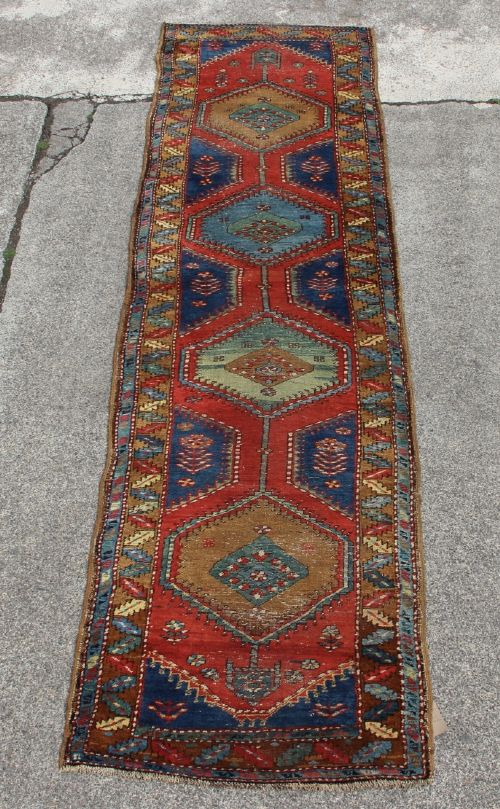
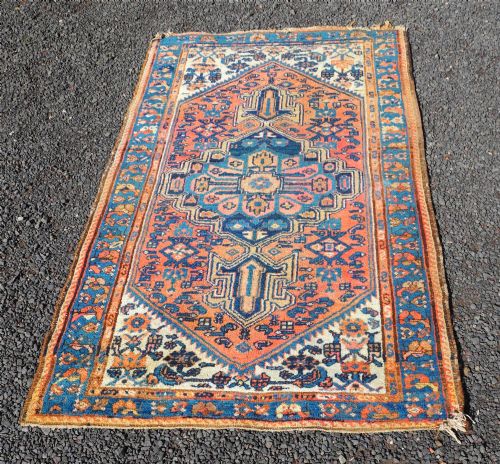
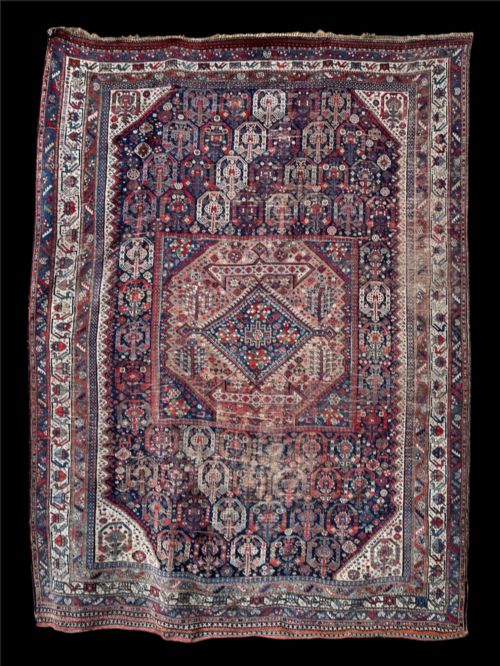
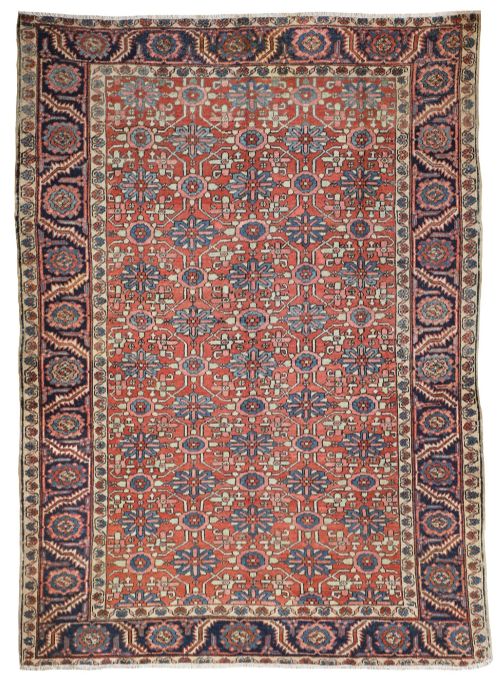


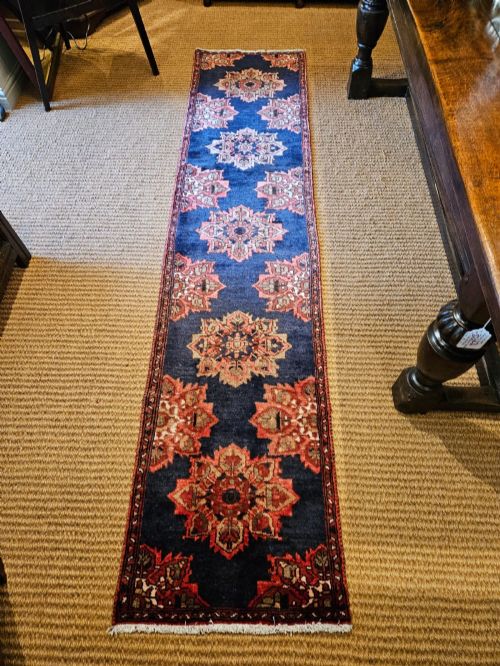
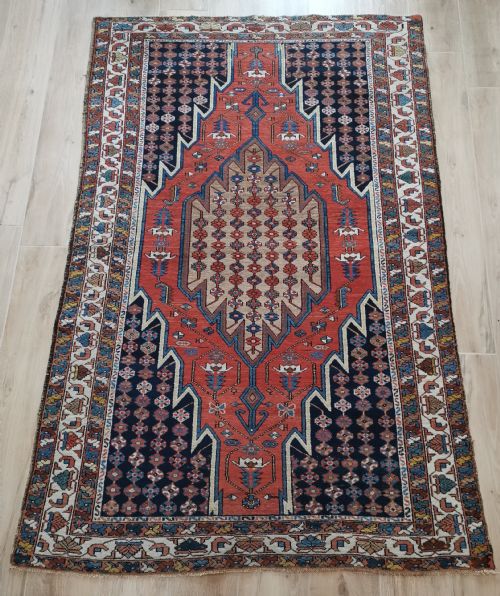
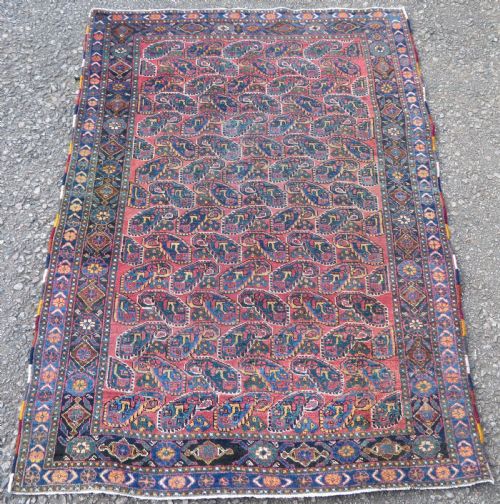
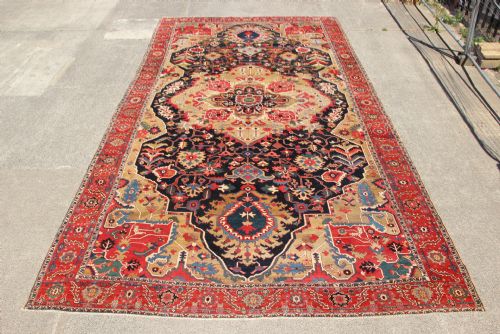
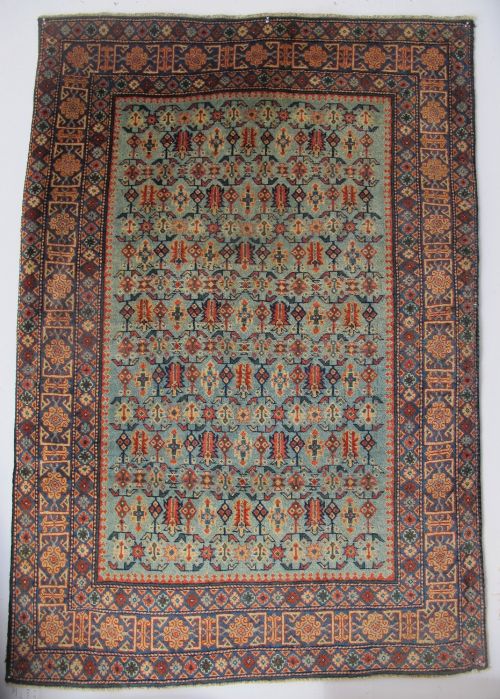
Blue Terracotta Persian Carpet
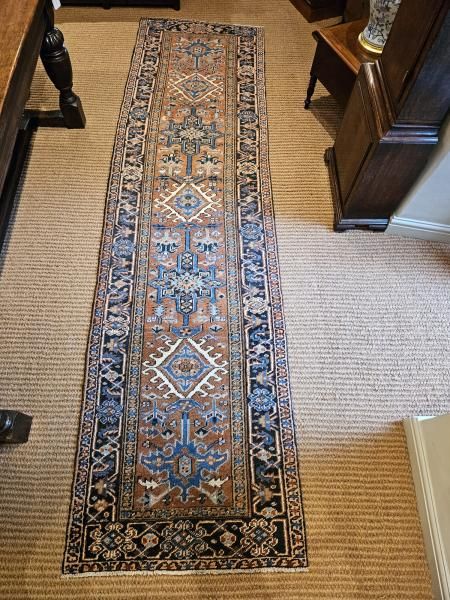
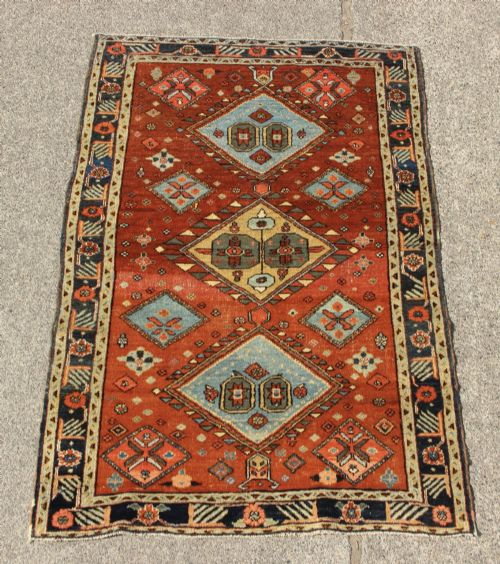
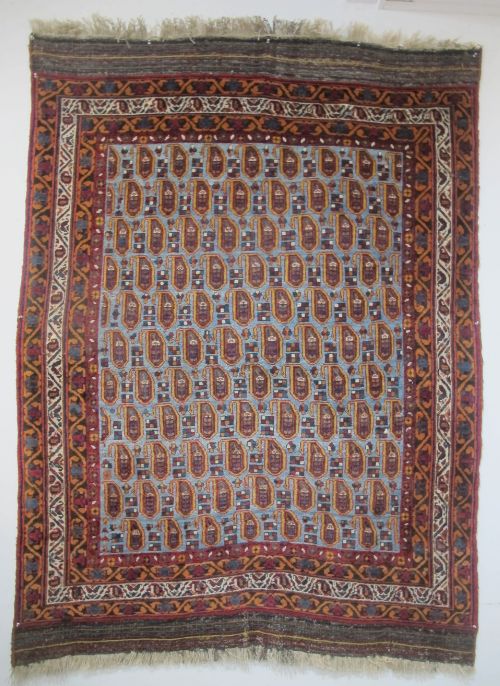
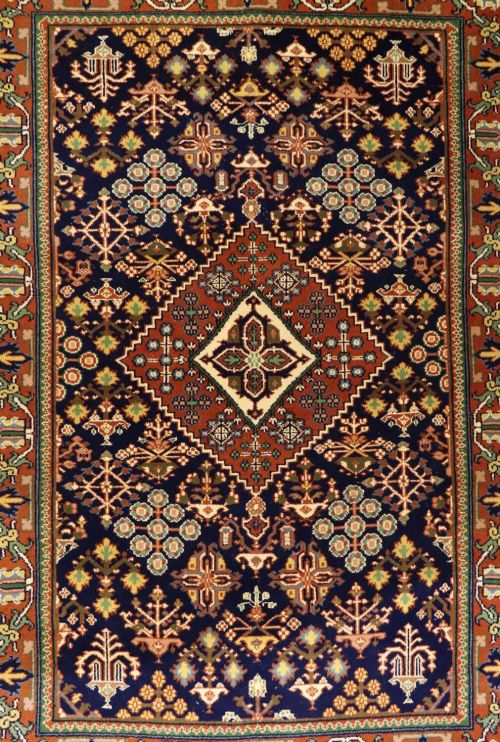
These pieces brought together as a blue terracotta persian carpet are hand-knotted woven floor coverings that anchor a room with traditional regional patterns.
Blue Terracotta Persian Carpet
When you search for a blue terracotta persian carpet, you examine hand-knotted woven textiles originating from village and tribal workshops across nineteenth and early twentieth century Persia. These floor coverings range from compact area rugs and long runners to substantial room-sized carpets.
The selections on this page typically encompass distinct regional weaving traditions such as Heriz, Afshar, Bakhtiari, Tabriz, and Hamadan. Each provenance brings characteristic geometric or floral layouts worked in saturated vegetable colour palettes.
How they were made
These textiles are constructed using traditional hand-knotting techniques on sturdy cotton or wool foundation warps and wefts. The dense pile consists of hand-spun wool selected for resilience and warmth.
Weavers utilised natural dyes derived from plants and minerals to colour the wool, producing deep indigo blues and earthy terracotta tones that mellow gradually over decades of exposure.
The listings span production dates from the 1870s through the 1920s, featuring wool and cotton construction dyed with natural colours.
What varies in quality
The distinction between standard examples and exceptional specimens rests in knot density, precision of the drawn geometric medallion, and the complexity of the secondary borders. Finer execution yields sharper graphic clarity in the central motifs.
Another measure of quality is the purity and depth of the natural dyes used throughout the field. Rich tonal variation within individual wool yarns indicates superior immersion and contributes to the visual resonance of the carpet.
The Blue Terracotta Persian Carpet Glossary
- Medallion
- A large central ornamental design motif placed in the middle of the carpet field. This focal shape often anchors the surrounding geometric or floral patterns.
- Warps
- The vertical foundational threads stretched taut on the loom before knotting begins. Cotton or wool warps support the entire weight of the pile.
- Wefts
- Horizontal threads passed across the warps between rows of knots to bind the structure firmly together. Multiple weft shots determine the rigidity of the finished weave.
- Natural Dyes
- Colourants extracted from organic sources such as plants, roots, and insects prior to synthetic alternatives. These dyes age with subtle shifts in hue.
- Pile
- The upright cut wool fibres that form the soft surface of the rug. Pile height and density dictate the tactile feel and durability underfoot.
Blue Terracotta Persian Carpet: Frequently Asked Questions
How do I place a large runner in a hallway?
Long runner rugs fit comfortably down the centre of narrow corridors or entryways to provide durable floor protection. Leave a uniform margin of bare wood or tile exposed on all sides.
Ensure the foundation remains flat without curling edges by placing an appropriate underlay beneath the textile to prevent sliding.
Where should a geometric carpet go in a home?
Room-sized carpets with strong central medallions work effectively beneath dining tables or as the anchor for seating arrangements in a living room. The prominent design elements provide a visual anchor for surrounding furniture.
Keep the immediate floor space open so the full expanse of the field and its border systems remain visible.
How do I tell different regional styles apart?
Regional styles reveal themselves through distinct structural traits and drafting habits. Heriz weaves typically display bold, rectilinear medallions, while Tabriz carpets lean towards finer, curved floral compositions.
Examining the weave tightness on the reverse side often clarifies the specific tribal or urban origin.
How should I care for an antique wool rug?
Regular gentle suction vacuuming without a rotating beater bar prevents dust accumulation within the wool pile. Keep the textile away from direct, prolonged sunlight to protect the natural dyes.
Professional specialist cleaning is recommended every few years to maintain the integrity of the wool and cotton foundation.