




Blue Silver Case
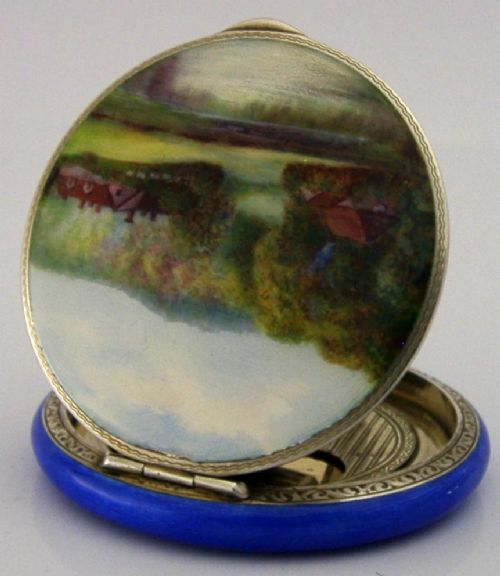
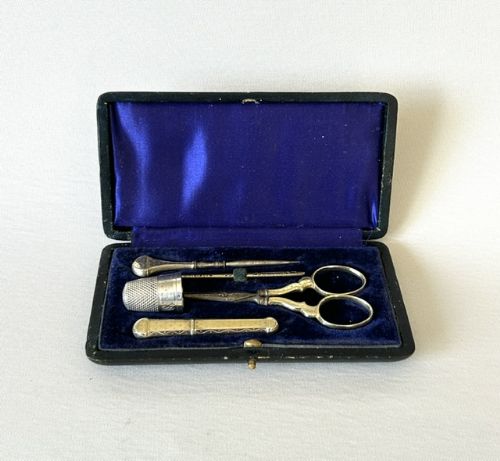
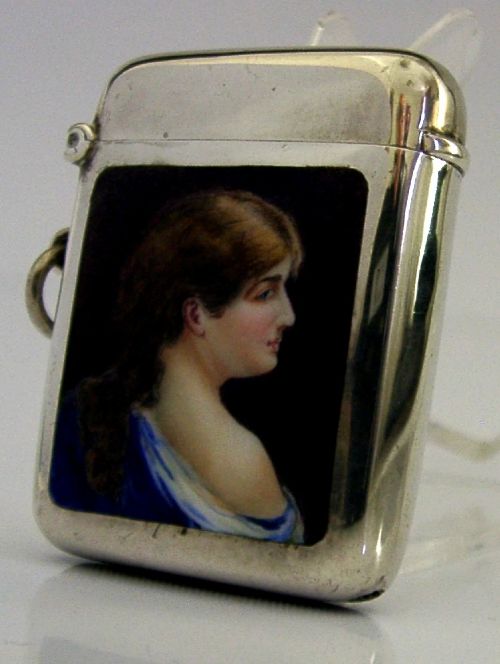
A blue silver case brings together precious metal and coloured enamel, offering a portable item that slips easily into a pocket or vanity.
Blue Silver Case
When you search for a blue silver case, you encounter a variety of small personal accessories designed for daily use during the nineteenth and twentieth centuries. These items encompass compacts, cigarette and cheroot cases, card cases, and vanity items.
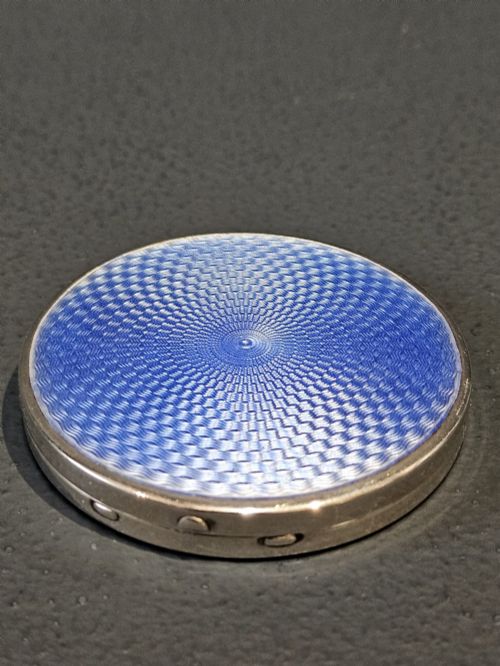
The most likely versions to meet on this page hail from the Art Deco period and the Edwardian era, often featuring guilloche enamel over sterling silver or silver gilt.
Makers utilised these durable materials to create functional items that doubled as statements of personal style, incorporating fitted velvet or suede linings where appropriate.
Materials and construction
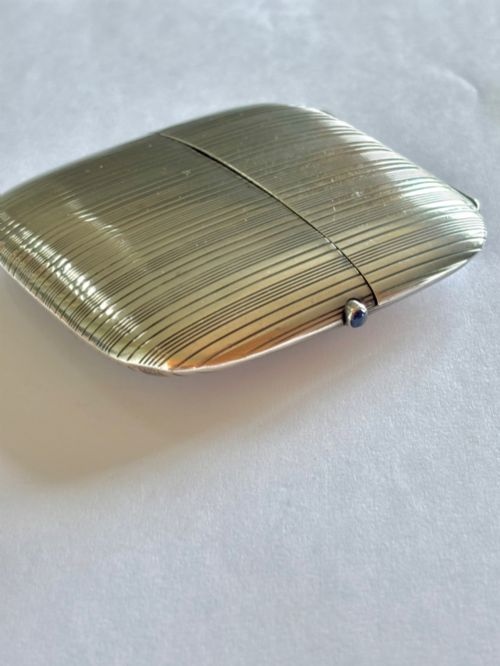
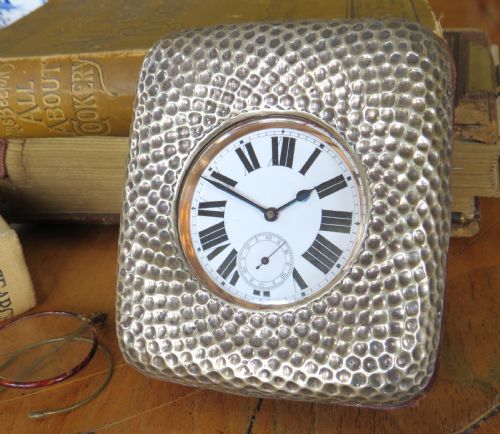
Silversmiths formed the primary bodies from sterling silver, continental silver, or silver gilt, sometimes combining the metal with opaline glass, leather, or exotic wood carcases.
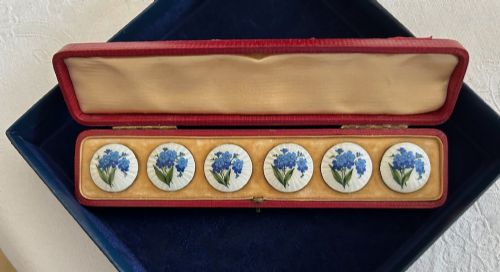
Enamel work represents the defining decorative technique, applied as translucent guilloche patterns, hand-painted floral motifs, or intricate cloisonné cells over textured silver grounds.
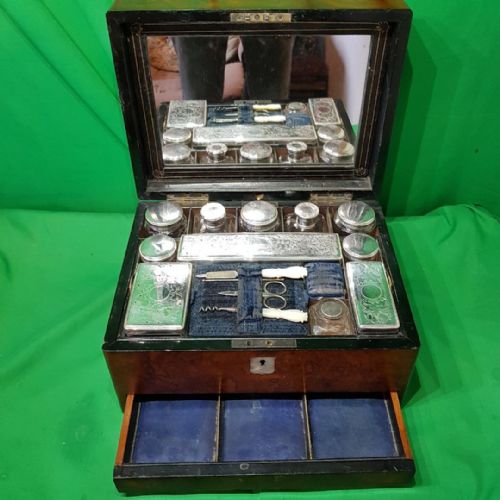
Interior components often included fitted velvet, suede, or silk linings to protect delicate contents such as powder, cards, or glass scent bottles.
Blue Silver Case Retail Price Guide 2026
Typical asking prices for blue silver case among the pieces listed under this phrase on Sellingantiques today, from the lower quarter to the upper quarter. They describe what is for sale here now, not the wider market.
Listings feature items spanning from the nineteenth century through the Art Deco era to mid-century Italian and British workshops.
Judging the work
The standard of the enamel work dictates the primary distinction in quality, with crisp engine-turned guilloche patterns and undamaged surfaces sitting well above plain or pitted examples.
The crispness of the hallmarks and the precision of the hinge and clasp mechanisms reveal the original skill of the silversmith, ensuring the case closes with a secure snap.
William Neale·Henry Matthews·Wright and Davies·Evans·Giuliano Spinelli Florence·Liberty and Co·Henry Perkins and Sons·Goldsmith and Silversmith
The Blue Silver Case Glossary
- Guilloche enamel
- A decorative technique where a geometric pattern is engraved into metal beneath a translucent layer of coloured enamel. This method creates a luminous depth that catches the light differently as the piece moves.
- Silver gilt
- Silver that has been coated with a thin layer of gold on its surface. This treatment provides a warm golden interior or exterior while retaining the structural strength of silver.
- Vesta case
- A small portable box designed to hold wax matches and keep them dry. They frequently feature hinged lids and striking plates integrated into the base.
- Cabochon
- A gemstone shaped and polished with a smooth, rounded surface rather than faceted edges. These stones often appear as decorative thumbpieces on the catches of compacts and cases.
- Compenhium
- A fitted box or multi-part travelling set containing various implements for sewing, writing, or dressing. These pieces demonstrate high levels of partitioning and internal organisation.
Blue Silver Case: Frequently Asked Questions
What fits inside a small silver case?
These cases were historically made to hold calling cards, cigarettes, loose powder, or small sewing implements depending on the specific form.
Today, modern owners often repurpose slim card cases for business cards or credit cards, while compacts remain suited for carrying mirror accessories.
How do I clean enamel safely?
Enamel requires a gentle approach using a soft cloth and lukewarm water, avoiding harsh silver dips that can seep beneath the enamel layers and cause damage.
Pat the piece completely dry immediately after cleaning to protect any exposed metal seams or internal velvet linings.
How do I date a silver case?
British pieces typically rely on hallmarks stamped directly onto the metal, which include assay office symbols, date letters, and maker's marks.
Continental or unmarked pieces require stylistic analysis, such as identifying characteristic Art Deco geometry or Edwardian floral motifs.
Are these cases meant for daily pocket use?
While originally constructed for robust everyday carriage, antique enamel pieces benefit from gentle handling to preserve the fragile glass surface.
Carrying them in a soft pouch inside a larger bag prevents scratching against keys or other metal objects.