





Blue Sea Coastal Art
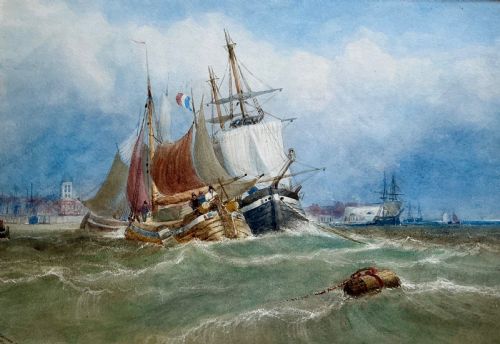
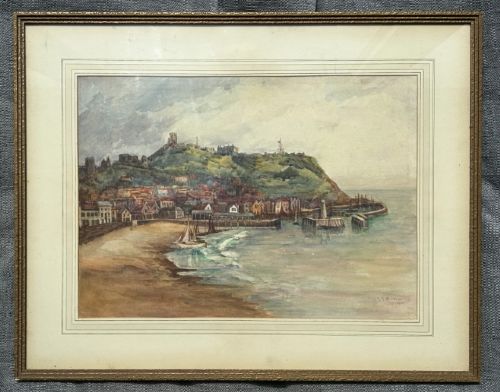
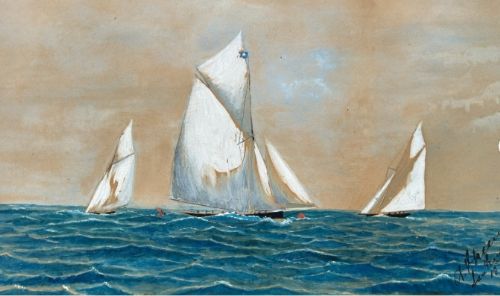
Blue sea coastal art brings together maritime views, harbours and shorelines captured in oil and watercolour across the nineteenth and twentieth centuries.
Blue Sea Coastal Art
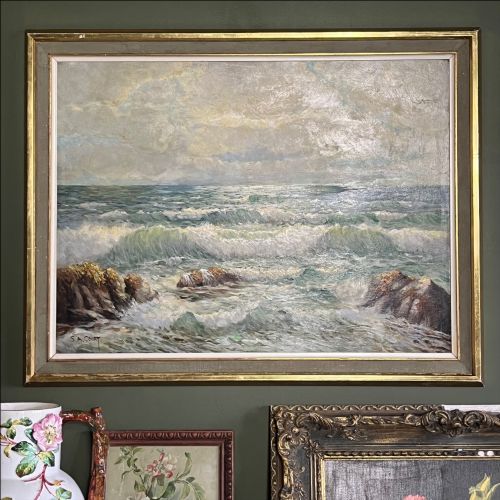
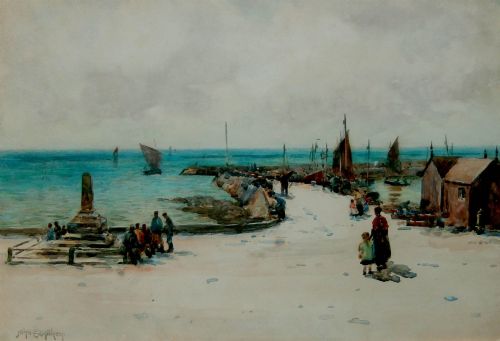
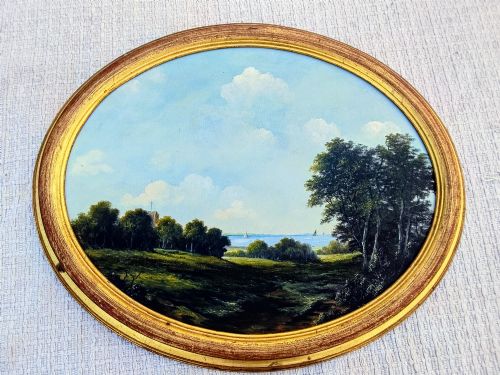
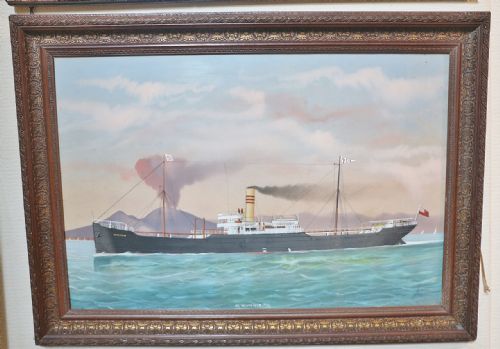
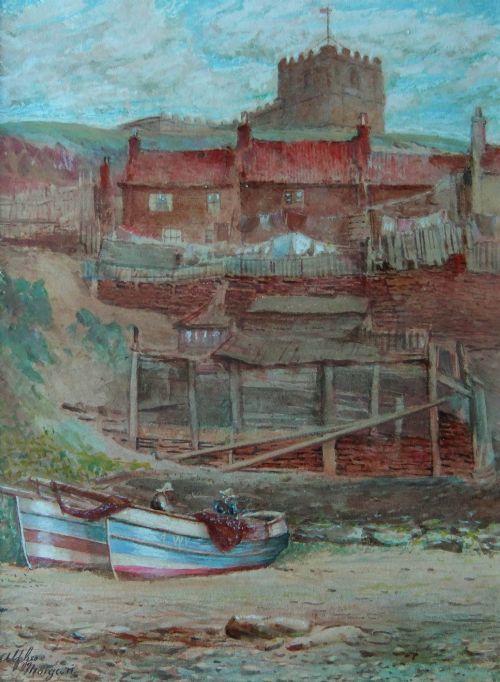
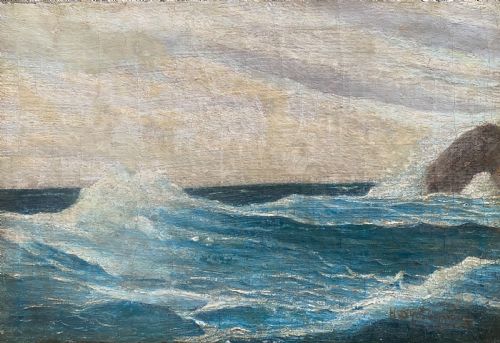
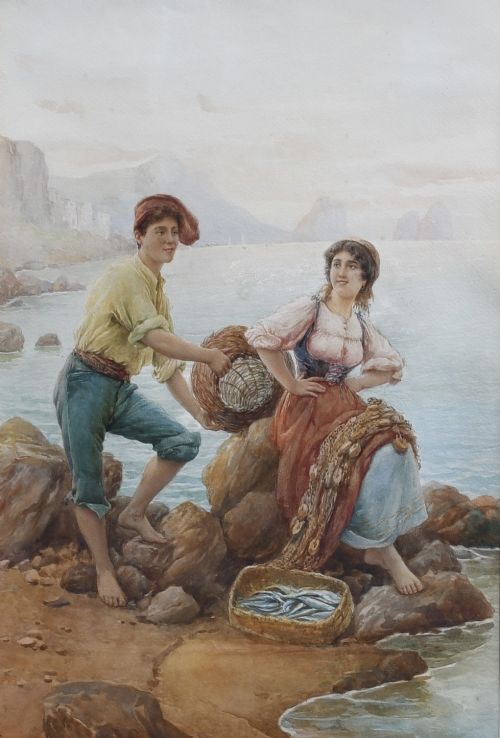
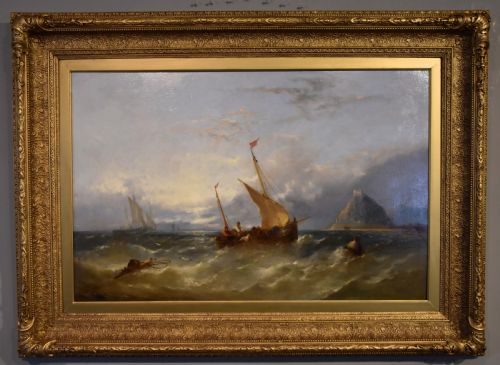
Collectors browsing for blue sea coastal art encounter maritime paintings ranging from late Victorian scenes to mid-twentieth-century harbour views. The selections here span British Impressionism, Post-Impressionism and maritime realism, focusing on coastal life, fishing boats and open water. Works originate from various periods including the Edwardian era and the 1930s, showing stretches of coastline from Cornwall and Yorkshire to the Mediterranean.
Watercolours on paper and oil paintings on canvas dominate the selection, portraying lighthouses, sandy beaches and bustling ports. Pieces capture specific locations such as St Ives, Whitby and Scarborough alongside French and Italian coastal spots. Buyers find both intimate studies and larger framed canvases depicting racing yachts, merchant vessels and daily harbour activities.
Distinctions in execution
Quality rests upon the artist's ability to render the movement of water and the particular quality of light in a coastal environment. Superior works demonstrate confident brush control and an understanding of maritime architecture, such as the rigging of a fishing boat or the structure of a lighthouse.
Condition and originality also separate standard examples from finer pieces, particularly the preservation of pigment vibrancy in watercolours and the stability of the canvas or card support over time.
Several artists clearly braved salt spray and seagulls to capture harbours directly from the rocks.
James Orrock·Sidney A Court·John E Aitken·William Banks Fortescue·Bernard Benedict Hemy·Alfred G Morgan·Carlo Ferranti·William Henry Williamson·Henry Barlow Carter·F A Roylance·George F Pennington·Raymond Moritz·Charles Napier Hemy·Jean Baptiste Olive·William Lee Hankey·William Tuck·George Shaw·John McDougal·Charles Malfroy·Stephen J Renard·George Gregory·Frederick Stuart Richardson·Thomas Rose Miles·George Hamilton Constantine·Percy Brooke
The Blue Sea Coastal Art Glossary
- En plein air
- Painting outdoors to directly capture the transient effects of light and weather on the subject. This approach became central to impressionist and realist coastal painting.
- Marine art
- Depictions of the sea, ships, harbours and coastal landscapes. This genre encompasses historical naval scenes as well as quiet shorelines and working fishing ports.
- Watercolour pigment
- Finely ground colour suspended in a water-soluble binder, applied to paper to create translucent washes. It allows artists to achieve luminous effects suited to sea and sky.
- Post-Impressionism
- An art movement extending beyond impressionism that prioritised expressive forms and symbolic use of colour. Practitioners explored structure and emotional response in landscape subjects.
- Provenance
- The documented history of ownership of an artwork. Clear provenance supports the attribution and authenticity of older paintings.
Blue Sea Coastal Art: Frequently Asked Questions
What periods do these coastal paintings date from?
The works span from the late nineteenth century through the Victorian period, Edwardian era and into the mid-twentieth century.
Most examples reflect artistic movements active between 1880 and 1960.
How should I care for a vintage watercolour?
Watercolour paintings require protection from direct sunlight to prevent the pigment from fading over time.
Displaying them behind conservation glass in stable humidity conditions safeguards the paper support.
What subjects appear most frequently in these marine works?
Common subjects include fishing boats returning to harbour, lighthouses, sandy beaches and dramatic rocky cliffs.
Artists frequently documented working ports and maritime traffic along British, French and Italian coasts.
Are these paintings original works?
The selection consists of original hand-painted oils on canvas, board or card, alongside original watercolours on paper.
Each piece is a unique creation by the named artist rather than a reproduction.