




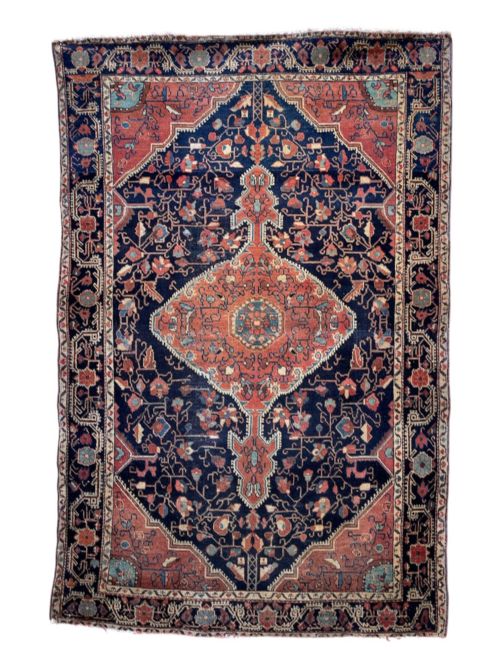

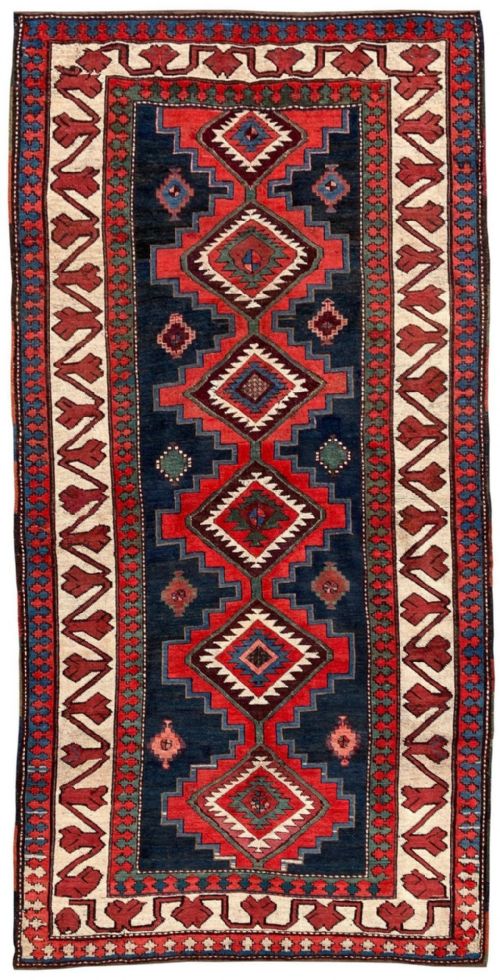
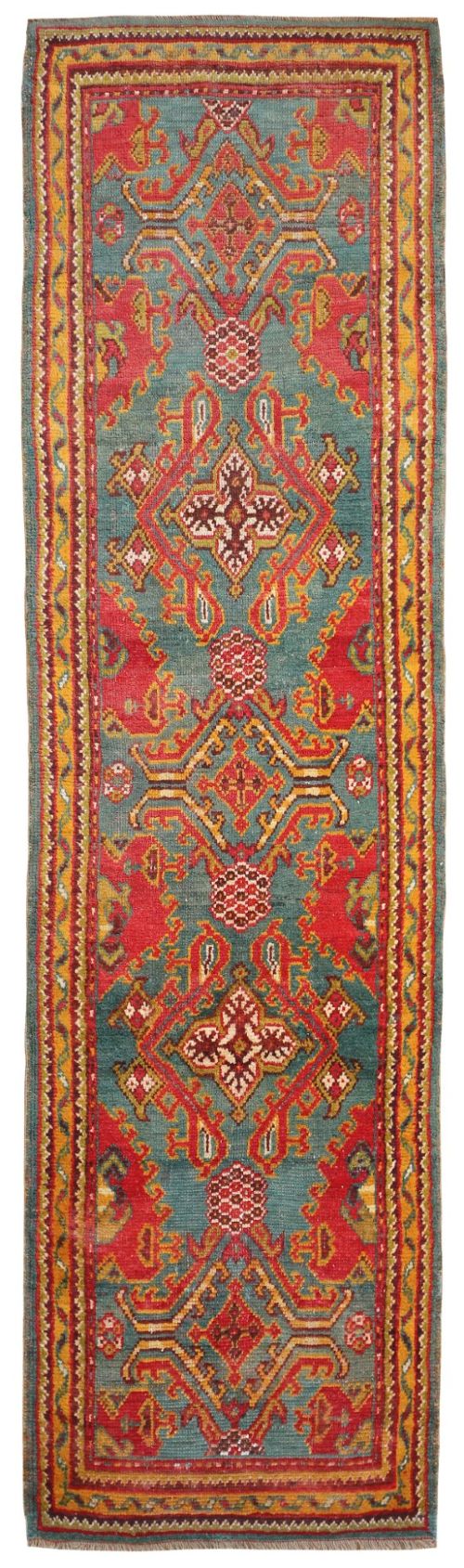
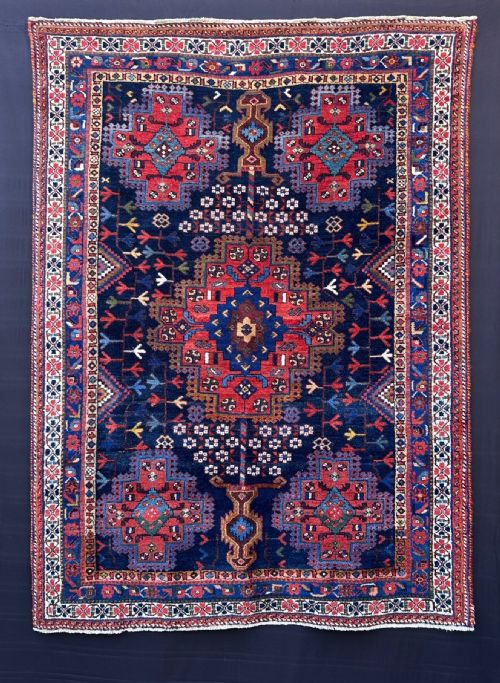
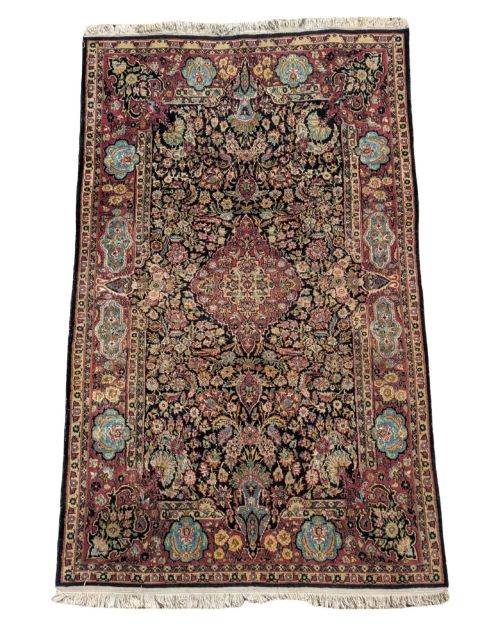
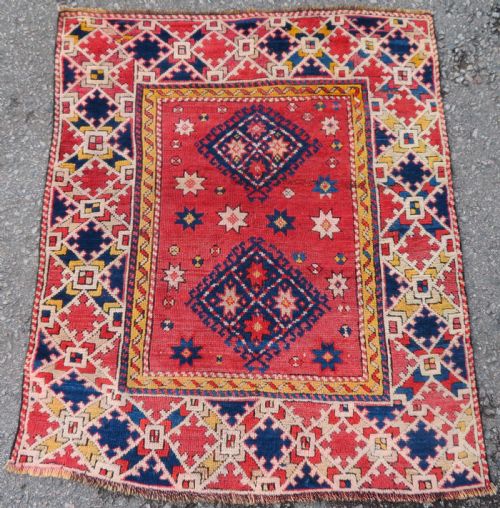
Blue Red Hand Knotted Rug
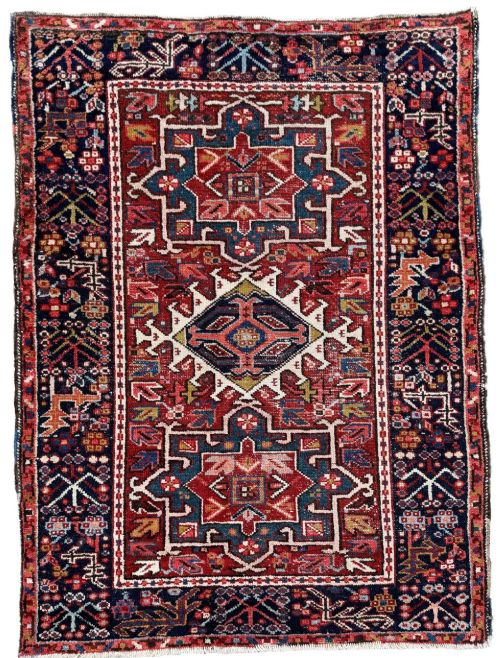
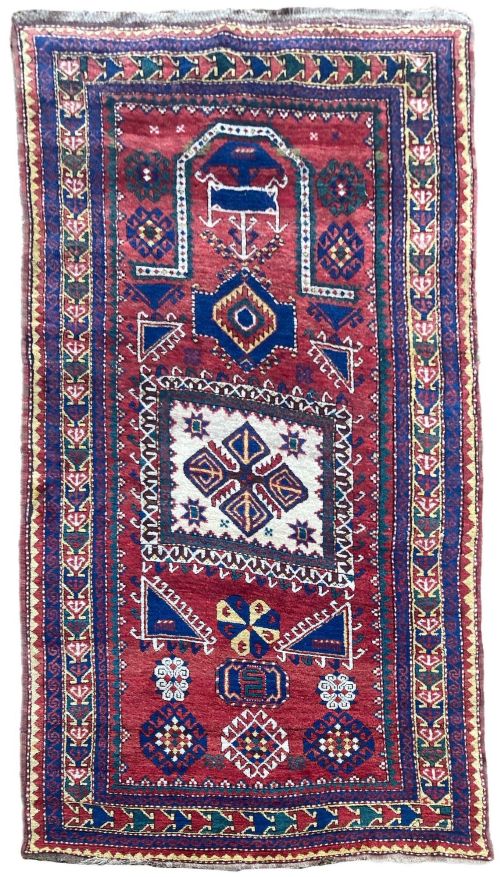
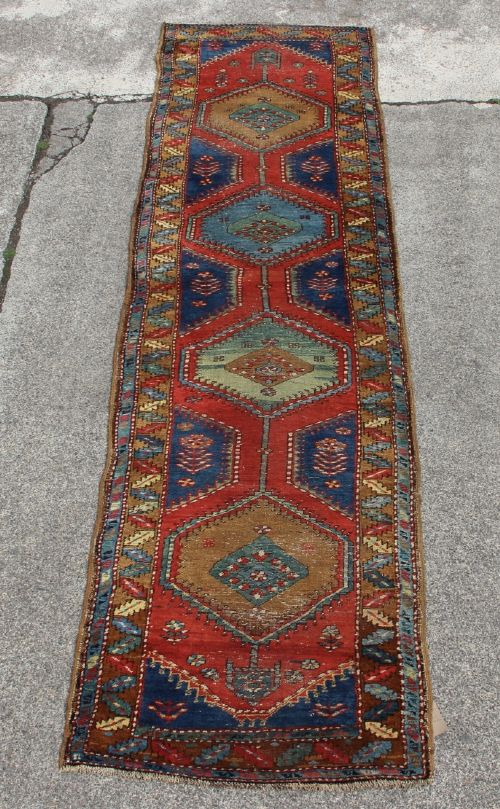
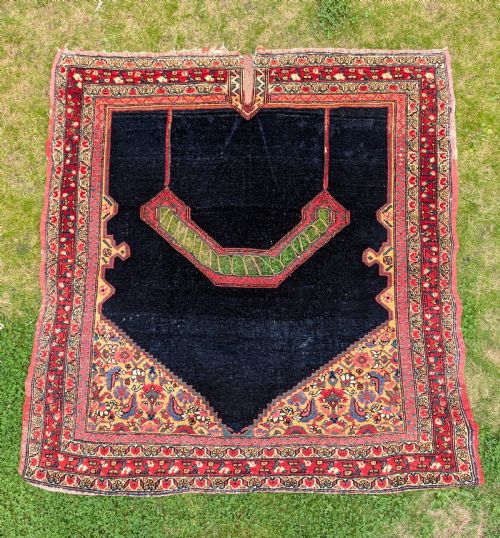
These blue red hand knotted rug examples are woven floor coverings built from wool, cotton, and silk, sought after for their enduring geometric and traditional designs.
Blue Red Hand Knotted Rug
When searching for a blue red hand knotted rug, a buyer encounters woven floor coverings originating mainly from Persian, Caucasian, and Anatolian traditions. These pieces span from the nineteenth century through the mid twentieth century, encompassing formats such as area rugs, runners, carpets, and prayer rugs.
Most items on this page date from the nineteenth and early twentieth centuries, though examples extend into the nineteen sixties. Buyers meet traditional Persian motifs alongside Caucasian tribal patterns and Anatolian village weaves.
How They Were Made
These textiles are constructed using wool, cotton, and occasionally silk highlights, with foundation threads typically in cotton or wool. Artisans tied individual knots by hand onto the warp and weft threads, creating dense, durable piles.
Makers utilised hand-spun wool for its resilience and capacity to hold rich dye colours over decades of use. Natural dyestuffs produced the characteristic deep blues and reds seen across Persian tribal, Caucasian, and traditional village rugs.
Some runners stretch over six metres long, built down narrow looms to pace grand nineteenth century corridors.
What Varies in Quality
Knot density and precision of execution distinguish finer weaving from simpler village work, affecting the clarity of geometric medallions and floral patterns. The choice of materials also shifts the tier, particularly where silk highlights or hand-spun wool are employed.
Structural integrity depends on the tightness of the weave and the preservation of the original borders and selvedges. Pieces showing exceptional handling of the palette and balanced composition sit at the upper end of the range.
Khamseh·Heriz·Karaja·Bakhtiar·Kazak·Senneh·Jozan·Ushak·Afshar·Ishfahan·Bergama·Kashan·Lori·Hamadan·Talish·Seychor·Karabagh·Kurdish·Mazlaghan
The Blue Red Hand Knotted Rug Glossary
- Medallion
- A central decorative motif placed in the field of a rug, often geometric or floral in design. It anchors the symmetrical composition of the piece.
- Warp
- The vertical foundation threads stretched lengthwise on the loom before knotting begins. The fringe of the rug is typically formed from these extension threads.
- Weft
- The horizontal threads passed alternately over and under the warp threads to secure the rows of knots. This locks the pile firmly in place.
- Selvedge
- The reinforced side edges of a rug finished to prevent the unravelling of the outer knots. Traditional pieces show durable overcast binding along these margins.
- Prayer rug
- A small format rug featuring a mihrab or arch design indicating the direction of prayer. These were historically used for individual devotion.
Blue Red Hand Knotted Rug: Frequently Asked Questions
How do I identify a tribal rug?
Tribal rugs typically display bold geometric patterns, memory-driven asymmetry, and tribal motifs passed down through generations. They often originate from nomadic or village groups rather than city workshops.
These pieces utilise local materials like hand-spun wool and employ saturated primary colours, frequently combining deep blues and reds with simpler, robust foundations.
Where were these rugs made?
The pieces originate primarily across Persia, the Caucasus, and Anatolia. Specific regions include Heriz, Kazak, Bakhtiar, and Ushak, each developing distinct weaving traditions.
Village workshops and nomadic tribes in these areas produced specific formats ranging from long runners to compact prayer rugs and large room-sized carpets.
What materials are used?
Wool is the primary material used for both the pile and foundation threads in most pieces. Cotton frequently forms the warp and weft in urban and village workshop weaving.
Silk highlights appear in select carpets to add lustre and accentuate specific details within the overall design, contrasting with the matte texture of wool.
How should I care for an old rug?
Protect the textile by placing it in low traffic areas or using a quality underlay to prevent sliding and friction. Regular gentle vacuuming without a beater bar removes embedded dust.
Keep the piece out of direct sunlight to protect the natural dyes from fading over time, and consult a specialist for professional cleaning when needed.